
The New York Jets, a storied franchise in the National Football League, have a rich history filled with iconic figures and memorable moments. Understanding who leads this team from the sidelines is crucial to grasping their identity, their strategic approach, and their aspirations for success. The head coach is the central architect of the team’s philosophy, responsible for everything from game-day play-calling to player development and overall team culture. Over the years, the Jets have seen a diverse array of coaching minds at the helm, each leaving their distinct mark on the franchise.
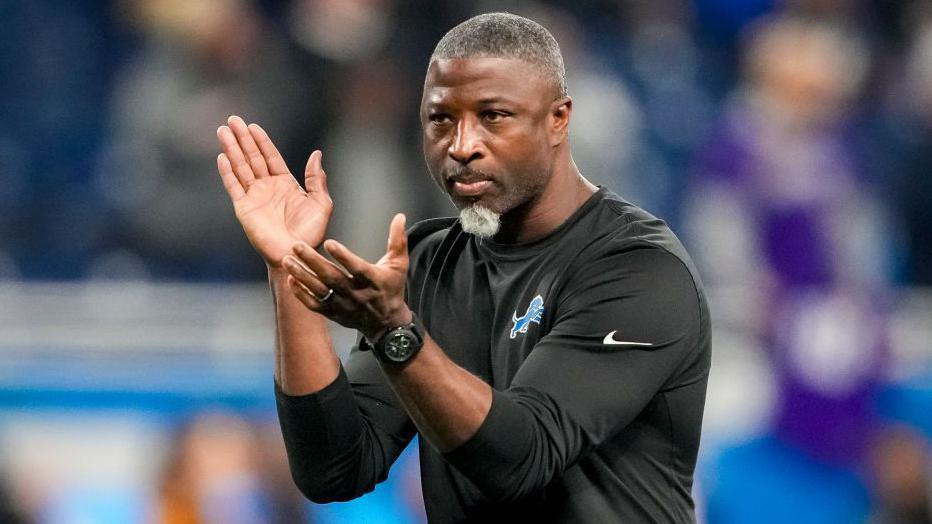
The Coaching Tree: A Legacy of Leadership
The journey of the New York Jets’ coaching staff is a narrative woven with strategic innovations, player empowerment, and the constant pursuit of excellence. From the early days of the American Football League (AFL) to their current standing in the National Football League (NFL), the individuals who have occupied the head coach’s office have shaped the team’s trajectory and its place in football lore. Examining the lineage of coaches provides insight into the evolving strategies and philosophies that have defined the Jets’ identity.
Early AFL Pioneers
The foundation of the New York Jets as a competitive entity was laid during their AFL years. The early coaches were instrumental in establishing the team’s presence and introducing a brand of football that would eventually challenge the established NFL order. These individuals were not just strategists; they were visionaries who had to build a team and a culture from the ground up in a nascent league.
Weeb Ewbank: The Architect of an Upset
Perhaps no single figure looms larger in the history of the New York Jets than Weeb Ewbank. Taking the helm in 1963, Ewbank inherited a team that would soon become synonymous with one of the greatest upsets in professional sports history. His steady leadership and tactical acumen were pivotal in guiding the Jets to their Super Bowl III victory in 1969. This was a monumental achievement that not only validated the AFL but also cemented the Jets’ status as a legitimate contender. Ewbank’s tenure was marked by his ability to connect with players and his innovative use of offensive schemes, particularly with the legendary Joe Namath at quarterback. His influence extended beyond the field, shaping the team’s ethos and setting a high bar for future coaches.
Charley Winner and the Transition Years
Following Ewbank’s illustrious tenure, the Jets navigated a period of transition under coaches like Charley Winner. These years often represent the challenges of maintaining success after a golden era. Coaches in such periods are tasked with rebuilding rosters, adapting to new league dynamics, and finding fresh talent to reignite the team’s competitive fire. While not achieving the same level of iconic success as Ewbank, these coaches played their role in keeping the franchise afloat and seeking new paths to glory.
The NFL Era: Seeking Sustained Success
As the AFL and NFL merged, the New York Jets entered a new era, facing increased competition and the need for continuous adaptation. The coaches during this period have grappled with the complexities of a unified league, aiming to build sustained success and return the franchise to the pinnacle of professional football.
Joe Walton and the Namath Aftermath
After Joe Namath’s departure, coaches like Joe Walton took the reins. Walton, a former player himself, understood the game from multiple perspectives. His time as head coach saw attempts to establish a new identity for the team, focusing on different strategic approaches and player development. The post-Super Bowl era is often a period of rebuilding, and Walton’s efforts were part of that ongoing process.
Rex Ryan: The Charismatic Leader
More recently, the coaching landscape of the New York Jets has been defined by figures like Rex Ryan. Ryan brought an undeniable charisma and a defensive-minded approach to the team. His tenure was characterized by a gritty, hard-nosed style of play and a team that often played with a chip on its shoulder. While the ultimate goal of a Super Bowl eluded the Jets under Ryan, his teams were known for their tenacity and their ability to compete. His defensive schemes were often lauded, and he cultivated a strong locker room presence, making the Jets a formidable opponent for many years.
Todd Bowles: A Strategic Mind

Following Ryan, Todd Bowles took over as head coach, bringing a reputation as a brilliant defensive strategist. Bowles emphasized discipline, execution, and a tough defensive front. His coaching style was more reserved than his predecessor’s, but no less focused on instilling a winning mentality. He navigated the team through challenging seasons, often working with limited resources and developing young talent, showcasing his ability to adapt and strategize in a highly competitive league.
The Current Coaching Staff: A New Direction
The modern era of the New York Jets is characterized by a commitment to rebuilding and establishing a sustainable foundation for future success. The coaching staff is tasked with developing a new generation of talent and implementing a modern, adaptable game plan.
Robert Saleh: The Visionary Leader
The current head coach of the New York Jets is Robert Saleh. Saleh arrived with a strong reputation as a defensive coordinator, known for his aggressive and effective schemes. His philosophy centers on building a strong, physical defense and fostering a culture of accountability, effort, and toughness. Saleh’s vision is to instill a long-term winning culture within the organization, emphasizing player development, strong character, and a relentless pursuit of improvement. He is tasked with guiding the team through a critical phase of its development, aiming to transform the Jets into consistent contenders.
Offensive and Defensive Coordinators: The Strategic Pillars
Beneath the head coach, the offensive and defensive coordinators are vital cogs in the Jets’ coaching machinery. These individuals are responsible for designing and executing the specific game plans that dictate how the team attacks opponents on both sides of the ball.
Nathaniel Hackett: The Offensive Architect
The offensive coordinator for the New York Jets is currently Nathaniel Hackett. Hackett brings a wealth of experience in designing high-powered offenses, often emphasizing a modern, uptempo approach. His role is crucial in developing the offensive identity of the team, working closely with the quarterbacks and skill position players to implement schemes that maximize their potential. The success of the Jets’ offense hinges significantly on Hackett’s ability to create and execute effective game plans that can consistently move the ball and score points. His background includes successful stints with other NFL teams, where he has been credited with developing innovative offensive strategies.
Jeff Ulbrich: The Defensive Strategist
On the defensive side, Jeff Ulbrich serves as the defensive coordinator. Ulbrich, working under head coach Robert Saleh, is responsible for maintaining and evolving the aggressive, physical defensive identity that the Jets strive for. His expertise lies in designing schemes that pressure opposing offenses, create turnovers, and limit big plays. The defensive unit’s performance is a direct reflection of Ulbrich’s strategic planning and his ability to effectively coach and motivate the players. His experience as a former player and coach provides him with a deep understanding of the nuances of defensive football.
The Coaching Staff’s Impact on Team Identity
The collective influence of the coaching staff extends far beyond X’s and O’s. They are responsible for shaping the team’s culture, instilling discipline, and fostering a winning mentality. The head coach acts as the principal leader, setting the tone for the entire organization. The coordinators, in turn, translate that vision into detailed strategies for their respective units.
Building a Culture of Success
The modern New York Jets coaching staff, under Robert Saleh, is focused on building a culture that values hard work, accountability, and resilience. This involves not only on-field execution but also off-field leadership and character development. The coaches aim to create an environment where players are motivated to give their best effort consistently and to overcome adversity. This cultural foundation is seen as essential for long-term success, especially in a league as demanding as the NFL.
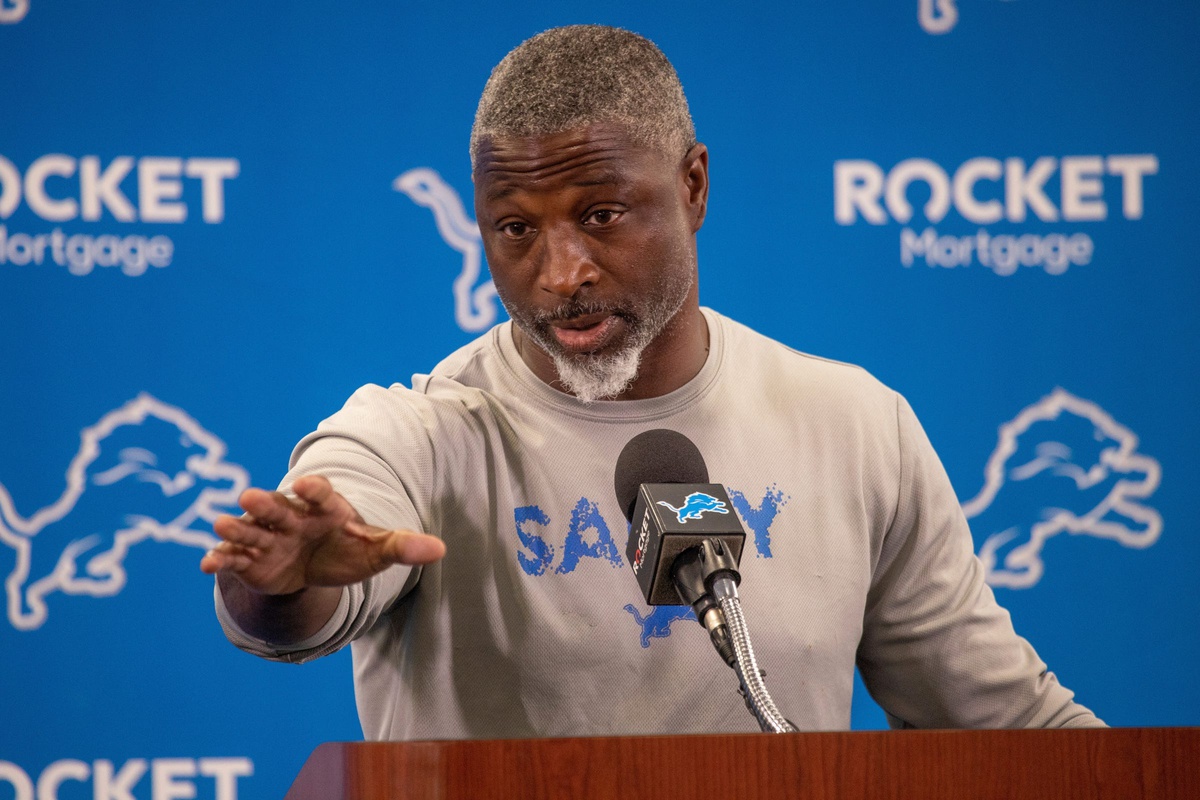
Player Development and Strategic Adaptation
A critical aspect of any coaching staff’s job is player development. This involves identifying talent, refining skills, and helping players reach their full potential. The Jets’ coaches are tasked with nurturing young players and integrating them into the team’s scheme effectively. Furthermore, in the ever-evolving landscape of professional football, coaches must be adaptable, constantly adjusting their strategies to counter opposing teams and to incorporate new trends and innovations in the game. The ability to adapt and develop players is a hallmark of successful coaching tenures.
The question of “Who Coaches The New York Jets?” is not just about identifying individuals; it’s about understanding the strategic vision, the leadership philosophy, and the collective effort that drives the team. From the legendary Weeb Ewbank to the current leadership of Robert Saleh, each coach has played a role in the ongoing narrative of this storied franchise, striving to bring the New York Jets back to the forefront of professional football.
LifeOutOfTheBox is a participant in the Amazon Services LLC Associates Program, an affiliate advertising program designed to provide a means for sites to earn advertising fees by advertising and linking to Amazon.com. Amazon, the Amazon logo, AmazonSupply, and the AmazonSupply logo are trademarks of Amazon.com, Inc. or its affiliates. As an Amazon Associate we earn affiliate commissions from qualifying purchases.