
Understanding the nuances of time in a vast and diverse state like California is more than just a simple clock check; it’s an essential piece of planning for any traveler, business professional, or curious explorer. As the largest state by population and third-largest by area in the United States, California spans a significant geographical footprint, encompassing a variety of climates, landscapes, and indeed, time zones. While the continental United States operates on standard time zones, California itself adheres to one primary time zone, but its implications ripple outwards to affect everything from sunrise over the Sierra Nevada to sunset over the Pacific Ocean.
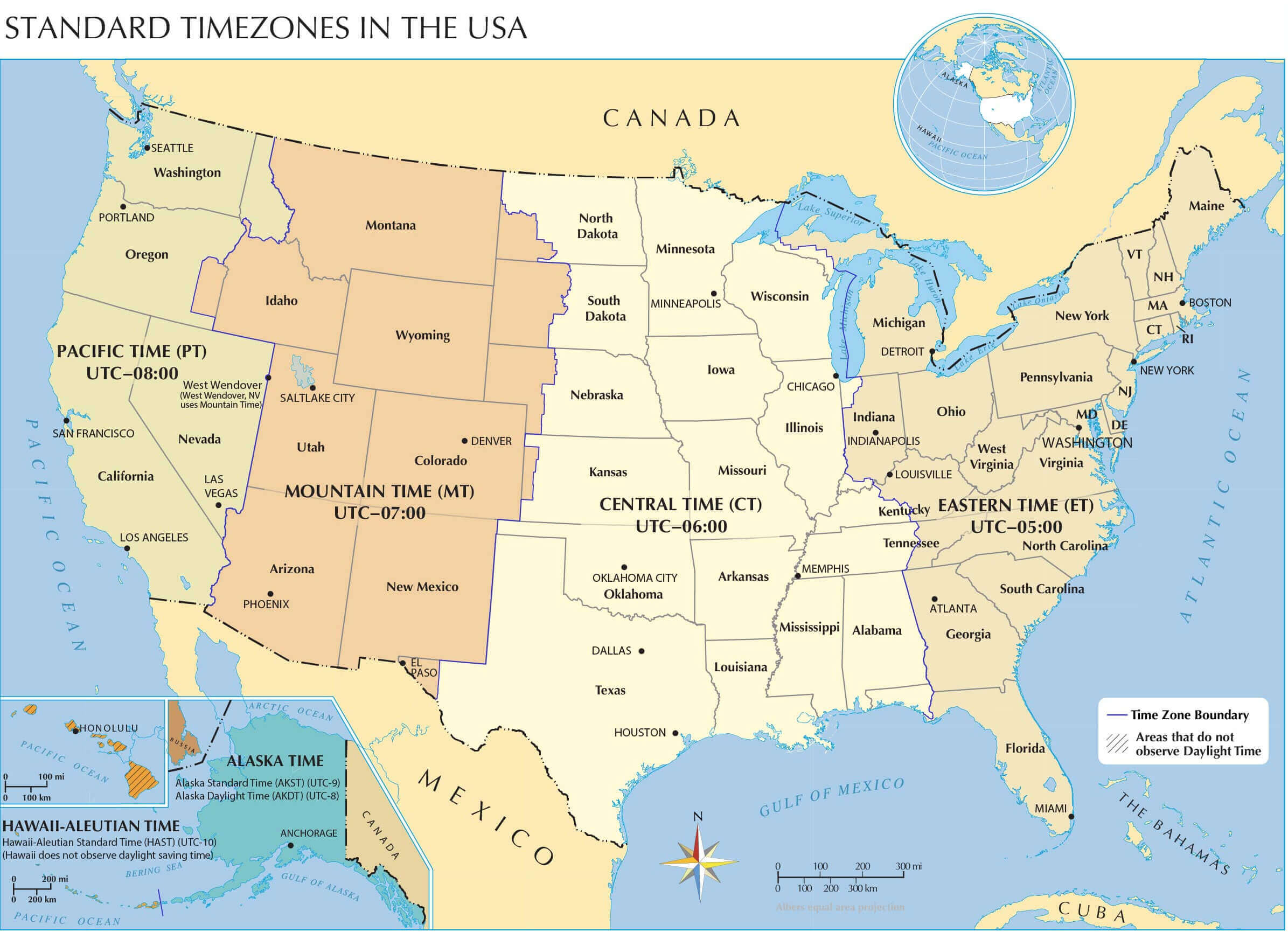
The core of understanding time in California lies in its adherence to the Pacific Time Zone (PT). This zone dictates the local time for the entirety of the state, from the bustling metropolises of Los Angeles and San Francisco to the tranquil vineyards of Napa Valley and the rugged coastline of Big Sur. However, the concept of “time now” is dynamic, constantly shifting due to two crucial factors: the daily rotation of the Earth and the observance of Daylight Saving Time.
Understanding the Pacific Time Zone
The Pacific Time Zone is one of the six primary time zones in North America, following Coordinated Universal Time (UTC). During standard time, California observes PST (Pacific Standard Time), which is UTC-8. This means that when it is 12:00 PM (noon) UTC, it is 4:00 AM in California during PST. As a traveler, this is the baseline from which you can calculate the local time. For instance, if you are in London (UTC+0) and it’s 8:00 PM, the time in California during PST would be 12:00 PM (noon).
This temporal difference is critical for coordinating international business calls, booking flights, or simply knowing when to expect a particular event to unfold in California. Businesses often need to factor in this eight-hour difference when scheduling meetings with counterparts on the East Coast of the United States (Eastern Time Zone, UTC-5 during standard time) or in Europe.
Key Characteristics of PST
- Geographical Reach: Primarily covers the westernmost contiguous regions of North America, including California, Washington, Oregon, Idaho (partially), and Nevada (partially).
- Standard Offset: UTC-8.
- Impact on Travel: Affects flight arrival and departure times, especially for cross-country journeys. It’s also crucial for planning activities, as daylight hours will naturally differ from your home time zone.
The Impact of Daylight Saving Time
The other significant factor shaping “time now in California” is Daylight Saving Time (DST). Like most of the United States, California observes DST, advancing clocks by one hour during the warmer months. During DST, the Pacific Time Zone shifts to PDT (Pacific Daylight Time), which is UTC-7. This transition typically occurs on the second Sunday in March, when clocks are moved forward by one hour at 2:00 AM local time. The clocks then fall back by one hour on the first Sunday in November at 2:00 AM local time, returning the region to PST.
This means that for roughly two-thirds of the year, California is seven hours behind UTC. When it is 12:00 PM UTC, it is 5:00 AM in California during PDT. The shift to DST not only alters the numerical time but also has practical implications. It means longer daylight hours in the evenings, which can be a boon for outdoor activities, al fresco dining, and enjoying the state’s natural beauty. For businesses, this shift can require adjustments to scheduling and operational hours, particularly for those with international operations or those serving markets that do not observe DST.
Navigating DST in California
- Dates of Observance: DST begins on the second Sunday in March and ends on the first Sunday in November.
- Time Shift: Clocks are moved forward one hour during DST (PDT, UTC-7) and back one hour during standard time (PST, UTC-8).
- Practical Considerations:
- Evening Light: Extended daylight in the evenings can enhance experiences like visiting Disneyland or enjoying a sunset cruise along the coast.
- Business Coordination: Businesses need to be aware of the DST schedule to avoid miscommunications with partners in regions that may or may not observe DST.
- Jet Lag: For travelers, the one-hour shift can still contribute to jet lag, especially when traveling from or to time zones with different DST practices.
Planning Your California Itinerary Around Time
Understanding “what is time now in California” is fundamental to a smooth and enjoyable visit. This knowledge directly impacts your ability to plan effectively, whether you’re aiming to catch a morning surf lesson in San Diego, attend an afternoon business meeting in Silicon Valley, or savor a twilight dinner in San Francisco.
Morning Activities
If you’re an early riser keen to experience the crisp morning air of the California coast, or perhaps visit a popular attraction before the crowds descend, knowing the time is paramount. For example, if you want to be at Alcatraz for a 9:00 AM ferry, and you’re traveling from New York (which is 3 hours ahead), you’ll need to adjust your departure time accordingly. A 9:00 AM ferry in California (PDT) corresponds to 12:00 PM (noon) in New York. Conversely, if you’re calling a business in California from Japan (which is 17 hours ahead of PST), a 9:00 AM call in California would be 2:00 AM the next day in Tokyo.
Afternoon Engagements
Afternoon activities in California often benefit from the abundant sunshine. Whether it’s exploring the theme parks of Anaheim, hiking in Yosemite National Park, or attending a wine tasting in Sonoma, the afternoon hours are prime time. For business travelers, afternoon meetings might need to be scheduled with an eye towards time zones further east or west. A 2:00 PM meeting in Los Angeles is 5:00 PM in Miami (Eastern Time) and 11:00 PM in Europe (assuming standard time differences).
Evening Experiences
California’s evenings are legendary, from the glitz of Hollywood to the culinary delights of San Francisco. Knowing the current time is crucial for securing reservations at sought-after restaurants, catching a show at the Hollywood Bowl, or simply enjoying the sunset over the Pacific Ocean. For those connecting with family or friends on the East Coast, an 8:00 PM dinner in California means it’s already 11:00 PM back home, a detail that can impact the length and nature of your calls.
The Broader Implications for Travelers and Businesses
Beyond the simple act of setting a watch, understanding time in California has profound implications for a wide range of activities and industries.
Aviation and Transportation
Airline schedules are intrinsically linked to time zones. When booking a flight from, say, Chicago to Los Angeles, the departure and arrival times will be listed in local times. A flight departing at 10:00 AM CST (Central Standard Time, UTC-6) from Chicago might arrive at 12:00 PM PST (Pacific Standard Time, UTC-8) in Los Angeles. This three-hour difference accounts for both the time zone shift and the flight duration. Similarly, train schedules and public transportation services operate on local times, making precise timekeeping essential for seamless travel.
Business and Finance
For the countless businesses operating in or interacting with California, time management is a critical operational factor. The state is a global hub for technology, entertainment, and agriculture, all of which involve complex logistical and financial operations. Stock markets, for instance, have set opening and closing hours that are strictly observed. The California stock exchange operates within the Pacific Time Zone, influencing global trading patterns. Similarly, international companies must meticulously track the time differences for conference calls, project deadlines, and client service hours to ensure smooth collaboration.
Cultural and Social Rhythms
Even the daily rhythms of life in California are shaped by its time zone. The state’s vibrant culture, from the early morning surf culture in Southern California to the late-night entertainment scene in Los Angeles, unfolds within the framework of Pacific Time. The extended daylight hours during PDT can influence when people choose to dine, exercise, or socialize. Understanding these local time-bound customs can enhance a visitor’s appreciation for the state’s unique lifestyle.
In conclusion, while the answer to “What is time now in California?” may seem straightforward, it encapsulates a complex interplay of geography, standardization, and seasonal adjustments. For anyone planning a trip, a business venture, or simply seeking to connect with the Golden State, a clear understanding of the Pacific Time Zone and the rhythm of Daylight Saving Time is an indispensable tool for navigating California effectively and making the most of every moment.
LifeOutOfTheBox is a participant in the Amazon Services LLC Associates Program, an affiliate advertising program designed to provide a means for sites to earn advertising fees by advertising and linking to Amazon.com. Amazon, the Amazon logo, AmazonSupply, and the AmazonSupply logo are trademarks of Amazon.com, Inc. or its affiliates. As an Amazon Associate we earn affiliate commissions from qualifying purchases.