
California, a state renowned for its progressive policies and commitment to innovation, has long been at the forefront of environmental stewardship. Among its landmark legislative achievements is Title 24, a comprehensive building energy efficiency code that dictates how new and existing buildings must be constructed and operated to minimize energy consumption. More than just a set of rules, Title 24 represents California’s dedication to reducing greenhouse gas emissions, conserving precious resources, and creating more sustainable and comfortable living and working environments. For homeowners, developers, architects, and anyone involved in the construction or renovation of properties across the Golden State, understanding Title 24 is not just a matter of compliance but a key to unlocking long-term savings and contributing to a greener future.

Understanding the Core Principles of Title 24
At its heart, Title 24 is a performance-based code. This means it sets specific energy efficiency goals rather than dictating exact methods for achieving them. This flexibility allows for innovation and the adoption of new technologies, ensuring that buildings can meet stringent energy standards using a variety of approaches. The code is divided into several parts, each addressing different aspects of building construction and operation.
Part 1: Building Standards Code
This is the most comprehensive part of Title 24 and encompasses a wide array of building regulations. For the purposes of energy efficiency, the most critical sections are found within the California Building Energy Efficiency Standards, commonly referred to as the Energy Code. This code applies to new construction, additions, alterations, and repairs of residential and nonresidential buildings. Its primary objective is to reduce the energy used for lighting, heating, cooling, ventilation, and water heating.
Part 6: Energy Efficiency
This section, often synonymous with the entire Title 24 energy mandate, is where the detailed requirements for energy efficiency are laid out. It covers aspects such as:
- Building Envelope: This includes requirements for insulation levels in walls, roofs, and floors, as well as specifications for windows and doors to minimize heat transfer. High-performance windows, advanced framing techniques, and proper sealing are crucial components in meeting these standards.
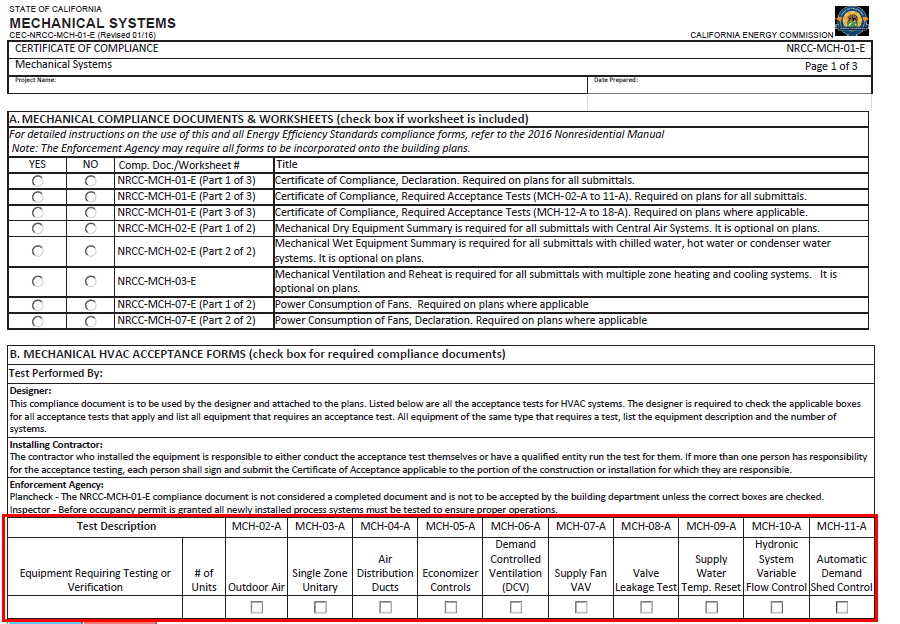
- Mechanical Systems: The Energy Code sets efficiency standards for heating, ventilation, and air conditioning (HVAC) systems. This includes requirements for the efficiency ratings of equipment like furnaces, air conditioners, and heat pumps. Proper system design, duct sealing, and the use of high-efficiency components are paramount.
- Lighting Systems: This aspect of Title 24 is particularly impactful for commercial buildings, mandating efficient lighting controls and fixtures. Requirements often include occupancy sensors, daylighting controls, and the use of high-efficacy lighting technologies such as LEDs. For residential buildings, it influences the types of light fixtures and bulbs that can be installed.
- Water Heating: The code specifies requirements for the efficiency of water heating systems, encouraging the use of high-efficiency units, proper insulation of pipes, and strategies to reduce standby heat loss.
- Renewable Energy: While not always mandatory for every project, Title 24 increasingly encourages or requires the incorporation of renewable energy sources, most notably solar photovoltaic (PV) systems. This has led to a significant surge in solar installations across California, from single-family homes in San Diego to large commercial complexes in Los Angeles.
Part 11: California Green Building Standards Code (CALGreen)
While Part 6 focuses on energy efficiency, Part 11, CALGreen, takes a broader approach to sustainable building. It introduces mandatory green building requirements for new construction and in substantial renovations, covering areas such as water efficiency, material conservation, and indoor environmental quality. Energy efficiency is intrinsically linked to these broader sustainability goals, making CALGreen a complementary and essential part of the overall Title 24 framework.
Evolution and Impact of Title 24
Title 24 is not a static document. It is updated on a triennial cycle by the California Energy Commission (CEC) to reflect advancements in technology, evolving energy goals, and new research. Each update aims to push the envelope further, setting increasingly ambitious energy efficiency targets.
Key Milestones and Amendments
- Early Adoptions: Title 24 was first enacted in 1974, following the energy crisis of the early 1970s. Its initial focus was on basic energy conservation measures.
- The 2005 Update: This update significantly strengthened requirements for residential and nonresidential buildings, particularly in lighting and HVAC.
- The 2013 Update: A landmark update that mandated solar photovoltaic (PV) systems for all newly constructed homes. This was a bold step, making California a pioneer in requiring on-site renewable energy generation for new residential developments.
- The 2016 Update: Further refined existing standards and introduced new requirements for ventilation and overall system efficiency.
- The 2019 Update: Continued the trend of increasing stringency, with a particular emphasis on the performance of building envelopes and the integration of smart home technologies for energy management.
- The 2022 Update: This most recent iteration introduces further advancements, including enhanced requirements for battery storage integration with solar PV systems, stricter efficiency standards for HVAC equipment, and a focus on decarbonization.
Economic and Environmental Benefits
The impact of Title 24 extends far beyond mere compliance. It has demonstrably contributed to:
- Reduced Energy Consumption: California’s energy consumption per capita has been on a downward trend, a significant portion of which can be attributed to Title 24.
- Lower Utility Bills: Homeowners and businesses benefit from reduced energy costs over the lifetime of their buildings. While initial construction costs may be slightly higher due to the advanced technologies and materials required, the long-term savings on energy bills more than compensate.
- Decreased Greenhouse Gas Emissions: By reducing energy demand, Title 24 plays a crucial role in California’s efforts to combat climate change and achieve its ambitious emissions reduction targets.
- Improved Indoor Comfort: Buildings that meet Title 24 standards are often more comfortable. Better insulation, more efficient HVAC systems, and improved air sealing lead to more consistent temperatures and reduced drafts.
- Economic Growth and Job Creation: The demand for energy-efficient building products, technologies, and skilled labor has spurred growth in related industries. This includes manufacturers of high-efficiency windows and insulation, solar panel installers, and energy consultants.
Navigating Title 24 Requirements
Compliance with Title 24 can seem complex, but a systematic approach can make the process manageable. It typically involves several stages:
Design and Planning
- Energy Modeling: For many projects, energy modeling is a critical first step. This involves using specialized software to simulate a building’s energy performance based on its design, materials, and systems. The model helps to identify the most cost-effective ways to meet or exceed Title 24 requirements.
- Consultation with Experts: Engaging architects, engineers, and energy consultants with deep knowledge of Title 24 is highly recommended. They can assist in selecting appropriate materials, designing efficient systems, and navigating the complex calculations and documentation required.
- Permitting: Plans demonstrating compliance with Title 24 must be submitted to local building departments for review and approval as part of the overall building permit process.
Construction and Installation
- Quality Control: Adherence to the specified design and installation practices is crucial. This includes ensuring proper installation of insulation, sealing of air leaks, and correct wiring of lighting controls.
- Third-Party Inspections: Depending on the project and local jurisdiction, third-party inspectors may be required to verify that the building meets the energy efficiency standards outlined in the approved plans.
Verification and Commissioning
- Certificate of Occupancy: Upon successful completion of construction and final inspections, a certificate of occupancy will be issued, confirming that the building meets all applicable codes, including Title 24.
- Performance Verification: For certain aspects of the code, ongoing performance verification may be necessary, particularly for advanced lighting controls and HVAC systems. This might involve a commissioning process where systems are tested and adjusted to ensure they operate as intended and achieve the projected energy savings.
Title 24 and the Future of Sustainable Living
California’s Title 24 is more than just a building code; it’s a visionary blueprint for a sustainable future. As the state continues to push the boundaries of environmental policy, the code is expected to evolve further, incorporating even more ambitious goals.

Emerging Trends and Future Updates
- Decarbonization: Future updates will likely place a stronger emphasis on reducing or eliminating the use of fossil fuels in buildings. This could involve stricter requirements for electric heating and cooking, as well as incentives for building electrification.
- Grid Interactivity: With the increasing adoption of distributed energy resources like solar and battery storage, Title 24 will likely incorporate more requirements for grid-interactive buildings. This will enable buildings to communicate with the grid, optimize energy consumption, and even provide services back to the grid.
- Resilience and Climate Adaptation: As California faces challenges related to climate change, such as extreme heat and wildfires, future updates may incorporate provisions for building resilience, including enhanced cooling strategies and backup power solutions.
- Smart Building Technologies: The integration of smart building technologies will continue to be a focus, enabling more sophisticated energy management and occupant comfort control.
For those looking to build, renovate, or even purchase a property in California, understanding Title 24 is essential. It represents a commitment to efficiency, sustainability, and a higher quality of life. By embracing its principles, individuals and businesses not only comply with the law but also invest in a more environmentally responsible and economically sound future for the Golden State and beyond. The ongoing evolution of Title 24 ensures that California remains a global leader in sustainable building practices.
LifeOutOfTheBox is a participant in the Amazon Services LLC Associates Program, an affiliate advertising program designed to provide a means for sites to earn advertising fees by advertising and linking to Amazon.com. Amazon, the Amazon logo, AmazonSupply, and the AmazonSupply logo are trademarks of Amazon.com, Inc. or its affiliates. As an Amazon Associate we earn affiliate commissions from qualifying purchases.