
California, a state renowned for its diverse landscapes, from sun-drenched beaches to towering mountain ranges, also boasts a rich and fascinating history with its wild inhabitants. Among these, bears have long held a significant place in both the natural world and the cultural consciousness of the Golden State. While the iconic grizzly bear, once a powerful symbol of California, is no longer found in the wild, the state is still home to other bear species, offering unique opportunities for wildlife viewing and ecological appreciation for those who venture into its natural habitats. Understanding which bears roam California today is essential for responsible tourism and a deeper connection with the state’s wild heritage.
The Elusive Legacy of the Grizzly Bear
The California grizzly bear (Ursus arctos californicus) is arguably the most historically significant bear species associated with the state. Its imposing image, a symbol of strength and wildness, was once prominently featured on the California state flag. These magnificent animals, known for their immense size and distinctive shoulder hump, were once widespread throughout California, inhabiting forests, grasslands, and mountain regions. Their presence was integral to the ecological balance of the state’s diverse ecosystems.
A Symbol Lost, But Not Forgotten
The decline of the California grizzly bear population is a somber chapter in the state’s history. The arrival of European settlers, coupled with habitat destruction and hunting, led to a drastic reduction in their numbers. By the early 20th century, the California grizzly bear was considered locally extinct. The last confirmed sighting in the wild was in the San Gabriel Mountains in 1924. Despite their absence from the wild, the spirit of the grizzly bear continues to resonate. Efforts are underway by conservationists to explore the feasibility of reintroducing them to suitable habitats, a testament to their enduring importance. For visitors interested in this history, museums and historical societies across California often feature exhibits and information about these legendary creatures.
The Reigning Bear: The American Black Bear
The primary bear species that visitors and residents are likely to encounter in California today is the American black bear (Ursus americanus). Far more adaptable and widespread than their grizzly cousins, black bears thrive in a variety of California environments, including dense forests, woodlands, and even chaparral. They are found in significant numbers in national parks and forests, as well as in mountainous and more remote rural areas.
Distribution and Habitat
American black bears in California are most commonly found in the Sierra Nevada mountains, including popular destinations like Yosemite National Park and Sequoia National Park. They also inhabit the Klamath Mountains, the Coast Ranges, and the mountainous regions of southern California, such as the San Bernardino Mountains and the San Gabriel Mountains. These bears are opportunistic omnivores, with their diet consisting of berries, nuts, roots, insects, fish, and occasionally small mammals. Their adaptability allows them to thrive in diverse ecosystems, from the tall coniferous forests of the north to the oak woodlands of the central and southern regions.
Identification and Behavior

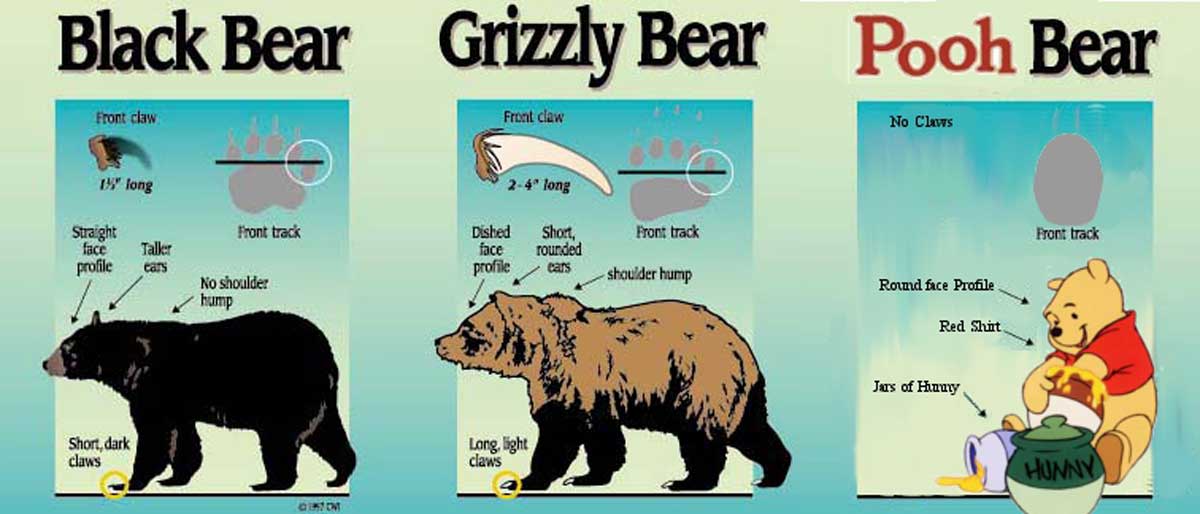
Distinguishing an American black bear from a grizzly is crucial for safety. Despite their name, black bears are not always black; their fur can range from black to brown, cinnamon, and even blonde. The most reliable distinguishing feature is the absence of a prominent shoulder hump, which is characteristic of grizzlies. Black bears also have shorter, more curved claws suited for climbing trees, unlike the long, straight claws of grizzlies used for digging. Generally, black bears are shy and reclusive, preferring to avoid human contact. However, they are also intelligent and curious, and their attraction to human food sources can lead to encounters. Understanding their behavior is key to safe and responsible wildlife viewing.
Responsible Wildlife Viewing and Encounters
Observing bears in their natural habitat is a thrilling aspect of experiencing California’s natural beauty. However, it is paramount to do so responsibly and safely, ensuring the well-being of both humans and the bears. The California Department of Fish and Wildlife provides extensive guidelines for interacting with wildlife, which are essential for anyone planning to visit areas where bears are present.
Safety First: Best Practices for Bear Encounters
When venturing into bear country, preparedness is essential. Always carry bear spray and know how to use it. Make noise while hiking, especially in areas with limited visibility, to avoid surprising a bear. Keep dogs leashed, as they can provoke bears. Store food and scented items properly in bear-resistant containers or in designated lockers at campgrounds. Never feed bears, as this habituates them to humans and can lead to dangerous situations. If you do encounter a bear, remain calm. Do not run, as this can trigger a chase response. Speak in a calm voice and slowly back away, giving the bear plenty of space.
Where to Spot Bears (Responsibly)
National and state parks are excellent locations for observing American black bears, provided visitors adhere to all park regulations and safety guidelines. Yosemite National Park, with its abundant food sources and varied habitats, often sees bear activity. However, it’s important to note that sightings are never guaranteed, and park management prioritizes keeping bears wild and away from developed areas. Other promising locations include Big Basin Redwoods State Park (though currently undergoing restoration after fires, future visits may offer opportunities), Point Reyes National Seashore, and the Los Padres National Forest. Always check with park rangers for the latest information on bear activity and any advisement. The focus should always be on observing from a safe and respectful distance, allowing these animals to maintain their natural behaviors.
Conservation and the Future of Bears in California
The conservation of California’s bear populations is an ongoing effort that requires the participation of both wildlife agencies and the public. The American black bear, while currently not listed as endangered, faces challenges related to habitat fragmentation, human-wildlife conflict, and the impacts of climate change.

Protecting Habitats for Future Generations
Preserving the wild spaces that American black bears call home is crucial. This includes protecting forests, woodlands, and other natural areas from development and degradation. Organizations like the Sierra Club and the Nature Conservancy work on land conservation initiatives that benefit bear habitats. Supporting these organizations and advocating for policies that protect wildlands are vital steps. Furthermore, managing human activities in bear country, such as responsible tourism and land use, plays a significant role in ensuring the long-term survival of these animals. Educating the public about the importance of bears in the ecosystem and fostering a sense of stewardship are key to their continued presence in the Golden State. The hope for the eventual return of the grizzly bear also fuels ongoing research and conservation dialogues, aiming to restore the ecological richness of California’s wild landscapes.
LifeOutOfTheBox is a participant in the Amazon Services LLC Associates Program, an affiliate advertising program designed to provide a means for sites to earn advertising fees by advertising and linking to Amazon.com. Amazon, the Amazon logo, AmazonSupply, and the AmazonSupply logo are trademarks of Amazon.com, Inc. or its affiliates. As an Amazon Associate we earn affiliate commissions from qualifying purchases.