
California, a state synonymous with innovation, natural beauty, and a vibrant cultural tapestry, also presents a complex picture when it comes to homeownership. The dream of owning a piece of the Golden State is a significant aspiration for many, yet the reality is shaped by a multitude of economic, demographic, and geographic factors. Understanding the percentage of Californians who own their homes offers a crucial insight into the state’s economic health, housing market dynamics, and the broader challenges faced by its residents.
The Shifting Landscape of California Homeownership
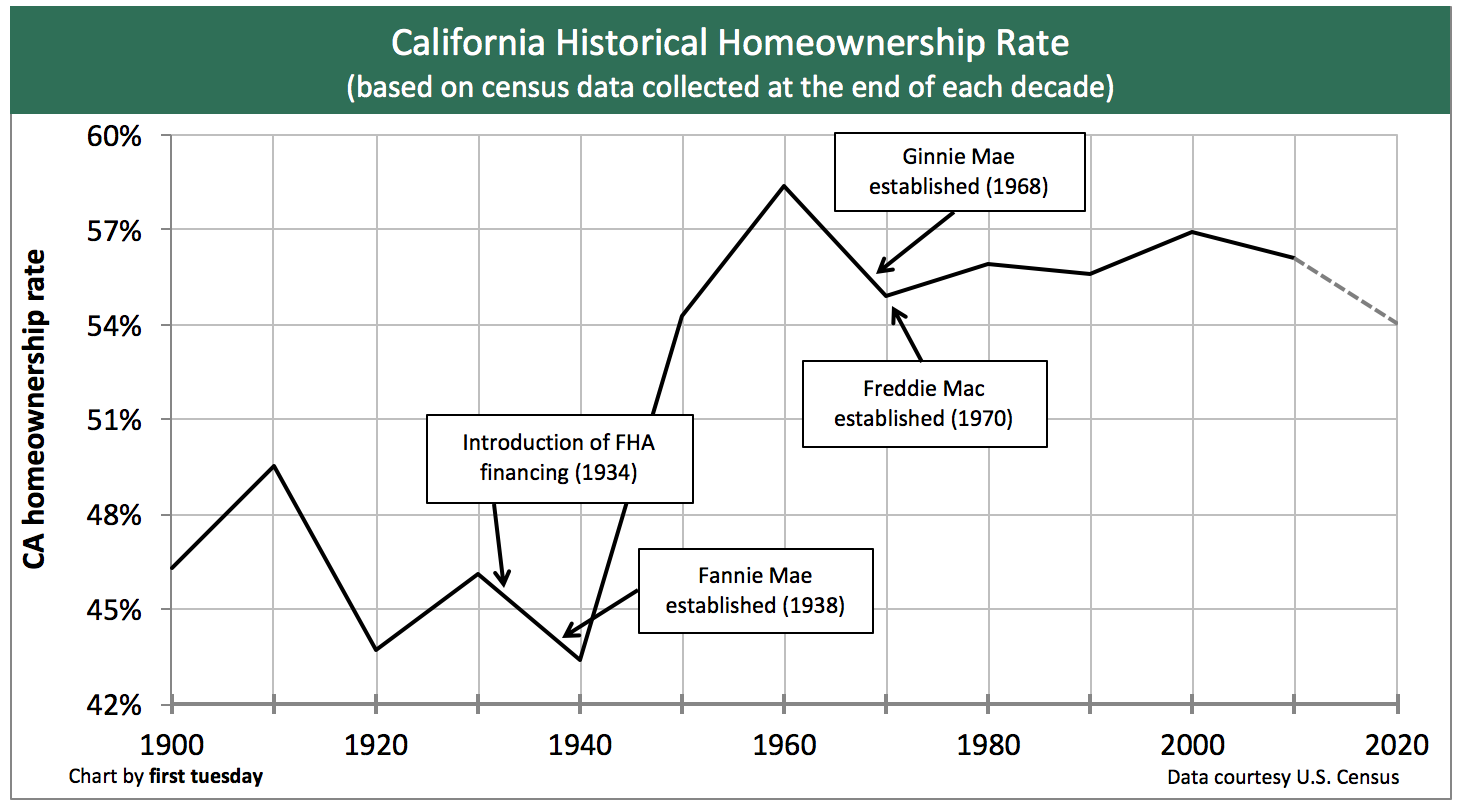
Homeownership rates in California have experienced fluctuations over the years, mirroring national trends while also exhibiting unique regional characteristics. Historically, a robust middle class and accessible housing markets in many parts of the country fueled higher homeownership. However, escalating property values, particularly in desirable coastal cities, have presented significant hurdles for aspiring homeowners. The state’s economic engine, fueled by industries like technology in Silicon Valley and entertainment in Los Angeles, has attracted a diverse population, further intensifying demand for housing.
Factors Influencing Ownership
Several interconnected elements dictate whether a Californian owns their home:
- Income Levels and Affordability: This is arguably the most significant determinant. The median income in California is higher than the national average, but so is the cost of living, especially housing. The disparity between incomes and housing prices creates a substantial affordability gap. For many, the sheer cost of a down payment, coupled with high mortgage payments, places homeownership out of reach.
- Geographic Location: Homeownership rates vary dramatically across the state. Major metropolitan areas like San Francisco, San Diego, and parts of Los Angeles County often have lower ownership percentages due to their exorbitant housing costs. Conversely, more rural areas and inland cities tend to exhibit higher rates, where property values are more manageable.
- Age and Life Stage: Younger individuals and families often face greater challenges in achieving homeownership compared to older generations. The accumulation of wealth through savings and career progression typically takes time. First-time homebuyers often struggle with initial capital requirements, while older residents who have owned homes for decades likely benefited from more favorable market conditions in the past.
- Economic Conditions: Broader economic trends, such as interest rates, employment stability, and overall economic growth, directly impact the housing market. Periods of economic downturn can lead to decreased demand and potentially more affordable housing, but also job insecurity which hinders the ability to secure financing. Conversely, economic booms can drive up prices, making it harder for new buyers to enter the market.
- Policy and Regulation: State and local housing policies, including zoning laws, building regulations, and property taxes, play a role. Efforts to increase housing supply, incentivize affordable housing development, or provide assistance to first-time homebuyers can influence ownership rates over the long term.
Current Homeownership Statistics in California
Pinpointing an exact, static percentage for California homeownership is challenging as data is constantly updated and can vary slightly depending on the source and the specific time period surveyed. However, recent data consistently places California’s homeownership rate below the national average.
National vs. California Trends
Nationally, homeownership rates often hover in the mid-60% range. California, however, has historically lagged behind this figure. This divergence is largely attributed to the state’s unique housing market dynamics, characterized by high demand, limited supply, and escalating prices. While the exact percentage can fluctuate monthly or quarterly, it’s not uncommon to see California’s homeownership rate in the low to mid-50% range, and sometimes even lower in specific metropolitan statistical areas.
The Impact of High Housing Costs
The primary driver behind California’s lower homeownership rate is the sheer cost of housing. Cities like San Francisco and San Jose consistently rank among the most expensive housing markets in the United States. Even a modest starter home in these areas can command a price that requires an exceptionally high income and substantial savings for a down payment. This financial barrier means that a larger proportion of the population in these areas are renters, even those with professional careers.
Challenges and Opportunities for Aspiring California Homeowners

The path to homeownership in California is fraught with challenges, but it is not an insurmountable dream. Understanding these obstacles and the potential opportunities is key for individuals and policymakers alike.
The Affordability Crisis
The affordability crisis in California is a complex issue with deep roots. Decades of underbuilding, restrictive zoning, and high demand have created a severe imbalance between housing supply and population growth. This imbalance naturally drives up prices. The high cost of land, labor, and construction materials further exacerbates the problem, making it difficult and expensive to build new housing.
- Down Payment Hurdles: The most immediate barrier for many is saving for a down payment. In high-cost areas, a 20% down payment on a median-priced home can easily run into hundreds of thousands of dollars, a sum that takes many years to accumulate.
- Mortgage Qualification: Even with a down payment, qualifying for a mortgage can be challenging. Lenders assess a borrower’s debt-to-income ratio, credit score, and income stability. High housing payments relative to income can make mortgage approval difficult.
- Property Taxes and Insurance: Beyond the mortgage, homeowners face ongoing costs such as property taxes, homeowners insurance, and maintenance. These recurring expenses add to the overall financial burden of ownership.
Emerging Opportunities and Solutions
Despite these challenges, several factors and initiatives are working to improve homeownership prospects in California:
- First-Time Homebuyer Programs: Many local and state governments offer programs designed to assist first-time homebuyers. These can include down payment assistance grants, low-interest loans, and mortgage insurance subsidies. Exploring these resources is crucial for those starting their homeownership journey.
- Increased Housing Development: There is a growing recognition of the need to increase housing supply. Policy changes aimed at streamlining the permitting process, encouraging the development of accessory dwelling units (ADUs), and incentivizing the construction of multi-family housing are gradually being implemented. While this is a long-term solution, it holds the promise of moderating price growth and increasing availability.
- The Rise of ADUs and “Granny Flats”: Accessory Dwelling Units (ADUs), often referred to as “granny flats” or in-law units, are becoming an increasingly viable option. These smaller, secondary units on existing properties can offer more affordable housing options and can also be a source of rental income for homeowners. California has been at the forefront of legislation to make ADUs easier to build.
- Focus on Inland Markets: While coastal areas remain prohibitively expensive for many, inland cities and exurban communities within commuting distance of major job centers often offer more accessible housing options. These areas can provide a more attainable entry point into homeownership for those willing to consider locations further from the immediate urban core.
- Innovation in Construction: New construction technologies, such as modular and prefabricated homes, are emerging as potential ways to reduce building costs and timelines, ultimately making new housing more affordable.
The Broader Implications of Homeownership in California
The percentage of Californians who own their homes has significant implications that extend beyond individual financial well-being. It touches upon the state’s economic stability, social equity, and the very fabric of its communities.
Economic Vitality and Wealth Accumulation
Homeownership is a primary vehicle for wealth accumulation for many households. Owning a home allows individuals to build equity over time, which can be a crucial financial resource for retirement, education, or other significant life events. A healthy homeownership rate generally correlates with a more stable middle class and a stronger consumer base, contributing to overall economic vitality. When a large segment of the population is priced out of homeownership, it can lead to increased income inequality and a potential drag on economic growth as disposable income is heavily allocated to rent rather than investment or consumption.
Community Stability and Engagement
Homeowners tend to be more invested in their local communities, both financially and civically. They often have a longer-term perspective on neighborhood development, are more likely to participate in local governance, and contribute to community stability. Lower homeownership rates, particularly in areas with high transient populations, can sometimes lead to less community cohesion and a slower pace of neighborhood improvement.
The Future of California Living
As California continues to evolve, the question of homeownership will remain central. The state’s allure – its natural beauty from the Sierra Nevada to the Pacific Coast Highway, its diverse culture, and its economic opportunities – continues to attract people. However, the ability to secure stable, affordable housing, including the aspiration of homeownership, will be a critical factor in shaping the state’s future demographic landscape and ensuring its continued prosperity and inclusivity. Addressing the housing affordability crisis through a multi-pronged approach, encompassing increased supply, innovative housing solutions, and targeted assistance programs, will be essential to ensuring that the dream of owning a home in California remains accessible to a broader segment of its population. The journey for many Californians to achieve homeownership is a testament to their resilience and determination in one of the nation’s most dynamic and sought-after markets.
LifeOutOfTheBox is a participant in the Amazon Services LLC Associates Program, an affiliate advertising program designed to provide a means for sites to earn advertising fees by advertising and linking to Amazon.com. Amazon, the Amazon logo, AmazonSupply, and the AmazonSupply logo are trademarks of Amazon.com, Inc. or its affiliates. As an Amazon Associate we earn affiliate commissions from qualifying purchases.