
California, often perceived as a staunchly liberal bastion, presents a more nuanced political landscape than its statewide reputation might suggest. While its major metropolitan areas and coastal regions lean heavily Democratic, a significant portion of the state, particularly in its vast inland and southern territories, exhibits a strong Republican or “red” voting preference. Understanding this dichotomy is crucial for anyone seeking a comprehensive view of California’s diverse cultural and political geography.
The Shifting Sands of California Politics
California’s political identity is a complex mosaic, shaped by a confluence of demographic shifts, economic forces, and historical trends. While national narratives often simplify the state into a monolithic “blue” entity, a deeper examination reveals a vibrant, often competitive, political environment. The “redness” of certain areas is not merely a statistical anomaly but a reflection of distinct communities with unique priorities and values.

Defining “Red Voting” in a California Context
In the context of California, “red voting” generally refers to precincts, counties, or regions where a majority of voters cast ballots for Republican candidates in federal, state, and local elections. This often correlates with a higher prevalence of conservative social and fiscal policies among the electorate. However, it’s important to note that the intensity of this “redness” can vary. Some areas are reliably Republican, consistently delivering large margins for the GOP, while others are more competitive, swinging between parties depending on the specific election and candidates involved.
Geographic Distribution of Red Voting Areas
The distribution of “red voting” areas in California is not random. It tends to concentrate in specific geographic and demographic pockets:
- Inland Empire: While parts of the Inland Empire like Riverside and San Bernardino counties have seen increasing diversification and shifts, their more suburban and exurban areas, along with the more rural stretches, have historically shown a stronger Republican leaning. The economic base here, often rooted in manufacturing, logistics, and agriculture, can contribute to different political priorities compared to coastal urban centers.
- Central Valley: This vast agricultural heartland of California, stretching from Kern County in the south to Shasta County in the north, is a significant stronghold for Republican voters. The agrarian lifestyle, emphasis on traditional values, and concerns about water rights, regulations, and agricultural policy often align with the Republican platform. Counties like Fresno, Tulare, and Kern consistently display strong Republican turnout.
- Northern California Exurbs and Rural Areas: Beyond the progressive urban centers of the San Francisco Bay Area and Sacramento, many northern counties exhibit a conservative bent. These areas, often characterized by vast natural landscapes, a more independent spirit, and a focus on industries like timber, mining, and ranching, tend to favor Republican candidates. Counties such as Shasta, Butte, and Placer often demonstrate significant Republican voting patterns.
- Southern California Suburbs and Exurbs: While cities like Los Angeles and San Diego are predominantly Democratic, the sprawling suburban and exurban communities, particularly in the eastern and southern portions of Los Angeles County, Orange County (though this has seen shifts), and San Diego County, have historically been competitive and, in many cases, reliably Republican. These areas often encompass a mix of working-class, middle-class, and affluent communities with diverse economic interests.
Demographics and Cultural Influences on Red Voting
The “red voting” percentages in California are intrinsically linked to demographic compositions and prevailing cultural values. Understanding these factors provides a deeper insight into the state’s political fabric.
The Role of Demographics
Several demographic characteristics are often associated with Republican voting patterns in California:
- Age: Older voters, on average, tend to lean more Republican than younger voters across the nation, and California is no exception. Areas with a higher proportion of retirees or older working populations may exhibit stronger red voting tendencies.
- Ethnicity: While the Republican party has made efforts to court minority voters, certain ethnic groups, particularly some segments of the White population, have historically been more inclined to vote Republican. Conversely, the growing Latino and Asian American populations in California are increasingly diverse in their voting patterns, with significant portions voting Democratic, though pockets of Republican support exist.
- Religion: Individuals who identify as evangelical Christians or adhere to more traditional religious doctrines often exhibit a stronger tendency to vote Republican. Areas with a higher concentration of these religious communities can reflect this in their voting outcomes.
- Education Level: While not a definitive predictor, studies often show a correlation between higher levels of educational attainment and Democratic voting. Conversely, areas with a lower average level of formal education may, in some contexts, lean more Republican, although this is a complex and evolving trend.
- Socioeconomic Status: While wealth can be found in both parties, the traditional Republican platform often resonates with business owners, those concerned about high taxes and extensive regulation, and individuals prioritizing fiscal conservatism. This can manifest in certain affluent suburban or rural communities.
Cultural and Value-Based Alignments
Beyond demographics, shared values and cultural perspectives play a pivotal role:

- Individualism and Self-Reliance: A strong emphasis on personal responsibility, limited government intervention, and free-market principles is a cornerstone of conservative ideology and often finds fertile ground in areas where these values are deeply ingrained.
- Traditional Social Values: Opposition to certain progressive social policies, a focus on traditional family structures, and a more cautious approach to societal change are often characteristic of Republican voters.
- Second Amendment Rights: A strong defense of gun ownership rights is a prominent issue for many Republican voters, particularly in more rural and exurban communities.
- Fiscal Conservatism: Concerns about government spending, taxation, and the national debt are central to the Republican platform and resonate with voters who prioritize fiscal responsibility.
- Law and Order: A focus on stringent law enforcement, harsher penalties for crimes, and a strong stance on public safety often aligns with Republican policies and voter preferences.
Quantifying “Redness”: Understanding the Percentages
Pinpointing an exact, static “percentage of California that is red voting” is a complex endeavor due to several factors:
- Variability by Election: The percentage can fluctuate significantly from one election cycle to the next. Presidential elections often see higher turnout and different voting patterns than midterm or local elections.
- Geographic Granularity: The “redness” can be measured at various levels: by county, by Assembly or Senate district, by Congressional district, or even down to individual precincts. A county might be largely “blue” overall but contain significant “red” voting precincts, and vice versa.
- Definition of “Red”: While generally meaning Republican, the margin of victory matters. A 51% Republican vote is “red,” but so is a 70% vote. The intensity of “redness” varies.
- Voter Registration vs. Actual Voting: Voter registration data can indicate party affiliation, but actual turnout and how individuals vote on election day can differ.
Examining County-Level Data
One of the most common ways to visualize the political leanings of California is through county-level data. While California as a whole is a Democratic state, a significant number of its 58 counties consistently vote Republican.
- Consistently Red Counties: Numerous counties, particularly in the northern and central parts of the state, are reliably Republican. These often include counties like Modoc, Lassen, Siskiyou, Plumas, Nevada, and many in the Central Valley. In these areas, Republican candidates can often win with margins of 20-30 percentage points or more.
- Competitive Counties: Other counties, often found in the Inland Empire or more rural parts of Southern California, can be swing counties, where the outcome is less certain and can depend on the specific election.
- Blue Counties with Red Pockets: Conversely, even in overwhelmingly Democratic counties like Los Angeles or San Francisco, there are often conservative-leaning suburban or outer-lying precincts that vote Republican.
Precinct-Level Nuances
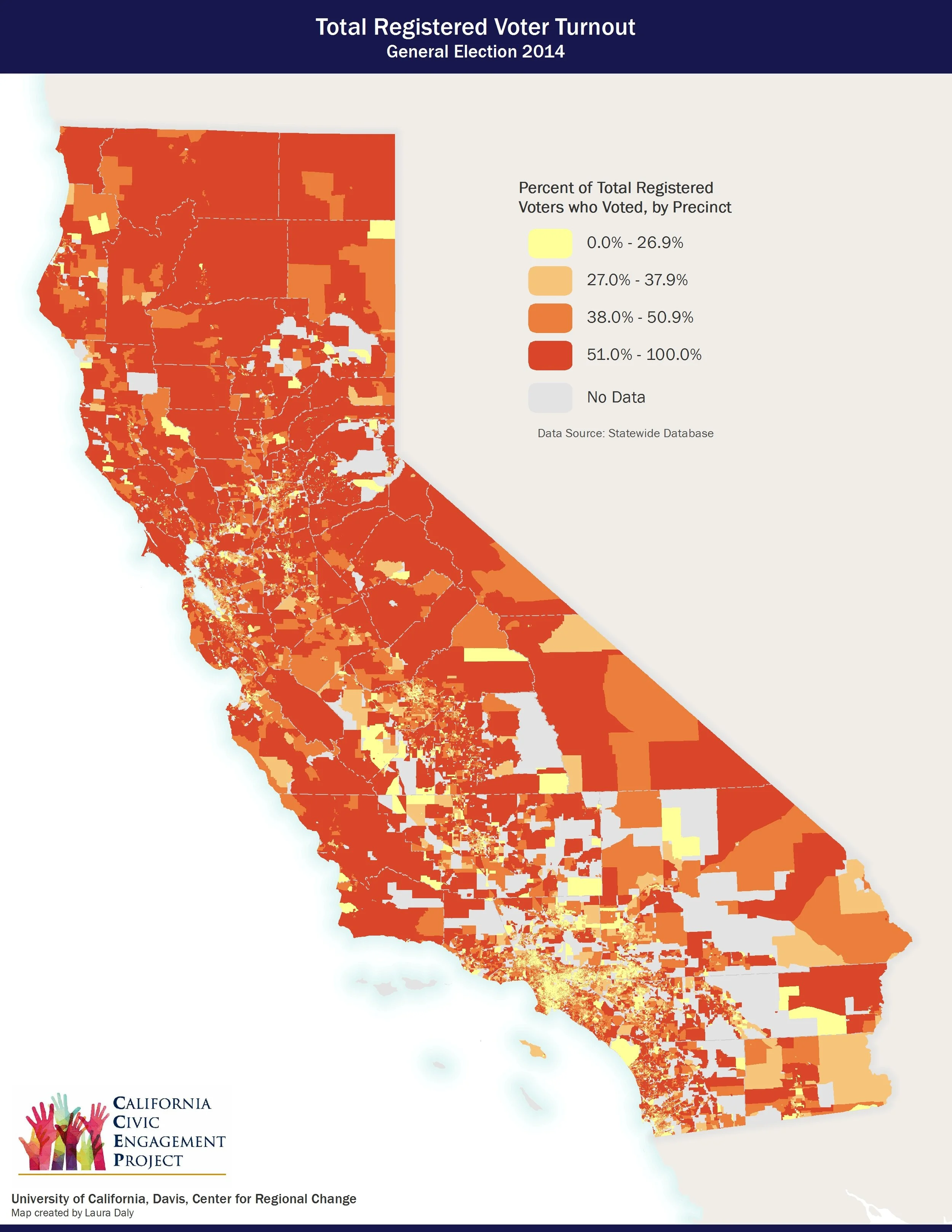
For a more granular understanding, precinct-level data reveals the intricate political geography of California. Analyzing voting patterns at this micro-level uncovers the fact that political affiliation is not a monolith even within a single city or town. This granular perspective is crucial for understanding local politics, community organizing, and targeted campaign strategies.
The Future of Red Voting in California
California’s political landscape is dynamic and subject to ongoing change. The “red voting” percentages are influenced by evolving demographics, economic conditions, and the effectiveness of political parties in engaging diverse communities.
Demographic Shifts and Their Impact
As California continues to diversify, the traditional bases of both parties are being tested. The growing Latino and Asian American populations, while not monolithic in their voting habits, represent crucial constituencies whose allegiances can shift the political balance. Similarly, the influx of new residents and the changing economic landscape of various regions can influence voting patterns.
Political Strategy and Engagement
The Republican Party in California faces the challenge of adapting its message and strategies to appeal to a broader electorate. This involves engaging with diverse communities, addressing issues that resonate across different demographic groups, and finding common ground on key policy areas. Conversely, the Democratic Party must ensure it maintains its hold on its base while also appealing to the more moderate and conservative elements within the state.
The Enduring Significance of Regional Identity
Despite statewide trends, regional identities and local concerns remain powerful drivers of political behavior. The distinct cultures and economies of Northern California, Southern California, the Central Valley, and the Inland Empire contribute to persistent differences in voting patterns. Understanding these regional nuances is key to appreciating the full spectrum of political expression within the Golden State. Ultimately, while California may be known for its progressive politics, the “red voting” percentages reveal a more complex, diverse, and perpetually evolving political tapestry.
LifeOutOfTheBox is a participant in the Amazon Services LLC Associates Program, an affiliate advertising program designed to provide a means for sites to earn advertising fees by advertising and linking to Amazon.com. Amazon, the Amazon logo, AmazonSupply, and the AmazonSupply logo are trademarks of Amazon.com, Inc. or its affiliates. As an Amazon Associate we earn affiliate commissions from qualifying purchases.