
The Golden State, renowned for its sun-drenched beaches, towering redwoods, and vibrant cities, has long been a coveted destination for travelers seeking diverse experiences. From the theme parks of Anaheim to the vineyards of Napa Valley, California offers an unparalleled range of attractions. However, a shadow has been cast over the state’s allure, impacting not only residents but also the very fabric of its tourism industry. The escalating crisis in California home insurance is creating ripples that extend far beyond the property market, touching upon the viability of stays, the cost of vacations, and the overall accessibility of experiencing the state’s unique charm.
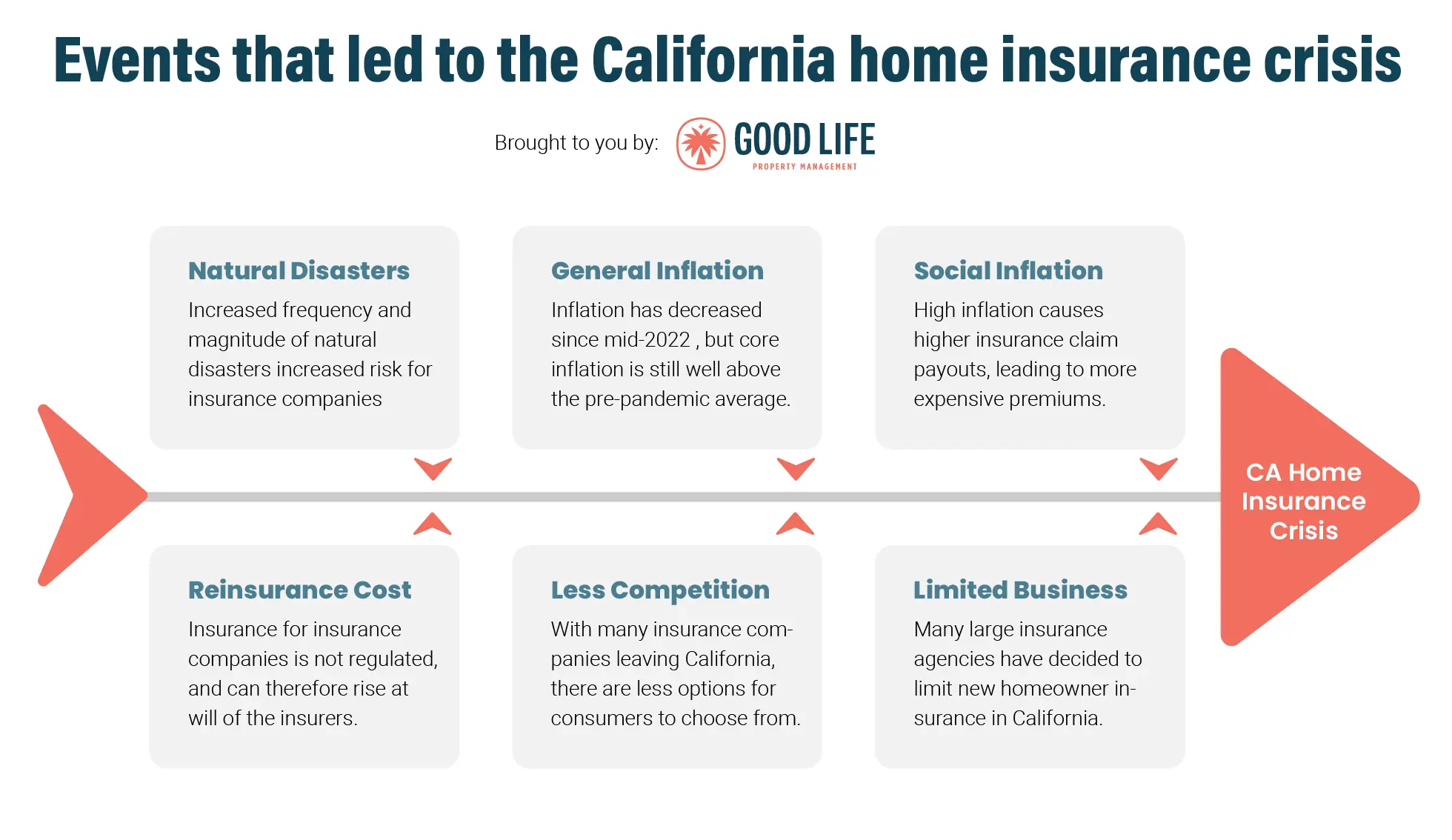
The Looming Shadow: Why California Home Insurance is in Crisis
The availability and affordability of home insurance in California have reached a critical juncture. This multifaceted problem stems from a confluence of escalating risks and systemic issues that have left many insurers hesitant to offer coverage, or at the very least, dramatically increasing premiums. For potential visitors looking to book accommodations, whether a charming bed and breakfast in Sonoma or a luxury villa in Malibu, understanding these insurance dynamics is crucial, as they indirectly influence the cost and availability of their desired stays.
The Wildfire Factor: A Burning Concern
The most prominent driver of the insurance crisis is the escalating frequency and intensity of wildfires that plague California. In recent years, devastating fire seasons have become the norm, leading to catastrophic property losses for insurance companies. These events are not isolated incidents; they are a recurring, predictable threat that has fundamentally altered the risk landscape.
- Increased Risk of Catastrophic Losses: Wildfires, exacerbated by climate change, drought conditions, and dense vegetation, can sweep through vast areas with little warning, destroying thousands of homes and businesses. For insurers, this translates into immense payouts for claims.
- Reinsurance Costs: Insurance companies themselves rely on reinsurers to spread their risk. As wildfire losses mount, reinsurers are demanding higher premiums from primary insurers, further driving up the cost of policies.
- Geographic Concentration of Risk: Certain areas of California, particularly those bordering wildlands, are now considered exceptionally high-risk. Insurers are increasingly unwilling to underwrite properties in these zones, leading to widespread non-renewals and a scarcity of new policies.
Climate Change and its Cascading Effects
Beyond direct wildfire impacts, the broader effects of climate change are compounding the insurance challenges.
- Drought and Vegetation: Prolonged periods of drought dry out vegetation, creating highly flammable conditions that fuel more intense fires.
- Extreme Weather Events: While wildfires are paramount, California is also susceptible to other extreme weather events, such as severe storms and mudslides, which can cause significant damage and increase insurance claims.
- Rising Reconstruction Costs: The cost of rebuilding homes after disasters has also surged due to inflation, supply chain issues, and the increased demand for construction services in affected areas. This means that even if a home is insured, the coverage limit may no longer be sufficient to fully reconstruct it.
Regulatory and Market Dynamics
The insurance market itself is not without its complexities, and California‘s regulatory environment plays a significant role.
- Rate Suppression: Historically, California has had regulations that limit how much insurers can raise premiums. While intended to protect consumers, this has, in some instances, prevented insurers from adequately pricing risk, leading to financial instability when major losses occur.
- Insurers Retreating from the Market: In response to mounting losses and regulatory constraints, several major insurance companies have announced moratoriums on new policies or have withdrawn from the California market altogether. This reduces competition and limits options for homeowners, driving up prices for the remaining available coverage.
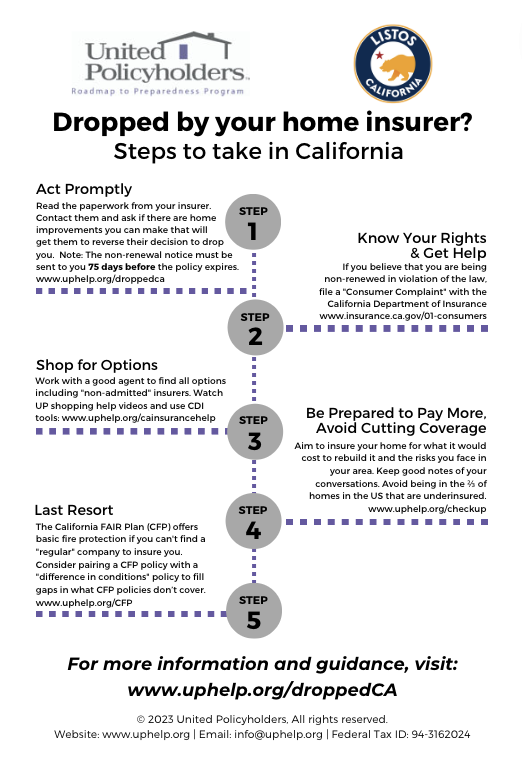
- Rise of the FAIR Plan: As private insurers retreat, the California FAIR Plan (Fair Access to Insurance Requirements) has become a last resort for many homeowners in high-risk areas. However, FAIR Plan policies are typically more expensive, offer less comprehensive coverage, and are designed as a temporary solution, not a long-term one.
The Impact on Travel and Tourism
The home insurance crisis in California has profound implications for the travel and tourism sector, impacting everything from booking luxury resorts to finding affordable vacation rentals. While not a direct travel expense, the stability and affordability of the underlying infrastructure are indirectly affected.
Availability and Cost of Accommodation
- Vacation Rentals: Many vacation rental owners, particularly those with properties in fire-prone or coastal regions, are finding it increasingly difficult and expensive to obtain adequate insurance. This can lead to higher rental rates for consumers, fewer available properties, or even owners taking their properties off the market entirely to avoid the insurance burden. For instance, a charming cottage in Big Sur might see its nightly rate surge due to the owner’s need to cover inflated insurance costs.
- Hotels and Resorts: While larger hotels and resorts often have established insurance programs, the overall market instability can still lead to increased operational costs. These costs can be passed on to travelers in the form of higher room rates or resort fees. Destinations heavily reliant on tourism, such as Lake Tahoe or the Palm Springs area, could experience a slowdown if accommodation becomes prohibitively expensive.
- Impact on Small Businesses: Small, independent accommodations, like family-run inns in towns like Carmel-by-the-Sea, are often the most vulnerable. They may struggle to afford the rising insurance premiums, potentially forcing them to reduce services, increase prices, or even close down, diminishing the unique character of California‘s tourism landscape.
Insurance as a Factor in Travel Planning
Travelers may need to factor insurance-related dynamics into their planning.
- Reduced Options in High-Risk Areas: Travelers seeking accommodations in areas historically prone to wildfires or coastal erosion might find fewer options available or notice that prices have significantly increased. Destinations like the Santa Barbara wine country or coastal communities along the Pacific Coast Highway could be more affected.
- Understanding Booking Platforms: Booking platforms that aggregate vacation rentals may see fewer listings in certain areas, or the listed prices might reflect the increased operational costs borne by the property owners due to insurance.
- The “Uninsurable” Destination: In extreme cases, the insurance crisis could render certain areas effectively “uninsurable” for lodging providers, leading to a significant reduction in available tourist accommodations and impacting the economic vitality of those communities.
Navigating the Insurance Landscape: What Travelers Should Know
While travelers are not directly purchasing home insurance, being aware of the underlying issues can provide a more comprehensive understanding of California‘s travel market.
Factors Influencing Your Accommodation Choices
- Location Matters: Be aware that properties in areas known for higher insurance risks (wildfire zones, coastal erosion areas) might have fewer options and potentially higher prices. Researching the general risk profile of your desired California destination can be insightful.
- Direct Communication with Hosts: For vacation rentals, don’t hesitate to communicate with hosts about any potential concerns or ask about the property’s insurance status if you have specific worries. This is less common for established hotels but can be relevant for unique or smaller establishments.
- Booking Flexibility: Having some flexibility in your travel dates or preferred accommodation type might be beneficial, especially if certain areas are experiencing a temporary shortage due to insurance challenges.
The Broader Economic Ripple Effect
The insurance crisis is not just about homeowners; it’s about the economic stability of communities.
- Local Economies: Communities heavily reliant on tourism, such as Yosemite Valley or the coastal towns of San Diego County, can suffer if visitor numbers decline due to rising accommodation costs or reduced availability.
- Infrastructure Investment: A stable insurance market is essential for attracting investment in tourism infrastructure, including hotels, attractions, and transportation. The current climate can deter such investments.
- Long-Term Viability of Destinations: The long-term viability of certain California destinations hinges on their ability to remain attractive and accessible to tourists. The insurance crisis poses a threat to this accessibility.
Looking Ahead: Potential Solutions and the Future of California Tourism
The home insurance crisis in California is a complex challenge with no easy solutions. However, various stakeholders are exploring avenues to mitigate the impact and ensure the state remains a vibrant destination.
Policy and Regulatory Reforms
- Modernizing Insurance Regulations: There is ongoing debate about reforming California‘s insurance regulations to allow insurers to better reflect risk in their pricing while still protecting consumers.
- Incentivizing Risk Reduction: Implementing policies that incentivize homeowners and communities to undertake fire-mitigation measures, such as creating defensible space, using fire-resistant building materials, and improving community-level wildfire preparedness, is crucial.
- State-Backed Solutions: Discussions are underway about potential state-backed insurance solutions or mechanisms to provide more stable coverage options, particularly in high-risk areas.

Innovative Approaches and Investments
- Resilience and Adaptation: Investing in resilient infrastructure and community adaptation strategies can help reduce the impact of natural disasters. This includes improved forest management, early warning systems, and building codes that account for climate risks.
- Private Sector Innovation: Encouraging innovation within the insurance sector, such as parametric insurance or new modeling techniques, could help create more sustainable and affordable insurance products.
- Sustainable Tourism Practices: As the state grapples with environmental challenges, promoting sustainable tourism practices that minimize environmental impact and support local economies becomes even more important. This can include encouraging off-season travel or promoting less crowded destinations.
The future of California home insurance is intrinsically linked to the future of its tourism industry. While the challenges are significant, a concerted effort involving policymakers, insurers, communities, and the tourism sector can help navigate this crisis, ensuring that the allure of the Golden State remains accessible for generations of travelers to come, from the bustling streets of Los Angeles to the serene landscapes of Death Valley National Park.
LifeOutOfTheBox is a participant in the Amazon Services LLC Associates Program, an affiliate advertising program designed to provide a means for sites to earn advertising fees by advertising and linking to Amazon.com. Amazon, the Amazon logo, AmazonSupply, and the AmazonSupply logo are trademarks of Amazon.com, Inc. or its affiliates. As an Amazon Associate we earn affiliate commissions from qualifying purchases.