
Navigating the landscape of tenant rights in California can feel complex, especially for those new to renting or relocating within the state. Understanding your rights as a tenant is crucial for a stable and fair housing experience. From lease agreements to habitability standards and eviction procedures, California has a robust legal framework designed to protect renters. This guide delves into the essential rights every tenant in California should be aware of, ensuring you can live comfortably and securely in your rented accommodation.
The Foundation: Lease Agreements and Rent
The lease agreement is the cornerstone of the landlord-tenant relationship in California. It’s a legally binding contract outlining the terms and conditions of your rental.
Types of Leases
- Fixed-Term Lease: This type of lease specifies a set duration, such as one year. Rent typically cannot be increased, and you generally cannot break the lease without penalty unless the lease includes specific provisions for early termination or the landlord breaches the contract.
- Month-to-Month Tenancy: In a month-to-month agreement, the lease automatically renews each month until either the landlord or tenant gives proper written notice to terminate. Landlords can increase rent with proper notice, usually 30 days, though local rent control ordinances may impose different requirements.
Rent Increases
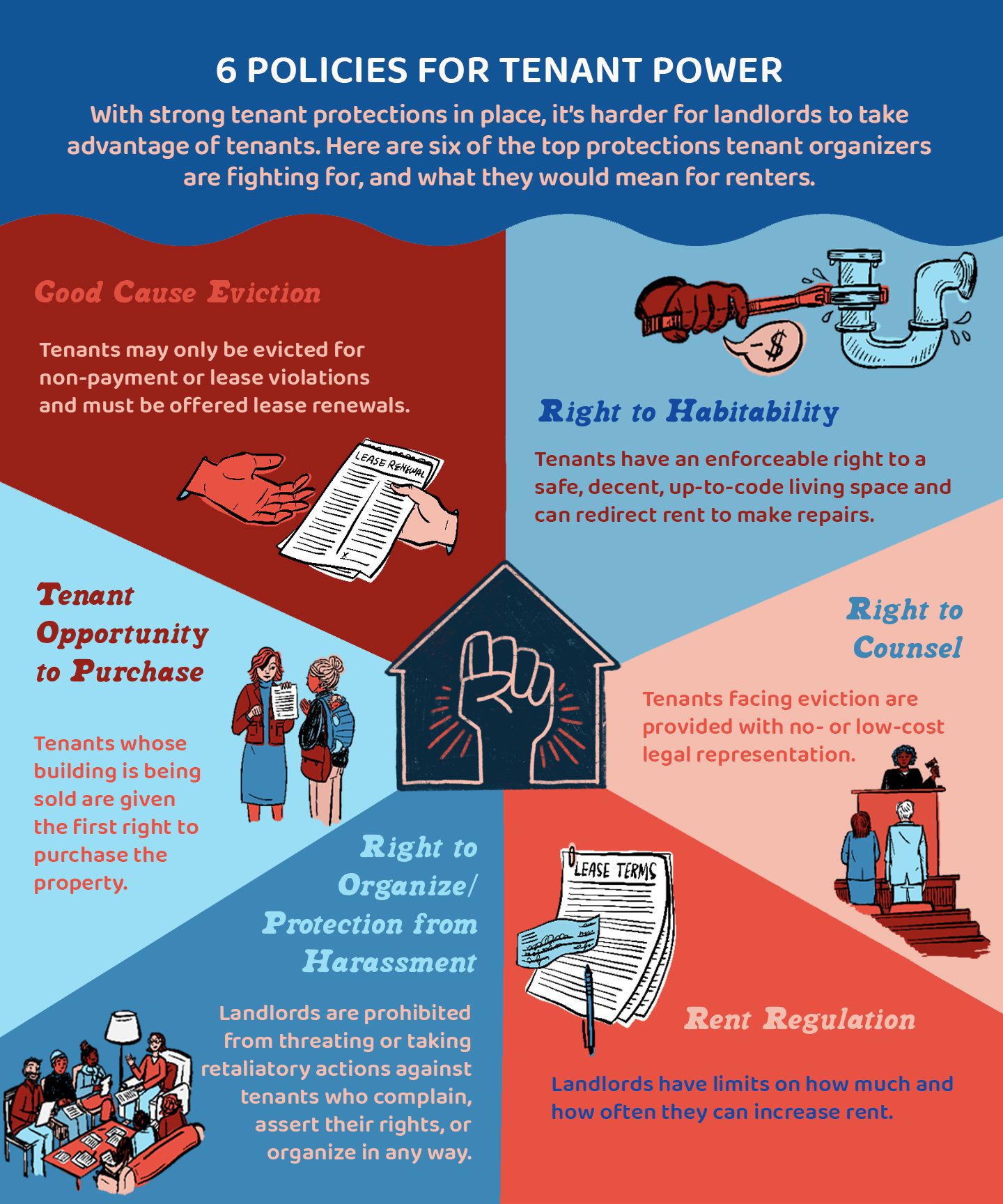
In many parts of California, rent increases are regulated by local rent control ordinances. These ordinances often limit the amount by which rent can be raised annually and may require landlords to have a “just cause” for increasing rent. Even in areas without strict rent control, landlords must provide written notice of any rent increase. The required notice period is typically 30 days for an increase of 10% or less, and 60 days for an increase of more than 10%.
Late Fees and Rent Payments
Lease agreements often stipulate consequences for late rent payments. However, these late fees must be “reasonable” and are often subject to local regulations. A landlord cannot charge a late fee if rent is only a few days late, and the fee should not be punitive. Tenants have the right to pay rent without facing undue harassment or penalties for minor delays, provided the lease terms are met.
Security Deposits
Landlords in California can collect a security deposit, but there are limits on the amount they can charge. For unfurnished units, the maximum security deposit is two months’ rent. For furnished units, it can be up to three months’ rent. Landlords must return the security deposit, minus any lawful deductions for damages beyond normal wear and tear or unpaid rent, within 21 days of the tenant vacating the property. They must also provide an itemized statement of deductions.
Habitability and Repairs: Your Right to a Safe Home
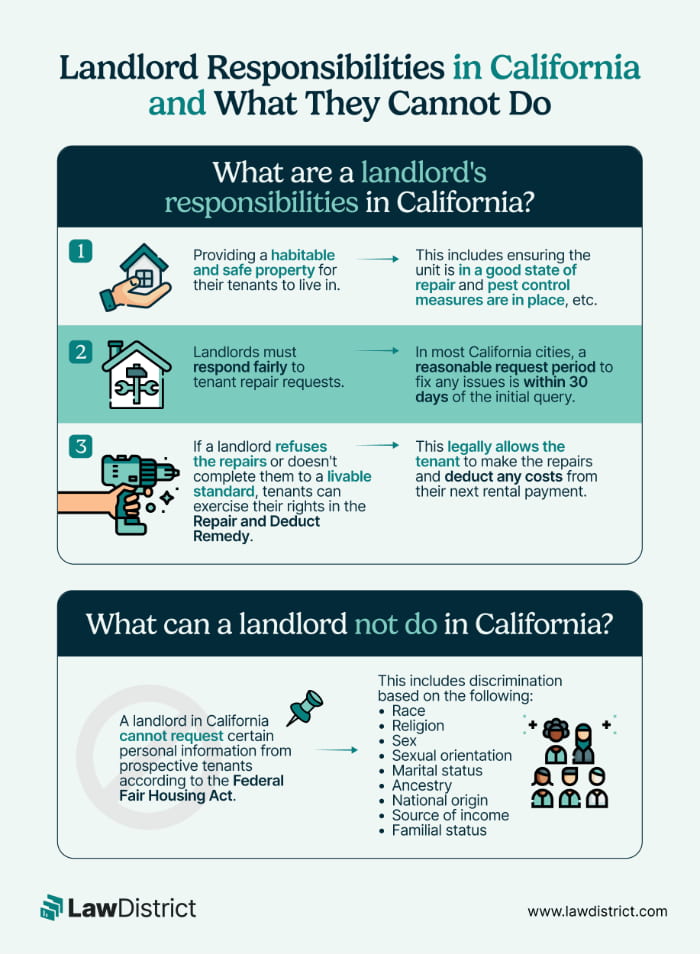
A fundamental right for all tenants in California is the right to a habitable living environment. This means the landlord must maintain the rental property in a safe and livable condition.
Implied Warranty of Habitability
This legal doctrine, codified in California Civil Code Section 1941.1, requires landlords to provide and maintain properties in a condition that meets basic health and safety standards. This includes:
- Waterproofing and Weather Protection: The roof, walls, windows, and doors must be in good repair and prevent water intrusion and extreme weather conditions.
- Plumbing and Gas Facilities: The plumbing must be adequate, safe, and clean, with hot and cold running water. Gas pipes and fittings must be in good working order.
- Heating Facilities: Adequate heating facilities must be provided and maintained in good working order, especially during colder months.
- Electrical Lighting, Wiring, and Outlets: The electrical system must be safe and functioning, providing adequate lighting and outlets.
- Grounds and Buildings Cleanliness: The premises, including common areas, must be kept clean and free from rubbish, vermin, and rodents.
- Adequate Garbage Receptacles: Enough garbage cans must be provided and maintained in clean condition and good repair.
- Structural Integrity: Floors, stairways, and railings must be maintained in good repair.
Landlord’s Duty to Repair
If a landlord fails to make necessary repairs to maintain habitability after receiving written notice from the tenant, tenants have several options. These options, however, must be followed precisely to avoid jeopardizing your tenant status.
- Notice to the Landlord: The first step is always to notify the landlord in writing about the needed repairs. Keep a copy of this notice for your records.
- “Repair and Deduct”: If the landlord fails to make repairs within a reasonable time (often considered 30 days, but can be shorter for essential services like heat or water), and the cost of the repair is not excessive (generally no more than one month’s rent), a tenant may be able to pay for the repair themselves and deduct the cost from their next rent payment. This remedy has strict limitations and requirements.
- Withholding Rent: In some serious cases where the landlord has been properly notified and has failed to act, tenants may have the right to withhold rent. However, this is a risky strategy, and it’s highly advisable to seek legal counsel before withholding rent, as it can lead to eviction if not done correctly.
- Reporting to Authorities: Tenants can also report violations of building and housing codes to local health or building departments. These agencies can inspect the property and order the landlord to make repairs.
Privacy and Entry: Your Right to Quiet Enjoyment
Tenants have a right to “quiet enjoyment” of their rental property, which includes the right to privacy. Landlords cannot enter your unit whenever they please.
Landlord’s Right to Enter
A landlord has a legal right to enter a rental unit for specific reasons, but they must provide reasonable written notice to the tenant beforehand. Typically, “reasonable notice” is considered 24 hours. Permissible reasons for entry include:
- Making necessary or agreed-upon repairs, decorations, or alterations.
- Supplying necessary or agreed-upon services.
- Showing the unit to prospective tenants, purchasers, or mortgagees.
- In case of emergency (e.g., fire, flood, gas leak), the landlord may enter without notice.
Tenant’s Right to Privacy
Unless it’s an emergency, a landlord must give you proper notice before entering your home. You are not obligated to allow entry if the landlord has not provided adequate notice or is entering for reasons not permitted by law. If a landlord repeatedly violates your privacy rights, you may have legal recourse.
Discrimination and Fair Housing
California law prohibits discrimination in housing based on several protected characteristics. This ensures that all individuals have equal access to housing opportunities.
Protected Classes
Under the California Fair Employment and Housing Act (FEHA) and federal law, it is illegal for landlords to discriminate against tenants based on:
- Race
- Color
- Religion
- Sex (including gender identity and sexual orientation)
- Marital Status
- National Origin
- Ancestry
- Familial Status (having children)
- Disability
- Source of Income (in some jurisdictions, this may include receiving housing assistance)
What Constitutes Discrimination
Discrimination can manifest in various ways, including:
- Refusing to rent to someone.
- Setting different terms, conditions, or privileges for rental.
- Advertising housing in a discriminatory way.
- Harassing a tenant.
- Evicting a tenant because of their protected characteristic.
If you believe you have experienced housing discrimination, you can file a complaint with the California Department of Fair Employment and Housing.
Eviction Procedures: What Landlords Must Follow
Eviction, or “unlawful detainer” in legal terms, is a serious process that landlords must follow strictly. Tenants have specific rights during an eviction.
Legal Cause for Eviction
In many cities and counties with rent control in California, landlords must have a legally recognized “just cause” to evict a tenant, even if the lease has expired. Common just causes include:
- Failure to pay rent.
- Breach of a material lease term.
- Nuisance or waste on the property.
- Landlord or their family member moving into the unit.
- Substantial rehabilitation or demolition of the property.
Notice Requirements
Before a landlord can file an eviction lawsuit, they must serve the tenant with a proper written notice. The type of notice and the required time frame depend on the reason for eviction:
- Three-Day Notice to Pay Rent or Quit: For non-payment of rent.
- Three-Day Notice to Cure or Quit: For tenants who have violated lease terms (e.g., unauthorized pets, illegal activity). The tenant may have the option to “cure” the violation.
- 30-Day or 60-Day Notice to Quit: For no-cause evictions in areas without just cause protections or for specific just causes that do not involve tenant fault (e.g., owner move-in, substantial renovations). The notice period depends on how long the tenant has lived in the unit.
The Eviction Lawsuit
If a tenant does not comply with the notice, the landlord can file an unlawful detainer lawsuit. The tenant has the right to respond to the lawsuit and present a defense in court. It is crucial for tenants facing eviction to seek legal advice immediately, as failing to respond within the strict legal deadlines can result in a default judgment against them.

Tenant Resources and Further Information
Understanding these rights empowers tenants to assert their legal protections and maintain a positive rental experience. For more detailed information and assistance, several resources are available:
- Local Tenant Unions and Advocacy Groups: Many cities have organizations dedicated to tenant rights that offer free or low-cost advice and support.
- Legal Aid Societies: These organizations provide legal services to low-income individuals.
- California Department of Consumer Affairs: Offers resources on landlord-tenant laws.
- Local Bar Associations: Can provide referrals to attorneys specializing in landlord-tenant law.
By staying informed and proactive, tenants in California can ensure their rights are respected and their homes are safe and secure.
LifeOutOfTheBox is a participant in the Amazon Services LLC Associates Program, an affiliate advertising program designed to provide a means for sites to earn advertising fees by advertising and linking to Amazon.com. Amazon, the Amazon logo, AmazonSupply, and the AmazonSupply logo are trademarks of Amazon.com, Inc. or its affiliates. As an Amazon Associate we earn affiliate commissions from qualifying purchases.