
Navigating California’s Time Zones: A Traveler’s Essential Guide
As a vast and geographically diverse state, California presents a unique consideration for travelers: its time zones. While much of the contiguous United States operates on a single, easily understood time, California, due to its sheer east-to-west expanse, falls under a single official time zone. However, understanding this, and how it interacts with travel plans, is crucial for a seamless experience. This guide aims to demystify California’s temporal landscape for visitors, ensuring you’re always on time for your adventures.
Understanding Pacific Standard Time (PST) and Pacific Daylight Time (PDT)
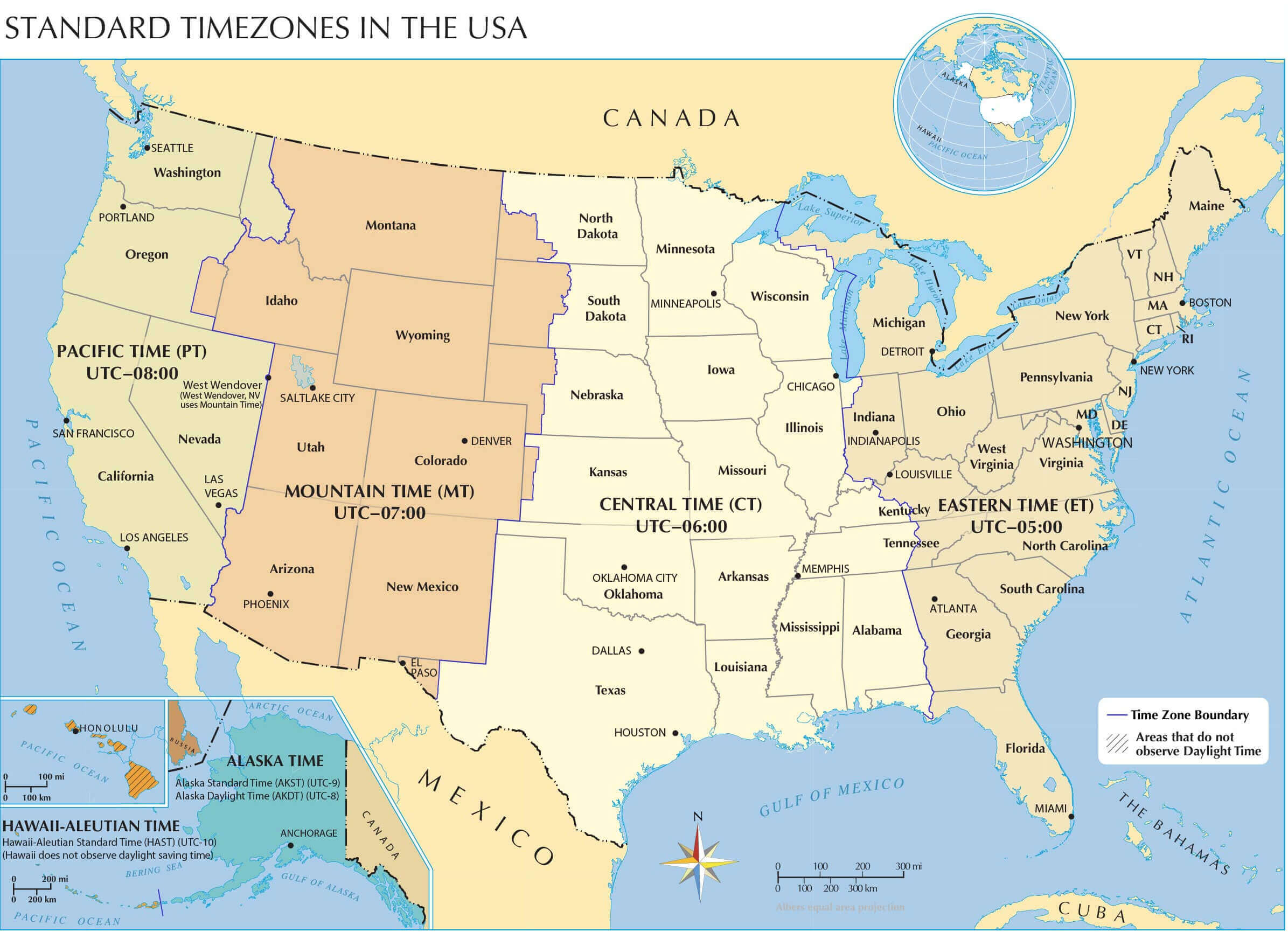
California officially observes the Pacific Time Zone. This zone is one of the four major time zones in North America, and it primarily covers the westernmost parts of the United States and Canada. For the majority of the year, California operates on Pacific Standard Time (PST), which is UTC-8. However, during the warmer months, from the second Sunday in March to the first Sunday in November, the state (along with most of the United States) observes Daylight Saving Time. This shifts the time forward by one hour, resulting in Pacific Daylight Time (PDT), which is UTC-7.
This biannual shift is a critical factor for travelers, especially those coordinating flights, hotel check-ins, or connecting with local contacts. For instance, if you’re flying from New York (Eastern Time Zone, UTC-5/UTC-4) to Los Angeles (Pacific Time Zone, UTC-8/UTC-7), you’ll always gain three hours when traveling west. Conversely, a return journey east will mean losing those three hours. It’s a simple arithmetic that can easily trip up the uninitiated, leading to missed appointments or premature arrivals.
The Impact of Time Zones on Travel Itineraries
The consistent observance of PST/PDT across the entire state of California simplifies planning within the state itself. Unlike some larger countries where multiple time zones can create significant logistical challenges, in California, a 9 AM meeting in San Diego is indeed 9 AM in Sacramento. This uniformity within the state is a significant advantage for itinerary planning.
However, the interaction with other time zones remains paramount.
Coordinating Flights and Travel
When booking flights into or out of California, always pay close attention to the departure and arrival times listed in the local time of each city. A flight departing Chicago at 2:00 PM Central Time (CT) will arrive in San Francisco at 4:00 PM Pacific Time (PT), assuming no delays. This means the flight duration is approximately 4 hours, but the clock has advanced by only 2 hours due to the time difference. Understanding this difference is vital for booking connecting flights, arranging airport pickups, or simply managing your expectations about when you’ll reach your destination.
Hotel Bookings and Check-in/Check-out
Similarly, hotel reservations in California adhere to the local Pacific Time Zone. Standard check-in times, often around 3:00 PM PST/PDT, mean that 3:00 PM in Los Angeles is the critical time, not 3:00 PM in your home time zone. If you’re arriving from a distant location, especially one with a significant time difference, consider whether you might need to book an early check-in or a room for the preceding night to ensure immediate access to your accommodation after a long journey.
Activities and Tours

Many of California’s iconic attractions and tours operate on strict schedules. Whether it’s a guided tour of Yosemite National Park, a wine tasting in the Napa Valley, or a visit to the Griffith Observatory in Los Angeles, all timings will be listed in PST/PDT. Arriving late for a booked activity can result in forfeiture of your reservation and any associated payments. It’s advisable to plan your travel to the activity location with ample buffer time, factoring in potential traffic delays, especially in major metropolitan areas like Los Angeles or the San Francisco Bay Area.
Staying Current: Resources for Real-Time Information
In today’s connected world, staying updated on the current time in California is straightforward.
Digital Devices and Online Resources
Your smartphone, laptop, and most modern digital watches automatically adjust to the correct time zone when connected to the internet or cellular networks. For quick verification, a simple internet search for “time in California” will provide the current PST/PDT with high accuracy. Many travel booking websites also display arrival and departure times in the local time of the destination.
Local Assistance
Upon arrival in California, hotel concierges, airport information desks, and local residents can also provide immediate assistance with time-related queries. It’s always a good practice to confirm the local time upon landing, especially if your device hasn’t synced correctly.
Beyond the Clock: Cultural Considerations of Time in California
While the technical aspect of time zones is critical for logistics, it’s also worth noting that the perception and management of time can vary subtly across different regions and cultures, even within California.
Punctuality in Business and Social Settings
In business contexts, punctuality is generally highly valued across California. Arriving on time for meetings at a San Francisco tech company or a Silicon Valley venture capital firm is expected. Similarly, for more formal social engagements, being punctual is appreciated.
Relaxed Pace in Leisure and Coastal Areas
Conversely, in more laid-back, coastal communities or during informal social gatherings, there might be a slightly more relaxed approach to strict punctuality. While not an excuse for lateness, a few minutes past the scheduled time might be more socially acceptable than in a high-pressure business environment. This is not to say that Californians are habitually late, but rather that the cultural nuances of time can influence social expectations. For a tourist, it’s always safest to err on the side of promptness.
Maximizing Your California Experience
Understanding California’s time zone is more than just knowing the hour; it’s an integral part of a well-planned and enjoyable trip. By staying informed about PST/PDT, its seasonal changes, and how it interacts with your travel plans, you can avoid unnecessary stress and maximize your time exploring the Golden State’s incredible diversity. From the bustling streets of Los Angeles to the serene beauty of the Sierra Nevada, a clear grasp of time will help you savor every moment of your Californian adventure. So, whether you’re heading to the theme parks of Anaheim, the vineyards of Sonoma, or the iconic beaches of Malibu, ensure your watch is set correctly, and embrace the California time.
LifeOutOfTheBox is a participant in the Amazon Services LLC Associates Program, an affiliate advertising program designed to provide a means for sites to earn advertising fees by advertising and linking to Amazon.com. Amazon, the Amazon logo, AmazonSupply, and the AmazonSupply logo are trademarks of Amazon.com, Inc. or its affiliates. As an Amazon Associate we earn affiliate commissions from qualifying purchases.