
Understanding time zones is a fundamental aspect of planning any travel, especially when crossing the continental United States. For those heading to or communicating with individuals in California, knowing how to convert Eastern Standard Time (EST) to Pacific Standard Time (PST) is crucial for seamless itinerary management and clear communication. This guide will demystify the conversion process, ensuring your plans, from booking a hotel in Los Angeles to scheduling a meeting in San Francisco, align perfectly.
The Science of Time Zones
The Earth’s rotation on its axis at approximately 15 degrees per hour necessitates the division of the globe into 24 distinct time zones. These zones are designed to approximate solar noon at the center of each zone. In the continental United States, we primarily observe four major contiguous time zones: Eastern, Central, Mountain, and Pacific. Each of these zones is typically an hour apart from its adjacent zone.
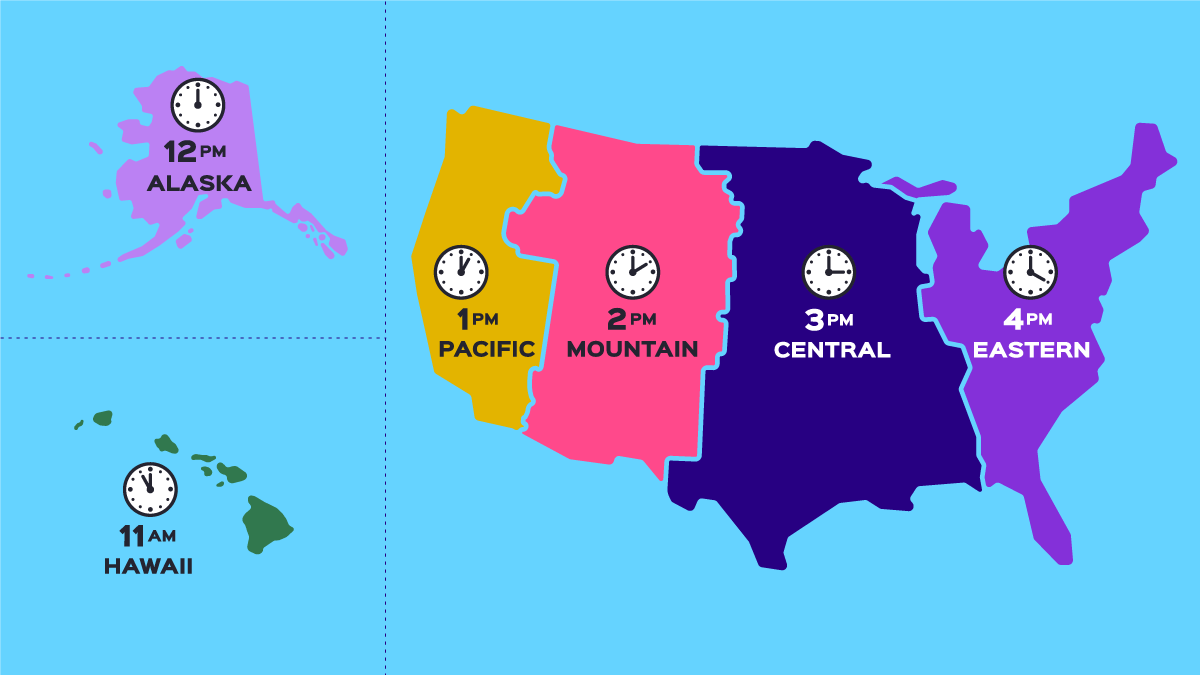
Eastern Standard Time (EST)
Eastern Standard Time is observed in the easternmost portion of the United States. This time zone encompasses states such as New York, Florida, and parts of the Midwest. During standard time (generally from November to March), it is coordinated with Coordinated Universal Time (UTC) as UTC-5. During Daylight Saving Time (DST), it transitions to Eastern Daylight Time (EDT), which is UTC-4. For the purpose of this explanation, we will focus on the standard time conversion.
Pacific Standard Time (PST)
Pacific Standard Time is the westernmost of the four contiguous U.S. time zones. It governs the state of California, as well as parts of Oregon, Washington, Nevada, and Arizona (though Arizona primarily observes Mountain Standard Time year-round, excluding the Navajo Nation). PST is coordinated with UTC as UTC-8. Like EST, it observes DST, transitioning to Pacific Daylight Time (PDT), which is UTC-7.
Converting EST to PST: The Core Calculation
The fundamental difference between EST and PST is three hours. PST is always three hours behind EST. This means that when it is a certain time in the Eastern time zone, it will be three hours earlier in the Pacific time zone.
To convert 8 PM EST to PST, you simply subtract three hours from the EST time.
- 8 PM EST – 3 hours = 5 PM PST
Therefore, 8 PM EST is equivalent to 5 PM PST. This calculation holds true regardless of the specific hour, day, or month, as long as both zones are observing their standard times.
Navigating Daylight Saving Time
It is important to note the impact of Daylight Saving Time on these conversions. When the United States observes DST, the Eastern time zone shifts to EDT (UTC-4) and the Pacific time zone shifts to PDT (UTC-7). Even with DST in effect, the three-hour difference between the two zones remains constant.
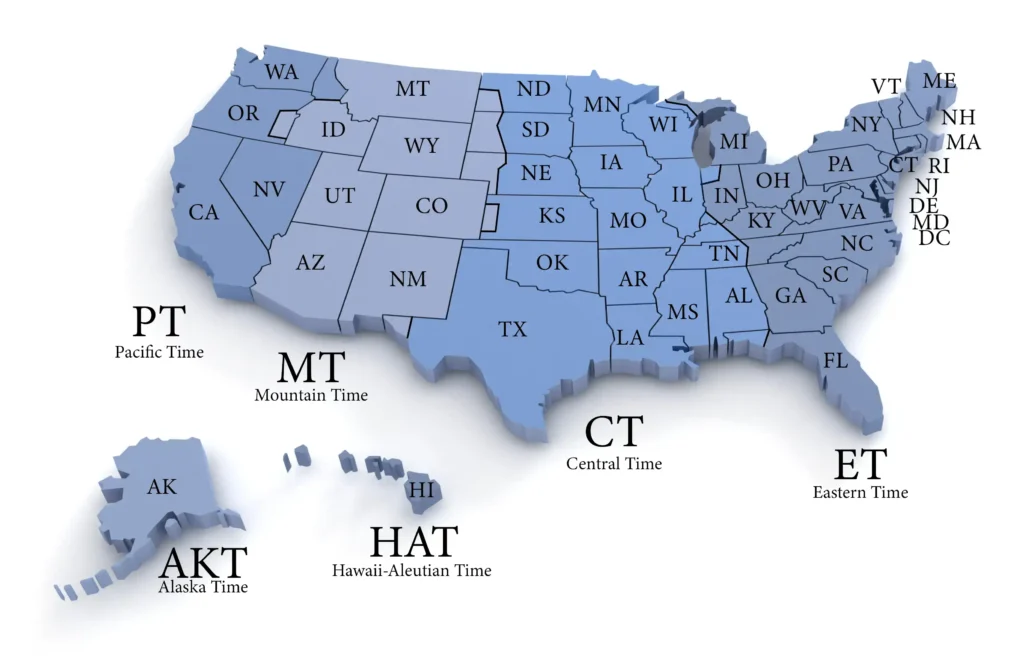
- EDT to PDT:
- When it is 8 PM EDT (UTC-4), it is 7 PM, 6 PM, and then 5 PM PDT (UTC-7).
The same three-hour gap persists. Most of the United States, including California, observes DST. The exceptions in the contiguous U.S. are Arizona (except the Navajo Nation) and Hawaii, which do not observe DST. For travelers to Hawaii, they would be observing Hawaii Standard Time (HST), which is UTC-10, making it five hours behind EST and two hours behind PST. However, for the context of California, the three-hour difference is the rule.
Practical Applications for Travelers
Understanding this time difference is indispensable for a multitude of travel-related scenarios:
Booking Flights and Accommodations
When booking flights to California from an EST state, such as New York, or vice versa, flight times are always listed in the local time of the departure and arrival airports. So, a flight departing New York at 8 PM EST will arrive in Los Angeles at what is locally 5 PM PST (assuming a direct flight and no time elapsed for travel). This means that despite leaving late in the evening in New York, you are arriving in the late afternoon in California, effectively gaining three hours back on your day. Similarly, when booking hotels or rental cars, ensure you are confirming arrival and departure times according to the local California time.
Scheduling Activities and Tours
California offers a plethora of attractions, from the theme parks of Southern California like Disneyland to the scenic beauty of the Golden Gate Bridge in San Francisco. Many tours and activities have specific start times. If you are coordinating with a tour operator based in EST or receiving information from a travel agency in the Eastern time zone, always clarify the local time for your chosen activity in California. For instance, if a popular tour of the Hollywood Walk of Fame begins at 8 PM, it means 8 PM PST, which is 11 PM EST. This distinction is vital for ensuring you don’t miss out due to a time zone miscalculation.
Business and Communication
For business travelers, aligning schedules between EST and PST is paramount. A meeting scheduled for 8 PM EST is actually a 5 PM PST call for your California-based colleagues. This means an evening meeting for one party is a late afternoon meeting for the other. It’s always best practice to specify the time zone when scheduling, for example, “8 PM EST / 5 PM PST.” This avoids any ambiguity and ensures punctuality for all parties involved.
Dining Reservations
Making dinner reservations in popular California cities like San Diego or Napa Valley requires accurate time zone awareness. If you are accustomed to making dinner plans at 8 PM EST, remember that in California, this would be 5 PM PST. While 5 PM is still a reasonable dinner time, it might be earlier than you typically dine, and conversely, if you intend to dine at a typical 8 PM PST hour, that equates to 11 PM EST for those on the East Coast.

Tools and Resources
While manual calculation is straightforward for a three-hour difference, numerous online tools and smartphone applications can provide instant time zone conversions. These resources are invaluable when dealing with more complex intercontinental travel or multiple time zones. Apps like World Clock or time zone converters on websites can quickly tell you what time it is in any city globally, including all major cities in California such as Sacramento or Long Beach. These are particularly useful for business travelers or those coordinating with international contacts who might be on a different schedule than just EST or PST.
In conclusion, the conversion of 8 PM EST to California’s time is a simple subtraction of three hours, resulting in 5 PM PST. Mastering this fundamental aspect of time zone differences will enhance your travel planning, reduce potential misunderstandings, and contribute to a more enjoyable and seamless experience as you explore the diverse attractions and vibrant culture of the Golden State. Whether you’re planning a leisure trip to visit the Grand Canyon (which is in Arizona and observes Mountain Time, a different zone but still west of EST), a business trip to Silicon Valley, or simply want to stay in touch with friends and family, understanding the clock’s behavior across the country is key.
LifeOutOfTheBox is a participant in the Amazon Services LLC Associates Program, an affiliate advertising program designed to provide a means for sites to earn advertising fees by advertising and linking to Amazon.com. Amazon, the Amazon logo, AmazonSupply, and the AmazonSupply logo are trademarks of Amazon.com, Inc. or its affiliates. As an Amazon Associate we earn affiliate commissions from qualifying purchases.