
The phrase “La California” evokes a rich tapestry of historical and geographical references, often conjuring images of a sun-drenched paradise. Historically, the name “California” itself is believed to have originated from a mythical island described in a 16th-century Spanish romance novel, Las sergas de Esplandián, as a land of black Amazons ruled by Queen Calafia. This romanticized vision of a distant, exotic land undoubtedly fueled the imaginations of early explorers. When Spanish conquistadors, like Hernán Cortés, first explored the Baja Peninsula, they believed it to be an island. While they eventually realized it was a peninsula, the name “California” stuck, eventually being applied to both Baja California and later to the territory that would become the U.S. state of California. Understanding “What Time Is It La California?”, therefore, is not just about deciphering time zones, but about appreciating the historical journey of a name that has come to signify a diverse and captivating region.
The Shifting Sands of Time: California’s Time Zones
To answer “What Time Is It La California?” precisely, we must acknowledge that “La California” can refer to multiple geographical locations, each with its own timekeeping. The most prominent and widely recognized “California” is the U.S. state of California. This vibrant state, stretching from the Mexican border to the Oregon border, predominantly observes Pacific Standard Time (PST) during winter months, which is UTC-8, and Pacific Daylight Time (PDT) during warmer months, which is UTC-7. This time change, enacted by Daylight Saving Time, typically begins in early March and ends in early November.
However, the historical and geographical roots of “La California” extend south into Mexico. The Baja California Peninsula, the original “California” explored by the Spanish, is divided into two states: Baja California (which includes Tijuana, Ensenada, and Mexicali) and Baja California Sur (which includes La Paz and Cabo San Lucas).
Baja California and Baja California Sur: A Continental Shift
The time zones in Baja California and Baja California Sur have seen adjustments over the years, often aligning with or diverging from their U.S. counterparts for logistical and economic reasons. As of recent understanding, most of Baja California and all of Baja California Sur are situated in the Northwest Zone of Mexico. This zone observes Pacific Time, meaning it aligns with the U.S. Pacific Time Zone. Therefore, during standard time, it is PST (UTC-8), and during daylight saving, it is PDT (UTC-7). This synchronization simplifies travel and communication between the U.S. and Mexican Californias, particularly for those living near the border or visiting popular tourist destinations like Tijuana or Cabo San Lucas.
It is crucial to note that time zone observances can be subject to governmental decisions, and there have been instances where certain regions have opted out of or adjusted their Daylight Saving Time practices. For the most up-to-date information, especially when planning international travel, consulting official sources or reliable real-time clocks is always advisable.
Beyond the Clock: Experiencing “La California”
The question “What Time Is It La California?” is more than just a query about the current hour; it’s an invitation to explore the multifaceted allure of this legendary region. Whether you are drawn to the sprawling metropolises of Southern California, the rugged coastline of Big Sur, the charming vineyards of Napa Valley, or the pristine beaches of Baja California Sur, understanding the local time is merely the first step in unlocking a world of experiences.
The U.S. California Experience: Innovation, Culture, and Natural Wonders
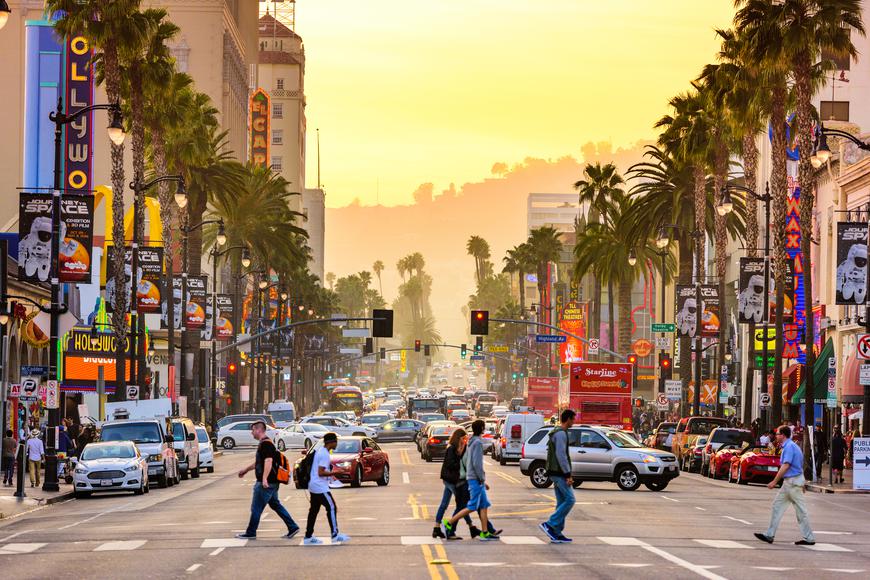
In the U.S. state of California, the time is dictated by the Pacific Time Zone. This state offers an unparalleled diversity of attractions. From the iconic Golden Gate Bridge in San Francisco to the glitz and glamour of Hollywood in Los Angeles, the opportunities for exploration are endless.
Attractions and Activities

Visitors can immerse themselves in the vibrant art scene in Los Angeles, hike among the towering trees of Yosemite National Park, or experience the thrill of Disneyland. The culinary landscape is equally diverse, ranging from Michelin-starred restaurants to world-class street food. The state’s commitment to innovation is palpable, particularly in Silicon Valley, a global hub for technology.
The Baja California Experience: Coastal Escapes and Desert Adventures
South of the border, “La California” in the form of Baja California and Baja California Sur offers a distinct yet equally captivating experience. Here, the time generally aligns with the U.S. Pacific Time Zone, facilitating a seamless transition for many travelers.
Coastal Charm and Marine Life
Baja California is renowned for its stunning coastline, with popular destinations like Rosarito Beach and Ensenada offering a laid-back atmosphere, fresh seafood, and opportunities for water sports. Baja California Sur is a paradise for those seeking luxury resorts and breathtaking natural beauty. Cabo San Lucas is famous for its vibrant nightlife and dramatic rock formations like El Arco, while La Paz offers a more tranquil escape with opportunities for swimming with whale sharks and exploring pristine beaches.
Desert Landscapes and Biodiversity
Beyond the coast, both regions boast unique desert landscapes. The diverse ecosystems support an array of flora and fauna, making it a prime destination for ecotourism and wildlife observation. Whale watching is a major draw, particularly during the winter months when gray whales migrate along the coast.
Planning Your Journey: Time Considerations and Practical Tips
When planning a trip to “La California,” understanding the time differences is not just about knowing what time it is; it’s about maximizing your experience. The synchronicity of time zones between much of the U.S. and Baja California can simplify travel arrangements, allowing for easy day trips across the border or coordinated itineraries.
Navigating Daylight Saving Time
The observance of Daylight Saving Time can cause temporary discrepancies. While the U.S. California and Baja California often align, it is always prudent to verify the current time and any ongoing adjustments. For instance, if you are traveling during the spring or fall, be aware of the exact dates when the clocks change. This is particularly important if you have pre-booked flights, tours, or accommodations.
Travel Tips for Both Californias
- Connectivity: Ensure your mobile devices are set to automatically update time and date to avoid confusion.
- International Travel: If crossing the border between the U.S. and Mexico, be aware of potential variations in time zone observance, especially in the northeastern parts of Baja California which may follow a different time zone.
- Pacing: Both regions offer so much to see and do that planning your itinerary with adequate time for each activity is key. Consider the local sunset times when planning evening activities or scenic drives.
- Local Customs: While time zones are generally standardized, local schedules and siesta times in some Mexican communities might influence business hours.
The question “What Time Is It La California?” ultimately leads to a deeper appreciation of a region steeped in history, culture, and breathtaking natural beauty. Whether you’re setting your watch to Pacific Standard Time in San Diego or aligning with the Pacific Time Zone in Loreto, the allure of “La California” remains timeless.
LifeOutOfTheBox is a participant in the Amazon Services LLC Associates Program, an affiliate advertising program designed to provide a means for sites to earn advertising fees by advertising and linking to Amazon.com. Amazon, the Amazon logo, AmazonSupply, and the AmazonSupply logo are trademarks of Amazon.com, Inc. or its affiliates. As an Amazon Associate we earn affiliate commissions from qualifying purchases.