
Oklahoma, often called the “Sooner State,” is a land steeped in the rich tapestry of Native American history and culture. Beyond its iconic landscapes and burgeoning cities, its identity is deeply intertwined with the sovereign nations that call it home. Understanding “how many tribes in Oklahoma” is not merely a question of numbers, but an exploration into the diverse heritage, ongoing contributions, and the vibrant presence of Indigenous peoples across the state. This understanding is crucial for anyone seeking to truly appreciate the cultural landscape of Oklahoma and engage with its unique tourism offerings.

A Legacy of Resilience and Sovereignty
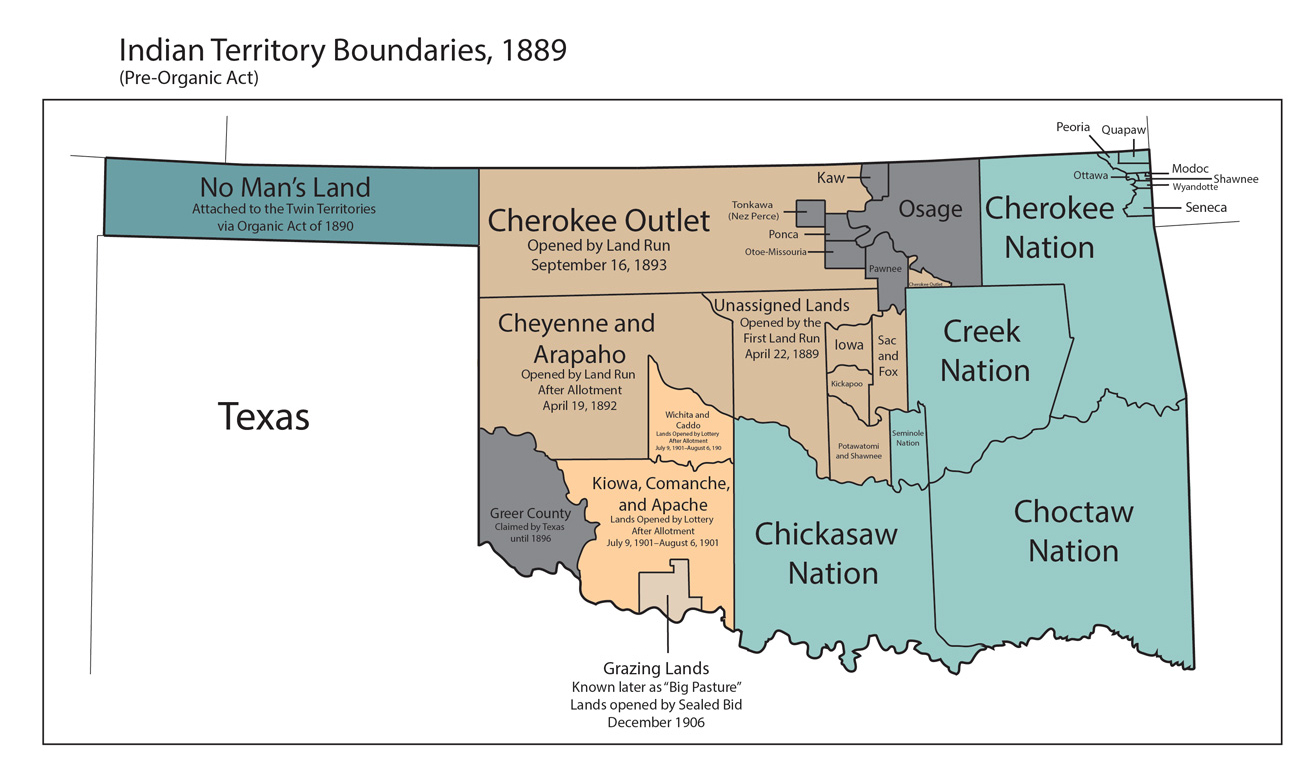
The history of Native American tribes in Oklahoma is one of immense resilience, marked by forced relocations, cultural preservation, and the enduring assertion of tribal sovereignty. The area that is now Oklahoma was designated as Indian Territory in the 19th century, serving as a destination for numerous tribes displaced from their ancestral lands in the eastern United States, most notably through the tragic Trail of Tears. Despite the immense hardships, these nations not only survived but thrived, establishing distinct governments, economies, and cultural practices.
The Impact of Indian Territory
The concept of Indian Territory fundamentally shaped the demographic and cultural makeup of present-day Oklahoma. Over 60 federally recognized tribes have historical or current ties to the state, making it one of the most concentrated areas of Native American populations in the United States. This historical context is vital for understanding the unique relationship between tribal governments and the state, as well as the ongoing efforts to maintain cultural heritage and promote economic development.
Federally Recognized Tribes
Today, there are 39 federally recognized American Indian tribes with headquarters or significant ancestral lands within Oklahoma. This recognition by the U.S. federal government signifies their status as sovereign nations with the right to self-governance, land management, and the provision of services to their members. Each tribe possesses its own unique history, language, cultural traditions, and governance structure.
These tribes are not monolithic entities. They represent a vast spectrum of linguistic families, cultural practices, and historical experiences. From the Plains tribes like the Cheyenne and Arapaho to the Five Civilized Tribes—the Cherokee, Chickasaw, Choctaw, Creek, and Seminole—each has a distinct narrative that contributes to the rich mosaic of Oklahoma.
Exploring the Tribal Nations of Oklahoma
Understanding the number of tribes in Oklahoma opens the door to a world of cultural discovery. These tribal nations actively engage in preserving their heritage, revitalizing their languages, and sharing their traditions with visitors. For tourists and culture enthusiasts, this presents an unparalleled opportunity to connect with living history and experience authentic Native American culture.
The Five Civilized Tribes
The Five Civilized Tribes are historically significant for their adoption of many European-American customs and their forced removal to the region. Their presence continues to be deeply felt throughout the state.
- Cherokee Nation: With its capital in Tahlequah, the Cherokee Nation is one of the largest and most influential tribes. They offer numerous cultural sites, including the Cherokee Heritage Center, and host events that celebrate their history and modern achievements.
- Chickasaw Nation: Centered around Ada, the Chickasaw Nation boasts vibrant cultural centers like the Chickasaw Cultural Center and a growing economic influence through various enterprises.
- Choctaw Nation: Spanning a vast southeastern portion of Oklahoma, the Choctaw Nation preserves its language and traditions through museums and cultural festivals, with its headquarters in Durant.
- Muscogee (Creek) Nation: With its capital in Okmulgee, the Muscogee (Creek) Nation maintains a strong connection to its history and cultural practices, often highlighted during community gatherings and historical presentations.
- Seminole Nation of Oklahoma: Though its ancestral homeland is in Florida, the Seminole Nation found refuge and established itself in Oklahoma. Their cultural heritage is preserved through museums and storytelling, with leadership based in Wewoka.
Plains Tribes and Beyond
In addition to the Five Civilized Tribes, numerous other tribal nations have strong ties to Oklahoma, each contributing to the state’s diverse cultural landscape.
- Comanche Nation: Known for their history as skilled horsemen and warriors, the Comanche Nation has its headquarters in Lawton. They are active in preserving their language and cultural traditions.
- Osage Nation: Renowned for their historical wealth derived from oil on their reservation lands, the Osage Nation is headquartered in Pawhuska، Oklahoma. Their unique governance and rich history are explored in various cultural exhibits and media, including the popular series “Killers of the Flower Moon.”
- Kiowa Tribe: Along with the Comanche and Apache, the Kiowa Tribe played a significant role in the history of the Southern Plains. Their cultural heritage is preserved in museums and through community events.
- Pawnee Nation: Originally from the Nebraska region, the Pawnee Nation has a long history in Oklahoma, with their tribal center in Pawnee.
- Otoe-Missouria Tribe: This confederation of two distinct tribes has its governmental center in Red Rock.
- Ponca Tribe of Oklahoma: Descendants of a tribe with a significant history of relocation, the Ponca Tribe is headquartered in Ponca City.
- Tonkawa Tribe: Also headquartered in Ponca City, the Tonkawa Tribe represents a unique cultural lineage.
- Wichita and Affiliated Tribes: This collective includes several bands with deep historical roots in the region, with their tribal center in Anadarko.
- Caddo Nation: With ancestral lands extending beyond Oklahoma, the Caddo Nation maintains a strong presence and cultural identity.
- Shawnee Tribe: The Shawnee Tribe has a complex history of migrations and settlements, with a significant presence and cultural preservation efforts in Oklahoma.
- Iowa Tribe of Oklahoma: The Iowa Tribe continues its cultural and governmental operations from its base in Perkins.
- Kickapoo Tribe of Oklahoma: The Kickapoo Tribe preserves its distinct cultural heritage in Oklahoma.
- Delaware Nation: Also known as the Lenape, the Delaware Nation in Oklahoma continues its traditions and governance.
- Ottawa Tribe of Oklahoma: With roots in the Great Lakes region, the Ottawa Tribe has established a significant presence and cultural center in Miami, Oklahoma.
- Peoria Tribe of Indians of Oklahoma: Descendants of peoples from the Illinois River valley, the Peoria Tribe is headquartered in Miami, Oklahoma.
- Modoc Tribe of Oklahoma: A smaller tribe with a unique history of forced relocation from their ancestral lands in the Pacific Northwest, the Modoc Tribe is also based in Miami, Oklahoma.
- Quapaw Nation: Known for their historical connection to the Arkansas River valley, the Quapaw Nation has its tribal headquarters in Quapaw, Oklahoma.
- Seneca-Cayuga Tribe of Oklahoma: This tribe represents the union of two distinct nations, with their governmental offices located in Grove.
- United Keetoowah Band of Cherokee Indians: A distinct federally recognized tribe separate from the larger Cherokee Nation, the United Keetoowah Band is headquartered in Tahlequah.
- Alabama-Coushatta Tribe of Texas (historical ties): While primarily located in Texas, these tribes have historical connections and shared ancestry with tribes in Oklahoma.
- Chitimacha Tribe of Louisiana (historical ties): Similar to the Alabama-Coushatta, the Chitimacha Tribe has ancestral connections relevant to the broader history of displaced tribes.
- Koasati Tribe of Louisiana (historical ties): This tribe also shares historical migratory patterns with groups that eventually settled in Oklahoma.
- Yuchi Tribe: The Yuchi language and culture are distinct, and the tribe works to preserve its unique heritage, often associated with the Creek Nation historically but maintaining its own identity.
- Kaw Nation: The Kaw Nation (also known as the Kansa) has its tribal headquarters in Ponca City.
- Kootenai Tribe of Idaho (historical context): While their primary presence is in Idaho, understanding broader tribal movements is relevant to the diverse settlement patterns.
- Miami Tribe of Oklahoma: The Miami Tribe is headquartered in Miami, Oklahoma.
- Potawatomi Nation: The Potawatomi Nation has a significant presence in central Oklahoma, with their tribal center in Shawnee.
- Sac and Fox Nation: The Sac and Fox Nation has its administrative offices in Stroud.
- Thlopthlocco Creek Indian Tribal Town: This distinct Creek town government is based in Okfuskee County.
- Seminole Nation of Oklahoma: As previously mentioned, this tribe’s rich history is a significant part of Oklahoma’s heritage.
- Caddo Nation: The Caddo Nation continues its heritage and governance from its Oklahoma base.

This extensive list underscores the incredible diversity of Indigenous peoples who have shaped and continue to influence Oklahoma.
Experiencing Oklahoma’s Tribal Culture
For travelers interested in local culture, Oklahoma offers an unparalleled opportunity to engage with the living heritage of its tribal nations. This is not simply about visiting historical sites; it’s about experiencing vibrant, contemporary communities.
Cultural Centers and Museums
Many tribes operate dedicated cultural centers and museums that serve as gateways to their history, art, traditions, and contemporary life. These institutions provide invaluable insights into tribal governance, language revitalization efforts, traditional arts and crafts, and the resilience of Indigenous peoples. Visiting places like the Chickasaw Cultural Center in Sulphur, the Cherokee Heritage Center in Tahlequah, or the Osage Nation Museum in Pawhuska offers a profound understanding of the distinct identities and legacies of these nations.
Festivals and Powwows
Attending tribal festivals and powwows is a vibrant way to experience Native American culture firsthand. These events are often open to the public and feature traditional dancing, drumming, singing, storytelling, and marketplaces for authentic arts and crafts. Participating in or observing these gatherings provides a glimpse into the spirit and community of tribal life. Be sure to check tribal calendars for specific dates and locations, as these events are significant cultural celebrations.
Art, Music, and Cuisine
Oklahoma’s tribal influence is also evident in its thriving arts scene, with many contemporary Native American artists gaining national recognition for their work in painting, sculpture, jewelry, and more. The state’s culinary landscape is also enriched by traditional Native American flavors and ingredients, often blended with modern culinary techniques. Exploring these artistic and gastronomic expressions offers another dimension to understanding the cultural contributions of the tribes.
Planning Your Cultural Journey
When planning a visit to Oklahoma with an interest in its tribal heritage, it’s beneficial to be informed and respectful.
Respect and Protocol
Native American cultures place a high value on respect. When visiting tribal lands or attending cultural events, it is important to be mindful of local customs and protocols. Always ask permission before taking photographs of individuals, especially during ceremonies or performances. Familiarize yourself with any specific guidelines or etiquette provided by the tribe or event organizers.
Economic Impact and Tribal Enterprises
Many tribal nations in Oklahoma are significant economic drivers, operating businesses that range from casinos and resorts to agricultural ventures and manufacturing. Supporting these tribal enterprises, whether through patronage of their businesses or participation in tourism initiatives, directly contributes to tribal sovereignty and community well-being.
Resources for Further Exploration
Numerous websites and publications offer detailed information about the 39 federally recognized tribes in Oklahoma. The official tourism websites for individual tribes, as well as the Travel Oklahoma website, often feature sections dedicated to Native American culture and heritage. Websites like the Oklahoma Historical Society also provide valuable historical context.
In conclusion, the question “How Many Tribes In Oklahoma?” leads to a rich exploration of the state’s foundational heritage. The answer is not a simple number but a testament to the enduring presence, resilience, and vibrant cultural contributions of the Indigenous nations that have called, and continue to call, Oklahoma home. Engaging with this heritage offers a unique and deeply rewarding travel experience.
LifeOutOfTheBox is a participant in the Amazon Services LLC Associates Program, an affiliate advertising program designed to provide a means for sites to earn advertising fees by advertising and linking to Amazon.com. Amazon, the Amazon logo, AmazonSupply, and the AmazonSupply logo are trademarks of Amazon.com, Inc. or its affiliates. As an Amazon Associate we earn affiliate commissions from qualifying purchases.