
As residents of the Golden State prepare to exercise their civic duty, understanding what to bring to vote in California is paramount for a smooth and efficient experience. While the specifics can vary slightly depending on your chosen method of voting – be it in person at a polling place or by mail – a well-prepared voter is a confident voter. This guide aims to demystify the process, ensuring you have all the necessary items and information at your fingertips, whether you’re heading to a bustling city like Los Angeles or a more serene coastal town.

Preparing for Your Polling Place Visit
When you decide to cast your ballot in person, whether on Election Day or during early voting at a designated polling location, a few key items will streamline your visit. The emphasis in California is on accessibility and voter confidence, and while you may not be strictly required to show identification in all circumstances, it’s always a good idea to be prepared.
Identification Requirements
California law generally does not require voters to present identification at the polls if they are registered and have voted in previous elections. However, if you are a first-time voter in California and registered by mail, you may be asked to show identification. Acceptable forms of identification include:
- A valid California driver’s license or identification card.
- A valid driver’s license or identification card from another state.
- A U.S. passport.
- A current employee ID card with a photograph.
- A current student ID card with a photograph.
- A credit or debit card.
- A Medicare or other health care card.
- A Social Security card.
- A certified copy of a birth certificate.
- A Veterans Health Identification Card (VHIC) from the Department of Veterans Affairs.
- A certificate of U.S. citizenship or naturalization.
- A permit to carry a concealed weapon.
- A government-issued identification that shows your name and photograph.
If you are a first-time voter and are asked for identification and do not have any of the above, you may still be able to vote by signing a provisional ballot and later providing proof of identity to election officials. It is always best to check with your local county elections office for the most current and precise requirements applicable to your specific situation.
Essential Items for Polling Place Visits
Beyond identification, several other items can enhance your polling place experience:
- Your Voter Information Guide: While not mandatory, having your sample ballot and voter information guide can be incredibly helpful. This document provides details on the candidates and propositions you’ll be voting on, allowing you to make informed decisions quickly. You can usually find this guide mailed to your home before the election.
- A pen: While polling places are typically equipped with pens, bringing your own black or blue ink pen can ensure a smooth writing experience and avoid any potential shortages.
- Comfortable attire and footwear: You might encounter lines, especially during peak voting hours. Dressing comfortably will make your wait more pleasant. Consider the weather in California, which can range from warm and sunny in cities like San Diego to cooler along the coast, especially in areas like San Francisco.
- Water and snacks: For longer waits, having a water bottle and a small snack can be a lifesaver.
- A fully charged mobile phone: While you should not use your phone to record or take pictures inside the polling place, it can be useful for checking election information or contacting someone if needed. Be mindful of polling place rules regarding phone usage.
- Your personal reminder list: If you have specific notes about candidates or propositions that you wish to consult (but not bring into the voting booth), having them handy can be beneficial.
Navigating the Vote-by-Mail Process
California offers robust vote-by-mail options, allowing residents to cast their ballots from the comfort of their homes. This method has become increasingly popular, offering convenience and flexibility. However, it requires careful attention to detail to ensure your ballot is properly submitted.
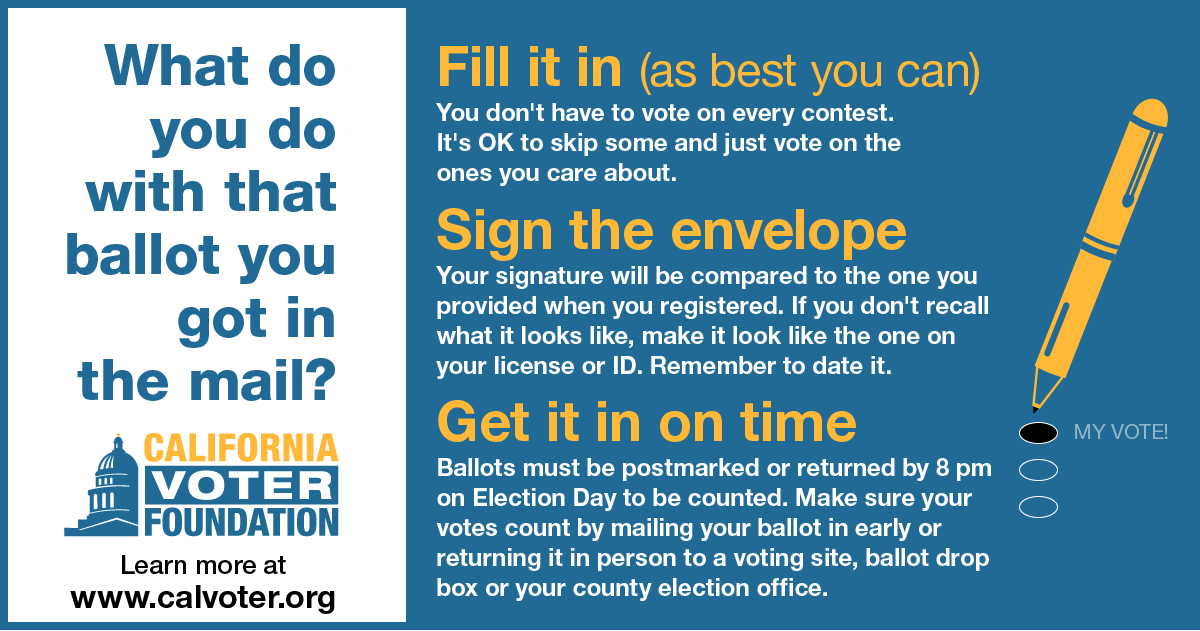
What to Include in Your Vote-by-Mail Ballot Package
When you receive your vote-by-mail ballot, it will typically come with several components. It’s crucial to handle these with care and ensure everything is included when you return your ballot.
- The Official Ballot: This is the primary document where you will mark your choices for candidates and propositions.
- The Return Envelope: This is a specially designed envelope where you will place your voted ballot. It usually has a space for your signature and other required information.
- Instructions: Detailed instructions are provided with every vote-by-mail ballot. It is imperative to read and follow these instructions precisely. Failure to do so can lead to your ballot not being counted.
Essential Steps for Returning Your Vote-by-Mail Ballot
The process of returning your vote-by-mail ballot involves several critical steps:
- Read the Instructions Carefully: Before you do anything else, thoroughly read the instructions provided with your ballot. Pay close attention to how to mark your ballot, how to seal it, and how to sign the return envelope.
- Mark Your Ballot: Use a black or blue ink pen to fill in the ovals next to your chosen candidates or the boxes for your decision on propositions. Ensure your marks are clear and unambiguous. Avoid stray marks or alterations that could invalidate your ballot.
- Sign the Return Envelope: This is a crucial step. You must sign the return envelope in the designated area. Your signature is verified against the signature on your voter registration form. If your signature has changed over time, consider updating it with your county elections office beforehand.
- Seal the Return Envelope: Place your marked ballot inside the return envelope and securely seal it.
- Return Your Ballot: You have several options for returning your ballot:
- Mail it back: Ensure it is postmarked by Election Day. You can drop it in any USPS mailbox.
- Drop it off at a secure ballot drop box: California has numerous official ballot drop boxes throughout the state, conveniently located in public places like libraries, community centers, and government buildings. You can find the locations of these drop boxes on your county elections office website.
- Return it to your county elections office: You can personally deliver your ballot to your local county elections office during business hours.
- Return it to any polling place within your county on Election Day: This is another convenient option if you find yourself near a polling place.
Ensuring Ballot Integrity and Accessibility
California is committed to ensuring that every eligible voter can cast their ballot securely and conveniently. Several provisions are in place to support this mission, and understanding them can further enhance your voting experience.
Special Considerations for Voters
- Language Accessibility: Voter information and ballots are available in multiple languages to accommodate California’s diverse population. If you require assistance in a language other than English, your county elections office can provide resources.
- Assistance for Voters with Disabilities: Polling places are required to be accessible to voters with disabilities. If you require assistance marking your ballot due to a disability, you can bring someone with you to help, or you can request assistance from election poll workers. Vote-by-mail voters can also receive assistance.
- Provisional Ballots: If there is any question about your eligibility or registration at the polling place, you may be offered a provisional ballot. This allows you to cast your vote, which will be counted after election officials verify your eligibility.
Staying Informed and Prepared
- Check Your Voter Registration Status: Before any election, it’s wise to confirm that your voter registration is current and accurate. You can do this online through the California Secretary of State website or by contacting your local county elections office. Ensure your address is up-to-date, especially if you have recently moved.
- Know Your Polling Place: If you plan to vote in person, confirm your assigned polling place. This information is usually included in your voter information guide. Polling place locations can sometimes change, so verifying is always a good practice.
- Familiarize Yourself with Ballot Measures: California is known for its ballot initiatives and referendums. Take the time to research these measures, understand their potential impact, and make informed decisions. The Voter Information Guide is an excellent resource for this.
By understanding what to bring and following the outlined procedures, voting in California can be a straightforward and empowering process. Whether you opt for the convenience of vote-by-mail or the engagement of an in-person visit, being prepared is the key to a successful electoral experience.
LifeOutOfTheBox is a participant in the Amazon Services LLC Associates Program, an affiliate advertising program designed to provide a means for sites to earn advertising fees by advertising and linking to Amazon.com. Amazon, the Amazon logo, AmazonSupply, and the AmazonSupply logo are trademarks of Amazon.com, Inc. or its affiliates. As an Amazon Associate we earn affiliate commissions from qualifying purchases.