
Navigating the aftermath of a car accident in California can be a bewildering experience. The immediate shock and potential injuries are paramount, but once the dust settles, a series of crucial steps must be taken to ensure your safety, protect your rights, and manage the logistical and legal complexities that follow. This guide is designed to provide a clear, actionable roadmap for what to do immediately after an accident and in the days and weeks that follow, specifically within the Golden State. Understanding your obligations under California law and knowing how to proceed can significantly impact the resolution of your case.

Immediate Steps at the Scene of the Accident
The first moments after a collision are critical. Your primary focus should be on safety, assessing the situation, and gathering essential information. Rushing these initial steps can lead to complications later.
Prioritize Safety and Check for Injuries
Your well-being and that of others involved are the absolute top priority.
- Assess Injuries: Immediately check yourself and any passengers for injuries. If you are able, cautiously approach other vehicles to check on their occupants.
- Call for Emergency Services: Dial 911 if anyone is injured, if the accident is blocking traffic, or if there is significant property damage. Police presence is vital for documenting the scene and ensuring a formal accident report is created. Even if injuries seem minor, it’s wise to have paramedics evaluate everyone involved.
- Move to Safety: If possible and safe to do so, move vehicles out of active traffic lanes to prevent further accidents. If a vehicle cannot be moved, turn on hazard lights and set up flares or reflective triangles if you have them.
- Do Not Leave the Scene: It is illegal to leave the scene of an accident in California, especially if there are injuries or significant property damage.
Gather Information and Document the Scene
Thorough documentation is your most valuable asset moving forward.
- Exchange Information: Obtain the following from all other drivers involved:
- Name and contact information (address, phone number).
- Driver’s license number.
- Insurance company name and policy number.
- Vehicle make, model, year, and license plate number.
- Identify Witnesses: If there are any witnesses who saw the accident, politely ask for their names and contact information. Their independent accounts can be crucial.
- Take Photos and Videos: Use your smartphone to meticulously document everything at the scene:
- Damage to all vehicles involved, from multiple angles.
- The position of the vehicles after the collision.
- The surrounding environment (road conditions, traffic signals, any debris).
- License plates of all vehicles.
- Any visible injuries.
- Road signs, street names, and any potential hazards.
- Note the Details: Jot down the date, time, and exact location of the accident. Note the weather conditions and the direction of travel for each vehicle.
Report the Accident
In California, you are legally required to report an accident under certain circumstances.
- Police Report: If the police respond to the scene, they will typically file an accident report. Obtain the report number and the officer’s name and badge number. You will need this information to get a copy of the official report later.
- DMV Report: You must file a Report of Traffic Accident (SR-1) form with the California Department of Motor Vehicles (DMV) within 10 days if the accident resulted in:
- Any injury or death.
- Property damage exceeding $1,000 to any one person’s property.
This report is for the DMV’s statistical purposes and is separate from insurance claims.
After Leaving the Scene: Next Steps
Once you are safe and have taken the necessary immediate actions, a series of administrative and personal care steps need to be addressed. These actions are critical for managing your recovery and any potential claims.
Seek Medical Attention
Even if you feel unharmed, it’s crucial to get a medical evaluation.
- Immediate Medical Care: If you haven’t already, seek medical attention at an urgent care clinic, emergency room, or your primary care physician’s office as soon as possible after the accident.
- Document Injuries: Some injuries, like whiplash or internal bleeding, may not manifest symptoms immediately. A medical record provides undeniable proof of your injuries and their connection to the accident.
- Follow Doctor’s Orders: Adhere strictly to your doctor’s treatment plan. Missing appointments or deviating from advice can be used against you by insurance companies. Keep records of all medical visits, treatments, and bills.
Notify Your Insurance Company
Promptly informing your insurance provider is a contractual obligation and a vital part of the claims process.
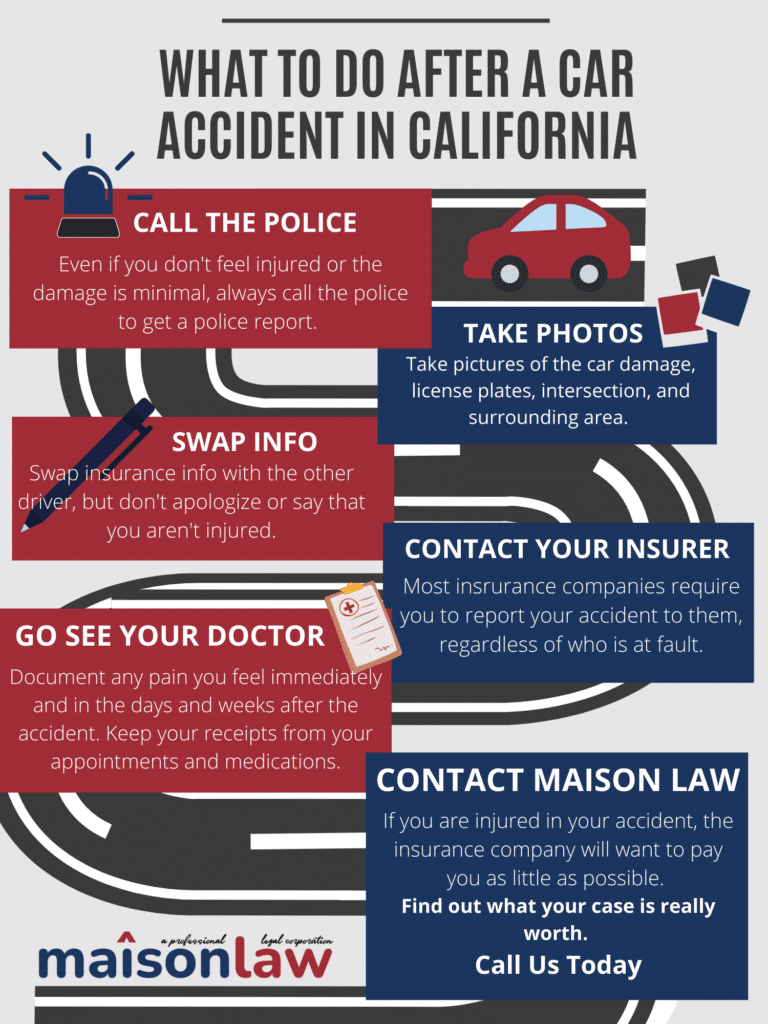
- Report the Claim: Contact your insurance company as soon as possible to report the accident. Be prepared to provide details about the incident, including the date, time, location, vehicles involved, and any known injuries.
- Be Honest and Factual: Stick to the facts when speaking with your insurer. Avoid speculating or admitting fault. Let the insurance adjusters and, if necessary, legal professionals determine liability.
- Understand Your Policy: Familiarize yourself with your auto insurance policy. Know your coverage limits, deductibles, and what types of damages are covered (e.g., collision, comprehensive, uninsured/underinsured motorist, medical payments).
Consider Legal Counsel
Depending on the severity of the accident and the extent of your injuries, consulting with a personal injury attorney is highly recommended.
- When to Seek Legal Advice: If the accident involved significant injuries, fatalities, substantial property damage, or if there is a dispute over fault, an attorney can be invaluable.
- Benefits of Legal Representation: A skilled attorney can:
- Investigate the accident thoroughly.
- Deal with insurance adjusters on your behalf.
- Help you understand your legal rights and options.
- Gather necessary evidence, including police reports and medical records.
- Negotiate a fair settlement.
- Represent you in court if a settlement cannot be reached.
- Contingency Fees: Most personal injury lawyers work on a contingency fee basis, meaning they only get paid if they successfully recover compensation for you. This makes legal representation accessible even if you have limited financial resources.
Managing Insurance Claims and Settlements
Dealing with insurance adjusters can be a complex and often stressful part of the post-accident process. Approaching these interactions with knowledge and strategy is key to a favorable outcome.
Understanding the Claims Process
- Initial Adjuster Contact: After you report the accident, the insurance company will assign an adjuster to your claim. This person will investigate the accident, review evidence, and determine liability and damages.
- Provide Necessary Documentation: Cooperate with the adjuster by providing requested documents, such as the police report, photos, witness information, and medical records. However, be cautious about providing recorded statements without legal advice.
- Evaluating Damages: The adjuster will assess the damage to your vehicle and any other property. For injuries, they will review medical bills, treatment records, and estimations of future medical needs.
Navigating Settlements
- Settlement Offers: The insurance company may present a settlement offer. It is crucial to understand that this initial offer is often lower than what your claim may be worth.
- Reviewing the Offer: Do not accept a settlement offer without careful consideration. If you have legal representation, your attorney will evaluate the offer based on the extent of your damages, including medical expenses, lost wages, pain and suffering, and property damage.
- Negotiation: If the offer is insufficient, your attorney will negotiate with the insurance company to reach a fair settlement. This process can involve multiple back-and-forth communications.
- Accepting or Rejecting: If a satisfactory agreement is reached, you will sign a release form, and you will receive the settlement funds. If negotiations fail, you may need to consider filing a lawsuit.
Long-Term Recovery and Beyond
The impact of a car accident can extend far beyond the immediate aftermath. Managing your recovery, both physically and financially, requires ongoing attention.
Physical and Emotional Well-being
- Continue Medical Treatment: If you have ongoing medical needs, ensure you continue with all recommended therapies and follow-up appointments.
- Mental Health Support: Accidents can be traumatic. If you are experiencing anxiety, depression, or post-traumatic stress disorder (PTSD), seek professional mental health support. Many people overlook the psychological toll of accidents.
- Rehabilitation: For more severe injuries, physical therapy and rehabilitation are essential for regaining mobility and function.
Financial Considerations
- Lost Wages: If your injuries prevent you from working, you are entitled to compensation for lost income. Keep meticulous records of your missed workdays and pay stubs.
- Future Medical Expenses: If you require long-term medical care or rehabilitation, ensure this is factored into your claim.
- Property Damage: Ensure that the cost of repairing or replacing your vehicle, as well as any other damaged property, is adequately covered.
- Diminished Value: In some cases, even after repairs, a vehicle may have a reduced market value due to being involved in an accident. This is known as diminished value and may be a compensable loss.

Legal Deadlines and Statute of Limitations
- Statute of Limitations: In California, there are strict time limits, known as the statute of limitations, for filing personal injury lawsuits. Generally, you have two years from the date of the accident to file a lawsuit for personal injuries. For property damage, the limit is typically three years. However, specific circumstances can alter these deadlines, especially when government entities are involved.
- Consult an Attorney: It is crucial to consult with a qualified California personal injury attorney well before these deadlines expire to ensure your rights are protected.
An accident in California is a challenging event, but by understanding the essential steps—from immediate actions at the scene to long-term recovery and legal considerations—you can navigate the process more effectively and work towards a fair resolution. Prioritizing your health, documenting everything meticulously, and seeking expert guidance when needed are the cornerstones of managing this difficult experience.
LifeOutOfTheBox is a participant in the Amazon Services LLC Associates Program, an affiliate advertising program designed to provide a means for sites to earn advertising fees by advertising and linking to Amazon.com. Amazon, the Amazon logo, AmazonSupply, and the AmazonSupply logo are trademarks of Amazon.com, Inc. or its affiliates. As an Amazon Associate we earn affiliate commissions from qualifying purchases.