
Navigating the complex landscape of firearm ownership in California can be a daunting task for any enthusiast. With a unique set of regulations that differ significantly from many other states, understanding what is permissible is crucial. When it comes to the highly popular Glock firearm, this is particularly true. California’s stringent laws on handguns, often referred to as the “Roster of Handguns Certified for Sale,” dictate which models can be legally sold and possessed within the state. This article delves into the specifics of Glock models that are either currently available for purchase in California or can be legally owned through various exceptions.

The primary hurdle for any new handgun model to be sold in California is its inclusion on the Roster of Handguns Certified for Sale. This list, maintained by the California Department of Justice, is designed to ensure that only handguns meeting specific safety standards can be offered by licensed dealers. For a handgun to be certified, it must undergo testing to demonstrate it meets certain criteria, including the presence of a loaded chamber indicator, a magazine disconnect mechanism, and a chamber loaded indicator. Furthermore, the firearm must be microstamped, a technology designed to imprint a unique identifier onto spent casings. This microstamping requirement has been a significant barrier to new handgun models being added to the roster.
Understanding the California Roster of Handguns Certified for Sale
The Roster of Handguns Certified for Sale is the cornerstone of handgun regulations in California. It’s not simply a list of “approved” handguns; it’s a dynamic document that dictates what licensed firearms dealers can legally sell to the public. For a Glock model to be on this roster, it must have been certified by the California Department of Justice after meeting rigorous safety standards. These standards are more comprehensive than those in many other states and include features like:
Key Safety Features Mandated for Certification
- Loaded Chamber Indicator (LCI): A visual or tactile indicator that confirms whether a round is present in the chamber.
- Magazine Disconnect Mechanism: A safety feature that prevents the firearm from being discharged when the magazine is removed.
- Chamber Loaded Indicator (CLI): Similar to the LCI, this indicates if a round is in the chamber.
The Microstamping Challenge
Perhaps the most contentious and impactful requirement for new handguns to be added to the roster is microstamping. This technology imprints a unique code onto each spent cartridge casing fired by the handgun. The intention is to aid law enforcement in identifying the firearm used in a crime. However, the technology has faced significant technical challenges and widespread opposition from firearm manufacturers, citing reliability issues and the prohibitive cost of implementation. For many manufacturers, including Glock, the microstamping requirement has been a barrier to introducing their latest models into the California market through licensed dealers.
This means that while Glock has a vast array of models and generations in its global lineup, only a subset of these have ever been certified for sale in California through the traditional retail channel. Older models that were previously certified and remain on the roster can still be sold by dealers. However, newer generations of popular Glock pistols, such as many iterations of the Glock 19 or Glock 17 in their most recent generations, may not be readily available for purchase directly from a licensed dealer if they have not met the microstamping requirement or have not been submitted for testing.
Which Glock Models Are Generally Available in California?
Given the limitations imposed by the Roster of Handguns Certified for Sale, identifying which Glock models are typically available for purchase through licensed dealers requires an understanding of what has historically met these requirements. Generally, many of the Glock models that have been on the market for a significant period and have been consistently popular have been certified. This often includes various configurations of:
Popular and Long-Standing Glock Models
- Glock 17: The original full-size pistol, often found in its Gen3 and Gen4 configurations.
- Glock 19: The compact variant, a perennial favorite, also commonly available in Gen3 and Gen4.
- Glock 21: The .45 ACP full-size option.
- Glock 22: The full-size .40 S&W pistol.
- Glock 23: The compact .40 S&W counterpart to the Glock 19.
- Glock 27: The subcompact .40 S&W.
- Glock 30: A compact .45 ACP model.
- Glock 43: A single-stack, slimline 9mm pistol that has gained significant popularity for concealed carry.
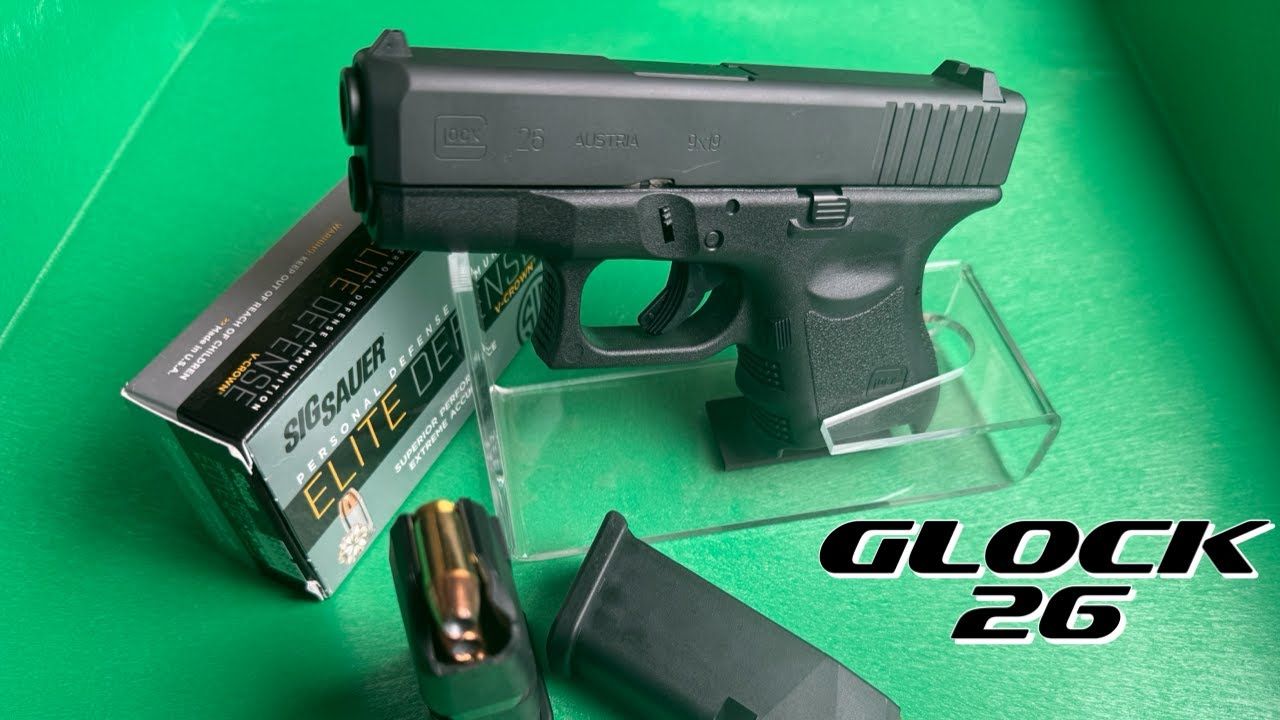
It is important to note that availability can fluctuate based on manufacturing schedules, distribution, and specific configurations. For example, while a Glock 19 Gen4 might be on the roster, a Glock 19 Gen5 may not be, due to the microstamping requirement or simply not having been submitted for certification. The distinction between generations is crucial because the California Department of Justice often certifies specific generations of a model. A previous generation that met the requirements may remain on the roster, while a newer generation may not.
The “Gen 3 Exemption” and Pre-Owned Market
A significant aspect of Glock ownership in California for models not currently on the roster involves the “grandfathering” of certain firearms and the robust pre-owned market. Specifically, Glock Gen 3 models are often the most commonly encountered and purchased Glocks in California. This is because many Glock Gen 3 pistols were on the roster before newer generation requirements, like microstamping, became a significant obstacle.
Furthermore, firearms that were legally possessed in California before certain ban dates or roster additions can often be transferred between private individuals. This means that a Glock Gen 5, for instance, if legally owned by a resident prior to any specific restrictions, could potentially be transferred through a licensed dealer via a private party transfer. This allows individuals to acquire models that are not presently available for direct sale from a manufacturer to a dealer to a consumer. However, these transfers still require the firearm to be handled by a licensed California dealer to ensure compliance with all state and federal transfer laws, including background checks. The pre-owned market is therefore a vital avenue for acquiring a wider variety of Glock models, even those not currently on the active sales roster.
Acquiring Off-Roster Glocks Legally
For those seeking specific Glock models that are not listed on the California Roster of Handguns Certified for Sale, there are limited avenues for legal acquisition. These methods often involve navigating exemptions or utilizing the secondary market through specific legal channels.
Law Enforcement Exemption
One notable exemption applies to law enforcement officers. In many cases, sworn law enforcement officers have greater latitude in acquiring firearms, including those not on the civilian roster. This is often due to the need for officers to be proficient with a wide range of firearms for their duties. However, the specifics of this exemption can vary, and officers should always consult with their department’s armory or legal counsel.
Out-of-State Purchases and Relocation
Another scenario involves individuals who legally acquire a firearm out-of-state and then move to California. Federal law, coupled with California’s specific regulations, dictates the process for bringing firearms into the state. Generally, if a firearm was legally owned in another state, and the individual becomes a California resident, they can bring that firearm into California. However, the firearm must still be “California legal” to be possessed long-term unless specific exemptions apply. For handguns, this usually means the handgun must be on the roster, or it must have been lawfully possessed by the individual in California prior to certain dates. Bringing an off-roster handgun into California after becoming a resident is often prohibited unless it falls under a specific exemption or was acquired by the individual prior to establishing residency.
The Role of Firearm Safety Devices and Modifications
It is crucial to understand that simply possessing a firearm that is not on the roster does not automatically make it illegal to own if it was acquired legally before certain legislative changes. However, attempting to import or purchase an off-roster handgun directly from a manufacturer or out-of-state dealer for sale in California is generally prohibited unless it meets the roster requirements or a specific exemption is applicable. Furthermore, any modifications to a firearm to make it compliant or compliant with specific California requirements must be done by qualified individuals and must not violate any other state or federal laws. For instance, trying to modify a firearm to add a feature that would hypothetically make it roster-compliant, if that feature is also restricted by other California laws, would be illegal.
Conclusion: Staying Informed About California’s Firearms Laws
The regulations surrounding firearm ownership in California are intricate and subject to change. For Glock enthusiasts, understanding the Roster of Handguns Certified for Sale is paramount. While many popular Glock models have been available through licensed dealers for years, the microstamping requirement has presented a significant barrier to the introduction of newer generations. This has led to a greater reliance on the pre-owned market and an understanding of various legal exemptions.
For any prospective firearm owner in California, it is essential to conduct thorough research and consult with licensed firearms dealers and legal experts. Laws can be nuanced, and misinterpretations can lead to serious legal consequences. Staying informed about the latest legislative updates and the specifics of the California Department of Justice’s regulations ensures responsible and lawful firearm ownership. The appeal of Glock firearms lies in their reliability, simplicity, and versatility, and while California’s laws present unique challenges, navigating them requires diligence and a commitment to compliance. The goal is to enjoy firearm ownership legally and safely within the Golden State.
LifeOutOfTheBox is a participant in the Amazon Services LLC Associates Program, an affiliate advertising program designed to provide a means for sites to earn advertising fees by advertising and linking to Amazon.com. Amazon, the Amazon logo, AmazonSupply, and the AmazonSupply logo are trademarks of Amazon.com, Inc. or its affiliates. As an Amazon Associate we earn affiliate commissions from qualifying purchases.