
Florida, a state renowned for its sun-drenched beaches, vibrant theme parks, and lush natural beauty, also harbors a delightful avian population. Among the many species that grace the skies and trees of the Sunshine State, the cardinal holds a special place in the hearts of many. The question, “Are there cardinals in Florida?” is a common one for both residents and visitors, particularly those with an interest in birdwatching or simply appreciating the local wildlife. The answer is a resounding yes, and these striking birds are a welcome sight across a wide range of habitats throughout the state.

The presence of cardinals in Florida is not a recent phenomenon; they are established, year-round residents. Unlike migratory birds that pass through seasonally, Northern Cardinals (Cardinalis cardinalis) have found Florida to be an ideal environment for nesting, foraging, and thriving. Their adaptability allows them to flourish in diverse settings, from dense woodlands and suburban gardens to urban parks and coastal scrub. This widespread distribution makes encounters with cardinals a relatively common and rewarding experience for anyone exploring Florida’s natural landscapes.
Understanding the Northern Cardinal in Florida
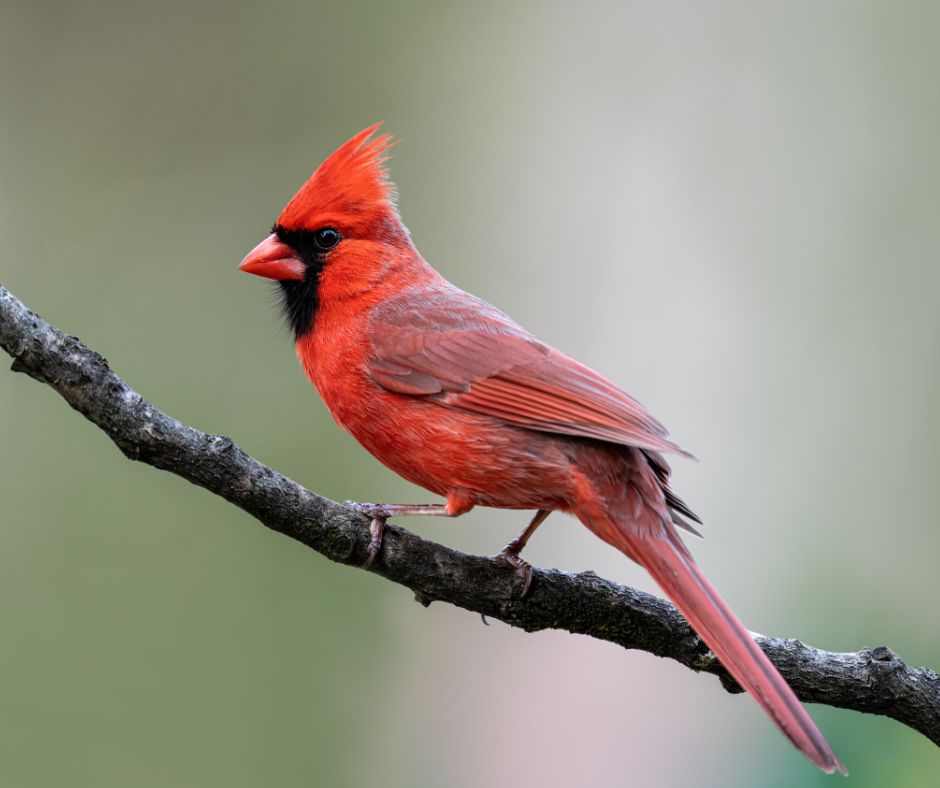
The Northern Cardinal is instantly recognizable, particularly the male, with its brilliant crimson plumage, black mask, and distinctive crest. The females, while more subdued in color with shades of brown and olive, also possess the characteristic crest and a reddish tinge to their wings, tail, and breast. This sexual dimorphism is a common trait in many bird species, aiding in camouflage for the females during nesting.
Habitat Preferences
Cardinals are not picky about their immediate surroundings, which contributes to their ubiquitous presence in Florida. They tend to favor areas with dense undergrowth, thickets, and shrubs, providing ample cover for nesting and protection from predators. This preference makes them a frequent visitor to the backyards of homes throughout cities like Miami, Orlando, and Tampa, as well as more rural and natural settings.
- Woodlands and Forests: Cardinals can be found in the pine flatwoods, hammocks, and cypress swamps characteristic of Florida’s diverse ecosystems. Areas within state parks and national forests, such as the Everglades National Park or the Ocala National Forest, offer prime habitat.
- Suburban and Urban Gardens: Perhaps the most common place to see cardinals is in well-landscaped gardens and parks within residential areas. Bird feeders, berry-producing shrubs, and mature trees create an inviting environment for them. Many residents in towns across Florida will attest to regular visits from these colorful birds.
- Agricultural Lands and Edge Habitats: The edges of farms, orchards, and other cultivated areas, where natural vegetation meets open fields, also provide suitable foraging and nesting sites.
Diet and Foraging Behavior
The diet of the Northern Cardinal in Florida is varied and opportunistic, reflecting the abundant resources available. They are primarily granivorous, meaning they eat seeds, but also supplement their diet with insects, fruits, and berries. This dietary flexibility is key to their year-round survival.
- Seeds: Their strong, conical beaks are perfectly adapted for cracking seeds. Cardinals are frequent visitors to bird feeders, where they will readily consume sunflower seeds, safflower seeds, and cracked corn.
- Insects: During the breeding season, insects become a more significant part of their diet, providing essential protein for feeding nestlings. This includes beetles, grasshoppers, caterpillars, and other invertebrates.
- Fruits and Berries: Native Florida plants such as sumac, dogwood, and various berry-producing shrubs are important food sources, especially during the fall and winter months. They are also known to eat cultivated fruits in gardens.
Their foraging behavior is characterized by a combination of ground-feeding and perching. They often hop along the ground, searching for fallen seeds and insects, or perch on branches, scanning their surroundings for food.
Observing Cardinals in Florida: Tips for Birdwatchers
For those who wish to actively seek out and observe cardinals in Florida, a few simple strategies can enhance the experience. Their commonality makes them accessible, but understanding their habits can lead to more rewarding encounters.
Best Locations and Times
While cardinals are widespread, certain locations and times of day might offer better viewing opportunities.

- Nature Preserves and Parks: Exploring Florida’s numerous state and county parks, wildlife refuges, and nature trails is an excellent way to find cardinals in more natural settings. Destinations like the Audubon Corkscrew Swamp Sanctuary or the Myakka River State Park are known for their rich birdlife.
- Residential Areas: Don’t underestimate the birdwatching potential of your own backyard or a neighborhood park. Many suburban areas with mature trees and landscaping are ideal cardinal habitats.
- Dawn and Dusk: Like many birds, cardinals are most active during the early morning and late afternoon hours. This is when they are typically foraging for food and engaging in territorial behaviors.
- Breeding Season (Spring and Summer): During the spring and summer months, cardinals are more vocal and active as they establish territories, court mates, and raise young. Their singing can often lead you to their location.
Attracting Cardinals to Your Yard
If you live in Florida and wish to encourage cardinals to visit your property, several landscaping and feeding strategies can be employed.
- Plant Native Berry-Producing Shrubs and Trees: Incorporating plants that offer natural food sources is a sustainable way to attract birds. Examples include beautyberry (Callicarpa americana), holly species, and elderberry.
- Provide a Water Source: A bird bath or a shallow water feature can be a powerful attractant, especially during dry periods. Cardinals, like all birds, need access to water for drinking and bathing.
- Install Bird Feeders: Seed feeders stocked with black oil sunflower seeds are a cardinal favorite. Nyjer seed is less popular with them, so a mix heavy on sunflower seeds is recommended. Squirrel-proof feeders can also be helpful in shared spaces.
- Offer Shelter: Dense shrubs, evergreen trees, and brush piles provide essential cover from predators and harsh weather, making your yard a more desirable habitat.
The Cardinal’s Song: A Florida Soundtrack
One of the most distinctive features of the Northern Cardinal is its song. Both males and females sing, a habit less common among songbirds where primarily males vocalize. Their songs are often described as cheerful, whistled phrases, with variations that can indicate different meanings, such as territorial defense, courtship, or alarm calls.
Common Cardinal Vocalizations
- “Cheer, cheer, cheer,” “Birdie, birdie, birdie,” or “What cheer, cheer, cheer” are commonly heard phrases, often repeated. The melody is clear and often carries well through open spaces.
- Sharp “chip” notes are frequently used as contact calls between individuals or as alarm calls when danger is perceived.
- Female vocalizations can sometimes be more complex, incorporating trills and varied patterns, often in response to the male’s song.
The persistent singing of cardinals adds a lively and familiar soundtrack to the Florida environment, especially in the morning hours. Hearing their cheerful melodies is an integral part of the experience of being outdoors in the state.
Cardinals as Symbols and Attractions
The Northern Cardinal is more than just a common bird in Florida; it holds cultural significance and is a beloved part of the state’s natural heritage. Its vibrant color and familiar presence have made it a popular subject for art, photography, and general appreciation.
The State Bird of Several States
While not the official state bird of Florida, the Northern Cardinal holds this honor in seven other U.S. states: Illinois, Indiana, Kentucky, North Carolina, Ohio, Virginia, and West Virginia. Its widespread appeal and distinctive beauty have led to its recognition as a beloved symbol of nature across many regions.
Birdwatching as a Florida Activity
Florida’s rich biodiversity makes it a premier destination for birdwatching. The presence of year-round residents like the Northern Cardinal adds to the appeal for both novice and experienced ornithologists. Birding tours and events are common throughout the state, and the opportunity to spot a flash of brilliant red against the green foliage is often a highlight for many visitors. Whether you are exploring the Florida Keys or the inland swamps, the chance to see a cardinal is high, contributing to the overall richness of Florida’s wildlife tourism.
In conclusion, the question of whether cardinals are present in Florida is definitively answered with a strong affirmation. These beautiful and adaptable birds are an integral part of the state’s avian landscape, gracing habitats from dense forests to urban gardens. Their cheerful songs, striking appearance, and accessible nature make them a constant source of delight for those who appreciate the natural world around them, solidifying their place as a cherished resident of the Sunshine State.
LifeOutOfTheBox is a participant in the Amazon Services LLC Associates Program, an affiliate advertising program designed to provide a means for sites to earn advertising fees by advertising and linking to Amazon.com. Amazon, the Amazon logo, AmazonSupply, and the AmazonSupply logo are trademarks of Amazon.com, Inc. or its affiliates. As an Amazon Associate we earn affiliate commissions from qualifying purchases.