
The question of “How far is Columbus, Ohio to Chicago, Illinois?” is one that many travelers ponder, whether planning a road trip, a quick flight, or simply curious about the geography of the American Midwest. The distance between these two vibrant Midwestern hubs is a significant but easily traversable one, offering a range of transportation options to suit different preferences and budgets. Understanding this distance is the first step in unlocking the potential for a memorable journey between two distinct, yet connected, urban landscapes.
The Direct Distance: Measuring the Miles
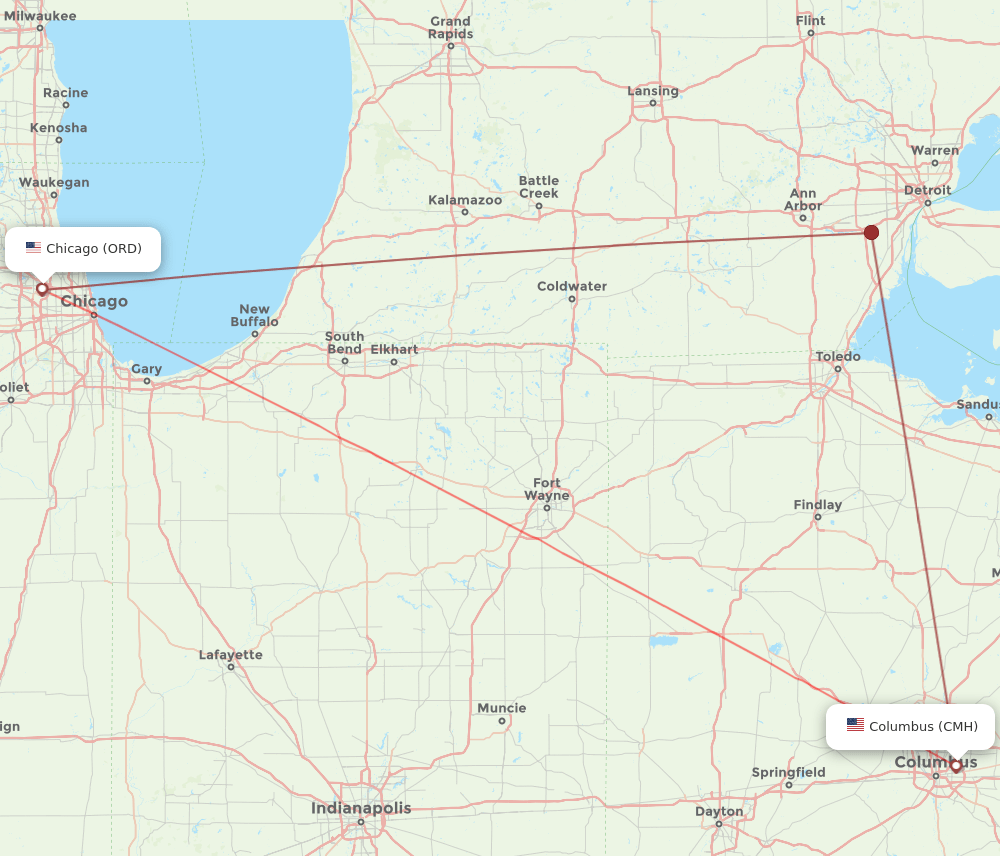
At its core, the distance between Columbus, Ohio, and Chicago, Illinois, is a matter of miles. Geographically, these cities are separated by a straight-line distance, often referred to as “as the crow flies,” which provides a baseline understanding. However, for practical travel, this direct measurement is less relevant than the actual routes available.
Driving Distance and Route Planning
The most common method of travel between Columbus and Chicago is by car. The driving distance is approximately 350 to 370 miles, depending on the specific starting and ending points within each city and the chosen route. This distance translates to a manageable road trip that can be completed in a single day, though most travelers opt to break it up for a more relaxed experience or to explore points of interest along the way.
The primary interstate highway connecting the two cities is I-80 West for a significant portion of the journey, often combined with I-90 West and then transitioning to I-94 West as you approach Chicago. Another common route involves I-70 West out of Columbus before connecting to I-74 West and eventually I-55 North into Chicago. Each route offers slightly different scenery and potential stopover cities.
Estimated Driving Time
Without significant traffic or extended stops, the drive typically takes between 5.5 to 7 hours. However, this is an optimistic estimate. Factors such as construction, weather conditions, and the inevitable traffic congestion, particularly as you approach the outskirts of Chicago, can easily extend this travel time. Planning for potential delays and factoring in time for meals and rest breaks is crucial for a smooth road trip. A prudent traveler might allocate 8-10 hours for the journey, allowing for flexibility and the enjoyment of the drive.
Navigational Tools and Route Optimization
Modern navigation tools, such as Google Maps, Waze, and integrated GPS systems in vehicles, are invaluable for planning and executing this drive. These platforms provide real-time traffic updates, suggest alternative routes to avoid congestion, and offer estimated arrival times. They can also highlight points of interest, gas stations, and restaurants along the way, transforming a simple drive into an opportunity for discovery.
Alternative Travel Methods: Beyond the Road
While driving is a popular choice, it’s not the only way to get from Columbus to Chicago. Several other transportation methods offer speed, convenience, or a different travel experience.
Air Travel: The Fastest Option
For those prioritizing speed, flying is the clear winner. The distance between Columbus and Chicago is well-served by commercial flights. Major airports in both cities include John Glenn Columbus International Airport (CMH) and Chicago O’Hare International Airport (ORD) or Chicago Midway International Airport (MDW).
Flight Duration and Airport Procedures
The actual flight time between Columbus and Chicago is remarkably short, typically ranging from 1 hour to 1 hour and 30 minutes. However, this is just the airborne portion of the journey. When you factor in travel time to and from the airports, check-in procedures, security screenings, and boarding, the total travel time can easily extend to 4-5 hours door-to-door. Despite this, for many, the efficiency of air travel for this distance is unparalleled.

Train Travel: A Scenic and Relaxing Alternative
For a more relaxed and scenic journey, Amtrak offers train services between Columbus and Chicago. While not as fast as flying, train travel provides a comfortable and often picturesque way to experience the landscape of the Midwest.
Route and Travel Time on the Rails
The primary Amtrak route involves services like the Capitol Limited or connecting trains that will eventually lead to Chicago. The total travel time by train is significantly longer than driving or flying, typically ranging from 8 to 12 hours, depending on the specific route and any layovers. This makes it more of an overnight or a full-day journey, ideal for those who enjoy the experience of train travel and have the time to spare. The advantage lies in the ability to relax, work, or simply enjoy the views without the stress of driving or airport hassles.
Planning Your Trip: Considerations for Distance
The “how far” question also encompasses practical considerations for planning your trip. The distance impacts not only travel time but also the types of experiences you can have and the logistics involved.
Budgetary Factors
The cost of traveling between Columbus and Chicago can vary significantly depending on your chosen mode of transport.
- Driving: Fuel costs, potential overnight stays if breaking up the drive, and food expenses are the primary considerations. For a solo traveler or a couple, driving can often be the most economical option, especially if you already own a vehicle.
- Flying: Airfare prices fluctuate based on booking time, airline, and season. Additional costs include baggage fees, airport parking or ride-sharing, and transportation from the Chicago airport to your final destination.
- Train: Amtrak fares also vary. While often more expensive than driving for multiple passengers, it can be competitive for solo travelers when factoring in the total cost of a road trip (including potential accommodation). The fare often includes a comfortable seat and the ability to move around the train.
Time Management and Itinerary Building
The distance directly influences how much time you can spend at your destination. If you only have a weekend, flying might be the only feasible option to maximize your time in Chicago. If you have a few days, driving or taking the train allows for a more leisurely pace and the opportunity to explore stops along the way.
Potential Stopover Destinations
The journey between Columbus and Chicago offers several potential stopover opportunities for those driving or taking the train. Cities like Fort Wayne, South Bend, or smaller towns along the way can serve as convenient breaks or even short destinations in themselves. This adds another dimension to the “how far” question, as it expands the journey into an exploration of the regional landscape.
Embracing the Journey: From Columbus to Chicago
Understanding the distance between Columbus and Chicago is more than just knowing miles on a map. It’s about recognizing the various pathways that connect these two important Midwestern cities and how each route offers a unique travel experience. Whether you’re seeking the efficiency of air travel, the freedom of the open road, or the relaxed pace of the train, the journey between Columbus and Chicago is a well-trodden path offering a gateway to adventure and exploration.

The Allure of Two Midwestern Capitals
Columbus, the capital of Ohio, is a city known for its thriving arts scene, diverse culinary landscape, and energetic downtown. In contrast, Chicago, the “Windy City,” boasts iconic architecture, world-class museums, and a legendary blues and jazz music heritage. The approximately 350-mile distance between them is a bridge that allows for easy access to these distinct cultural offerings, making it a popular corridor for both leisure and business travel. The relative proximity means that a weekend getaway to one from the other is not only possible but highly recommended for those looking to experience the breadth of what the Midwest has to offer.
LifeOutOfTheBox is a participant in the Amazon Services LLC Associates Program, an affiliate advertising program designed to provide a means for sites to earn advertising fees by advertising and linking to Amazon.com. Amazon, the Amazon logo, AmazonSupply, and the AmazonSupply logo are trademarks of Amazon.com, Inc. or its affiliates. As an Amazon Associate we earn affiliate commissions from qualifying purchases.