
The enduring mystique of Hotel California by the Eagles has captivated listeners for decades, transcending its status as a mere rock anthem to become a cultural touchstone. While often interpreted through various lenses, the song’s lyrical landscape and evocative imagery paint a vivid, albeit allegorical, picture of a specific kind of establishment: the alluring and ultimately inescapable hotel. This exploration delves into the metaphorical significance of this fictional lodging, examining its role as a symbol within the broader context of travel, particularly in relation to the excesses and illusions that can accompany the pursuit of pleasure and a particular kind of lifestyle.
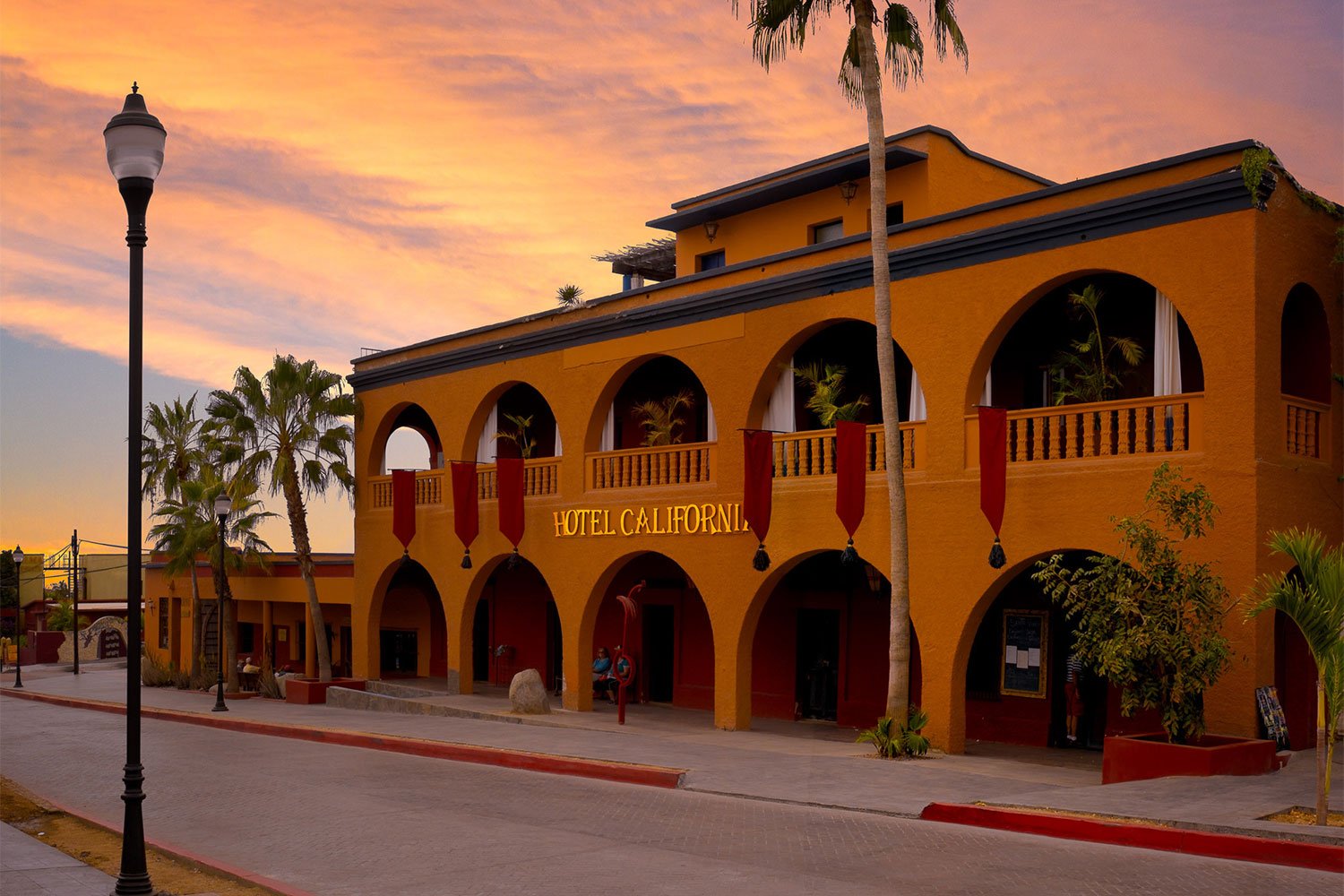
The Allure of the Unreachable Destination
The narrative of “Hotel California” begins with a journey, a traveler seeking refuge from the harsh realities of the road. The titular hotel appears as a beacon of comfort and promise, a sanctuary from the elements and the weariness of travel. This initial depiction taps into a fundamental human desire: the yearning for an idealized destination, a place that offers respite, luxury, and perhaps even a sense of belonging.
The Lure of Luxury and Escape
From the outset, Hotel California is presented as more than just a place to rest. The “shimmering light” and the “cool, damp air” suggest an atmosphere of sophisticated indulgence. The mention of “sweet summer sweat” and “perfume” hints at a sensory experience, a departure from the mundane. This aligns with the allure of many luxury hotels and resorts, which promise an escape from everyday life, a chance to be pampered and to experience a world of curated beauty and comfort.
The Mirage of Paradise
However, the song subtly introduces a disquieting undertone. The welcoming facade of the hotel gradually gives way to an unsettling reality. The traveler finds himself unable to leave, trapped within its gilded cage. This motif of the unattainable or inescapable paradise is a recurring theme in travel narratives, where the initial excitement of discovering a new destination can sometimes morph into a realization that the idealized vision doesn’t quite match the complex truth. Many famous destinations, from the fleeting beauty of a remote island to the vibrant chaos of a bustling metropolis, can evoke similar feelings of enchantment followed by a more grounded, and sometimes challenging, experience.
The Hotel as a Metaphor for Excess
Beyond its literal depiction of a lodging, “Hotel California” functions as a powerful allegory for the dangers of unchecked indulgence and the seductive nature of a lifestyle built on superficial pleasures. The hotel itself becomes a character, a living entity that ensnares its guests.
The Feast and the Folly
The song describes a grand feast, a lavish display of excess that masks a deeper emptiness. “So I called up the Captain, ‘Please bring me my wine.’ / He said, ‘We haven’t had that spirit here since nineteen sixty-nine.'” This line, among others, suggests a decline from a more authentic or vibrant past, a time when the hotel, or perhaps the lifestyle it represents, held a different kind of spirit. This resonates with the experience of visiting historic hotels or resorts that may have seen better days, their former glory now a whisper in opulent hallways.
The Spiraling Descent
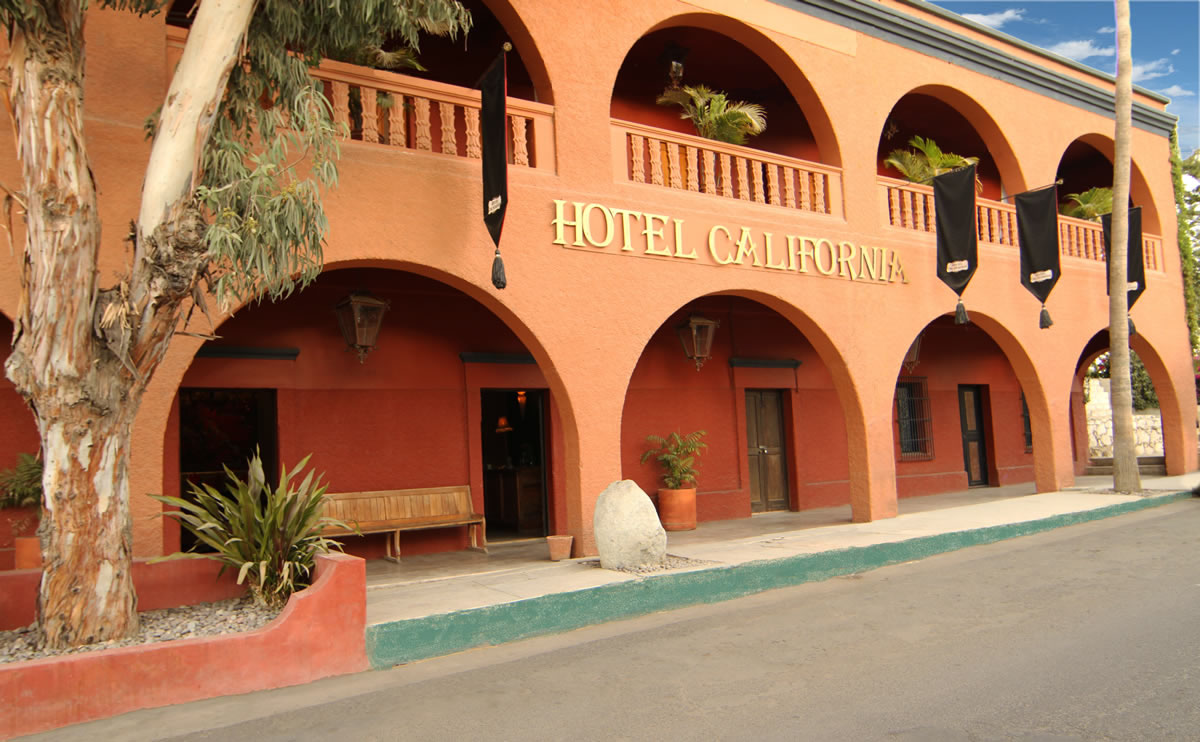
The hotel’s hospitality gradually morphs into a form of captivity. The guests, described as “prisoners,” are bound by their own desires and the hotel’s allure. They are “here to stay,” a chilling declaration that underscores the theme of entrapment. This can be seen as a commentary on how the pursuit of luxury and constant gratification can lead to a form of addiction, where one becomes enslaved to the very things that were initially sought for pleasure. The opulence of a Las Vegas casino or the immersive experience of an all-inclusive resort can, for some, become a similar cycle of indulgence that is difficult to break free from.
The “Eagles'” Perspective: A Commentary on the Music Industry and Lifestyle
While the Eagles themselves have offered various interpretations, a prominent and widely accepted reading of “Hotel California” views it as a critique of the hedonistic and often self-destructive lifestyle prevalent in the music industry of the 1970s, particularly in Southern California.
The Golden State’s Illusion
The song evokes the imagery of the Californian dream – sunshine, success, and endless possibility. However, it simultaneously exposes the darker underbelly of this dream. Los Angeles, a city synonymous with the pursuit of fame and fortune, serves as a backdrop to this cautionary tale. The hotel, in this context, becomes a symbol of the allure and eventual disillusionment that many experienced in the pursuit of stardom. Many a tourist arrives in California with visions of Hollywood glamour, only to find a more complex and challenging reality.
The Price of Fame and Excess
The lyrics suggest a trade-off: the relinquishing of one’s freedom and authenticity for the superficial comforts and perceived rewards of a certain lifestyle. The line, “You can check out any time you like, but you can never leave!” is perhaps the most potent encapsulation of this theme. It speaks to the idea that once one is deeply entrenched in a world of excess and illusion, the path back to a simpler, more grounded existence becomes incredibly difficult, if not impossible. This sentiment can resonate with travelers who, after experiencing the vibrant, sometimes overwhelming, energy of a place like New Orleans, find it challenging to fully disconnect from its unique rhythm.
Enduring Relevance: The Hotel as a Universal Symbol
The enduring power of “Hotel California” lies in its ability to transcend its specific context and speak to universal human experiences. The hotel, as depicted in the song, serves as a potent metaphor for any situation or place that offers alluring promises but ultimately leads to a form of entrapment.
The Psychology of Attraction and Entrapment
The song taps into the psychological interplay between desire and consequence. We are drawn to comfort, beauty, and pleasure, but these same attractions can, if unchecked, become our undoing. The “prisoners” of the hotel are not necessarily physically bound, but rather held captive by their own choices and the seductive illusions that the establishment perpetuates. This is a sentiment that can be felt in various travel contexts, from the overwhelming allure of a city like Paris that can lead to overspending, to the isolating beauty of a remote villa that can sometimes breed a sense of detachment.
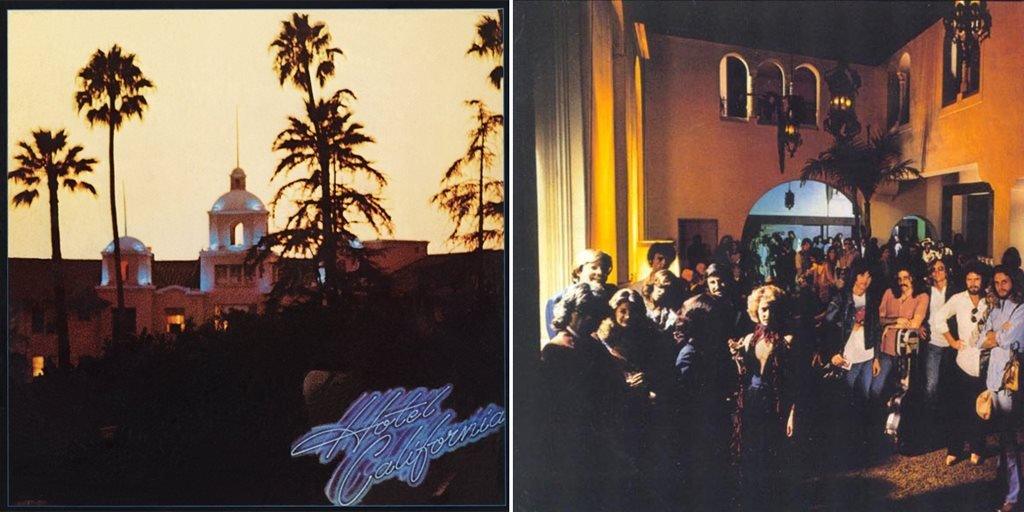
The Search for Authenticity in Travel
In an era where travel is increasingly commodified and curated, “Hotel California” serves as a timeless reminder to question the facades we encounter. It encourages a deeper engagement with the places we visit, to look beyond the surface glamour and seek out genuine experiences. While the allure of a luxurious stay at a landmark hotel like The Plaza Hotel is undeniable, the song prompts reflection on what we truly seek when we travel and the potential costs of pursuing an idealized, yet ultimately hollow, experience. The journey, as “Hotel California” suggests, is not just about arriving at a destination, but about the choices we make and the illusions we allow to take hold along the way. The hotel, in its enigmatic presence, remains a potent symbol of this complex human endeavor.
LifeOutOfTheBox is a participant in the Amazon Services LLC Associates Program, an affiliate advertising program designed to provide a means for sites to earn advertising fees by advertising and linking to Amazon.com. Amazon, the Amazon logo, AmazonSupply, and the AmazonSupply logo are trademarks of Amazon.com, Inc. or its affiliates. As an Amazon Associate we earn affiliate commissions from qualifying purchases.