
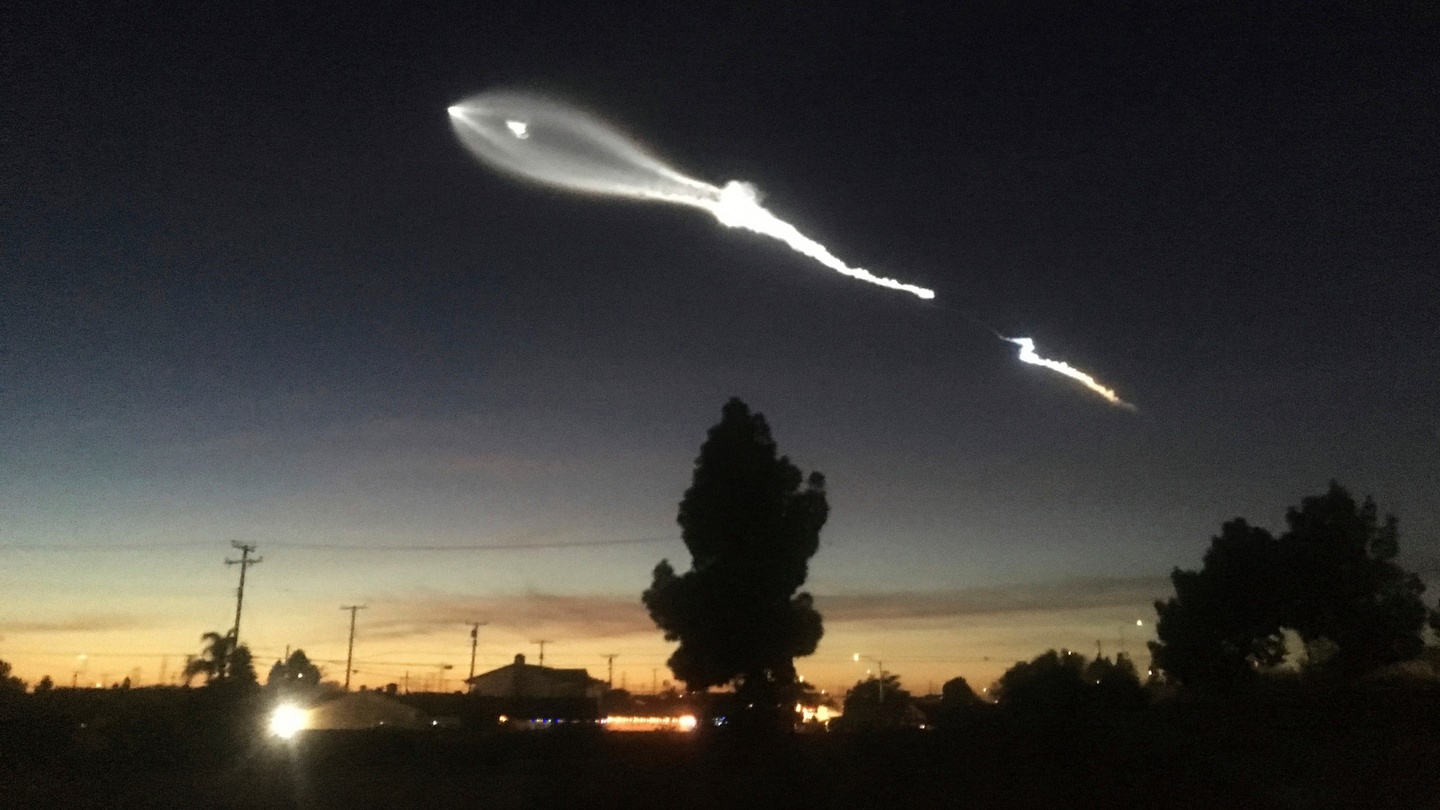
The skies above California have long been a canvas for both natural wonders and human ingenuity. In recent times, reports of unusual lights in the sky over Mission Viejo, a planned community in Orange County, have sparked curiosity and a desire to understand the phenomena. While initial speculation often veers towards the extraterrestrial, a closer examination reveals a spectrum of plausible explanations rooted in science, technology, and the unique environment of Southern California. This exploration delves into the most likely candidates for the luminous displays observed, offering insights for residents and visitors alike who seek to comprehend these celestial spectacles.
Atmospheric Phenomena and Natural Displays
The Earth’s atmosphere is a dynamic and complex system, capable of producing a stunning array of visual phenomena that can be mistaken for something more extraordinary. Understanding these natural occurrences is crucial when attempting to identify unusual lights in the sky.
Celestial Optics and Illusions
The interplay of light, atmospheric particles, and weather conditions can create optical illusions that manifest as captivating, and at times perplexing, aerial displays.
Aurora Borealis and Australis
While typically associated with polar regions, in extremely rare and powerful geomagnetic storms, the Aurora Borealis and Aurora Australis can extend their reach to lower latitudes. These displays of vibrant, dancing lights are caused by charged particles from the sun interacting with gases in the Earth’s upper atmosphere. Though not a common occurrence over California, it remains a theoretical possibility for exceptionally intense solar activity.
Meteors and Meteor Showers
The streaking lights commonly referred to as “shooting stars” are, in fact, meteors – small pieces of rock or dust burning up as they enter Earth’s atmosphere. During known meteor showers, such as the Perseids or Geminids, the frequency of these visible events increases significantly. A particularly bright meteor, known as a fireball, can illuminate the sky for several seconds, sometimes even producing audible sonic booms. The clear, dark skies often found away from major urban centers in California can enhance the visibility of these celestial visitors.
Cloud Formations and Atmospheric Refraction
Certain unusual cloud formations and atmospheric conditions can also contribute to peculiar light phenomena. Lenticular clouds, for instance, can sometimes appear illuminated from within or reflect sunlight in striking ways, creating a sense of an internal glow. Moreover, atmospheric refraction, the bending of light as it passes through different densities of air, can distort the appearance of celestial bodies or terrestrial lights, leading to unusual visual effects.
Man-Made Illumination and Technological Displays
Beyond natural occurrences, the modern world presents a myriad of artificial light sources that can traverse the skies, often leading to misidentification. The sophistication and prevalence of technology mean that many aerial lights have mundane, yet fascinating, explanations.
Aircraft and Aerial Vehicles
The skies over California, particularly near major airports like Los Angeles International Airport, are constantly traversed by aircraft.
Commercial and Private Aircraft

The steady lights of commercial airliners, with their blinking anti-collision lights and steady navigation lights, are a common sight. Their patterns and trajectories can sometimes appear unusual, especially when observed from a distance or at odd angles. Private planes, helicopters, and even drone traffic add to the complexity of aerial visibility.
Military and Research Flights
The United States military frequently conducts exercises and operates advanced aircraft, some of which may possess unique lighting configurations or flight characteristics. Unmanned aerial vehicles (UAVs), or drones, equipped with powerful lights for surveillance or other purposes, have also become increasingly common and can present unusual visual signatures. Occasionally, specialized research flights involving high-altitude balloons or experimental aircraft might also be observed.
Light Pollution and Terrestrial Sources
While not originating in the sky, terrestrial light sources can have a significant impact on what is perceived as being “in the sky,” especially when diffused or reflected.
Urban Glow and Atmospheric Scattering
Mission Viejo, like many populated areas, experiences light pollution. The collective glow from streetlights, buildings, and advertising can scatter in the atmosphere, creating a diffuse illumination that can be mistaken for a distant light source or an unusual atmospheric event. This effect is more pronounced on nights with higher humidity or haze.
Laser Light Shows and Fireworks
Large-scale events such as concerts, festivals, or holiday celebrations often feature elaborate laser light shows or pyrotechnics. The beams from powerful lasers, when projected into the atmosphere, can create striking patterns that appear to originate from or move within the sky. Similarly, fireworks, with their explosive bursts of color and light, are a direct and unmistakable form of aerial illumination, though their temporary nature usually distinguishes them from persistent or moving lights.
Unidentified Aerial Phenomena (UAP) and Ongoing Investigations
While science and technology offer many probable explanations for aerial lights, the realm of Unidentified Aerial Phenomena (UAP) continues to be a subject of public fascination and, increasingly, official scrutiny.
Defining UAP
The term UAP, formerly known as Unidentified Flying Objects (UFOs), refers to any aerial phenomenon that cannot be immediately identified. It is crucial to distinguish between the object itself and the unidentified nature of its observation. Many UAP sightings are later identified as conventional aircraft, natural phenomena, or other explainable events. However, a small percentage remain officially unexplained.
Official Interest and Research
In recent years, governments, including that of the United States, have shown renewed interest in UAP. This has led to the establishment of dedicated offices and initiatives to collect, analyze, and declassify reports of UAP sightings. The aim is to improve situational awareness and assess any potential national security implications.

Considerations for Observing UAP
When encountering an unusual light in the sky over Mission Viejo or elsewhere, a systematic approach to observation can be beneficial. Documenting the time, date, location, duration, apparent size, shape, color, movement, and any accompanying sounds is vital. Comparing observations with known flight paths of aircraft and with astronomical calendars for meteor showers can help in identifying common phenomena. For truly anomalous sightings, detailed reporting to relevant authorities or scientific organizations can contribute to the broader understanding of these occurrences.
In conclusion, while the allure of the unknown is powerful, most lights observed in the sky over Mission Viejo can be attributed to a combination of well-understood natural atmospheric processes and diverse man-made technologies. The ongoing study of UAP, however, ensures that even the most perplexing aerial displays are subjects of continued investigation, enriching our understanding of the skies above us and the dynamic world we inhabit.
LifeOutOfTheBox is a participant in the Amazon Services LLC Associates Program, an affiliate advertising program designed to provide a means for sites to earn advertising fees by advertising and linking to Amazon.com. Amazon, the Amazon logo, AmazonSupply, and the AmazonSupply logo are trademarks of Amazon.com, Inc. or its affiliates. As an Amazon Associate we earn affiliate commissions from qualifying purchases.