
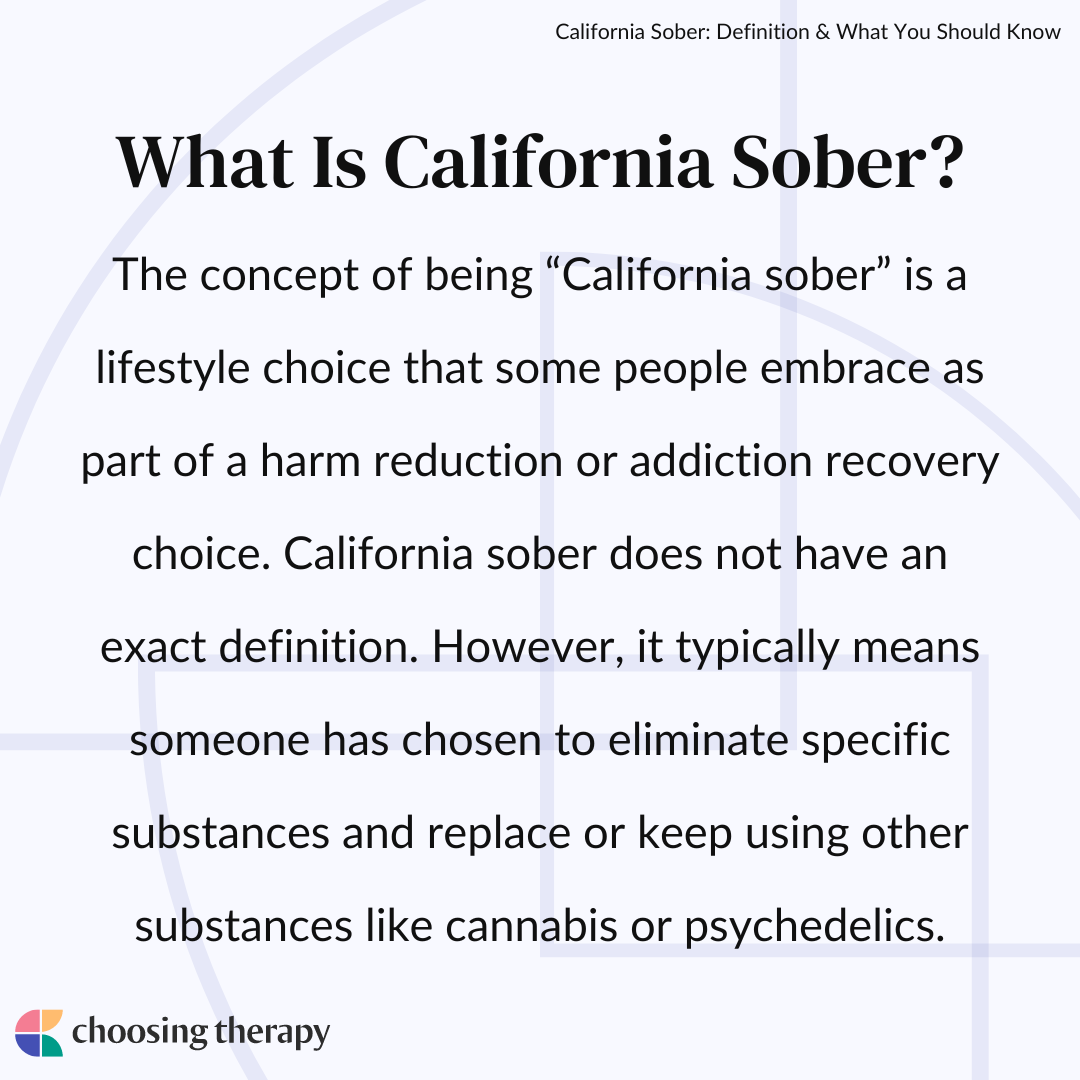
California, a state synonymous with sunshine, innovation, and a laid-back ethos, has long been a trendsetter. From Hollywood glamour to Silicon Valley disruption, the Golden State often shapes national conversations and lifestyles. In recent years, a new cultural movement has emerged, resonating deeply within its borders and gaining traction nationwide: “California Sober.” This term describes a lifestyle choice that goes beyond traditional abstinence, focusing on reducing or eliminating alcohol consumption while still allowing for the occasional use of cannabis. It’s a nuanced approach to sobriety, reflecting a growing desire for mindful living, self-improvement, and a re-evaluation of societal norms around substance use.
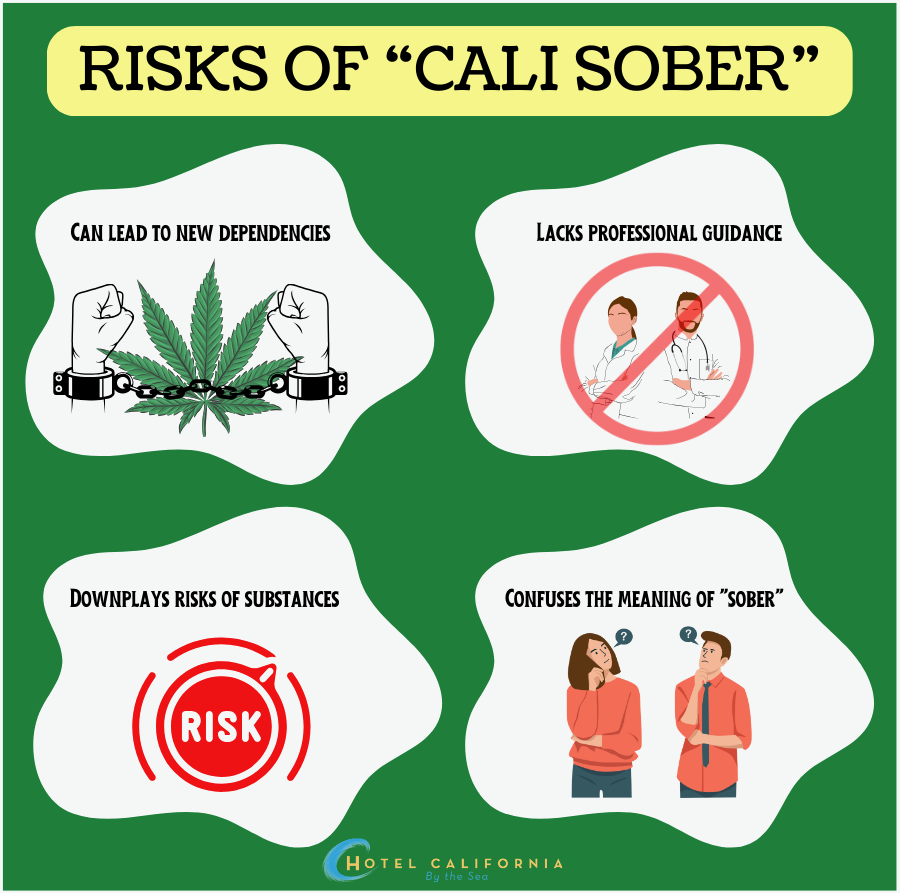
The California Sober movement isn’t about harsh judgment or absolute denial. Instead, it champions a more personalized and often more permissive path to well-being. For many, it represents a middle ground, a way to navigate social situations and personal wellness goals without the perceived downsides of alcohol. It’s a testament to the state’s progressive spirit, its embrace of alternative wellness practices, and its ongoing exploration of what it means to live a healthy, fulfilling life.
Understanding the California Sober Philosophy
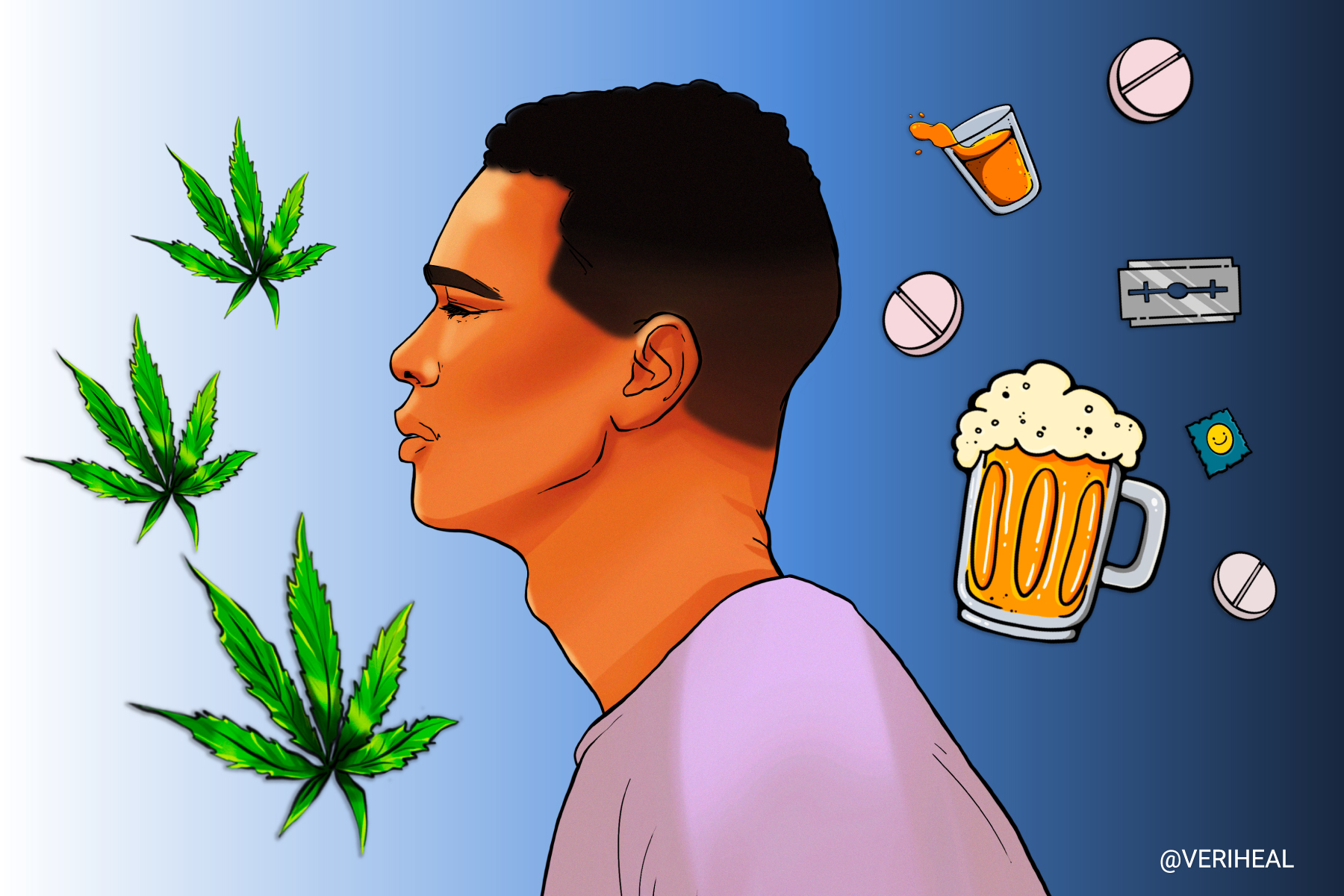
At its core, the California Sober lifestyle is characterized by a selective approach to substance use. While alcohol is largely set aside, cannabis is often incorporated as a tool for relaxation, creativity, or therapeutic benefit. This distinction is crucial. It differentiates California Sober from complete sobriety, which typically involves abstaining from all mind-altering substances.
The Role of Alcohol
Alcohol has been deeply ingrained in many social and cultural practices for centuries. It’s present at celebrations, dinners, and casual gatherings. For many individuals choosing the California Sober path, the decision to reduce or eliminate alcohol stems from a variety of reasons:
- Health Concerns: Growing awareness of alcohol’s negative impacts on physical and mental health, including its links to liver disease, heart problems, and increased risk of certain cancers, plays a significant role.
- Mental Well-being: Many report experiencing anxiety, depression, or sleep disturbances after consuming alcohol. Reducing or eliminating it can lead to improved mood, clarity, and better sleep quality.
- Personal Growth: For some, alcohol can hinder personal development by dulling ambition, affecting focus, or contributing to procrastination. Choosing sobriety can unlock potential and foster a greater sense of purpose.
- Social Pressure: While alcohol is prevalent, an increasing number of people are questioning the necessity of its consumption in social settings and seeking alternatives that allow for genuine connection.
The Place of Cannabis
Cannabis, legalized for medicinal use in California in 1996 and for recreational use in 2016, occupies a different space within the California Sober framework. Its inclusion is often seen as a more “natural” or less harmful alternative to alcohol. Users may find that cannabis offers benefits such as:
- Relaxation and Stress Relief: Many turn to cannabis for its calming effects, helping them unwind after a long day or manage everyday stressors.
- Enhanced Creativity and Focus: For some, certain strains or consumption methods can foster a sense of heightened creativity or improved focus, making it a tool for artistic or intellectual pursuits.
- Pain Management and Therapeutic Benefits: Medical cannabis has long been recognized for its potential to alleviate chronic pain, reduce nausea, and address other medical conditions.
- Mindful Consumption: The California Sober approach often encourages a mindful and intentional use of cannabis, distinguishing it from excessive or habitual consumption. This includes understanding dosages, effects, and choosing products that align with personal goals.
It’s important to note that the California Sober approach is not a one-size-fits-all solution. Individuals define their own boundaries and may choose to abstain from alcohol entirely, or simply reduce their intake significantly, while still embracing cannabis. The flexibility of the movement is a key part of its appeal.
The Cultural Landscape of California Sober
The emergence of the California Sober lifestyle is deeply intertwined with the state’s unique cultural fabric. California has historically been a hub for alternative thinking, wellness trends, and a general openness to exploring different ways of living.
Wellness and Mindfulness
California has long been at the forefront of the wellness revolution. From yoga studios in Los Angeles to meditation retreats in Big Sur, the state fosters an environment where self-care and personal well-being are prioritized. The California Sober movement aligns perfectly with this ethos. It encourages individuals to be more attuned to their bodies and minds, making conscious choices about what they consume and how it affects their overall health. This aligns with practices like mindful eating, digital detoxes, and prioritizing mental health, all of which are prominent in Californian culture.
The Influence of Cannabis Culture
With its pioneering role in cannabis legalization, California has developed a sophisticated and diverse cannabis industry. This has led to greater acceptance and understanding of cannabis as a potential wellness tool. The availability of a wide range of products, from tinctures and edibles to high-quality flower and vapes, allows individuals to tailor their cannabis experience to their specific needs and preferences. The normalization of cannabis in California, within legal and regulated frameworks, has undoubtedly contributed to the rise of the California Sober lifestyle. It’s no longer seen as a fringe activity but as a legitimate option for those seeking alternatives to alcohol.
A New Era of Social Norms
The California Sober movement is also indicative of a broader shift in social norms, particularly among younger generations. There’s a growing willingness to question traditional practices and to prioritize personal values over societal expectations. This includes a less rigid view of substance use, where the focus is on moderation, intentionality, and individual well-being rather than adherence to outdated stigmas. This movement is contributing to a more open dialogue about alcohol consumption and its effects, encouraging people to make choices that feel right for them, rather than succumbing to peer pressure or tradition.
Embracing California Sober: Practical Considerations
Adopting a California Sober lifestyle is a personal journey, and like any significant lifestyle change, it involves mindful consideration and practical strategies. It’s about making informed choices that support your overall well-being and align with your personal values.
Setting Personal Boundaries
The first step in embracing California Sober is to define what it means for you. This might involve:
- Defining Your Alcohol Intake: Will you abstain completely from alcohol, or will you allow for occasional, infrequent consumption? There’s no single right answer; it depends on your personal goals and how alcohol affects you.
- Understanding Your Cannabis Use: If you choose to incorporate cannabis, what will be your approach? Will it be for specific occasions, for relaxation, or for medicinal purposes? It’s important to be clear about the role cannabis will play in your life.
- Identifying Triggers: Recognizing situations, emotions, or social contexts that might lead to the consumption of alcohol or excessive cannabis use is crucial for maintaining your chosen path.
Navigating Social Situations
Social events can present challenges for anyone making changes to their substance use. Here are some strategies for navigating them while embracing California Sober:
- Plan Ahead: Before attending a party or gathering, consider what you will drink or consume. Having a plan can prevent impulsive decisions. Non-alcoholic beverages, such as sparkling water with lime, artisanal sodas, or mocktails, are widely available and can be a satisfying alternative.
- Communicate Your Choices: You don’t need to make a grand announcement, but if asked, you can simply state that you’re not drinking alcohol at the moment or that you’re exploring a different lifestyle. Most people are respectful of personal choices.
- Focus on Connection: Shift your attention from what you are or aren’t consuming to the people you are with and the conversations you are having. Genuine connection doesn’t require alcohol.
- Have an Exit Strategy: If you find yourself feeling uncomfortable or tempted, have a plan to leave the situation gracefully.
Exploring Alternatives and Support
The California Sober lifestyle encourages exploration and self-discovery. This might involve:
- Discovering New Hobbies and Activities: When you remove alcohol, you often find you have more time and energy for other pursuits. This could be anything from hiking in Yosemite National Park to taking up painting or learning a new skill.
- Experimenting with Non-Alcoholic Beverages: The market for sophisticated non-alcoholic drinks is booming. Explore craft non-alcoholic beers, wines, spirits, and ready-made mocktails.
- Mindful Cannabis Consumption: If using cannabis, explore different strains, consumption methods, and dosages to find what best suits your needs. Many dispensaries in California offer knowledgeable staff who can provide guidance.
- Seeking Community: Connect with others who are exploring similar paths. Online forums, local meetups, or wellness communities can offer valuable support and shared experiences.
The California Sober approach is a dynamic and personal one. It’s about empowerment, self-awareness, and creating a lifestyle that truly supports individual well-being. As more people embrace this nuanced perspective, it continues to shape the conversation around health, happiness, and how we choose to live in California and beyond.
LifeOutOfTheBox is a participant in the Amazon Services LLC Associates Program, an affiliate advertising program designed to provide a means for sites to earn advertising fees by advertising and linking to Amazon.com. Amazon, the Amazon logo, AmazonSupply, and the AmazonSupply logo are trademarks of Amazon.com, Inc. or its affiliates. As an Amazon Associate we earn affiliate commissions from qualifying purchases.