
California, a state renowned for its fertile valleys and diverse microclimates, is a culinary powerhouse, and its agricultural bounty extends to one of the most beloved spring vegetables: the artichoke. For food enthusiasts and travelers eager to experience the freshest local produce, understanding the seasonality of ingredients is paramount. Artichokes, with their unique texture and delicate flavor, are a particular highlight in the Golden State. This guide delves into the peak seasons for California artichokes, exploring where to find them, and how to best enjoy this versatile delicacy.
The Artichoke Harvest in California: A Seasonal Overview
California artichokes are not a fleeting summer crop; their season is notably extended, offering a prolonged window of opportunity for culinary exploration. The primary growing regions, particularly around the coastal areas of central and northern California, benefit from the cool, foggy climate ideal for artichoke cultivation.
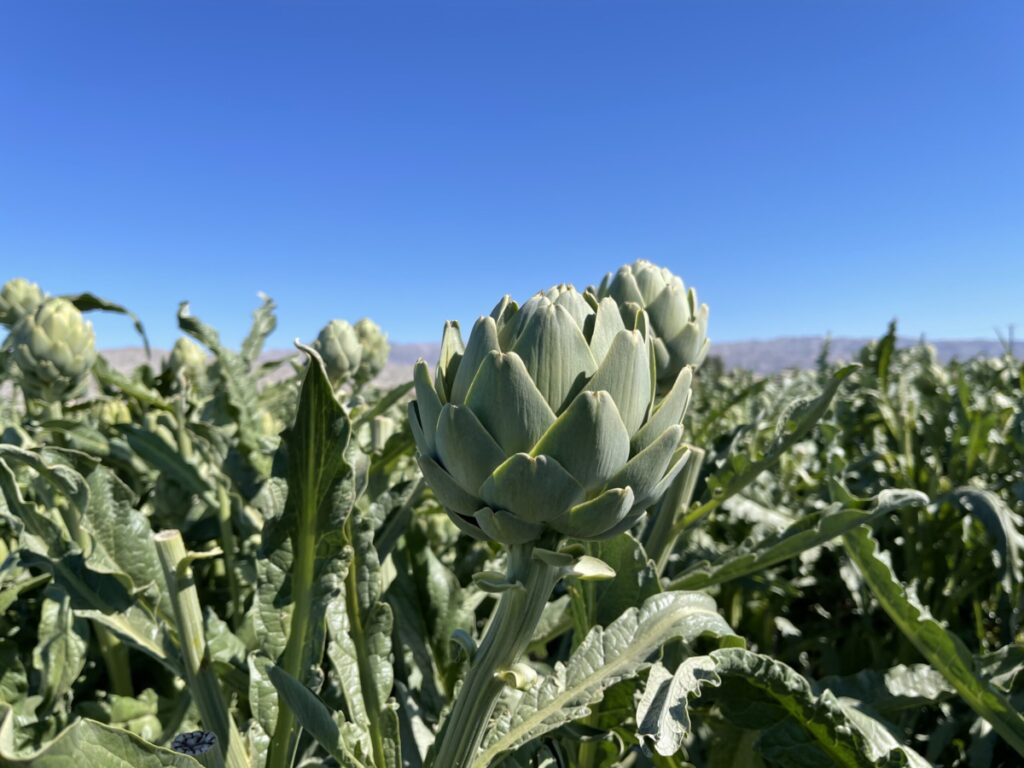
Peak Season: Spring’s Green Jewel
The most celebrated and abundant season for California artichokes is undoubtedly spring, typically commencing in March and stretching through May. During these months, the plants, often reaching impressive heights with their spiky leaves, produce their finest, most tender globes. This period is when the artichoke is at its most flavorful and readily available at farmers’ markets, grocery stores, and on restaurant menus across the state. The cool, moist air, often laden with coastal fog, is crucial for the artichokes to develop their characteristic sweetness and prevent them from becoming too tough.
Extended Harvest: Late Fall and Early Summer
While spring is the undisputed champion, California artichokes can also be found during other times of the year, albeit with slightly different characteristics and availability. A secondary harvest often occurs in late fall, from October through November. These late-season artichokes can be smaller and more intensely flavored, a testament to the plant’s resilience. Furthermore, depending on weather patterns and specific farming practices, some growers may see a limited yield in early summer. However, these later crops generally do not match the sheer volume and ideal quality of the spring harvest.
Year-Round Availability: A Nuance of Cultivation
It’s important to note that due to advanced agricultural techniques and a variety of artichoke cultivars, you might find artichokes in California supermarkets throughout the year. This is often achieved through staggered plantings and careful cultivation. However, for the discerning foodie seeking the peak of flavor and texture, focusing on the spring and late fall windows will yield the most rewarding culinary experience. The truly exceptional artichokes, those that grace the tables of fine dining establishments and are celebrated at local food festivals, are harvested during these prime periods.
Where to Savor California Artichokes
The journey to experiencing the best California artichokes extends beyond just knowing when they are in season; it involves knowing where to find them at their freshest. The agricultural heartlands of California offer numerous opportunities for direct engagement with this exceptional produce.
Farmers’ Markets: The Direct Connection
The most authentic way to experience California artichokes in season is by visiting the numerous farmers’ markets scattered across the state. From the bustling Ferry Plaza Farmers Market in San Francisco to the vibrant gatherings in Los Angeles and San Diego, these markets offer a direct connection to the growers. Here, you can speak with the farmers, learn about their cultivation methods, and select the plumpest, most vibrant artichokes straight from the source. Look for artichokes that feel heavy for their size, have tightly closed leaves, and exhibit a vibrant green hue. Some farmers may even offer unique heirloom varieties.
Agricultural Regions: A Culinary Pilgrimage
Certain regions in California are synonymous with artichoke cultivation. The Castroville area, often hailed as the “Artichoke Capital of the World,” is a must-visit for any artichoke aficionado. This small city, located in Monterey County, is surrounded by fields where artichokes have been grown for generations. Many farms in this region offer farm stands or have partnerships with local markets. Driving through the coastal routes of Monterey and San Luis Obispo counties will reveal extensive artichoke fields, particularly during their peak growing season.
Restaurants and Culinary Experiences
Beyond the markets, many California restaurants proudly feature artichokes on their menus during their in-season months. Restaurants that emphasize farm-to-table dining and seasonal ingredients are your best bet. Look for establishments in artichoke-growing regions or those that source their produce meticulously from local farms. Chef collaborations and special artichoke-themed menus are common during the spring harvest, offering a curated culinary experience. Participating in a cooking class that focuses on artichoke preparation can also be a deeply engaging way to learn about and enjoy this vegetable.
Varieties and Characteristics of California Artichokes
California grows several varieties of artichokes, each with subtle differences in size, shape, and flavor. Understanding these distinctions can enhance your appreciation and selection process.
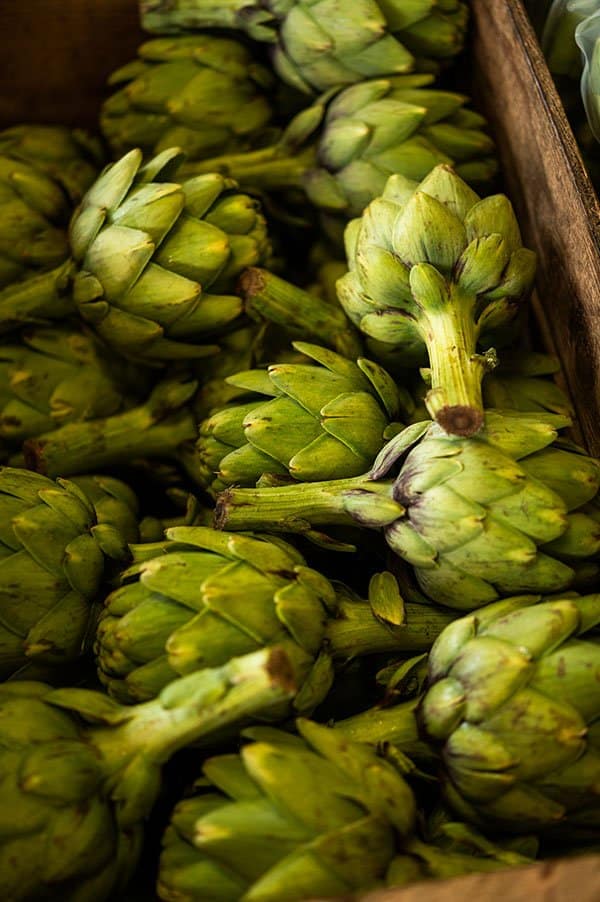
The Globe Artichoke: California’s Star
The vast majority of artichokes grown and consumed in California are of the globe type. This is the familiar, large, round artichoke with tightly packed leaves that opens to reveal the tender heart.
- Green Globe: This is arguably the most common and iconic variety, known for its large size, thick petals, and excellent flavor. It’s robust and holds up well to various cooking methods.
- Imperial Star: A more recent development, the Imperial Star is a hybrid that matures earlier and is known for its consistent shape and high yield. It offers a tender heart and delicate flavor.
- Tondo: Another popular variety, Tondo is similar to the Green Globe, characterized by its round shape and substantial size.
Other Notable Varieties and Considerations
While globe artichokes dominate, growers may experiment with other types, and seasonal variations can influence characteristics.
- Baby Artichokes: These are not a separate variety but rather smaller artichokes harvested earlier from the main plant or from side shoots. They are often more tender, with smaller, more delicate leaves and a higher ratio of edible heart to total weight. They are particularly popular for grilling and sautéing.
- Purple Artichokes: Occasionally, you might encounter artichokes with a purplish hue. These are often young or specific cultivars that develop this coloration. They are typically just as delicious as their green counterparts, sometimes with a slightly sweeter note.
When selecting artichokes, regardless of variety, look for signs of freshness: tightly closed buds, vibrant green color (slight bronze tinges can occur with age or frost but don’t necessarily indicate spoilage), and a firm feel. A slight squeaking sound when rubbed together can indicate freshness.
Culinary Delights: Preparing and Enjoying California Artichokes
Once you have acquired your fresh, in-season California artichokes, the culinary possibilities are virtually endless. Artichokes can be prepared in a multitude of ways, each highlighting their unique texture and subtle, nutty flavor.
Steaming and Boiling: The Classic Approach
The simplest and perhaps most traditional methods for cooking artichokes are steaming and boiling.
- Steaming: Trim the stem, cut off the top inch or so of the artichoke, and snip the thorny tips of the outer leaves with scissors. Steam them whole, cut-side down, over simmering water for 25-45 minutes, depending on size, until a leaf can be easily pulled out.
- Boiling: Similar preparation as steaming, but the artichokes are submerged in boiling water until tender.
These methods are perfect for serving artichokes as an appetizer, often accompanied by a simple lemon-butter sauce, aioli, or vinaigrette for dipping. The heart and the fleshy base of the leaves are the primary edible parts.
Roasting and Grilling: Deepening the Flavor
For a more intense, caramelized flavor, roasting and grilling are excellent choices.
- Roasting: Halve or quarter the artichokes after preparing them as described above. Toss with olive oil, garlic, herbs, salt, and pepper, and roast in a preheated oven at around 400°F (200°C) until tender and slightly browned.
- Grilling: Halve and hollow out the center of the artichoke (removing the fuzzy choke). Par-boil or steam them briefly before brushing with olive oil and grilling over medium heat until tender and marked by grill lines. This method imparts a wonderful smoky flavor.
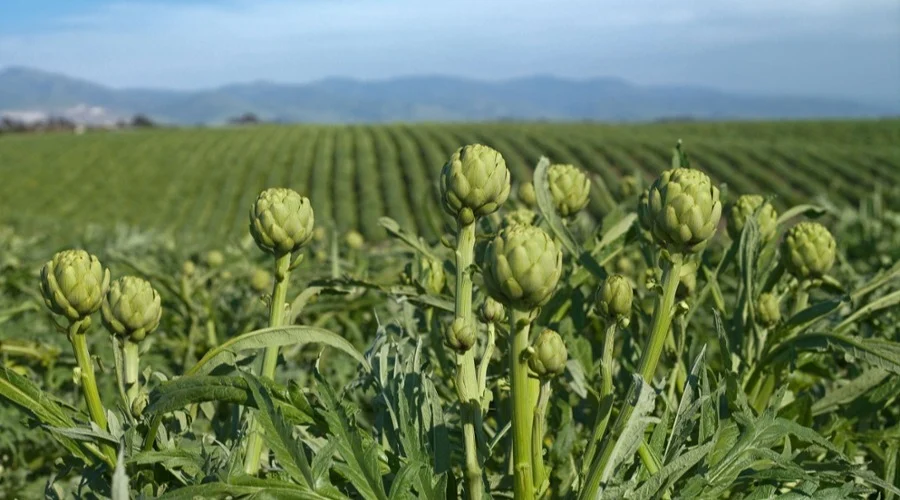
Incorporating into Dishes: Beyond the Whole Vegetable
Artichoke hearts are a versatile ingredient that can be incorporated into a wide array of dishes.
- Salads: Marinated or grilled artichoke hearts add a delightful texture and flavor to green salads, pasta salads, and grain bowls.
- Dips: Creamy artichoke dip, often made with spinach and cheese, is a perennial favorite for gatherings and a testament to the artichoke’s crowd-pleasing nature.
- Pasta and Risotto: Chopped artichoke hearts can be added to pasta sauces, risottos, and other rice dishes, providing a subtle earthy note.
- Pizza and Flatbreads: Artichoke pieces are a popular topping for pizzas and flatbreads, pairing well with a variety of cheeses and other toppings.
- Braised Dishes: Artichokes can be braised with white wine, broth, and herbs, creating a flavorful side dish or component of a larger meal.
When preparing artichokes, remember to work with them relatively quickly after purchasing, as their quality can diminish. If you need to store them before cooking, wrap them loosely in a damp paper towel and refrigerate. The enjoyment of California artichokes is deeply tied to their seasonality, and embracing this rhythm allows for the most authentic and delicious culinary experiences the Golden State has to offer.
LifeOutOfTheBox is a participant in the Amazon Services LLC Associates Program, an affiliate advertising program designed to provide a means for sites to earn advertising fees by advertising and linking to Amazon.com. Amazon, the Amazon logo, AmazonSupply, and the AmazonSupply logo are trademarks of Amazon.com, Inc. or its affiliates. As an Amazon Associate we earn affiliate commissions from qualifying purchases.