
The question of whether Paid Time Off (PTO) is a mandatory benefit for employees in California is a common one, touching upon the complex landscape of labor laws and employee entitlements. Unlike many other states and countries, California does not have a statewide law mandating that employers provide paid time off for vacation or personal reasons. This often leads to confusion for both employers and employees, as the absence of a universal requirement doesn’t mean PTO is entirely absent from the California employment scene. The reality is far more nuanced, hinging on individual employment agreements, company policies, and the specific terms of employment.
Understanding the Legal Framework of PTO in California
The core of the matter lies in how California law categorizes PTO. California law, specifically through the California Labor Code, views accrued paid time off – whether it’s called vacation time, sick leave, or a combined PTO bank – as earned wages. This distinction is critical. Once an employee has earned PTO, it generally cannot be forfeited. This means that if an employee leaves a company, they are typically entitled to be paid out for any unused, accrued PTO at their final rate of pay. This “use-it-or-lose-it” policy is illegal in California for vacation time and general PTO accruals.
Accrued Wages and Forfeiture
The concept of PTO as an earned wage is foundational. When an employer offers PTO, they are essentially promising to compensate an employee for time not worked. This compensation, once earned, becomes the property of the employee. Therefore, an employer cannot implement a policy that results in the forfeiture of this earned benefit upon termination of employment. This protection is a significant aspect of California’s robust employee rights framework, aiming to prevent employers from unfairly withholding compensation that has been earned.
Federal vs. State Mandates
It is also important to note that there is no federal law in the United States requiring employers to provide paid vacation or PTO. This absence of federal regulation places the responsibility on individual states to establish their own mandates or lack thereof. While some states have passed laws requiring employers to offer paid sick leave, California has not mandated general paid vacation time. The closest it comes is through its paid sick leave law, which requires employers to provide a minimum amount of paid sick leave. However, this is distinct from the broader concept of PTO, which typically encompasses vacation and personal days.
The Role of Company Policy and Employment Agreements
Given the absence of a statewide mandate for general PTO, the provision of such benefits in California largely rests on the voluntary decisions of employers and the terms outlined in their employment agreements.
Company Handbooks and Policies
Most California employers who offer PTO do so through their established company policies, often detailed in employee handbooks. These policies typically outline:
- Accrual Rates: How PTO is earned (e.g., a certain number of hours per pay period, per month, or per year).
- Maximum Accrual Caps: The maximum amount of PTO an employee can accrue.
- Usage Guidelines: Procedures for requesting and taking PTO, including notice requirements.
- Payout Upon Termination: How unused PTO will be handled when an employee leaves the company.
It is crucial for employees to thoroughly read and understand their employer’s policies regarding PTO, as these documents form the basis of their entitlement to these benefits.
Employment Contracts and Collective Bargaining Agreements
In some cases, particularly for highly compensated employees or those covered by union representation, PTO entitlements may be specifically detailed in individual employment contracts or collective bargaining agreements (CBAs). These agreements often provide more generous PTO benefits than standard company policies and are legally binding. Employees working under a CBA, for instance, will have their PTO rights governed by the terms negotiated between their union and employer.
The Impact of Voluntary Benefits
While not mandated, PTO is a highly valued and commonly offered benefit in California. Many employers recognize its importance in employee retention, morale, and overall well-being. The competitive job market in the state often compels companies to offer attractive PTO packages to attract and retain top talent. Therefore, while an employer isn’t legally obligated to provide PTO, if they choose to do so, the accrued time becomes a protected form of compensation.
Distinguishing PTO from Other Leave Types
It is essential to differentiate general PTO from other types of mandated leave in California, such as paid sick leave and protected family leave.
Paid Sick Leave
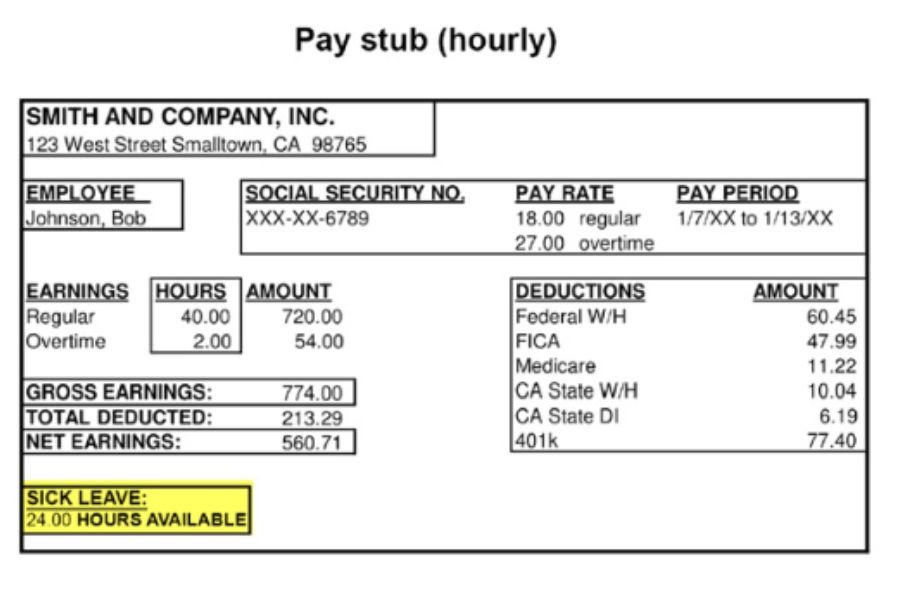
California has a mandatory Paid Sick Leave law. Under this law, employers must provide employees with at least 24 hours of paid sick leave per year. This leave can be used for the employee’s own health needs or the health needs of a family member. While sick leave is a form of paid time off, it is specifically designated for health-related absences and differs from the broader use of PTO for vacation or personal reasons.
Family and Medical Leave
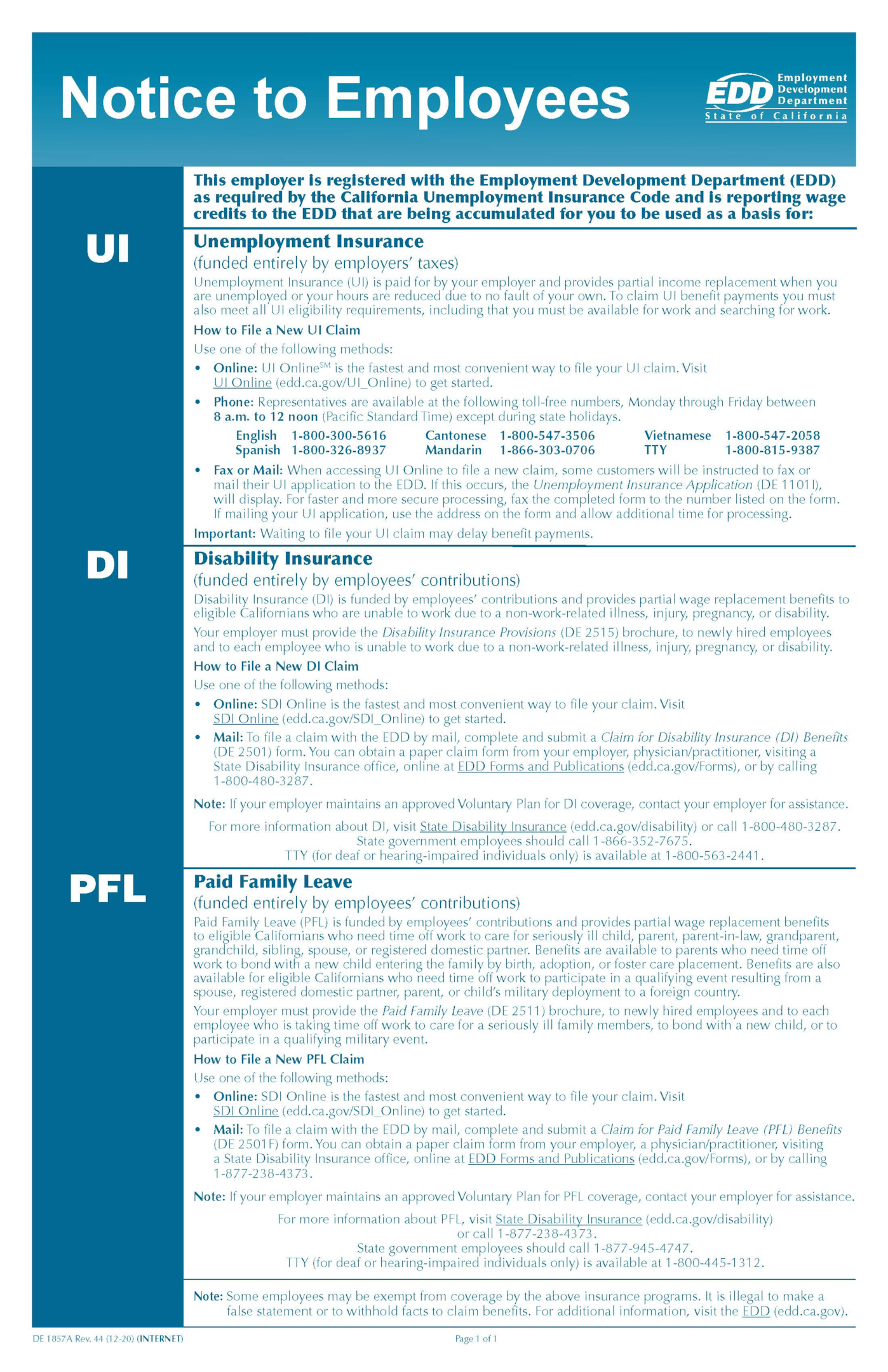
California also offers various forms of protected family and medical leave, such as the California Family Rights Act (CFRA) and paid family leave through the state’s Paid Family Leave (PFL) program. These leaves are typically unpaid, though the PFL program provides wage replacement. They are intended for significant life events like the birth or adoption of a child, or to care for a seriously ill family member, and are distinct from the daily accrual and usage of PTO for general personal time off.
Navigating PTO in the California Employment Landscape
For employees in California, understanding the specifics of their PTO entitlement requires a proactive approach.
Key Considerations for Employees
- Review Your Offer Letter and Employee Handbook: These documents are your primary source of information regarding PTO policies. Pay close attention to accrual rates, maximums, and payout upon termination.
- Understand Accrual: Know how your PTO is earned. Is it per pay period, monthly, or annually? This will help you track your balance.
- Plan Your Time Off: Coordinate with your manager to schedule your vacation or personal days in advance, adhering to any notice requirements outlined in the policy.
- Know Your Payout Rights: Be aware that if you leave your employer, you are entitled to be paid for all unused, accrued PTO. This is a legal right in California.

Employer Responsibilities and Best Practices
For employers operating in California, clarity and consistency in PTO policies are paramount to avoid legal complications.
- Clear and Concise Policies: Develop employee handbooks that clearly define PTO accrual, usage, and payout procedures. Ensure policies comply with California labor laws, especially regarding the non-forfeiture of accrued vacation time.
- Accurate Record-Keeping: Maintain meticulous records of employee PTO accruals and usage. This is essential for accurate payroll processing and for demonstrating compliance with state laws.
- Consistent Application: Apply PTO policies uniformly across all eligible employees to prevent claims of discrimination.
- Training for Managers: Ensure that managers understand the company’s PTO policy and are equipped to handle requests and disputes fairly and consistently.
- Compliance with Paid Sick Leave: Remember that California mandates paid sick leave, which is separate from and in addition to any discretionary PTO policies.
In conclusion, while California does not legally require employers to offer general PTO, any PTO that is offered and accrued is considered a form of earned wage. This means that upon separation from employment, employees are entitled to be paid out for their unused PTO. The details of PTO policies are therefore crucial, residing primarily within company-specific guidelines and employment agreements, rather than a blanket state mandate for vacation time. Employees and employers alike must be diligent in understanding these nuances to ensure fair and compliant practices within the Golden State’s dynamic employment environment.
LifeOutOfTheBox is a participant in the Amazon Services LLC Associates Program, an affiliate advertising program designed to provide a means for sites to earn advertising fees by advertising and linking to Amazon.com. Amazon, the Amazon logo, AmazonSupply, and the AmazonSupply logo are trademarks of Amazon.com, Inc. or its affiliates. As an Amazon Associate we earn affiliate commissions from qualifying purchases.