
California, a state synonymous with sunshine and stunning natural beauty, is also increasingly recognized for its powerful and sometimes devastating wildfires. While modern perceptions often focus on recent, large-scale events, the history of fire in California is as ancient as its varied landscapes. Understanding when wildfires started in the Golden State requires delving into geological timescales, ecological processes, and the long-standing relationship between humans and fire. This isn’t a question with a single, simple answer, but rather a complex narrative woven through millennia.
The Deep Roots of Fire in California’s Ecology
Fire has been a fundamental ecological force in California for millions of years, predating human habitation by eons. The state’s diverse biomes, from the chaparral-covered hills of Southern California to the mixed conifer forests of the Sierra Nevada, have evolved in response to, and often in dependence upon, periodic fire.
Prehistoric Fire Regimes
Paleontological and geological evidence indicates that natural ignition sources like lightning have been sparking fires in California since at least the Pleistocene epoch. These natural fires played a crucial role in shaping plant communities. For instance, many native California plant species possess adaptations that either rely on fire for germination (serotiny, where seeds are released by heat) or are resistant to it. The characteristic chaparral ecosystems, with their flammable shrubs, are a prime example of a fire-adapted biome. Without fire, these plants would eventually be outcompeted by less fire-dependent species, leading to a significant shift in the ecosystem’s composition and structure.
The frequency and intensity of these prehistoric fires would have varied significantly depending on climatic conditions. During wetter periods, fuel loads might have built up, leading to larger, more intense fires when they eventually ignited. Conversely, during drier periods, fires might have been more frequent but smaller. The natural fire cycle was an intrinsic part of the state’s ecological rhythm, a constant process of renewal and adaptation that shaped the very character of California’s wildlands.
The Role of Indigenous Peoples
The arrival of Indigenous peoples in California marked a new, yet equally ancient, chapter in the story of fire. For thousands of years, Native Californian tribes, such as the Chumash, Pomo, and Yurok, intentionally used fire as a land management tool. Their practices, often referred to as “cultural burning,” were sophisticated and deeply intertwined with their ecological knowledge and cultural traditions.
Cultural Burning Practices
These practices were not about uncontrolled infernos but about controlled, deliberate fires aimed at achieving specific ecological and cultural outcomes. Tribes would use fire to:
- Promote the growth of useful plants: Many plants used for food, medicine, and basketry, like acorns, berries, and tule reeds, benefited from or required fire for optimal growth and reproduction. Burning cleared competing vegetation, encouraged new sprouts, and increased yields.
- Manage game habitats: Fires were used to create open meadows and clear underbrush, which in turn encouraged the growth of grasses and forbs, attracting game animals like deer and rabbits, thereby enhancing hunting opportunities.
- Reduce fuel loads and prevent larger, catastrophic fires: By regularly clearing out dead vegetation and brush, Indigenous peoples inadvertently created natural firebreaks, reducing the intensity and spread of naturally occurring wildfires. This practice maintained a mosaic of burned and unburned areas, contributing to landscape resilience.
- Clear areas for travel and habitation: Controlled burns could also be used to clear trails and create safer living spaces.
These intentional ignitions, dating back thousands of years, were a significant factor in shaping California’s landscapes. It is impossible to discuss the “start” of wildfires in California without acknowledging this deep history of human-influenced fire regimes, which predate European settlement by millennia.
The Shift in Fire Regimes: European Colonization and Suppression Policies
The arrival of Europeans in California in the 18th century and subsequent colonization brought about a dramatic, and often detrimental, shift in fire management and ecological understanding. Initially, settlers often viewed fire as a destructive force to be eradicated. This mindset, coupled with industrial-scale land use changes, fundamentally altered the natural and cultural fire cycles that had existed for millennia.

Early European Perceptions and Land Use
Spanish missionaries and later Mexican and American settlers often viewed wildfire as an impediment to agriculture, logging, and settlement. They actively suppressed fires, believing that preventing all burning was the optimal strategy for land management. This was a stark contrast to the Indigenous understanding of fire as a necessary ecological component.
Furthermore, European settlement led to significant changes in land cover. Forests were cleared for timber and agriculture, and grasslands were overgrazed by livestock. These activities altered fuel availability and continuity across the landscape. The removal of Indigenous peoples from their ancestral lands also meant the cessation of their cultural burning practices, which had been crucial for maintaining healthy, fire-adapted ecosystems.
The Era of Fire Suppression
In the early 20th century, the United States Forest Service was established, and with it, a formalized policy of aggressive wildfire suppression. The slogan “Smokey Bear,” introduced in the 1940s, embodied this ethos: “Only YOU Can Prevent Forest Fires.” The goal became to extinguish every fire, regardless of its origin or ecological role, as quickly as possible.
This policy, while seemingly logical in its intent to protect property and lives, had profound unintended consequences. By preventing the natural, low-intensity fires that historically cleared out underbrush and small trees, fuel loads began to accumulate. Forests became denser, and a thick layer of dead organic matter built up on the forest floor. This created a tinderbox effect, setting the stage for larger, more intense, and more destructive wildfires when ignition did occur. The ecological balance was disrupted, and the natural resilience of many ecosystems was compromised.
Modern Wildfire Challenges and the Return of Prescribed Burning
The consequences of decades of fire suppression became increasingly apparent in the late 20th and early 21st centuries. California began to experience wildfires that were larger, more intense, and more destructive than ever before, often burning with a ferocity that defied traditional suppression tactics. This led to a re-evaluation of fire management strategies.
The Rise of Extreme Wildfires
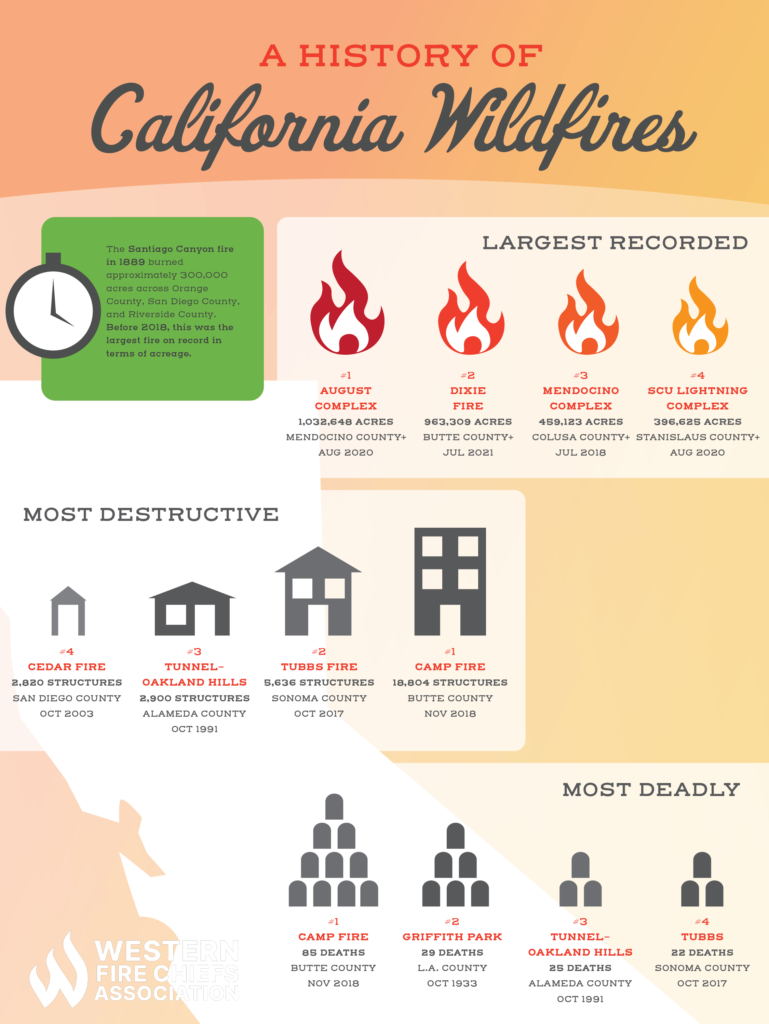
The late 20th century saw an uptick in devastating wildfires, such as the Oakland Hills Firestorm in 1991, which highlighted the vulnerability of wildland-urban interfaces. As human populations expanded into fire-prone areas, the risk to lives and property escalated. Climate change further exacerbated these issues, leading to hotter, drier conditions and longer fire seasons. Years of drought, like the one experienced from 2012 to 2016, turned vast areas into exceptionally flammable landscapes.
These modern infernos, characterized by their rapid spread, extreme heat, and difficulty in containment, are often a direct result of the fuel buildup that occurred during the era of fire suppression. The fires that historically would have been relatively small, low-intensity events now consume entire communities, like the Camp Fire in 2018, which destroyed the town of Paradise.

Reintroducing Prescribed Fire and Cultural Burning
Recognizing the ecological necessity of fire and the failures of total suppression, there is a growing movement to reintroduce controlled burns, often referred to as prescribed fire or prescribed ecological restoration. This approach seeks to mimic the historical fire regimes by intentionally igniting fires under carefully controlled conditions to reduce fuel loads, restore habitat, and improve forest health.
Furthermore, there is a significant effort to revive and integrate traditional Indigenous burning practices. Organizations and tribes are working to pass on this ancestral knowledge and implement cultural burning as a vital component of modern land management. This collaborative approach acknowledges that Indigenous peoples were the original stewards of California’s landscapes and that their practices hold valuable lessons for managing fire in the 21st century.
The question of when wildfires started in California is thus multifaceted. They began with the natural ignition of lightning millions of years ago, were shaped by the deliberate practices of Indigenous peoples for millennia, were suppressed for a century, and are now, thankfully, being understood and managed with a renewed appreciation for their ancient and essential role. The future of fire management in California lies in embracing this long history and learning to coexist with fire as an integral part of the landscape.
LifeOutOfTheBox is a participant in the Amazon Services LLC Associates Program, an affiliate advertising program designed to provide a means for sites to earn advertising fees by advertising and linking to Amazon.com. Amazon, the Amazon logo, AmazonSupply, and the AmazonSupply logo are trademarks of Amazon.com, Inc. or its affiliates. As an Amazon Associate we earn affiliate commissions from qualifying purchases.