
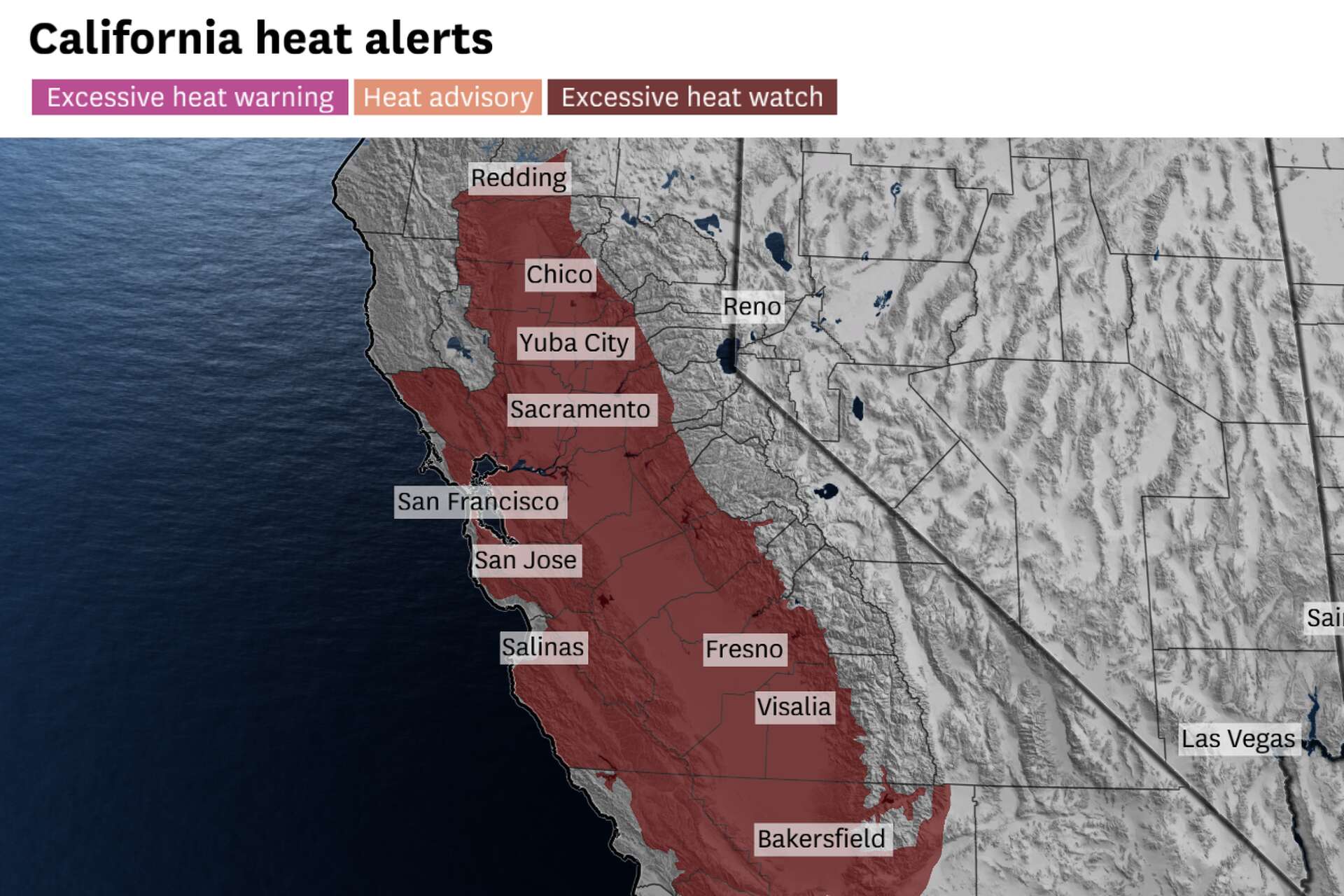
The sweltering grip of a prolonged heat wave across California has become a significant concern for residents and, increasingly, for those planning a visit to the Golden State. As temperatures consistently soar into the triple digits, disrupting daily life and impacting outdoor tourism activities, a pressing question emerges: when can the state expect a reprieve? This analysis delves into the meteorological factors contributing to the current extreme heat, explores its implications for travel and tourism across California’s diverse regions, and offers insights into forecasting the end of this formidable weather event.
Understanding the Phenomenon: The Anatomy of a California Heat Wave
California’s vulnerability to heat waves is well-documented. These events are typically driven by a confluence of atmospheric conditions. The primary culprit is often a strong ridge of high pressure, often referred to as a “heat dome.” This dome acts like a lid, trapping warm air over a region and preventing cooler air masses from moving in. When this high-pressure system entrenches itself over the Pacific Ocean and then shifts inland, it can amplify the warming effects, particularly over the arid interior valleys and coastal mountains of California.
Key Meteorological Drivers
- High-Pressure Systems: The presence of a robust anticyclone is paramount. This system causes air to sink and compress, leading to adiabatic warming – a process where descending air heats up. In the summer months, the Southwest Monsoon can also contribute to increased moisture, which, when combined with intense solar radiation, exacerbates the heat and humidity, making it feel even more oppressive.
- Santa Ana Winds (in Southern California): While not always present during every heat wave, the infamous Santa Ana winds can significantly worsen heat conditions, especially in Southern California. These offshore winds, originating in the desert interior, are hot and dry, further increasing ambient temperatures and reducing relative humidity, contributing to dangerous fire conditions and making the heat feel even more intense.
- Lack of Marine Layer Influence: Coastal areas of California often benefit from the “marine layer,” a cool, moist air mass that moderates temperatures. During persistent heat waves, this layer can be pushed further offshore or remain shallow, allowing inland heat to penetrate closer to the coast.
- Drought Conditions: Prolonged drought makes the landscape drier and more susceptible to rapid heating. Evaporation from dry soil is less effective at cooling the air compared to moist soil, thus intensifying heat. California has experienced significant drought cycles, which can amplify the impact of heat waves.
Impacts on Travel and Tourism
The persistent heat wave has tangible effects on how people experience California, influencing decisions about when and where to travel, and the types of activities that are feasible.
Adapting Travel Plans
- Coastal vs. Inland Destinations: While iconic coastal cities like San Diego and Los Angeles might still experience elevated temperatures, they often retain some moderation from the ocean. However, inland areas, including the Central Valley, the deserts of Palm Springs, and regions like Death Valley and Joshua Tree National Park, can become dangerously hot, often exceeding 110°F (43°C). Travelers might reconsider visiting these areas during the peak of the heat wave or adjust their itineraries to focus on early morning or late evening activities, if available.
- Outdoor Activities: Hiking in the Santa Monica Mountains, exploring Yosemite National Park, or visiting theme parks like Disneyland and Universal Studios Hollywood become significantly more challenging and potentially hazardous. Visitors are advised to stay hydrated, seek shade, and be aware of heatstroke symptoms. Many may opt for indoor attractions, museums, or leisurely activities that are less physically demanding.
- Accommodation Choices: The demand for air-conditioned accommodation soars. Hotels, resorts, and vacation rentals with reliable cooling systems become highly sought after. Travelers might prioritize properties with swimming pools or other water features to escape the heat, making amenities a crucial factor in booking decisions. Luxury hotels and resorts that offer extensive indoor amenities and cooling facilities often see increased bookings.
Economic Implications for Tourism

The prolonged heat can lead to a slowdown in certain segments of the tourism industry. Restaurants that rely on outdoor seating may experience a decline in business, and tour operators offering daytime excursions might have to cancel or reschedule. However, there can also be a surge in demand for indoor entertainment and activities, as well as for destinations that offer cooler microclimates or reliable air conditioning. The overall economic impact is complex, with some businesses suffering while others adapt and potentially benefit.
Forecasting the End: When Will the Heat Break?
Predicting the exact end of a heat wave is a complex task that relies on sophisticated weather modeling and the understanding of atmospheric dynamics. Meteorologists monitor several key indicators to forecast when relief might arrive.
Shifts in Atmospheric Patterns
The most crucial factor in ending a heat wave is a shift in the large-scale atmospheric pattern. This typically involves the weakening and eventual eastward progression of the dominant high-pressure ridge.
- Incursion of Cooler Air Masses: The arrival of a trough of low pressure, or a significant weather system from the Pacific Ocean, can push the heat dome eastward. These systems often bring cooler temperatures, increased cloud cover, and sometimes precipitation, which can significantly lower temperatures. The strength and trajectory of these incoming systems are critical.
- Wind Shifts: Changes in wind direction can also signal a transition. A shift from offshore winds (like Santa Ana winds) to onshore breezes from the cooler Pacific Ocean can bring immediate relief to coastal areas and gradually influence inland temperatures.
- Monsoon Moisture Retreat (in Southern California): If the heat wave is exacerbated by monsoonal moisture, the retreat of this moisture flow, typically linked to the westward movement of a high-pressure system over the Four Corners region, can contribute to drying out the atmosphere and allowing for more effective cooling once a new weather pattern takes hold.
The Role of Climate Change
While individual heat waves are complex meteorological events, the increasing frequency and intensity of such events in California are consistent with projections from climate scientists. Global warming contributes to higher baseline temperatures, making it easier for heat domes to form and leading to more extreme and prolonged periods of dangerous heat. Therefore, while forecasting the immediate end of a specific heat wave relies on short-to-medium term weather models, the long-term trend suggests that these events may become more common and severe in the future.

Interpreting Forecasts
Meteorological forecasts provide the best estimate for when the heat will break. These forecasts are constantly updated and can vary in their precision for longer-term predictions. Travelers should monitor reliable weather sources such as the National Weather Service and local news outlets for the most current information. Factors to look for include:
- Temperature Trend Reversals: Signs that daily high temperatures are beginning to decrease, even by a few degrees, can indicate the initial stages of a cooldown.
- Introduction of Cloud Cover and Wind: An increase in cloudiness and shifting wind patterns, particularly from the west or northwest, are often precursors to cooler weather.
- Expected Arrival of a Weather System: Forecasts that mention the approach of a low-pressure system or a cold front are strong indicators that the heat wave is nearing its end.
The duration of a heat wave can vary significantly, from a few days to several weeks. The current event’s persistence underscores the powerful atmospheric forces at play. As California navigates this period of intense heat, understanding the meteorological underpinnings and closely following weather forecasts will be crucial for both residents and those planning their travel experiences in the Golden State. The break from this extreme heat will likely be heralded by a significant shift in atmospheric patterns, bringing a welcome return to more moderate temperatures across the state.
LifeOutOfTheBox is a participant in the Amazon Services LLC Associates Program, an affiliate advertising program designed to provide a means for sites to earn advertising fees by advertising and linking to Amazon.com. Amazon, the Amazon logo, AmazonSupply, and the AmazonSupply logo are trademarks of Amazon.com, Inc. or its affiliates. As an Amazon Associate we earn affiliate commissions from qualifying purchases.