
California, a state renowned for its diverse landscapes and natural wonders, is home to the tallest living things on Earth: the majestic redwood trees. These ancient giants, scientifically known as Sequoia sempervirens (coast redwoods) and Sequoiadendron giganteum (giant sequoias), create awe-inspiring forests that have captivated visitors for generations. Understanding where to find these natural marvels is key to planning an unforgettable trip into the heart of California’s wild beauty.
Coastal Redwood Forests: A Verdant Highway Along the Pacific
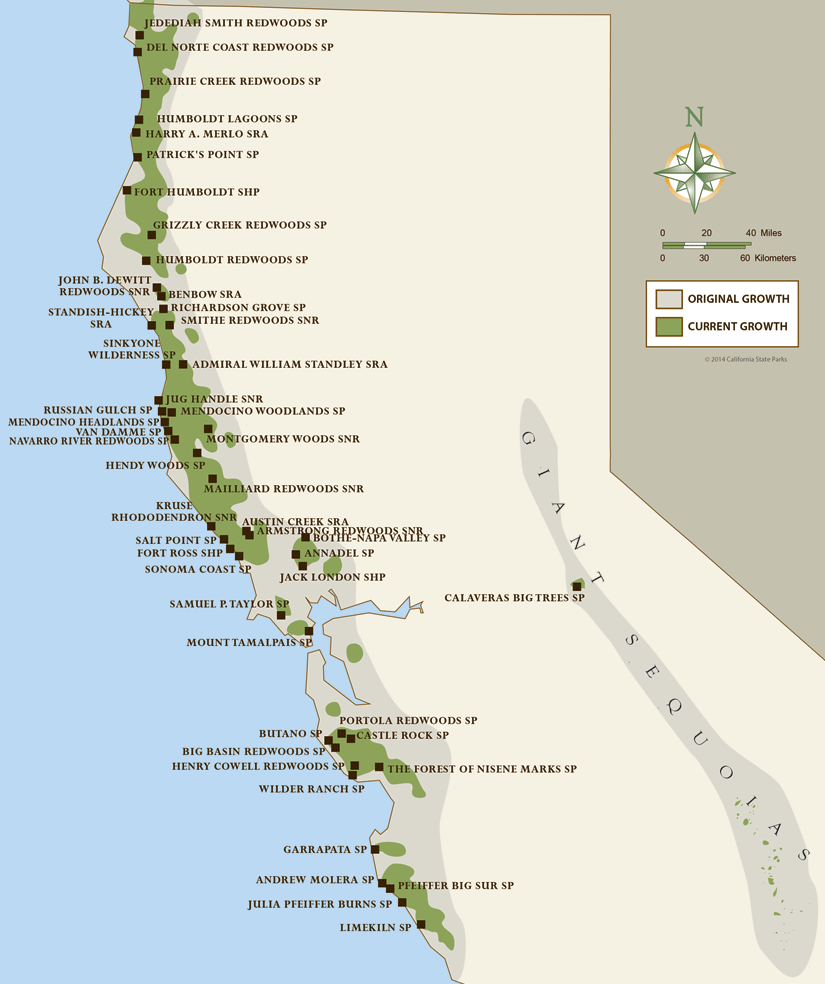
The coast redwood, the tallest tree species on the planet, thrives in a narrow, foggy coastal belt that stretches approximately 450 miles from south of San Francisco northwards into southern Oregon. This specific microclimate, characterized by its cool, moist air and regular fog, is essential for their survival and growth.
Northern California’s Redwood Empire
The densest and most accessible stands of coast redwoods are found in the region colloquially known as the “Redwood Empire,” which encompasses the counties north of the Golden Gate Bridge. This area boasts numerous state and national parks, offering exceptional opportunities for exploration and immersion.
Redwood National and State Parks
This collection of parks, a UNESCO World Heritage Site, is arguably the crown jewel for experiencing coast redwoods. It’s a mosaic of federal and state land, including Redwood National Park, Jedediah Smith Redwoods State Park, Del Norte Coast Redwoods State Park, and Prairie Creek Redwoods State Park. Here, visitors can wander through ancient groves, hike trails that wind beneath the colossal canopy, and marvel at trees that have stood for over a thousand years. The scenic drives, such as the Newton B. Drury Parkway and the Avenue of the Giants, offer breathtaking vistas right from the comfort of your vehicle.
Humboldt County’s Coastal Treasures
Further south in Humboldt County, the redwood experience continues with places like Humboldt Redwoods State Park. This park is home to the famous Avenue of the Giants, a 31-mile scenic byway paralleling Highway 101. The Avenue of the Giants allows for an intimate encounter with the redwoods, with numerous pull-offs, trails, and opportunities to stop and walk among these giants. The sheer scale is overwhelming, with some of the tallest trees in the world residing within its boundaries.
Mendocino and Sonoma Counties
The southern reaches of the redwood range extend into Mendocino County and Sonoma County. While the trees might be slightly less colossal than in the far north, the forests here are no less magical. Parks like Armstrong Redwoods State Natural Reserve near Guerneville offer accessible and beautiful redwood walks, making them popular destinations for those visiting the wine country or residing closer to the San Francisco Bay Area.
Giant Sequoia Groves: The Behemoths of the Sierra Nevada
Distinct from their coastal cousins, the giant sequoias are found exclusively on the western slopes of the Sierra Nevada Mountains. These trees are not the tallest, but they are the most massive living organisms on Earth by volume. They are adapted to a different environment, requiring the specific conditions of the high mountain slopes.
Sequoia National Park and Kings Canyon National Park

The most famous and accessible groves of giant sequoias are located within Sequoia National Park and its adjacent sister park, Kings Canyon National Park. These parks preserve vast expanses of these magnificent trees, offering a truly awe-inspiring experience.
Giant Forest: Home to the General Sherman Tree
Within Sequoia National Park, the Giant Forest is a must-visit. This grove is home to the General Sherman Tree, the largest living tree by volume on the planet. The sheer girth and height of these trees are difficult to comprehend until you stand before them. Trails like the Congress Trail offer a chance to explore deeper into the forest and discover other notable giant sequoias, such as the President Tree and the Senate and House of Representatives. The landscape here is a stunning contrast to the coastal redwoods, with a drier, more mountainous terrain.
Grant Grove: The General Grant Tree
In Kings Canyon National Park, the Grant Grove is the primary location for experiencing giant sequoias. This grove is home to the General Grant Tree, also known as the “Nation’s Christmas Tree,” which is the second-largest living tree by volume. The area provides accessible trails and interpretive programs that shed light on the unique ecology and history of these ancient trees.
Other Sierra Nevada Groves
While Sequoia National Park and Kings Canyon National Park are the most renowned, smaller groves of giant sequoias exist in other parts of the Sierra Nevada, often in more remote or less developed areas. These include groves in the Giant Sequoia National Monument managed by the U.S. Forest Service, offering a more secluded encounter for those willing to venture off the beaten path.
Planning Your Redwood Expedition
To fully appreciate the redwood and giant sequoia forests, careful planning is essential. The best time to visit, accommodations, and trail etiquette all contribute to a memorable experience.
Seasonal Considerations and Best Times to Visit
Both coastal redwoods and giant sequoias can be visited year-round. However, each season offers a different ambiance.
- Spring (March-May): Wildflowers bloom, and the forests are lush and vibrant. Coastal fog is prevalent, creating an ethereal atmosphere among the coast redwoods.
- Summer (June-August): This is the peak season, with warmer weather and less fog along the coast. Mountain areas are also more accessible. Expect larger crowds.
- Fall (September-November): The forests take on a beautiful golden hue as the seasons change. The coastal fog often returns, creating dramatic scenery. Crowds begin to thin.
- Winter (December-February): The forests can be quiet and serene, especially the coast redwoods, which are often shrouded in mist. The Sierra Nevada parks may experience snow, requiring appropriate gear and potentially limiting access to certain areas.
Lodging and Accessibility
Accommodations vary depending on the region. In the northern redwood areas, charming towns like Eureka, Arcata, and Crescent City offer a range of hotels, motels, and vacation rentals. Near San Francisco, towns like Santa Cruz and Monterey provide coastal lodging options. For the giant sequoias, lodging is available within the national parks themselves, such as the Wuksachi Lodge in Sequoia National Park, or in nearby gateway communities like Three Rivers. Booking well in advance is highly recommended, especially during peak season.

Experiencing the Forests Responsibly
When visiting these precious natural landmarks, it’s crucial to practice responsible tourism. Stay on designated trails to protect the fragile forest floor and the root systems of these ancient trees. Avoid picking any plants or removing natural objects. Pack out everything you pack in, leaving no trace behind. Respect wildlife and maintain a safe distance. Understanding and adhering to park regulations will help ensure these magnificent forests are preserved for future generations.
The redwood and giant sequoia forests of California are more than just trees; they are living monuments to time, resilience, and the raw power of nature. From the misty coastal giants to the colossal inland titans, these forests offer a profound connection to the natural world, inviting visitors to step back in time and stand in awe of Earth’s most impressive botanical wonders.
LifeOutOfTheBox is a participant in the Amazon Services LLC Associates Program, an affiliate advertising program designed to provide a means for sites to earn advertising fees by advertising and linking to Amazon.com. Amazon, the Amazon logo, AmazonSupply, and the AmazonSupply logo are trademarks of Amazon.com, Inc. or its affiliates. As an Amazon Associate we earn affiliate commissions from qualifying purchases.