
Manhattan, a vibrant island borough of New York City, is a global epicenter of commerce, culture, and ceaseless energy. Its iconic skyline, teeming streets, and diverse neighborhoods draw millions of visitors annually, solidifying its status as a premier tourist destination. Understanding the demographic landscape of Manhattan is crucial for appreciating its dynamic nature, influencing everything from the availability of accommodations and the types of experiences offered to the very rhythm of daily life for its residents. While the exact population fluctuates with daily commuters and temporary visitors, the resident population provides a foundational understanding of this multifaceted borough.

Demographics of Manhattan: A Closer Look
Manhattan’s population is not merely a number; it’s a complex tapestry woven from diverse ethnic, economic, and cultural threads. This density fuels the borough’s unparalleled energy and contributes to its status as a melting pot of ideas and lifestyles.
Resident Population and Density
As of recent estimates, the resident population of Manhattan (New York County) hovers around 1.6 million people. This figure, while substantial, belies the incredible density of the island. Manhattan is one of the most densely populated places on Earth, with an average density exceeding 70,000 people per square mile in some areas. This high concentration of residents means that services, transportation, and public spaces are constantly in demand, shaping the urban experience for both locals and visitors.
Neighborhood Variations
The population distribution across Manhattan is far from uniform. Neighborhoods like the Upper West Side and Upper East Side tend to be more residential, while areas like Midtown and the Financial District experience a significant influx of daytime commuters. Lower Manhattan, including historic areas like Greenwich Village and the West Village, also boasts distinct population characteristics, often blending residential charm with commercial activity. This spatial variation impacts the types of lodging available, from luxury hotels in Times Square to boutique apartments in quieter residential enclaves.
Commuter Population
Beyond the resident population, Manhattan’s daytime population swells dramatically with commuters who travel from other boroughs of New York City and from surrounding areas in New Jersey, Long Island, and Upstate New York. These commuters, numbering in the millions daily, are integral to Manhattan’s economic engine, working in its vast array of offices, retail establishments, and cultural institutions. Their presence significantly influences transportation patterns, restaurant demand, and the overall bustling atmosphere of the city.
Tourist Population
While not counted in permanent census data, the sheer volume of tourists visiting Manhattan each year is a critical factor in understanding its dynamic. Millions of international and domestic travelers flock to Manhattan annually to experience its world-renowned attractions, from the Statue of Liberty and Central Park to Broadway shows and museums like the Metropolitan Museum of Art. This constant influx of visitors directly impacts the hospitality sector, influencing hotel occupancy rates and the demand for guided tours and local experiences.
Implications for Tourism and Travel
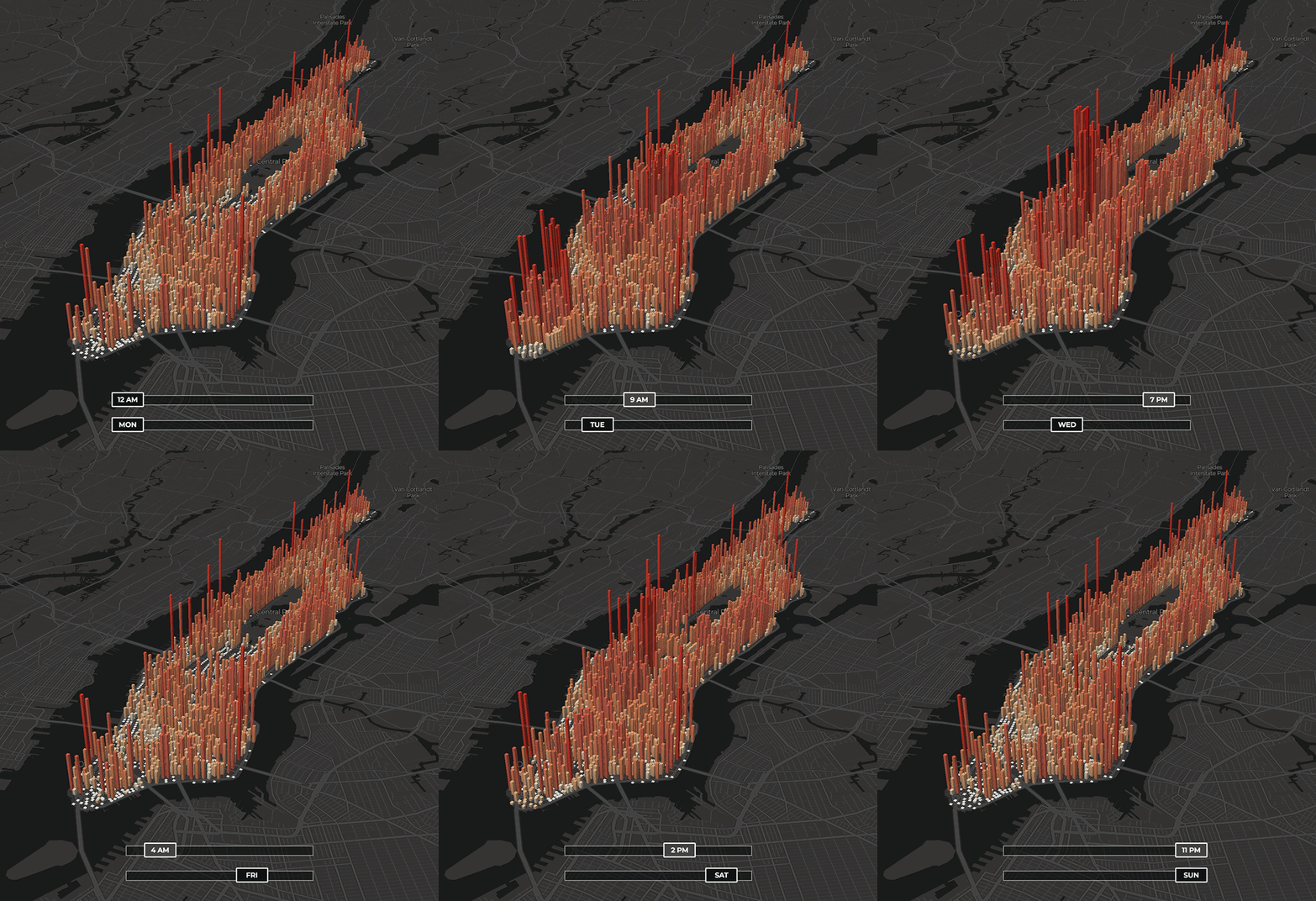
The dense and dynamic population of Manhattan has profound implications for anyone planning a visit, seeking accommodation, or looking to immerse themselves in the local culture. Understanding these demographic realities can enhance the travel experience.
Accommodation Landscape
The high population density and constant flow of visitors mean that Manhattan offers an extensive range of accommodation options. From ultra-luxury hotels like the Plaza Hotel offering opulent suites to more budget-friendly options and serviced apartments catering to longer stays, there is something to suit every preference and budget. The demand driven by both residents and tourists means that booking well in advance is often recommended, particularly for popular areas and during peak travel seasons. Neighborhood choice also becomes paramount; staying near major attractions like Rockefeller Center offers convenience but may come with higher prices and more crowds, while venturing to less central, though still well-connected, areas can offer a more local feel and potentially better value.
Navigating the Crowds
With millions of people converging on Manhattan daily, navigating its streets and attractions can be an art form. Public transportation, primarily the extensive subway system operated by the Metropolitan Transportation Authority, is the lifeblood of the borough and an essential tool for both residents and visitors. Understanding rush hour patterns, planning journeys, and utilizing apps for real-time transit information can make a significant difference. Similarly, visiting popular landmarks like the Empire State Building or booking tickets for a Broadway show requires foresight. Opting for off-peak hours, purchasing tickets online in advance, or considering guided tours that offer skip-the-line access can help mitigate the impact of large crowds and maximize enjoyment.
Experiencing Local Culture
The diverse population of Manhattan is its greatest cultural asset. Each neighborhood, from the historic streets of Harlem to the trendy enclaves of SoHo and Chelsea, offers a unique cultural flavor. Exploring these distinct communities provides authentic experiences that go beyond the well-trodden tourist paths. Engaging with local eateries, visiting smaller galleries, attending neighborhood festivals, or simply observing daily life can offer profound insights into the city’s rich cultural tapestry. The sheer volume of people also means a constant turnover of pop-up shops, new restaurants, and emerging artistic trends, ensuring that Manhattan is always evolving.
Demographic Trends and Future Outlook
Manhattan’s population is not static; it is influenced by economic shifts, housing market dynamics, and evolving lifestyle preferences. Understanding these trends offers a glimpse into the future of this iconic destination.
Economic Drivers and Population Shifts
Manhattan’s economy is a powerful magnet, attracting talent and investment from around the globe. Its status as a hub for finance, technology, media, and fashion ensures a continuous influx of professionals. However, rising housing costs have also led to demographic shifts, with some residents seeking more affordable living options in outer boroughs or surrounding areas, while still commuting to Manhattan for work. This dynamic can influence the types of businesses that thrive and the character of residential neighborhoods.

The Evolving Urban Experience
As Manhattan continues to evolve, its population dynamics will undoubtedly shape the urban experience. Efforts to create more green spaces, enhance public transportation, and promote sustainable living are ongoing. The challenge lies in balancing the needs of a massive resident population with the demands of a global tourist influx and the relentless pace of economic development. For travelers, this means anticipating a city that is always in motion, offering endless opportunities for discovery and engagement. The population of Manhattan is not just a statistic; it is the vibrant, beating heart of one of the world’s most captivating cities.
LifeOutOfTheBox is a participant in the Amazon Services LLC Associates Program, an affiliate advertising program designed to provide a means for sites to earn advertising fees by advertising and linking to Amazon.com. Amazon, the Amazon logo, AmazonSupply, and the AmazonSupply logo are trademarks of Amazon.com, Inc. or its affiliates. As an Amazon Associate we earn affiliate commissions from qualifying purchases.