
California, a state renowned for its diverse landscapes, is home to some of the most magnificent natural wonders on Earth: the ancient redwood trees. These giants, the tallest living things on the planet, evoke a sense of awe and wonder, transporting visitors to a realm of primeval beauty. For travelers seeking an unforgettable encounter with nature’s grandeur, exploring the redwood forests of California is an essential experience. This guide will navigate you through the premier destinations where you can stand in the shadow of these colossal beings, offering insights into planning your visit for an immersive and inspiring journey.
Northern California’s Redwood Kingdoms
The most iconic and accessible groves of coast redwoods (Sequoia sempervirens) are found along the northern California coast, stretching from just south of San Francisco northward into Oregon. This region boasts a concentration of old-growth forests, preserved within a network of state and national parks, offering visitors a chance to witness these trees in their most majestic form.
Redwood National and State Parks
Perhaps the most celebrated destination for redwood viewing is Redwood National and State Parks. This unique collaborative park system, comprising Redwood National Park, Jedediah Smith Redwoods State Park, Del Norte Coast Redwoods State Park, and Prairie Creek Redwoods State Park, protects nearly half of the remaining old-growth coast redwood forests.
Exploring the Gems within the Parks
- Jedediah Smith Redwoods State Park: Known for its dense, ancient groves and pristine rivers, this park offers stunning drives and hikes. The scenic Howland Hill Road, a graded dirt road, winds through some of the most spectacular old-growth stands, with trees towering on either side. The Stout Grove is particularly famous for its cathedral-like atmosphere.
- Del Norte Coast Redwoods State Park: This park offers a more rugged experience, with trails leading through dense forests to dramatic coastal overlooks. The opportunity to see redwoods meeting the Pacific Ocean is a unique and breathtaking sight.
- Prairie Creek Redwoods State Park: Famous for its herds of Roosevelt elk that often graze in the meadows alongside the redwoods, this park provides a rich biodiversity experience. The Newton B. Drury Parkway offers excellent scenic driving, with numerous pull-offs for short walks and photo opportunities. The Big Tree Wayside features one of the park’s largest trees.
- Redwood National Park: While managed as a national park, it encompasses areas that are also state park lands. Its vastness offers numerous opportunities for exploration, from drives along scenic routes to hiking trails that immerse you in the forest’s embrace.
Must-Do Activities
- Scenic Drives: Beyond Howland Hill Road and Newton B. Drury Parkway, the Newton B. Drury Parkway and the Avenue of the Giants (though technically south of the main park complex, it’s a crucial redwood experience) are highly recommended for their breathtaking vistas and easy access to prime redwood viewing.
- Hiking: Numerous trails cater to all fitness levels, from short, accessible loops to more challenging backcountry treks. The Lady Bird Johnson Grove Trail, Tall Trees Grove Trail (requires a permit), and the Fern Canyon Trail (famous for its appearance in Jurassic Park) are popular choices.
- Visitor Centers: Stop by the various visitor centers, such as the Thomas H. Kuchel Visitor Center or the Hiouchi Visitor Center, for maps, ranger programs, and invaluable local insights.
Humboldt Redwoods State Park
Located south of Redwood National and State Parks, Humboldt Redwoods State Park is home to the Avenue of the Giants, a stunning 31-mile scenic byway that parallels U.S. Route 101. This park protects the largest remaining contiguous old-growth coast redwood forest in the world.
Key Attractions in Humboldt Redwoods
- Avenue of the Giants: This iconic route offers an unparalleled driving experience, winding through towering redwood groves, past charming roadside attractions, and alongside the tranquil Eel River. It’s an excellent way to see many impressive trees without extensive hiking.
- Founders Grove: Home to the tallest living thing on Earth for many years, the Dyerville Giant, this grove offers a powerful sense of scale and history.
- Immortal Tree: A testament to the resilience of these giants, the Immortal Tree has survived logging, lightning, and fire, standing as a symbol of endurance.
- Rockefeller Forest: The largest remaining old-growth coast redwood forest, this area is particularly noted for its dense, mature stands and the sense of profound quiet it offers.
Beyond the Coastal Giants: Sierra Nevada’s Sequoias
While the coast redwoods are the tallest, their relatives, the giant sequoias (Sequoiadendron giganteum), are the largest trees by volume on Earth. These massive trees reside in the Sierra Nevada mountains, primarily in central California, and offer a different, yet equally awe-inspiring, encounter with ancient trees.
Sequoia National Park and Kings Canyon National Park
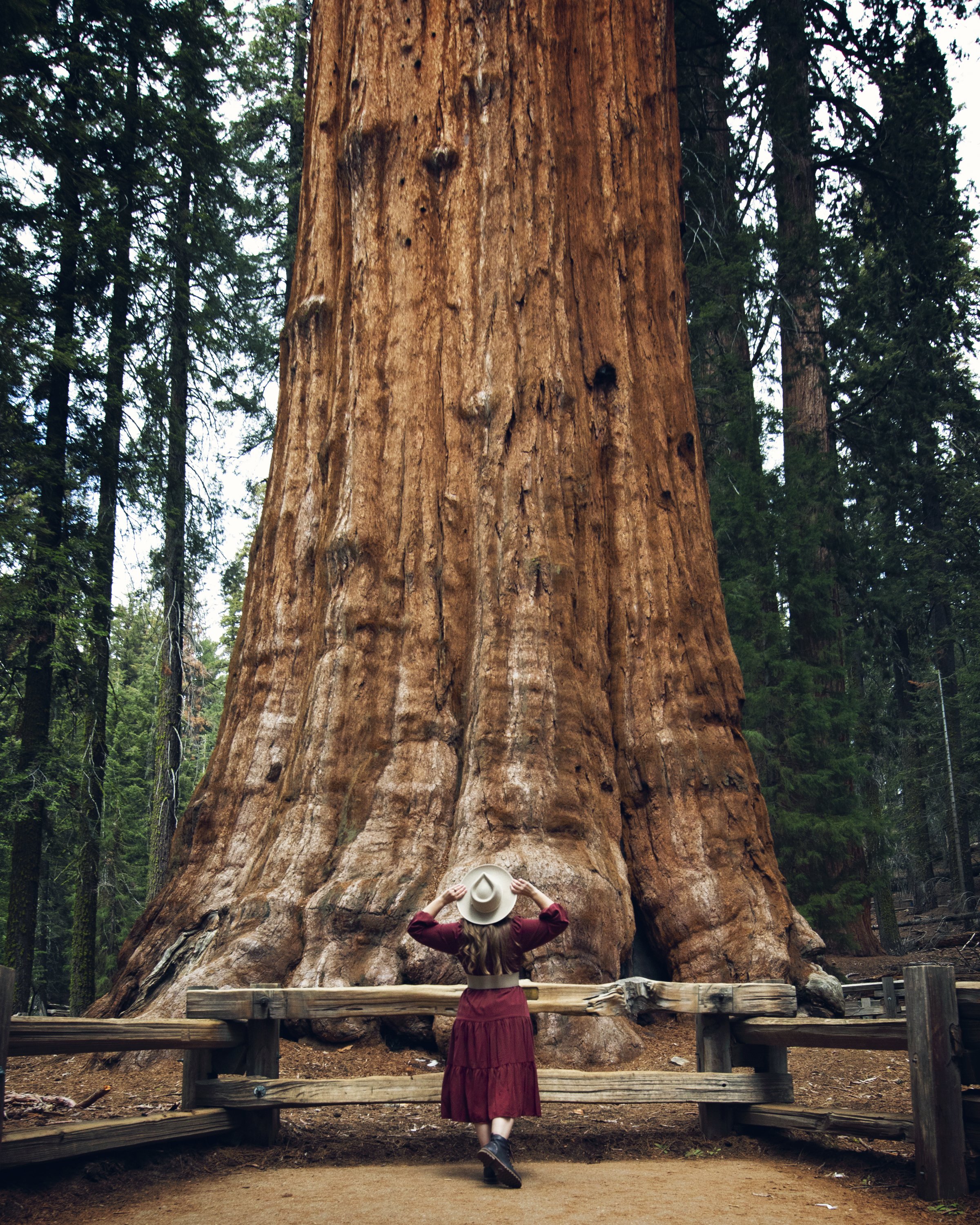
These adjacent parks, often referred to together as the “Land of Giants,” are home to the majority of the world’s remaining giant sequoias. The sheer scale of these trees is almost incomprehensible, with thick, fire-resistant bark and colossal trunks that seem to defy gravity.

Experiencing the Giant Sequoias
- General Sherman Tree: Located in the Giant Forest of Sequoia National Park, the General Sherman Tree is the largest living tree by volume on Earth. A paved, accessible trail leads to this iconic monument of nature.
- Giant Forest Museum: Situated in a historic building, this museum provides fascinating insights into the life cycle, ecology, and history of the giant sequoias.
- Moro Rock: A granite dome offering panoramic views of the San Joaquin Valley and the surrounding Sierra Nevada, Moro Rock is a popular spot for sunrise and sunset. A challenging but rewarding climb up its 350+ steps leads to the summit.
- Kings Canyon Scenic Byway: This dramatic road descends into the depths of Kings Canyon, one of the deepest canyons in North America, offering stunning mountain scenery and access to groves of giant sequoias.
- Grant Grove: In Kings Canyon National Park, this grove is home to the General Grant Tree, also known as the “Nation’s Christmas Tree,” the second-largest tree by volume.
Yosemite National Park
While most famous for its granite cliffs and waterfalls, Yosemite National Park also protects significant groves of giant sequoias.
Yosemite’s Sequoia Groves
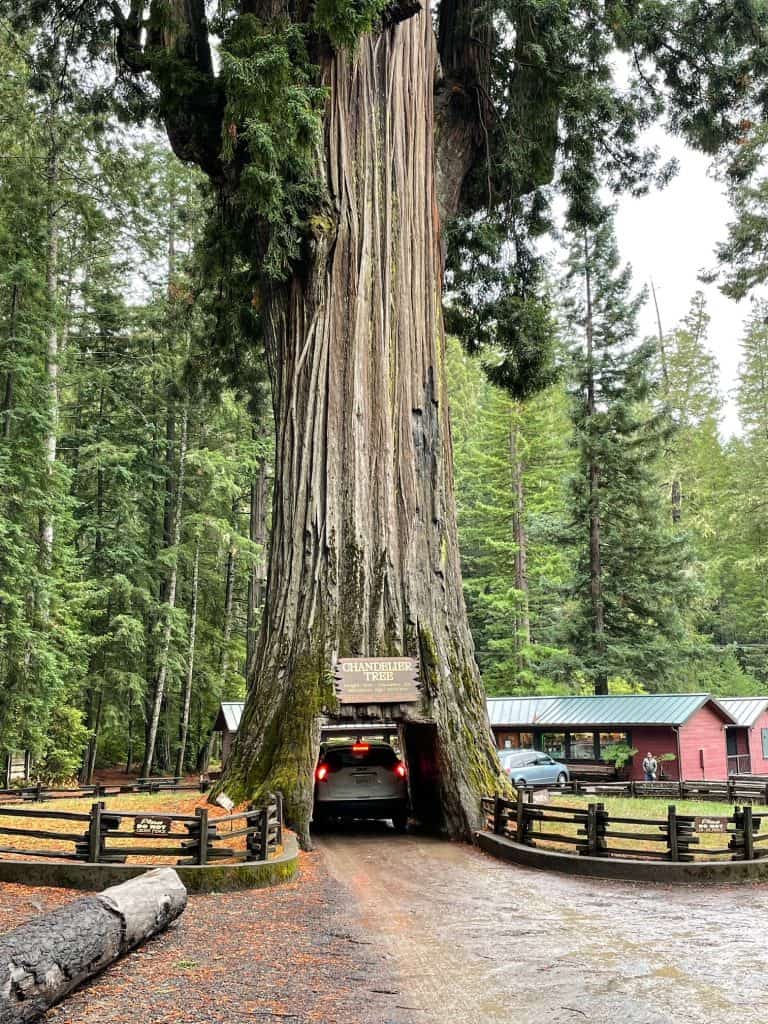
- Mariposa Grove: This is the largest grove of giant sequoias in Yosemite, featuring over 500 mature trees. A shuttle system operates during peak season, transporting visitors to the grove. Highlights include the Grizzly Giant, one of the oldest and most massive sequoias, and the California Tunnel Tree, a tree that once had a tunnel bored through it.
- Tuolumne Grove and Merced Grove: These smaller, less crowded groves offer a more intimate experience with the giant sequoias and are accessible via hiking trails.
Planning Your Redwood Adventure
A trip to see California’s redwood trees requires some planning to maximize your experience and ensure you witness these natural marvels at their best.
Best Time to Visit
The redwood regions are beautiful year-round, but certain times offer distinct advantages.
- Spring (April-May): Wildflowers bloom, and the weather is generally mild, with fewer crowds. This is a great time for hiking.
- Summer (June-August): This is the peak tourist season, offering the most reliable weather. However, expect larger crowds, especially in popular areas. Coastal fog is common in the mornings and evenings, creating a mystical atmosphere.
- Fall (September-October): The autumn colors, though subtle compared to deciduous forests, add a unique beauty to the groves. Crowds thin out, and the weather is often pleasant.
- Winter (November-March): This is the quietest season, with fewer visitors and lush green landscapes thanks to the rain. However, some park facilities may have reduced hours, and higher elevation roads in the Sierra Nevada might be closed due to snow.
Getting There and Around
- By Air: Major airports near the redwood coast include San Francisco International Airport (SFO), Oakland International Airport (OAK), and Arcata-Eureka Airport (ACV). For the Sierra Nevada parks, Fresno Yosemite International Airport (FAT) is the closest major airport to Sequoia National Park and Kings Canyon National Park.
- By Car: A car is essential for exploring the redwood regions, especially in Northern California where parks are spread out. Roads can be winding and narrow, so allow ample driving time.
- Public Transportation: Limited public transportation options exist within or between the parks, making a rental car highly recommended for flexibility.
Accommodation and Amenities
While camping within the parks is a popular option for an immersive experience, numerous hotels, motels, and vacation rentals are available in nearby towns.
- Coastal Towns: Crescent City, Klamath, Orick, Eureka, and Garberville offer a range of accommodations for visiting the coastal redwoods.
- Sierra Nevada Towns: Three Rivers is a popular base for Sequoia National Park, while towns like Fresno and Visalia are further afield but offer more options.
- Park Amenities: Most parks offer restrooms, picnic areas, and visitor centers. Drinking water is available at most developed areas, but it’s always wise to carry your own water, especially on longer hikes. Cell service can be spotty within the dense forests.
Essential Tips for Your Visit
- Respect the Environment: Stay on marked trails to protect the fragile forest floor and avoid disturbing wildlife. Do not carve into trees or take any natural souvenirs.
- Be Prepared for Weather: Coastal fog can roll in quickly, and mountain weather can change rapidly. Dress in layers and be prepared for cool, damp conditions.
- Download Maps: Cell service is unreliable. Download offline maps of the park and surrounding areas before you go.
- Book in Advance: For popular campgrounds, lodging, or guided tours, book well in advance, especially during peak season.
- Embrace the Quiet: The redwood forests are places of profound peace. Take time to simply stand, listen, and absorb the incredible scale and ancient energy of these magnificent trees.
Witnessing the redwood trees in California is more than just a sightseeing trip; it’s a journey into the heart of ancient nature, a humbling encounter with life on a grand scale that will undoubtedly leave an indelible mark on your soul.
LifeOutOfTheBox is a participant in the Amazon Services LLC Associates Program, an affiliate advertising program designed to provide a means for sites to earn advertising fees by advertising and linking to Amazon.com. Amazon, the Amazon logo, AmazonSupply, and the AmazonSupply logo are trademarks of Amazon.com, Inc. or its affiliates. As an Amazon Associate we earn affiliate commissions from qualifying purchases.