
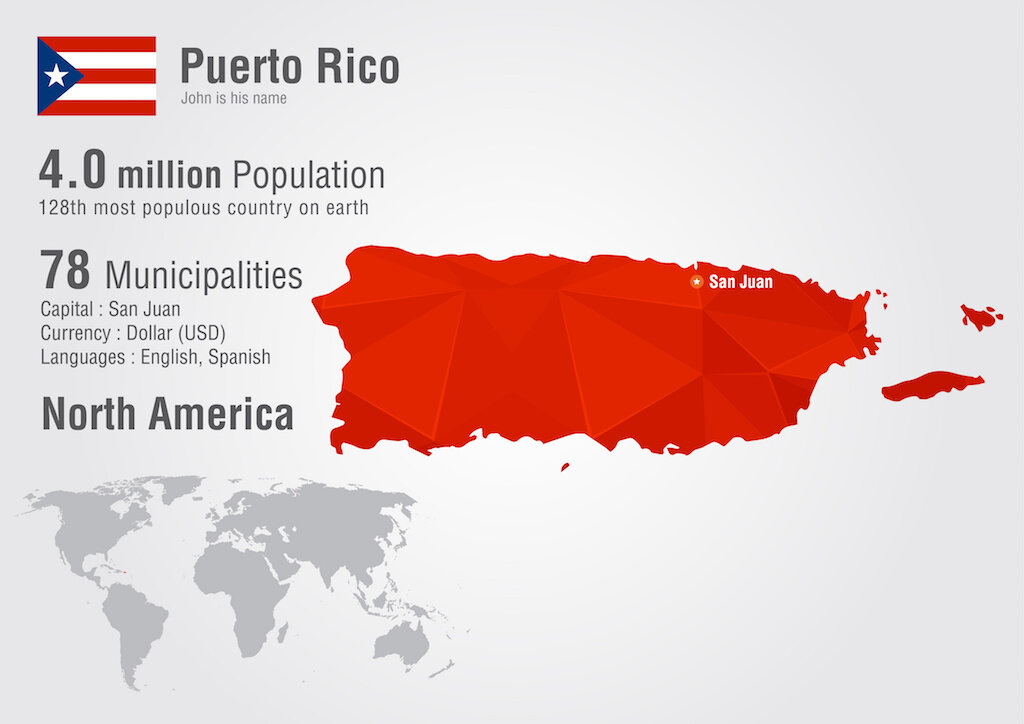
Puerto Rico, a vibrant Caribbean gem, boasts a rich cultural tapestry woven from diverse influences. Understanding the linguistic landscape is key to unlocking a deeper appreciation of this island’s unique identity. While English is widely spoken and understood, especially in tourist areas and business settings, the heart and soul of Puerto Rican communication resonate in its official language: Spanish.
The Primacy of Spanish
Spanish is not merely a language spoken in Puerto Rico; it is the primary vehicle of daily life, the carrier of its history, and the bedrock of its culture. From the bustling streets of San Juan to the tranquil beaches of Vieques and the mountainous interior, Spanish is the language of the home, the marketplace, the classroom, and the government. It’s the tongue in which lullabies are sung, stories are shared, and deep-seated traditions are passed down through generations.
Historical Roots of Spanish on the Island
The presence of Spanish in Puerto Rico dates back to the arrival of Christopher Columbus in 1493 and the subsequent colonization by the Spanish Empire. For centuries, Spanish was the sole language of administration, education, and public life. This prolonged period of colonial rule deeply embedded the language into the fabric of the island, shaping its pronunciation, vocabulary, and even its grammar in unique ways.
Puerto Rican Spanish: A Distinct Dialect
While the Spanish spoken in Puerto Rico is mutually intelligible with that spoken in many other Latin American countries, it possesses its own distinct characteristics. Puerto Rican Spanish is known for its melodic intonation, a rhythmic quality that many find captivating. It also features unique vocabulary, often influenced by indigenous Taíno words, African languages, and even English. For instance, the word “guagua,” meaning bus, is a prime example of a Taíno derivative that is prevalent on the island. Similarly, the tendency to pronounce the ‘s’ at the end of syllables as an ‘h’ sound, a phenomenon known as aspiration, is a common feature, giving it a softened, almost flowing sound. The assimilation of consonant sounds, where the ‘r’ sound often becomes an ‘l’ sound before another consonant (e.g., “puerta” sounding like “puelta”), further distinguishes it.
The Role of English
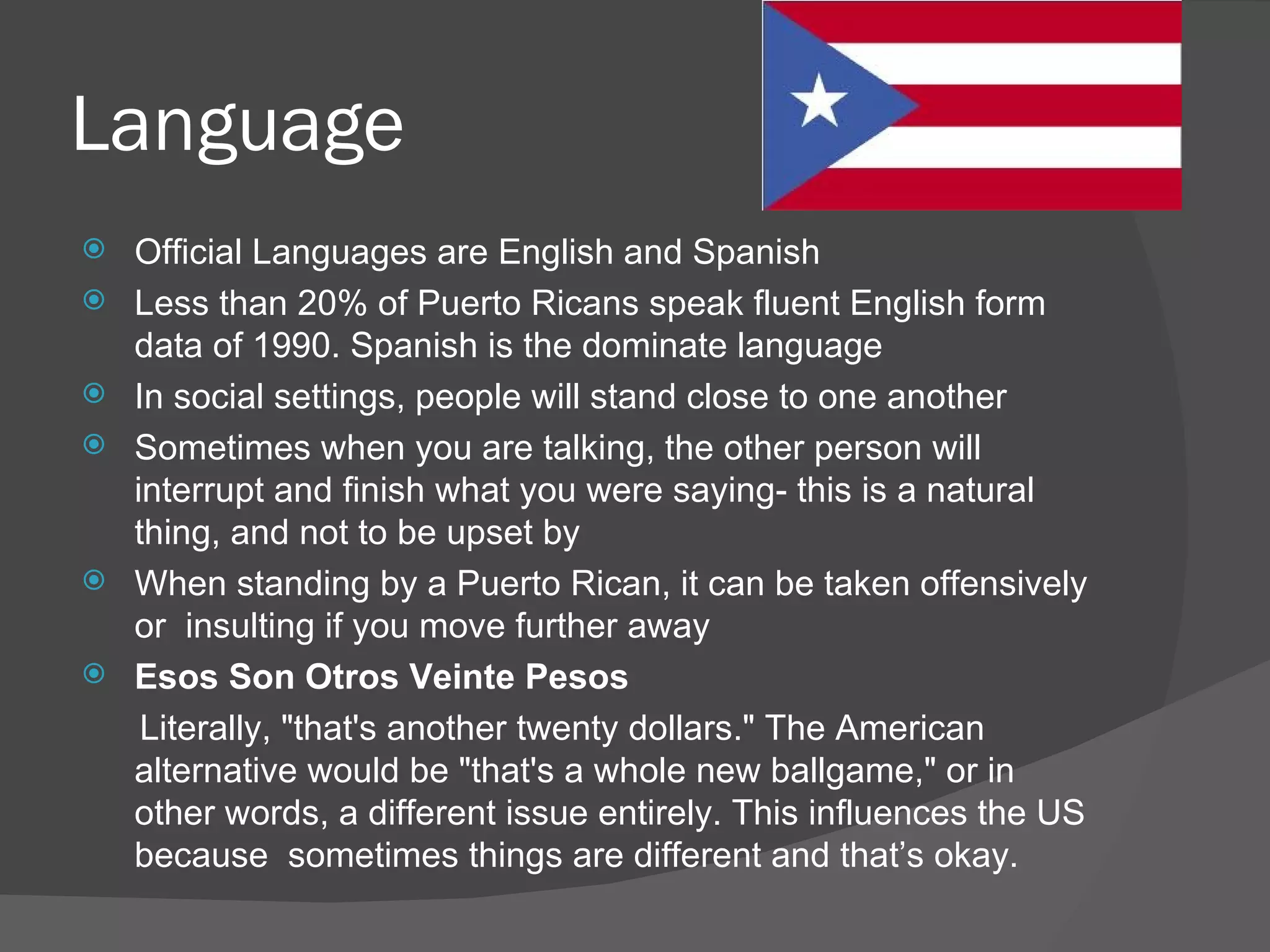
Following the Spanish-American War in 1898, Puerto Rico became a territory of the United States. This political shift introduced English as an official language alongside Spanish. For many years, there was a significant push to promote English as the primary language of education and government, a policy that met with considerable resistance from many Puerto Ricans who cherished their linguistic heritage.
Bilingualism as a Norm
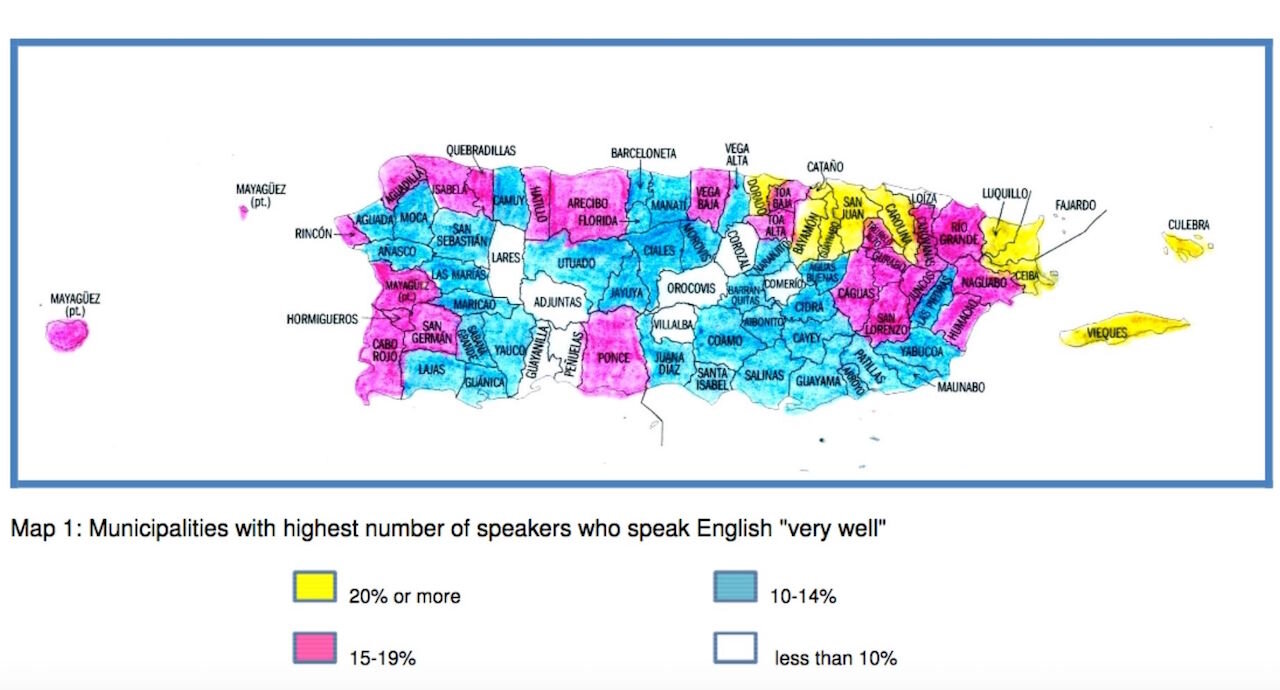
Today, Puerto Rico is a truly bilingual society. While Spanish remains dominant, English proficiency is widespread, particularly among younger generations and in urban centers. Many Puerto Ricans are bilingual, navigating seamlessly between both languages. This bilingualism is not just a practical skill; it’s a reflection of the island’s complex history and its ongoing relationship with the United States. Visitors will find that in major tourist destinations like Old San Juan, Ponce, and resorts like the Dorado Beach, a Ritz-Carlton Reserve, English is commonly spoken by hotel staff, tour guides, and shopkeepers.
Education and Language
The educational system in Puerto Rico officially recognizes both Spanish and English as languages of instruction. However, the approach to bilingual education has evolved over time. Historically, there were periods where English was the primary language of instruction. In more recent decades, there has been a renewed emphasis on strengthening Spanish language education while also ensuring English proficiency. This dual-language approach aims to equip students with the skills necessary to thrive in both a Spanish-speaking cultural context and a globally interconnected world.
Beyond Spanish and English: Other Linguistic Influences
While Spanish and English form the linguistic backbone of Puerto Rico, the island’s history of trade, migration, and cultural exchange has introduced other languages and dialects, albeit to a lesser extent.
Indigenous Taíno Language
Before the arrival of Europeans, the indigenous Taíno people inhabited the island, and their language has left an indelible mark on Puerto Rican Spanish. Numerous words for plants, animals, geographical features, and everyday objects are derived from Taíno. These linguistic remnants serve as a constant reminder of the island’s pre-Columbian heritage. Examples include “hamaca” (hammock), “canoa” (canoe), and the names of many towns and natural landmarks.
African Languages and Creole Influences
The transatlantic slave trade brought people from various parts of West Africa to Puerto Rico. While a distinct creole language did not fully develop in the same way as in some other Caribbean islands, African languages contributed significantly to the vocabulary and oral traditions of Puerto Rico. Elements of these linguistic influences can be detected in certain expressions, musical rhythms, and the unique cadences of Puerto Rican speech, particularly in regions with a stronger historical African presence, such as Loíza.
Modern Migrant Communities
In recent decades, Puerto Rico has welcomed communities from various parts of the world, including the Dominican Republic, Cuba, and increasingly, from mainland United States and other countries. While these communities primarily adopt Spanish or English for integration, their presence adds subtle linguistic nuances to the island’s evolving conversational landscape.
Communicating with Locals: Tips for Visitors
For travelers visiting Puerto Rico, understanding the linguistic dynamics can significantly enhance their experience. While you can navigate the island comfortably with English, making an effort to speak even a few basic Spanish phrases will be greatly appreciated by locals and can open doors to more authentic interactions.
Embracing the Spanish Language
Learning a few essential Spanish phrases will not only aid in practical communication but also show respect for the local culture. Greetings like “Hola” (Hello), “Buenos días” (Good morning), “Buenas tardes” (Good afternoon), and “Buenas noches” (Good evening) are always welcomed. Politeness is paramount, so using “Por favor” (Please) and “Gracias” (Thank you) is essential. Simple questions like “¿Cuánto cuesta?” (How much does it cost?) or “Donde está el baño?” (Where is the bathroom?) can be very useful.
Leveraging Bilingualism
In tourist areas, you will find that many people are proficient in English. Don’t hesitate to initiate a conversation in English if you are struggling with Spanish. Most Puerto Ricans are friendly and eager to assist visitors, and they will likely switch to English if they perceive a language barrier. However, be patient and understanding, as English proficiency can vary, especially outside of the main tourist hubs.
Understanding Cultural Nuances
Beyond the words themselves, understanding the cultural context of communication is vital. Puerto Ricans tend to be warm and expressive. Direct eye contact, a friendly tone, and a willingness to engage in light conversation are common. Avoid overly abrupt communication and be prepared for a more relaxed pace of interaction, which is characteristic of Caribbean island life.
The Sound of Puerto Rico
The language is more than just words; it’s an auditory experience. Listen to the rhythm of Spanish spoken in Puerto Rico, the infectious melodies of local music like Salsa and Reggaeton, and the lively chatter in the plazas. This sonic tapestry is an integral part of the Puerto Rican identity and offers a rich, immersive cultural experience for any visitor. From the historic streets of Old San Juan to the natural wonders of El Yunque National Forest, the language spoken in Puerto Rico is a vibrant testament to its enduring spirit and rich heritage.
LifeOutOfTheBox is a participant in the Amazon Services LLC Associates Program, an affiliate advertising program designed to provide a means for sites to earn advertising fees by advertising and linking to Amazon.com. Amazon, the Amazon logo, AmazonSupply, and the AmazonSupply logo are trademarks of Amazon.com, Inc. or its affiliates. As an Amazon Associate we earn affiliate commissions from qualifying purchases.