
This article explores the legal status of methamphetamine in Oregon. It is important to note that while some substances have seen decriminalization or legalization for specific purposes in certain jurisdictions, methamphetamine remains a strictly controlled and illegal substance across the United States, including Oregon. This article will delve into the laws and policies surrounding controlled substances in Oregon, with a particular focus on the illegality of methamphetamine.
Understanding Drug Laws in Oregon
Oregon, like all other states in the United States, operates under a comprehensive legal framework that classifies and regulates various substances, including controlled drugs. These laws are designed to protect public health and safety by preventing the production, distribution, and possession of dangerous and addictive drugs.

Federal Controlled Substances Act
At the federal level, the Controlled Substances Act (CSA) categorizes drugs into five schedules based on their accepted medical use, potential for abuse, and likelihood of causing dependence. Methamphetamine is classified as a Schedule II controlled substance under the CSA. This classification indicates that it has a high potential for abuse, and while it has a currently accepted, though severely restricted, medical use (e.g., in certain prescription medications for ADHD and obesity under strict medical supervision), its abuse may lead to severe psychological or physical dependence.
Oregon’s Drug Laws
Oregon’s state laws generally align with the federal classification of controlled substances. The Oregon Revised Statutes (ORS) contain provisions that mirror the CSA, outlining illegal drug activities and their corresponding penalties. Possession, manufacturing, and distribution of methamphetamine are illegal in Oregon and are subject to severe criminal penalties. These penalties can include lengthy prison sentences, substantial fines, and a criminal record that can have long-lasting consequences on an individual’s life, affecting employment, housing, and educational opportunities.
Possession of Methamphetamine
Possession of methamphetamine is a criminal offense in Oregon. The severity of the charge and the associated penalties typically depend on the quantity of the drug found, whether it is for personal use or distribution, and any prior criminal history of the individual. Even small amounts for personal use can lead to misdemeanor or felony charges, depending on the specifics of the offense and the jurisdiction within Oregon. Law enforcement agencies in cities like Portland, Salem, and Eugene actively enforce these laws.
Manufacturing and Distribution
The manufacturing and distribution of methamphetamine are considered more serious offenses, carrying significantly harsher penalties. These activities pose a greater threat to public health and safety due to the inherent dangers of clandestine labs and the widespread dissemination of the drug. Individuals involved in these operations face federal and state charges, often resulting in long-term incarceration.
Decriminalization vs. Legalization: A Crucial Distinction
It is important to clarify the distinction between decriminalization and legalization, especially in discussions surrounding drug policy. While some jurisdictions have explored or implemented measures related to drug policy reform, these measures do not equate to the legalization of methamphetamine.
Decriminalization Efforts in Oregon
In recent years, Oregon has been at the forefront of drug policy reform. In 2020, voters passed Measure 110, which decriminalized the possession of small amounts of drugs, including methamphetamine, for personal use. This measure, which went into effect in February 2021, reclassified possession of a small amount of controlled substances from a criminal offense to a violation, punishable by a fine or a health assessment. The intention behind Measure 110 was to shift the focus from incarceration to public health approaches, addressing addiction as a health issue rather than solely a criminal one.
It is critical to understand that Measure 110 did not legalize methamphetamine. The manufacturing, distribution, and sale of methamphetamine remain illegal and are subject to severe criminal penalties. Decriminalization only applies to the act of possessing a small quantity for personal use, and even then, it is subject to a citation rather than arrest and criminal charges. The aim was to reduce the burden on the criminal justice system and encourage individuals to seek treatment for substance use disorders.
Impact of Measure 110
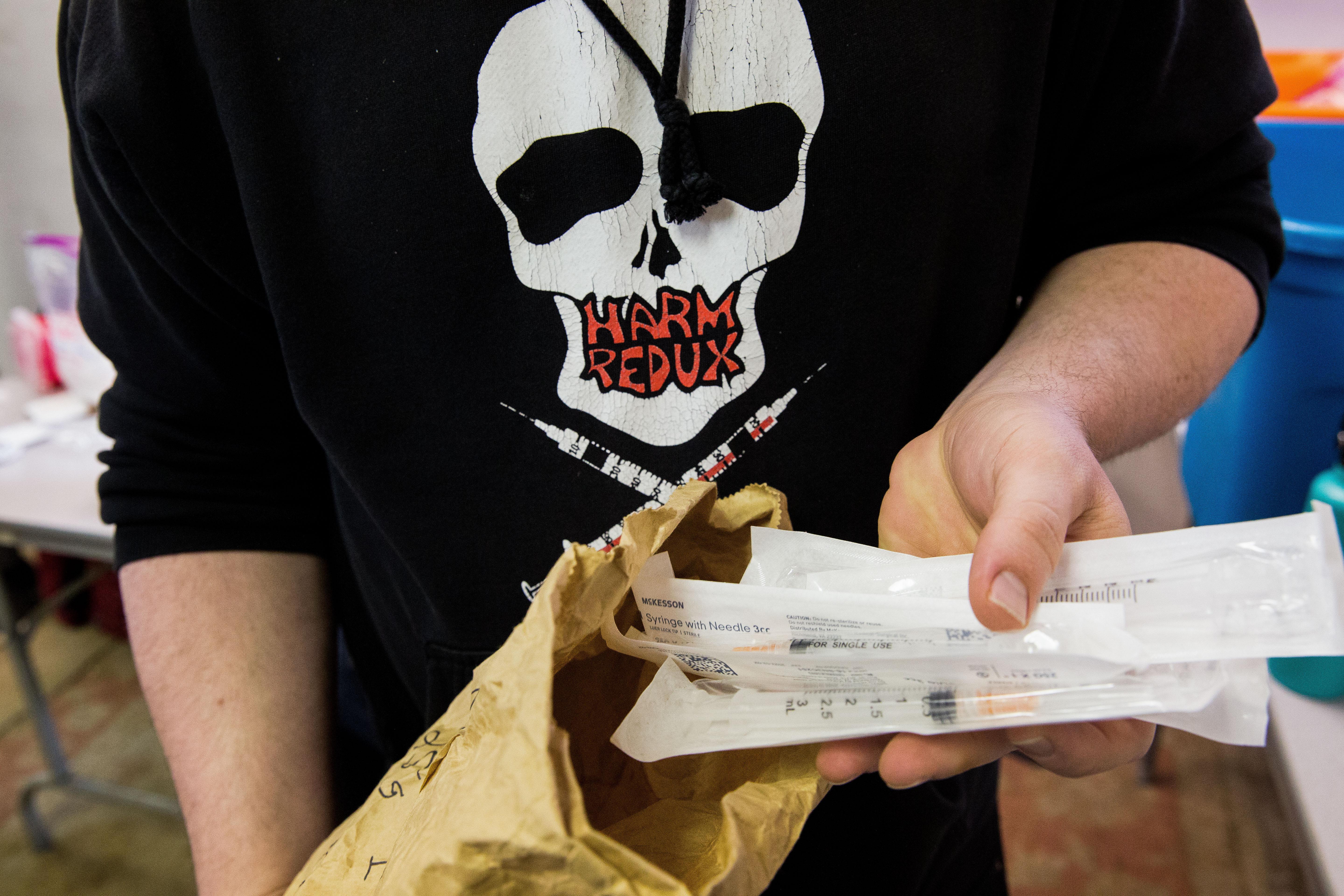
The implementation of Measure 110 has been met with varied reactions and ongoing debate. Proponents argue that it has reduced arrests and convictions for low-level drug possession, allowing resources to be redirected toward treatment and harm reduction services. However, critics have raised concerns about potential increases in public drug use and its associated impacts on communities, particularly in urban centers like Medford and Bend. The state has faced challenges in effectively scaling up the necessary treatment and harm reduction infrastructure to fully realize the intended benefits of the measure.
Legalization and Medical Use
Legalization, on the other hand, would involve removing all criminal penalties associated with a drug and regulating its production, sale, and use. This is a far more significant policy shift than decriminalization. Methamphetamine is not legal for recreational use in Oregon, nor is it legal for medical use outside of extremely limited, physician-prescribed circumstances for specific medical conditions. The primary medically approved form of amphetamine-based medication is Adderall, which is a different substance and is used to treat conditions like ADHD. Even these prescription medications are highly controlled and subject to strict regulations.
The Dangers of Methamphetamine
Regardless of legal classifications, the dangers associated with methamphetamine use are significant and well-documented. Methamphetamine is a highly addictive stimulant that affects the central nervous system. Its use can lead to severe physical and psychological health problems.
Health Risks Associated with Methamphetamine Use
- Addiction: Methamphetamine is exceptionally addictive, with users quickly developing a tolerance and experiencing intense cravings.
- Psychological Effects: Users can experience paranoia, hallucinations, delusions, anxiety, depression, and violent behavior. Long-term use can lead to irreversible cognitive damage.
- Physical Effects: This includes severe dental problems (“meth mouth”), skin sores from scratching, weight loss, cardiovascular issues such as rapid heart rate and high blood pressure, stroke, and organ damage.
- Overdose: Methamphetamine overdose can be life-threatening, leading to hyperthermia, seizures, heart attack, and respiratory failure.
Societal Impact
The widespread availability and use of methamphetamine have profound societal impacts, contributing to increased crime rates, strain on healthcare systems, and challenges in community safety. Addressing these issues requires a multi-faceted approach that includes law enforcement, public health initiatives, and robust addiction treatment services.
Resources for Help and Information
For individuals struggling with methamphetamine addiction or those seeking information about substance use disorders, various resources are available in Oregon.
Treatment and Support Services
Oregon offers a range of treatment options, including:
- Substance Use Disorder Treatment Centers: These facilities provide detoxification, counseling, and rehabilitation programs.
- Mental Health Services: Co-occurring mental health and substance use disorders are common, and integrated treatment is often most effective.
- Support Groups: Organizations like Narcotics Anonymous offer peer support for individuals in recovery.
The Oregon Health Authority provides information and resources for accessing these services. Many cities and counties have local health departments that can direct individuals to appropriate care.
Reporting Illegal Activities
If you have information about the illegal manufacturing or distribution of methamphetamine, you can report it to local law enforcement agencies or the Oregon State Police. Your cooperation can help prevent further harm to communities.

Conclusion: Methamphetamine Remains Illegal
In conclusion, despite recent policy shifts regarding drug possession in Oregon, methamphetamine remains an illegal and dangerous substance. Measure 110 decriminalized the possession of small amounts for personal use, but the manufacturing, distribution, and sale of methamphetamine continue to be serious criminal offenses. The focus of drug policy in Oregon, as in much of the nation, is increasingly on public health and harm reduction, but this does not equate to legalization. Understanding the current legal landscape and the severe risks associated with methamphetamine is crucial for both public safety and individual well-being.
LifeOutOfTheBox is a participant in the Amazon Services LLC Associates Program, an affiliate advertising program designed to provide a means for sites to earn advertising fees by advertising and linking to Amazon.com. Amazon, the Amazon logo, AmazonSupply, and the AmazonSupply logo are trademarks of Amazon.com, Inc. or its affiliates. As an Amazon Associate we earn affiliate commissions from qualifying purchases.