
California, a state renowned for its progressive policies and vibrant cultural tapestry, often stands as a beacon for inclusivity. When considering higher education, particularly for students identifying within the LGBT community, the Golden State presents a compelling narrative of acceptance, robust support systems, and a generally welcoming environment. From sprawling university campuses to the diverse urban centers that house them, California has consistently demonstrated a commitment to fostering safe and affirming spaces for all its residents, including its student population. This guide delves into the multifaceted aspects that contribute to California’s reputation as an LGBT-friendly destination for academic pursuits.
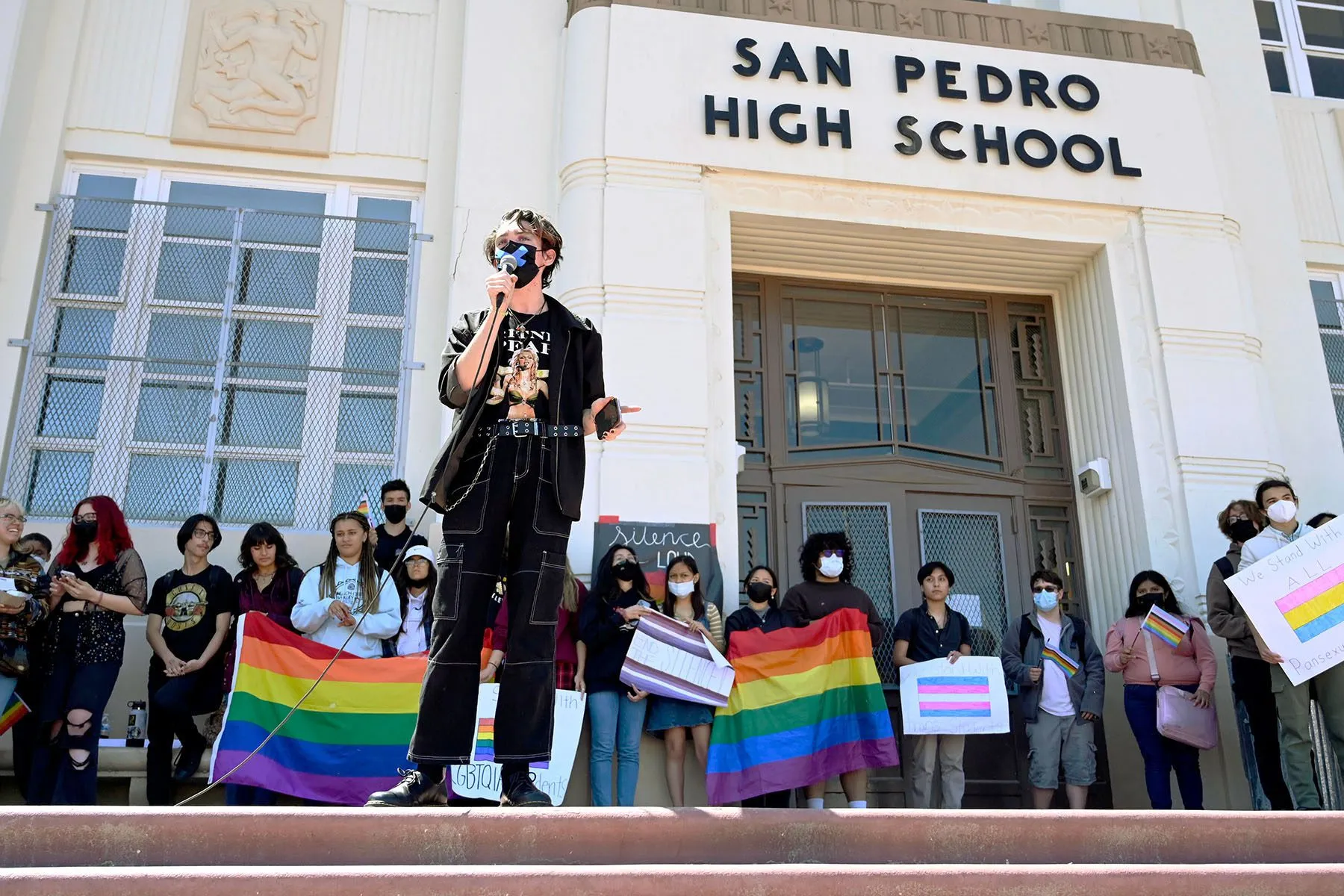
A Foundation of Legal Protections and Inclusivity
California’s legal framework plays a pivotal role in shaping its inclusive atmosphere. Decades of legislative action have cemented protections for LGBT individuals, creating a more secure and accepting environment. This foundational strength translates directly into the campus experience.
State-Level Protections and Their Impact
The state has been at the forefront of enacting anti-discrimination laws that encompass sexual orientation and gender identity. These laws, applied across educational institutions, ensure that students are protected from unfair treatment in admissions, housing, academics, and campus activities. The presence of such legal safeguards provides a baseline of security, allowing LGBT students to focus on their studies without undue fear of prejudice.
Campus Policies and Initiatives
Beyond state mandates, individual educational institutions in California have actively developed and implemented their own policies aimed at supporting their LGBT student body. These often include:
- Non-discrimination policies: Explicitly stating that discrimination based on sexual orientation, gender identity, and gender expression is prohibited.
- Gender-inclusive housing: Offering housing options that allow students to live with roommates of their choice, regardless of gender identity or sexual orientation. This can include gender-neutral dorms or options for students to select roommates without gender restrictions.
- Transgender inclusive facilities: Providing access to gender-neutral restrooms and changing facilities, which are crucial for the comfort and safety of transgender and non-binary students.
- Affirmative action and diversity statements: Many universities highlight their commitment to diversity and inclusion in their mission statements and recruitment efforts, often specifically mentioning the LGBT community.
These policies are not merely symbolic; they are practical measures designed to create a tangible difference in the daily lives of LGBT students. The proactive approach taken by California’s universities in creating these supportive structures is a significant factor in its appeal.
Campus Resources and Support Networks
The presence of dedicated resources and active support networks is crucial for any student navigating the challenges of higher education, and this is particularly true for LGBT students who may seek community and specific forms of support. California’s universities excel in providing a comprehensive array of such services.
LGBT Resource Centers and Student Organizations
A hallmark of many California campuses is the establishment of dedicated LGBT Resource Centers. These centers serve as vital hubs, offering a range of services, including:
- Information and referral: Connecting students with campus and community resources, including mental health services, legal aid, and health clinics.
- Programming and events: Organizing workshops, lectures, social gatherings, and awareness campaigns to foster community and educate the broader campus population.
- Advocacy and support: Providing a safe space for students to discuss their experiences, receive emotional support, and connect with peers.
Alongside these official centers, a plethora of student-led organizations flourish across campuses. These groups, such as LGBTQ+ student unions, transgender support groups, or specific affinity groups (e.g., Queer People of Color groups), offer invaluable peer-to-peer support, social connection, and a platform for activism and community building. The diversity of these organizations ensures that students can find groups that resonate with their specific identities and interests.
Mental Health and Wellness Services
Understanding the unique mental health needs of LGBT individuals, many California universities have integrated specialized services within their counseling and psychological services departments. This can include:
- Therapists with LGBT competency: Counselors who are trained and experienced in addressing issues relevant to the LGBT community, such as coming out, identity exploration, relationship challenges, and experiences of discrimination.
- Support groups: Facilitated groups focusing on specific issues, like coming out support groups or groups for transgender students.
- Crisis intervention: Providing immediate support for students experiencing distress or crisis.
The availability of such tailored mental health resources is a critical component of creating a genuinely supportive environment.

Academic and Career Support
In addition to social and emotional support, many institutions are also working to ensure that LGBT students receive equitable academic and career guidance. This can involve:
- Inclusive curriculum development: Encouraging the inclusion of LGBT studies and diverse perspectives within academic programs.
- Faculty training: Educating faculty members on creating inclusive classroom environments and addressing LGBT-related topics sensitively.
- Career services: Providing guidance that is sensitive to the potential challenges LGBT individuals might face in the job market and highlighting employers with strong diversity and inclusion records.
The Broader California Landscape: Cities and Culture
Beyond the confines of university campuses, the broader social and cultural landscape of California significantly enhances its appeal as an LGBT-friendly state for students. The cities that host these institutions are often vibrant, diverse, and have long histories of LGBT activism and community presence.
Major Urban Centers and Their Contributions
Cities like San Francisco, Los Angeles, San Diego, and Oakland are well-known for their established LGBT communities, offering a wealth of resources and cultural attractions that extend far beyond university life. These cities typically feature:
- LGBT-specific neighborhoods: Areas like The Castro in San Francisco or West Hollywood in Los Angeles are globally recognized hubs for LGBT culture, businesses, and community events.
- Numerous LGBT-owned businesses and establishments: From cafes and bookstores to bars and community centers, these businesses provide spaces for social gathering and a visible representation of the community.
- Active community organizations and advocacy groups: These organizations work on a local level to promote LGBT rights, provide services, and foster a sense of belonging.
- Cultural institutions and events: Museums, art galleries, theaters, and annual pride parades and festivals celebrate LGBT history, culture, and identity, offering enriching experiences for students.
Diversity and Intersectionality
California’s strength lies not only in its LGBT-specific offerings but also in its profound diversity. The state is a melting pot of ethnicities, cultures, and backgrounds, and this extends to its LGBT communities. This intersectionality means that students can find spaces that acknowledge and celebrate their multiple identities, whether they are LGBT individuals of color, those with disabilities, or from various religious or cultural backgrounds. Universities and communities often strive to be inclusive of these intersecting identities, creating a richer and more nuanced experience of belonging.
Safety and Acceptance in Everyday Life
While no place is entirely free from the possibility of prejudice, California generally ranks high in terms of public acceptance of LGBT individuals. This translates into a greater sense of safety and comfort for LGBT students as they navigate daily life outside of campus – whether it’s grocery shopping, dining out, or engaging in recreational activities. The pervasive presence of LGBT visibility and the general societal acceptance contribute to a feeling of being able to live authentically without constant vigilance.
Navigating Your Educational Journey in California
For prospective LGBT students considering California, the outlook is overwhelmingly positive. The combination of strong legal protections, dedicated campus resources, and a broadly accepting societal environment creates a fertile ground for academic success and personal growth.
Researching Specific Institutions
While the state as a whole is welcoming, it is always advisable for students to conduct thorough research into individual institutions. This includes:
- Reviewing university websites: Look for specific information on LGBT student services, housing policies, non-discrimination statements, and campus climate surveys.
- Contacting LGBT Resource Centers: Reach out to the centers directly to inquire about their programs, services, and how they support students.
- Exploring student organizations: Investigate the presence and activity of LGBT student groups on campus.
- Considering the surrounding city: Research the LGBT-friendliness and available resources in the city where the university is located. Online guides and community forums can be valuable resources.

Connecting with the Community
Once enrolled, actively engaging with the LGBT community, both on and off campus, can significantly enhance the student experience. This can involve:
- Attending events and programs: Participating in campus events, pride celebrations, and community gatherings.
- Joining student organizations: Becoming involved in LGBT student groups can provide immediate social connections and a sense of belonging.
- Utilizing campus resources: Don’t hesitate to reach out to LGBT Resource Centers and counseling services for support or information.
California offers a compelling proposition for LGBT students seeking an inclusive and supportive environment for their higher education. From the legislative landscape to the vibrant cultural scenes, the state provides a foundation for students to thrive academically and personally, embracing their identities in a place that largely celebrates diversity. The commitment to progress and inclusivity makes California a truly standout destination for LGBT individuals pursuing their educational dreams.
LifeOutOfTheBox is a participant in the Amazon Services LLC Associates Program, an affiliate advertising program designed to provide a means for sites to earn advertising fees by advertising and linking to Amazon.com. Amazon, the Amazon logo, AmazonSupply, and the AmazonSupply logo are trademarks of Amazon.com, Inc. or its affiliates. As an Amazon Associate we earn affiliate commissions from qualifying purchases.