
The majestic coast redwoods, Sequoia sempervirens, are an iconic symbol of California’s natural splendor. These ancient giants, the tallest living things on Earth, create awe-inspiring forests that draw visitors from around the globe. For travelers seeking to immerse themselves in these natural cathedrals, California offers a wealth of opportunities. Understanding where to find these magnificent trees is key to planning an unforgettable expedition into the heart of redwood country.
Northern California’s Redwood Coast
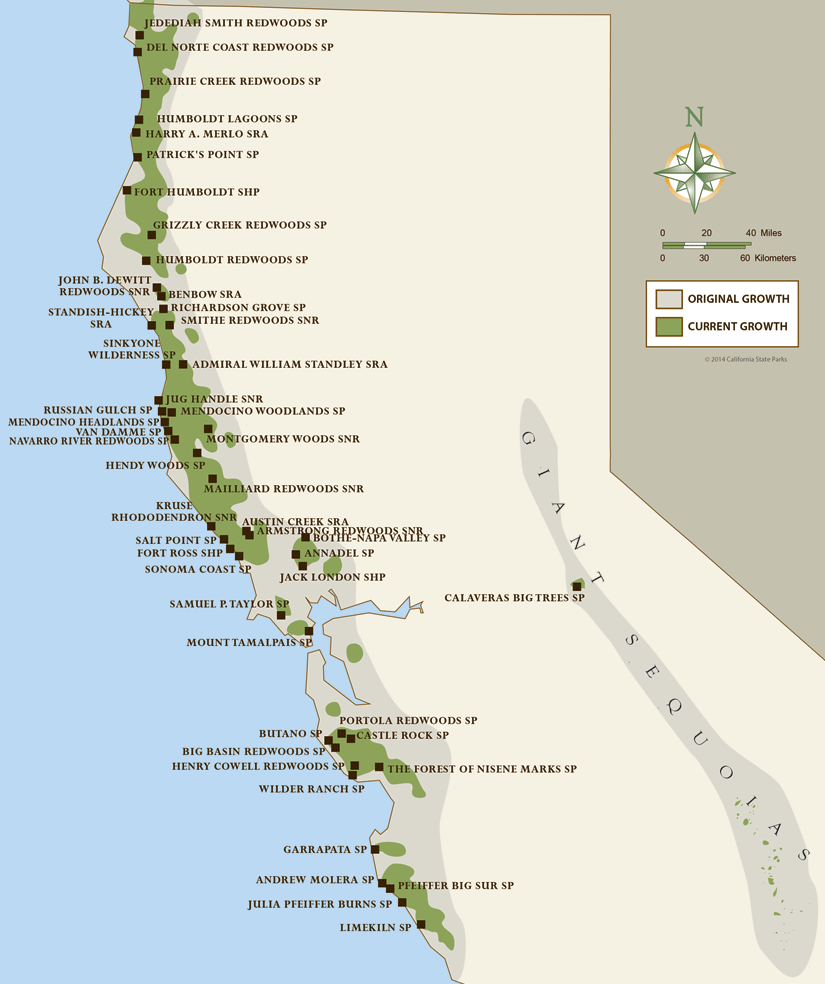
The vast majority of coast redwood forests are found along the Northern California coast, a region renowned for its dramatic landscapes, including rugged shorelines, misty mountains, and of course, the towering redwood groves. This stretch of coastline, often referred to as the “Redwood Empire,” is where the magic of these ancient trees truly unfolds.
Redwood National and State Parks
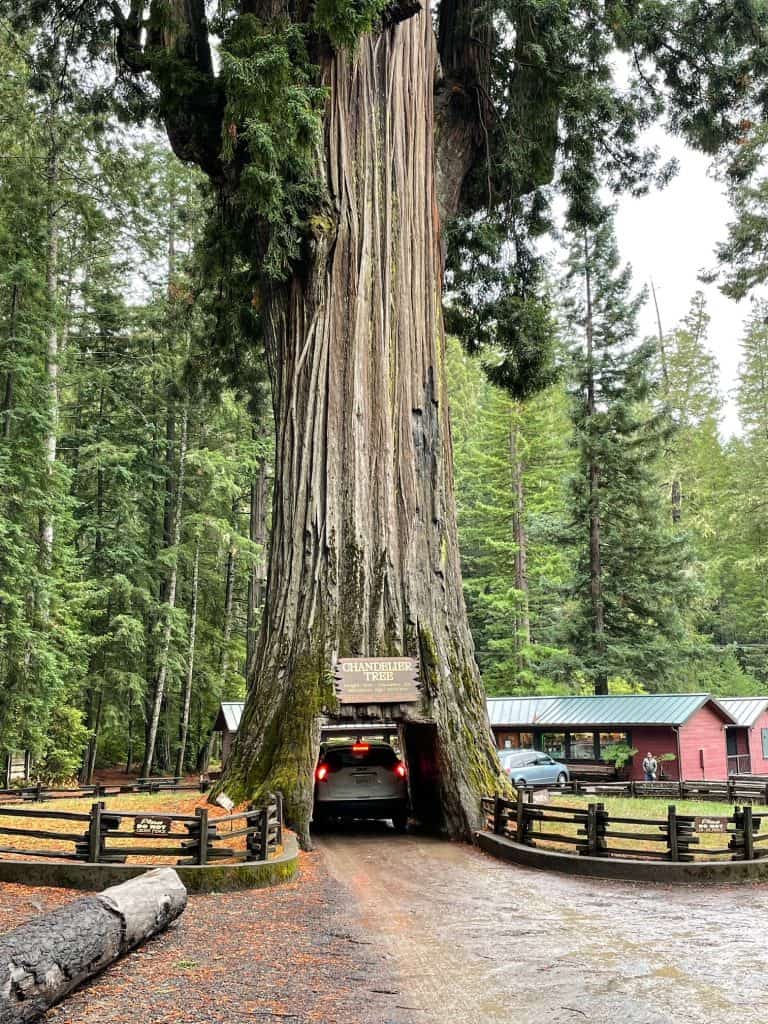
The crown jewel of redwood exploration is undoubtedly the Redwood National and State Parks. This UNESCO World Heritage site is a collection of federally and state-managed lands that protect nearly half of the remaining old-growth coast redwoods. It’s not a single contiguous park but rather a mosaic of distinct areas, each offering unique experiences.
Prairie Creek Redwoods State Park
Within the Redwood National and State Parks complex, Prairie Creek Redwoods State Park is a perennial favorite for its stunning scenery and abundant wildlife. Visitors can drive scenic byways like Newton B. Drury Parkway, which winds through dense groves, or hike trails that lead to hidden wonders. The park is also home to a herd of Roosevelt elk, often seen grazing in meadows adjacent to the redwood forests, adding another layer of natural spectacle to the visit. Popular trails include the Big Tree Wayside and the Fern Canyon Trail, the latter of which gained fame from its appearance in the movie Jurassic Park.
Jedediah Smith Redwoods State Park
Further north, Jedediah Smith Redwoods State Park is celebrated for its exceptionally tall trees and the crystal-clear waters of the Smith River. The Stout Grove, accessible via a short loop trail, is a particularly enchanting spot, often described as one of the most beautiful redwood groves in existence. The moss-draped branches and dappled sunlight filtering through the canopy create an almost ethereal atmosphere. For those seeking a more immersive experience, camping is available within the park.
Del Norte Coast Redwoods State Park
Del Norte Coast Redwoods State Park offers a wilder, more remote redwood experience. Its rugged coastline is matched by dense, old-growth forests. Hiking trails here often provide glimpses of the Pacific Ocean through the trees, a breathtaking juxtaposition of forest and sea. The park is less developed than its neighbors, appealing to those who crave solitude and a true wilderness escape.
Humboldt Redwoods State Park
South of the national parks, Humboldt Redwoods State Park is home to the Avenue of the Giants, a scenic alternative to U.S. Route 101 that meanders through some of the most impressive redwood stands in the state. This iconic drive allows visitors to stop at various points of interest, including the Founders Grove Nature Trail, which features the Dyerville Giant, once believed to be the tallest tree in the world. The park also boasts the Rockefeller Forest, the largest remaining contiguous old-growth coast redwood forest.
Other Notable Redwood Areas
Beyond the primary protected areas, numerous other locations offer opportunities to experience these magnificent trees.
State Forests and Private Lands
Several state forests and private timberlands in Northern California are managed for sustainable forestry but also offer public access for recreation. These areas can provide a less crowded experience and a chance to see redwoods in a working forest landscape. It is always advisable to check for public access regulations and trail conditions before visiting.
Scenic Drives
Beyond the Avenue of the Giants, many smaller, less-trafficked roads wind through redwood forests. These are often county roads or forest service roads, and while they may require a bit more navigation, they can lead to stunning, secluded groves. Always ensure your vehicle is suitable for the road conditions and carry a map, as cell service can be unreliable.
Southern California’s “Little Redwoods”
While the iconic coast redwoods are exclusively found in Northern California, Southern California offers its own unique giant conifer experience with the giant sequoias, Sequoiadendron giganteum. These trees, while not as tall as their coastal cousins, are significantly more massive in volume, holding the record for the largest trees on Earth by volume.
Sequoia National Park and Kings Canyon National Park
The Sequoia National Park and Kings Canyon National Park complex, managed jointly, is the premier destination for encountering giant sequoias. These parks are located in the southern Sierra Nevada mountains, offering a drastically different landscape from the coastal redwood forests. The elevation here is significantly higher, and the environment is characterized by granite peaks, deep canyons, and subalpine meadows.
Giant Forest
The Giant Forest in Sequoia National Park is home to the largest trees by volume. The most famous of these is the General Sherman Tree, the world’s largest single-stem tree by volume. Walking among these colossal trees, which can live for thousands of years, is a humbling experience. Trails like the Congress Trail provide easy access to many of these giants, allowing visitors to marvel at their sheer size and ancient presence.
Grant Grove
In Kings Canyon National Park, the Grant Grove is the primary location for viewing giant sequoias. It is home to the General Grant Tree, which is the second-largest tree by volume and was once designated as the nation’s Christmas tree. The grove offers well-maintained trails and interpretive signs that provide fascinating insights into the ecology and history of these remarkable trees.
Sierra National Forest
Parts of the Sierra National Forest, which surrounds the national parks, also contain groves of giant sequoias. These areas can offer a more rustic and less crowded experience for those willing to venture off the beaten path. Popular groves within the national forest include the Mariposa Grove (though currently undergoing extensive restoration and access may be limited), the Tuolumne Grove, and the Merced Grove.
Planning Your Redwood Adventure
Visiting these ancient forests requires some planning to ensure the best possible experience.
Best Time to Visit
The redwood coast enjoys a mild climate year-round, but the best times to visit depend on your preferences. Spring (April-May) offers blooming wildflowers and fewer crowds. Summer (June-August) is popular but can be crowded, with the added benefit of longer daylight hours. Autumn (September-October) is often considered ideal, with pleasant temperatures, fewer visitors, and the stunning beauty of the changing coastal light. Winter can bring rain, which can enhance the mystical atmosphere of the forests, but some roads and trails may be less accessible. For the giant sequoias in the Sierra Nevada, summer and early autumn are generally the most accessible times, as snow can close roads and trails during the winter months.
Getting There
Most redwood destinations are accessible by car. For Northern California’s coast redwoods, major routes include U.S. Route 101 and the scenic Pacific Coast Highway (Highway 1) where it runs parallel to the coast. For the giant sequoias, access is typically via California State Routes 180 and 198. Flights can be taken to regional airports such as Arcata-Eureka Airport (ACV) for the northern coast or Fresno Yosemite International Airport (FAT) for the southern Sierra.
Accommodation Options
The areas surrounding the redwood parks offer a range of lodging, from charming inns and rustic cabins to more substantial hotels and resorts. Booking in advance is highly recommended, especially during peak season. Consider staying in towns like Crescent City, Klamath, Eureka, or Garberville for the northern redwoods, or near Three Rivers for access to Sequoia and Kings Canyon National Parks.

Essential Tips for Exploring
- Stay on Trails: To protect the fragile ecosystem and ensure your safety, always stay on marked trails.
- Leave No Trace: Pack out everything you pack in, respect wildlife, and minimize your impact on the environment.
- Check Conditions: Always check park websites or contact park ranger stations for current trail conditions, road closures, and any alerts.
- Be Prepared for Weather: Coastal weather can change rapidly, so bring layers of clothing, rain gear, and sturdy footwear. The Sierra Nevada mountains also experience significant temperature variations.
- Cell Service: Be aware that cell service is often spotty or nonexistent within the redwood forests and mountainous regions. Download maps and information beforehand.
- Respect the Trees: Do not carve into the bark or disturb the natural environment of these ancient beings.
The allure of California’s redwoods and giant sequoias is undeniable. Whether you seek the towering elegance of the coast redwoods or the immense girth of the Sierra giants, these magnificent forests offer a profound connection to the natural world and a journey back in time.
LifeOutOfTheBox is a participant in the Amazon Services LLC Associates Program, an affiliate advertising program designed to provide a means for sites to earn advertising fees by advertising and linking to Amazon.com. Amazon, the Amazon logo, AmazonSupply, and the AmazonSupply logo are trademarks of Amazon.com, Inc. or its affiliates. As an Amazon Associate we earn affiliate commissions from qualifying purchases.