
California, the Golden State, offers a breathtaking array of landscapes, from the rugged coastlines of the Pacific to the soaring peaks of the Sierra Nevada, and the vast expanses of its deserts. For any traveler, understanding the rhythm of daylight, particularly the magical moments of sunrise, can significantly enhance an experience. Knowing when the sun will crest the horizon is not just a matter of curiosity; it’s a key piece of information for planning memorable excursions, capturing stunning photographs, or simply appreciating the natural beauty of this diverse state.
The timing of sunrise across California is far from uniform. It’s a dynamic phenomenon influenced by a multitude of geographical and temporal factors. The sheer east-west expanse of the state means that significant differences in sunrise times can be observed from its westernmost points to its eastern borders. Furthermore, the observance of Daylight Saving Time adds another layer of complexity, shifting the clock forward and back throughout the year, and consequently, altering sunrise times. Understanding these variables is crucial for making the most of your visit, whether you’re aiming to witness the first light paint the Grand Canyon or catch a serene dawn over the Pacific Ocean.
Factors Influencing California Sunrise Times
The position of the sun in the sky is not static, and its appearance over the California horizon is a result of several interwoven factors. Awareness of these elements allows for a more precise anticipation of dawn’s arrival and a deeper appreciation for the celestial mechanics at play.
Geographical Location and Time Zones
California spans a significant longitudinal distance. While the entire state observes Pacific Time, this is a standardized time zone, and the actual position of the sun relative to local noon will vary slightly across its width. For instance, a sunrise in the far western city of San Diego will occur a few minutes later than in a city further east, such as Bakersfield, even if both are on the same time zone. This difference, though often small, becomes more pronounced when considering the extreme eastern edge of the state, which shares a border with Nevada and adheres to the same Pacific Time Zone.
Earth’s Axial Tilt and Orbit
The most significant factor dictating seasonal changes in sunrise times is the tilt of the Earth’s axis, approximately 23.5 degrees relative to its orbital plane around the sun. As Earth orbits the sun, different hemispheres are tilted towards or away from the sun, causing the seasons. This tilt directly affects the sun’s apparent path across the sky and, consequently, the time of sunrise and sunset. During the summer months in the Northern Hemisphere, the tilt is towards the sun, leading to earlier sunrises and later sunsets. Conversely, during winter, the tilt is away, resulting in later sunrises and earlier sunsets. This annual cycle is the primary driver of the shifting sunrise times observed throughout the year in California.
Daylight Saving Time (DST)
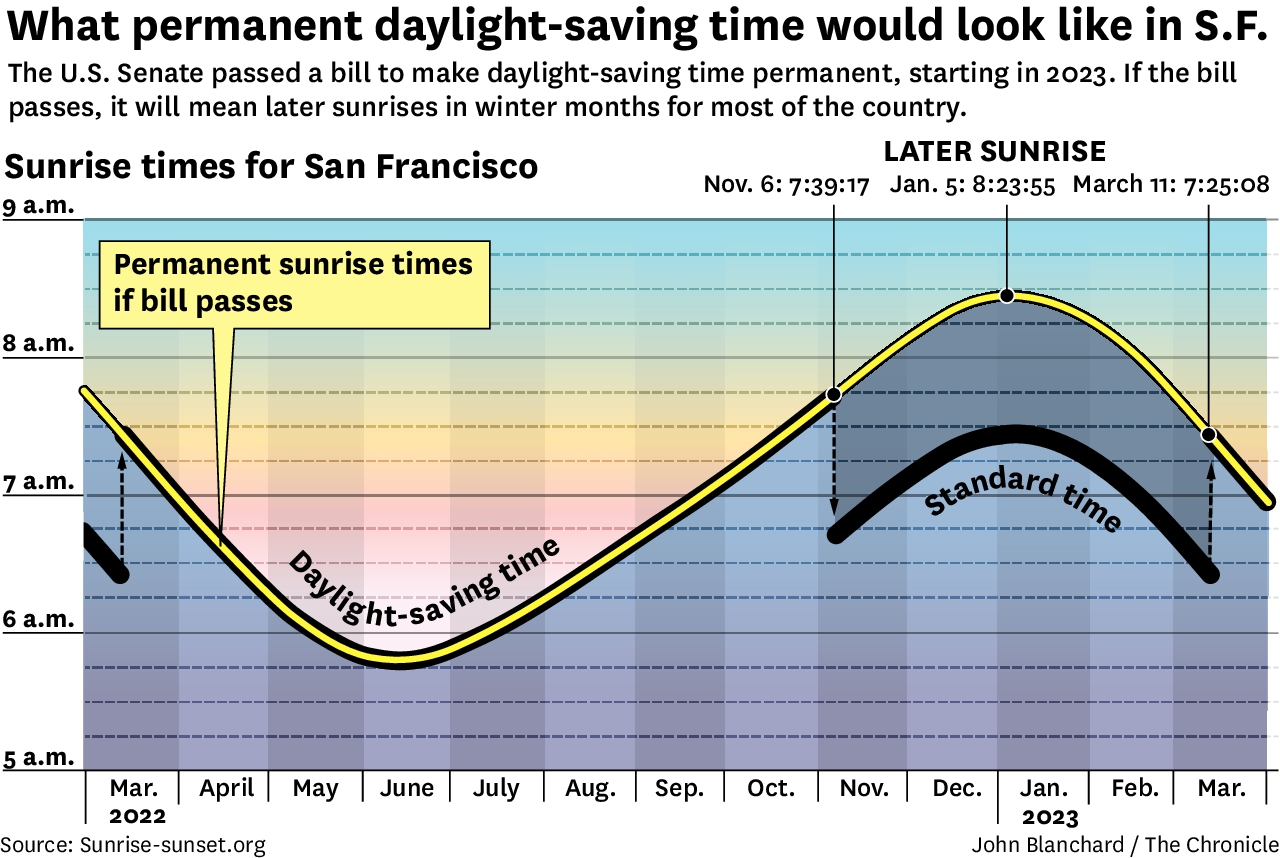
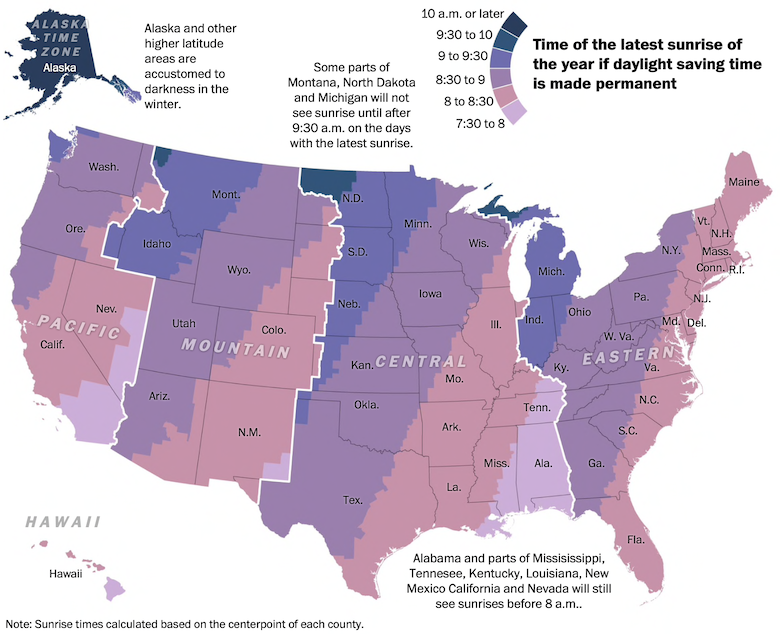
California, like much of the United States, observes Daylight Saving Time (DST). DST begins on the second Sunday in March and ends on the first Sunday in November. During this period, clocks are set forward by one hour. This means that, on the clock, sunrise appears to occur an hour later than it would without DST. While DST is intended to make better use of daylight, it effectively shifts all solar events, including sunrise, to later clock times for roughly eight months of the year. Therefore, when planning a sunrise viewing, it’s essential to know whether DST is in effect. For example, a sunrise that might officially be recorded at 6:00 AM during standard time will appear as 7:00 AM during DST.
Sunrise Times Across California’s Diverse Regions
The vastness and varied topography of California mean that sunrise can present vastly different spectacles depending on your location. From the iconic beaches of Southern California to the majestic mountains of the north, each region offers a unique dawn experience.
Southern California Coast
The coastal areas of Southern California, including cities like Los Angeles, San Diego, and Santa Barbara, are renowned for their stunning ocean sunrises. When facing the Pacific Ocean, the sun rises inland, typically over the coastal mountain ranges. Therefore, true oceanfront sunrise viewing requires looking towards the east. Popular spots for this include beaches like La Jolla Shores or the shores of Catalina Island. Sunrise times here are generally similar across the coastal strip, with minor variations due to longitude. During standard time, expect sunrises to be in the 6:30-7:00 AM range in winter and as early as 5:30-6:00 AM during the summer months (after accounting for DST).
Northern California Coast and Bay Area
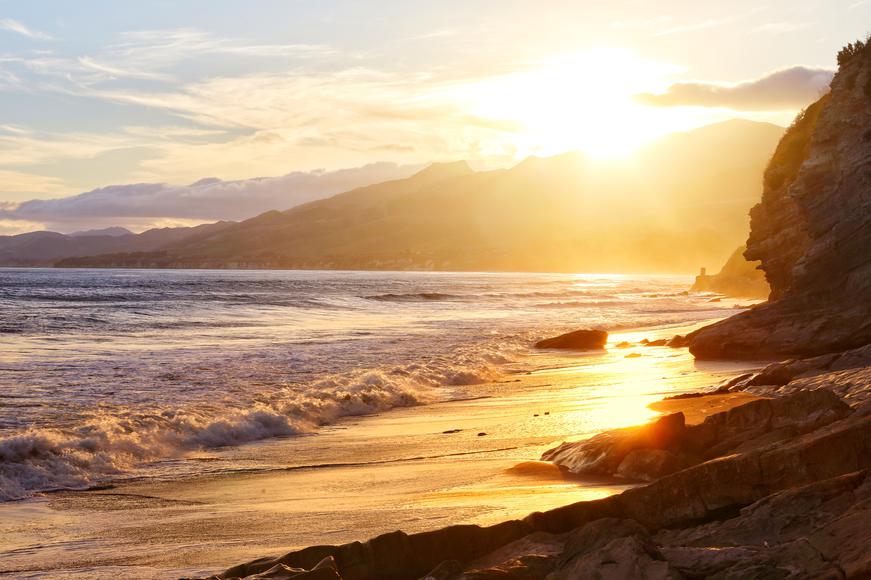
Moving north along the coast, places like San Francisco, Oakland, and Mendocino offer equally compelling, though often cooler, dawn experiences. The dramatic cliffs and historic lighthouses of the northern coast provide spectacular backdrops. For a true ocean sunrise, one would look eastward across the San Francisco Bay or inland from the western coast. Sunrise times here are generally consistent with Southern California, but the atmospheric conditions, such as coastal fog, can dramatically influence the visual aspect of the sunrise. The famed fog can sometimes obscure the direct view of the sun, creating a diffused, ethereal glow over the landscape.
Inland Valleys and Deserts
The interior of California presents a starkly different, yet equally captivating, sunrise. In the agricultural heartlands of the Central Valley, such as around Fresno or Visalia, sunrises are often clear, unhindered by coastal fog, and can be spectacular over the flat agricultural plains. Sunrise times here will be slightly earlier than on the coast due to their more easterly longitude.
The deserts of Southern California, including the Mojave Desert and Joshua Tree National Park, offer some of the most dramatic desert sunrises. The vast, open landscapes, punctuated by unique rock formations and iconic Joshua trees, are bathed in a warm, golden light as the sun ascends. Sunrise times in these eastern desert regions will be among the earliest in the state. For instance, a sunrise in Palm Springs will occur noticeably earlier than in Los Angeles.
Mountain Regions
The Sierra Nevada mountains, home to landmarks like Yosemite National Park and Lake Tahoe, offer a truly awe-inspiring sunrise experience. As the sun rises behind the eastern peaks, it illuminates the granite cliffs and pine forests with a spectacular display of light and shadow. Sunrise times here will vary greatly depending on your specific elevation and orientation within the mountain range. Higher elevations, particularly those facing east, will experience sunrise earlier. Witnessing dawn from a high vantage point, overlooking a valley or lake, is an unforgettable travel experience.
Planning Your California Sunrise Experience
To truly savor a California sunrise, meticulous planning is key. Beyond simply knowing the time, consider the location, weather, and what you wish to capture or experience.
Checking Local Sunrise Times
The most reliable way to determine the precise sunrise time for your specific location in California is to consult a reputable online resource or weather application. Websites that provide astronomical data or local weather forecasts typically offer highly accurate sunrise and sunset times, often with the option to specify your exact location. Remember to account for Daylight Saving Time when viewing these predictions, as most resources will specify whether the time provided is local standard time or daylight time. For instance, when looking up sunrise for Sacramento, ensure you are checking for the current date and aware of DST status.
Sunrise Photography Tips
California is a photographer’s paradise, and capturing a sunrise can yield breathtaking results.
- Scout Your Location: Visit your chosen spot the day before, ideally at a similar time, to understand the light, potential foreground elements, and any obstructions.
- Gear Up: A tripod is essential for low-light conditions, allowing for sharper images. Consider a wide-angle lens to capture the expansive sky and landscape, or a telephoto lens to focus on specific details as the sun emerges.
- Settings: Use a lower ISO to minimize noise, a moderate aperture (f/8 to f/11) for good depth of field, and a shutter speed that balances exposure with the changing light. Shooting in RAW format provides maximum flexibility for post-processing.
- Filters: A graduated neutral density (GND) filter can be invaluable for balancing the exposure between a bright sky and a darker foreground.
- Patience: The most dramatic light often occurs in the minutes before and after the sun actually breaches the horizon. Don’t pack up too soon!
Sunrise Activities and Destinations
Beyond photography, there are numerous ways to enjoy a California sunrise:
- Beach Strolls: Many coastal towns offer serene morning walks along the shore, with the rising sun casting a warm glow on the sand and surf. Consider locations like Santa Monica State Beach or the beaches of Orange County.
- Hiking and Camping: For the adventurous, waking up early in a state park or national forest allows for sunrise views from mountaintops or scenic overlooks. Big Sur offers dramatic coastal vistas, while national parks like Sequoia National Park provide majestic mountain dawns.
- Hot Air Balloon Rides: Experience a truly unique perspective with a hot air balloon ride over regions like Napa Valley or the desert landscapes. These often launch just before dawn, offering an unparalleled sunrise spectacle.
- Scenic Drives: Several scenic byways, such as Highway 1 or the Tioga Pass Road (when open), offer pull-offs that provide stunning sunrise vistas.
By understanding the factors that influence sunrise times and planning accordingly, travelers can transform a simple dawn into a memorable and profound experience in the diverse and beautiful state of California.
LifeOutOfTheBox is a participant in the Amazon Services LLC Associates Program, an affiliate advertising program designed to provide a means for sites to earn advertising fees by advertising and linking to Amazon.com. Amazon, the Amazon logo, AmazonSupply, and the AmazonSupply logo are trademarks of Amazon.com, Inc. or its affiliates. As an Amazon Associate we earn affiliate commissions from qualifying purchases.