
The question of how many police officers patrol the streets of New York City is one that often sparks curiosity, particularly for visitors and residents alike. Beyond the readily available statistics, understanding the number of officers within the New York City Police Department (NYPD) offers insight into the city’s immense operational scale, public safety strategies, and the complex dynamics of urban policing. This exploration delves into the official figures, the organizational structure, and the multifaceted role these officers play in maintaining order across one of the world’s most bustling metropolises.
The Scale of the NYPD
The New York City Police Department is not merely a large police force; it is the largest in the United States and one of the most significant globally. Its sheer size is a direct reflection of the city’s population, its vast geographical area, and the multitude of diverse communities it serves.
Official Personnel Numbers
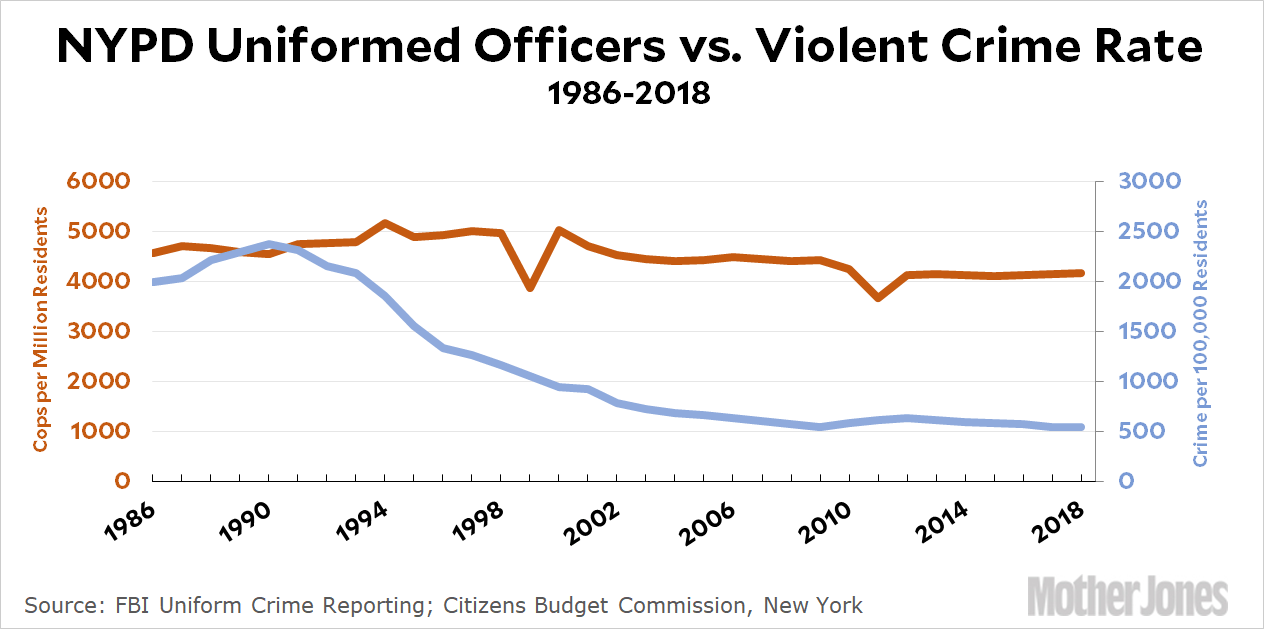
As of recent reporting, the NYPD consistently employs a sworn officer strength that hovers around 36,000. This number represents the uniformed officers who have the authority to make arrests and enforce the law. However, the total personnel count for the NYPD extends beyond these sworn officers, encompassing a substantial civilian workforce. These civilian employees play crucial roles in administrative, technical, and support functions, enabling the uniformed officers to focus on frontline policing. Civilian staff numbers can add several thousand more individuals to the overall payroll, contributing to the department’s extensive operational capacity. This comprehensive approach to staffing ensures that all facets of police work, from investigations and community outreach to dispatch and data management, are adequately supported.
Budgetary Implications
The financial commitment to maintaining such a large police force is substantial. The NYPD’s annual budget is among the largest of any municipal police department worldwide, reflecting the cost of personnel, training, equipment, technology, and infrastructure. These figures are often subjects of public debate and policy discussions, as they are directly tied to the city’s overall fiscal health and priorities. Understanding the budget provides a tangible measure of the resources dedicated to public safety in New York City.
Organizational Structure and Deployment
The vastness of the NYPD necessitates a sophisticated organizational structure to manage its operations effectively across the five boroughs: Manhattan, Brooklyn, Queens, The Bronx, and Staten Island. The department is divided into various commands, precincts, and specialized units, each with specific responsibilities.
Precincts and Patrol Officers
The most visible component of the NYPD consists of its precinct-based patrol officers. These are the officers who respond to calls for service, conduct visible patrols, and are the primary point of contact for residents and visitors in their local areas. The city is divided into numerous precincts, each responsible for a specific geographic area. The number of officers assigned to each precinct can vary based on population density, crime rates, and the size of the patrol area. These officers form the backbone of the department’s daily operations, ensuring a constant presence across the city’s diverse neighborhoods.

Specialized Units
Beyond general patrol, the NYPD operates a wide array of specialized units that address specific types of crime or provide critical support services. These include:
- Detective Bureau: Responsible for investigating complex crimes, from homicides to white-collar offenses.
- Counterterrorism Bureau: Focused on preventing and responding to terrorist threats, a critical mission in a city that has historically been a target.
- Housing Bureau: Dedicated to ensuring safety and security in public housing developments across the city.
- Traffic Division: Manages traffic flow, enforces traffic laws, and responds to traffic accidents.
- K-9 Unit: Utilizes specially trained dogs for tasks such as bomb detection, drug searches, and suspect apprehension.
- Emergency Service Unit (ESU): A highly trained tactical unit that responds to high-risk incidents, including hostage situations, bomb threats, and complex rescues.
The presence and deployment of officers within these specialized units significantly contribute to the overall effectiveness of the NYPD in addressing the multifaceted challenges of urban crime and public safety.
The Role of Police in Tourism and City Life
For tourists and visitors exploring New York City, the presence of police officers is a visible aspect of the urban landscape. They are integral to maintaining the safety and security that allows millions of people to enjoy attractions like Times Square, visit museums like The Metropolitan Museum of Art, or experience the vibrant atmosphere of neighborhoods like Greenwich Village.
Ensuring Visitor Safety
The NYPD plays a vital role in ensuring the safety of the millions of tourists who visit New York City annually. Officers are often visible in high-traffic tourist areas, providing a sense of security and readily available assistance. They are trained to handle a variety of situations, from lost children and minor incidents to more serious criminal activity, ensuring that visitors can enjoy their experience with peace of mind. The department’s preparedness for large-scale events, such as parades, concerts, and holiday celebrations, is crucial for managing crowds and preventing incidents that could disrupt the flow of tourism.
Community Engagement and Information
Beyond enforcement, many officers engage with the community, including visitors. They can provide directions, offer information about local attractions, and assist with any concerns that may arise. This community-oriented policing approach helps to foster a more welcoming environment for tourists and strengthens the relationship between the police and the public they serve. For those unfamiliar with the city, encountering a helpful and approachable officer can be a reassuring experience.

Impact on City Operations
The sheer number of police officers and their widespread deployment are essential for the smooth functioning of a city as dynamic and complex as New York City. From managing traffic around major events at venues like Madison Square Garden to responding to emergencies in residential areas, their presence is a constant factor in the city’s daily rhythm. The operational capacity of the NYPD, underpinned by its significant number of personnel, is a key element that allows New York City to thrive as a global hub for business, culture, and tourism.
The number of police officers in New York City is a figure that underscores the immense scale of public safety efforts required to manage one of the world’s most populous and vibrant cities. With approximately 36,000 sworn officers supported by a large civilian workforce, the NYPD is a formidable organization dedicated to protecting its residents and the millions who visit. Their presence, both uniformed and in specialized roles, is fundamental to the city’s security, the functioning of its economy, and the ability of its diverse communities and visitors to experience all that New York City has to offer.
LifeOutOfTheBox is a participant in the Amazon Services LLC Associates Program, an affiliate advertising program designed to provide a means for sites to earn advertising fees by advertising and linking to Amazon.com. Amazon, the Amazon logo, AmazonSupply, and the AmazonSupply logo are trademarks of Amazon.com, Inc. or its affiliates. As an Amazon Associate we earn affiliate commissions from qualifying purchases.