
The quest for gold has shaped human history, and in the United States, the echoes of the 19th-century Gold Rush still resonate. While many associate the fervor with sprawling landscapes and fortunes made overnight, the true genesis of this monumental event lies in a specific, unassuming location. Understanding where gold was first discovered in California not only illuminates a pivotal moment in American history but also opens a window into the region’s enduring allure as a destination for history enthusiasts and curious travelers alike. This discovery transformed a nascent territory into a magnet for prospectors, settlers, and entrepreneurs, irrevocably altering the course of its development and leaving an indelible mark on the Golden State.

The Spark: Sutter’s Mill and the Discovery
The fateful discovery that ignited the California Gold Rush occurred on January 24, 1848. James W. Marshall, a carpenter and foreman for John Sutter, was overseeing the construction of a sawmill on the American River, near Coloma. He was tasked with digging a tailrace to channel water from the river to power the mill. As he inspected the channel, something glinted in the shallow water. It was a small, yellow nugget, unmistakably gold.
The Immediate Aftermath
Marshall, though initially cautious, recognized the significance of his find. He showed it to Sutter, who, despite his own reservations about the potential consequences, also understood the immense implications. Sutter, a Swiss immigrant who had established New Helvetia, a sprawling agricultural settlement and trading post that would later form the basis of the city of Sacramento, had hoped to keep the discovery quiet to protect his own enterprises. However, the secret proved too potent to contain. Word of the discovery began to spread like wildfire, initially through hushed whispers among the workers at the mill and then to the wider community.
The Significance of the Location
The location of this discovery—Sutter’s Mill—at the confluence of the American River and the foothills of the Sierra Nevada mountains, proved to be a harbinger of what lay beneath the surface. The Sierra Nevada range would soon reveal itself to be an immense repository of gold, drawing fortune-seekers from across the globe. The discovery was not merely a singular event; it was the key that unlocked a vast geological treasure trove. The very landscape of this region, with its rugged beauty and mineral-rich earth, became synonymous with the promise of wealth.
The Unfolding of the Gold Rush
Marshall’s find at Sutter’s Mill was not an isolated incident. It signaled the presence of gold in the riverbeds and hillsides of the Sierra Nevada. This initial discovery triggered a wave of exploration and prospecting throughout the region. Miners, driven by the allure of striking it rich, fanned out across hundreds of miles, following the waterways and searching for placers—deposits of gold found in stream beds.
The Role of John Sutter
While James Marshall made the physical discovery, John Sutter’s enterprise was the backdrop against which it occurred. Sutter had acquired significant land holdings and was ambitious in his plans for the region. The discovery of gold, however, dramatically altered his own fortunes, not always for the better. The influx of prospectors disrupted his agricultural operations and led to the eventual loss of much of his land as people, driven by gold fever, settled on and claimed his property. Yet, his mill remains a permanent fixture in the narrative of the California Gold Rush.
The Journey of the Forty-Niners
The news of gold in California reached the East Coast and beyond in late 1848 and early 1849. This prompted an unprecedented migration of people, famously known as the “Forty-Niners.” They traveled to California via arduous sea voyages around South America, overland trails across the continent, or by a combination of sea and land routes through Central America. The population of California exploded from a few thousand to over one hundred thousand in just a couple of years, transforming sleepy settlements into bustling, rough-and-tumble mining camps and eventually into thriving cities.
Visiting the Birthplace of the Gold Rush Today
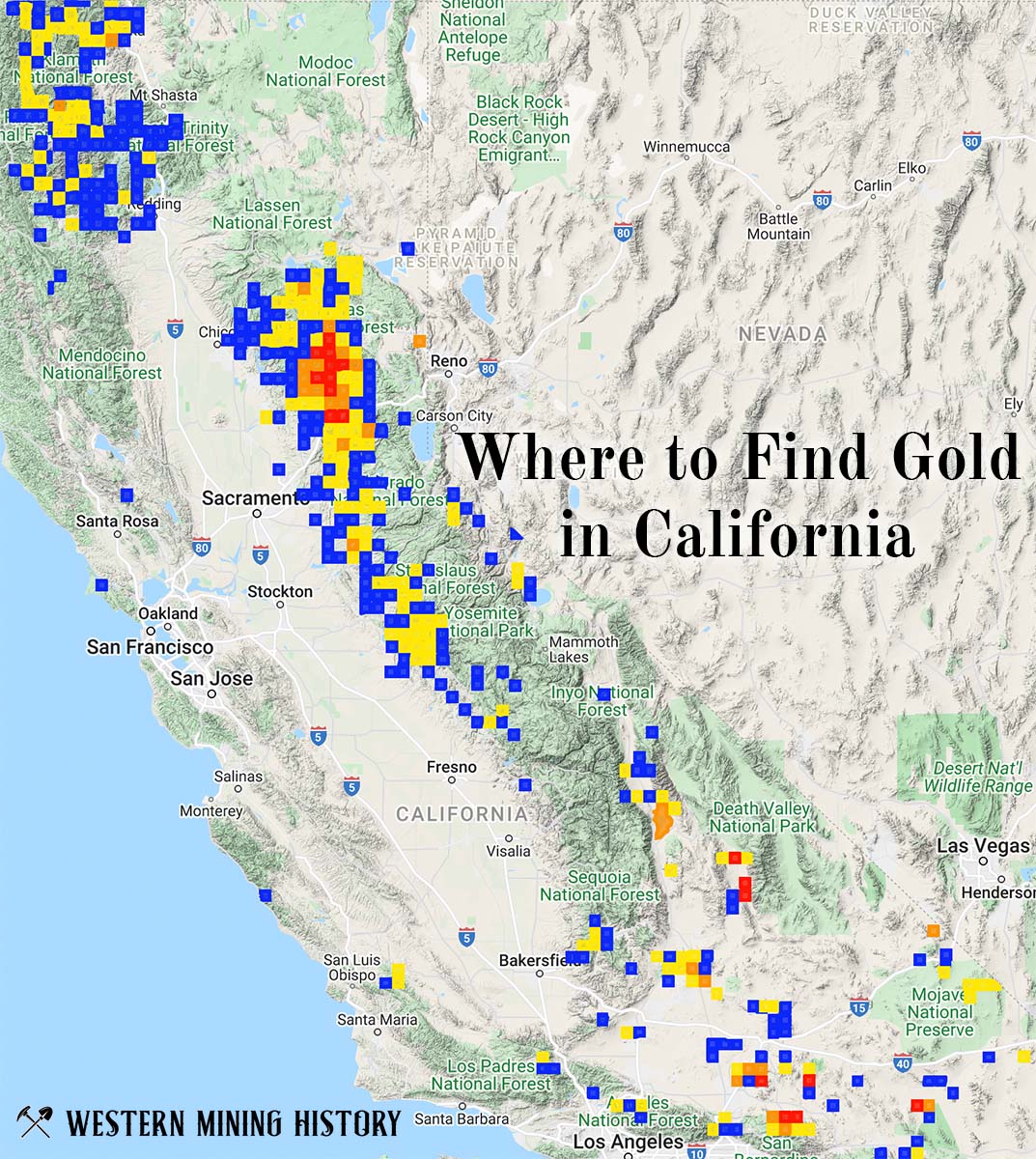
For those interested in stepping back in time and experiencing the genesis of the California Gold Rush, the historic site of Sutter’s Mill and the surrounding area offer a compelling journey into the past. The Marshall Gold Discovery State Historic Park in Coloma is the primary destination for understanding this pivotal moment.
Marshall Gold Discovery State Historic Park
Located in the picturesque valley where gold was first found, the Marshall Gold Discovery State Historic Park preserves the setting of this historic event. Visitors can explore the reconstructed site of Sutter’s Mill, walk along the American River where Marshall made his discovery, and learn about the lives of the early prospectors. The park features a museum that houses artifacts from the Gold Rush era, providing invaluable insights into the tools, techniques, and daily realities of the time. Interactive exhibits and ranger-led programs further enhance the educational experience, making it an engaging destination for families and history buffs alike.
Exploring Coloma Valley
Beyond the specific site of the discovery, the Coloma Valley itself offers a glimpse into the landscape that so captivated the Forty-Niners. The rolling hills, the clear waters of the American River, and the remnants of old mining operations all contribute to the historical ambiance. Visitors can engage in activities such as panning for gold (in designated areas and under park guidance), hiking along trails that follow old mining routes, and simply soaking in the natural beauty of the region. The park is a living testament to the enduring spirit of adventure and discovery that characterized the Gold Rush era.
Nearby Attractions and Accommodations
While Coloma is the focal point, the broader region offers additional attractions related to the Gold Rush. Towns like Placerville, originally known as Hangtown, retain much of their historic charm and architecture, offering a chance to explore period buildings, museums, and unique shops. For travelers planning a visit, a range of accommodations are available in and around the Gold Rush country. From charming bed and breakfasts nestled in historic towns to modern hotels and motels, visitors can find lodging that suits their preferences and budget, allowing for an immersive historical exploration. The proximity to the Sierra Nevada also opens up opportunities for outdoor recreation, blending historical discovery with the natural splendor of California.
The Enduring Legacy of the Discovery
The discovery of gold at Sutter’s Mill was far more than a simple finding of a precious metal; it was a catalyst that reshaped California and the United States. It accelerated California’s path to statehood, fueled economic development, and left an indelible mark on the state’s identity and its global perception.
Political and Economic Transformation
The influx of population and wealth directly contributed to California’s rapid admission into the Union in 1850. The Gold Rush era spurred the development of infrastructure, including roads, telegraph lines, and eventually railroads, connecting California to the rest of the nation. The economic impact was immense, not only through the extraction of gold but also through the growth of supporting industries, trade, and finance. The fortunes made and lost during this period laid the groundwork for California’s ongoing role as a major economic powerhouse.
Cultural and Social Impact
The Gold Rush brought together a diverse array of people from different backgrounds and cultures, creating a unique social tapestry. While often characterized by lawlessness and hardship, it also fostered a spirit of innovation and resilience. The stories of the Forty-Niners, their struggles, and their triumphs, became ingrained in American folklore. The pursuit of gold inspired countless tales, legends, and historical accounts that continue to captivate the imagination. The very name “Golden State” is a direct homage to this transformative discovery.

The Historical Significance for Travelers
For travelers, understanding where gold was first discovered in California transforms a visit to the region into a deeper historical pilgrimage. It allows visitors to connect with the very beginnings of California’s modern era, to stand on the ground where a world-altering event transpired, and to appreciate the scale of human ambition and endeavor. The sites associated with the discovery serve as poignant reminders of a pivotal chapter in history, offering a tangible link to the past that continues to shape the present. The legacy of that single glint of gold in a shallow stream bed at Sutter’s Mill remains a powerful draw for those seeking to explore the roots of the American West and the enduring allure of the Golden State.
LifeOutOfTheBox is a participant in the Amazon Services LLC Associates Program, an affiliate advertising program designed to provide a means for sites to earn advertising fees by advertising and linking to Amazon.com. Amazon, the Amazon logo, AmazonSupply, and the AmazonSupply logo are trademarks of Amazon.com, Inc. or its affiliates. As an Amazon Associate we earn affiliate commissions from qualifying purchases.