
The financial architecture of operating a limited liability company (LLC) in California involves understanding various fees and their remittance points. Among these, the annual fee, often colloquially referred to as an “annual tax” or “LLC fee,” levied by the California Franchise Tax Board (FTB), is a critical component of state compliance. This fee is distinct from federal taxes and other state-specific business registration costs. Understanding precisely where and how this annual fee is deducted is paramount for LLCs to maintain good standing with the state and avoid penalties.
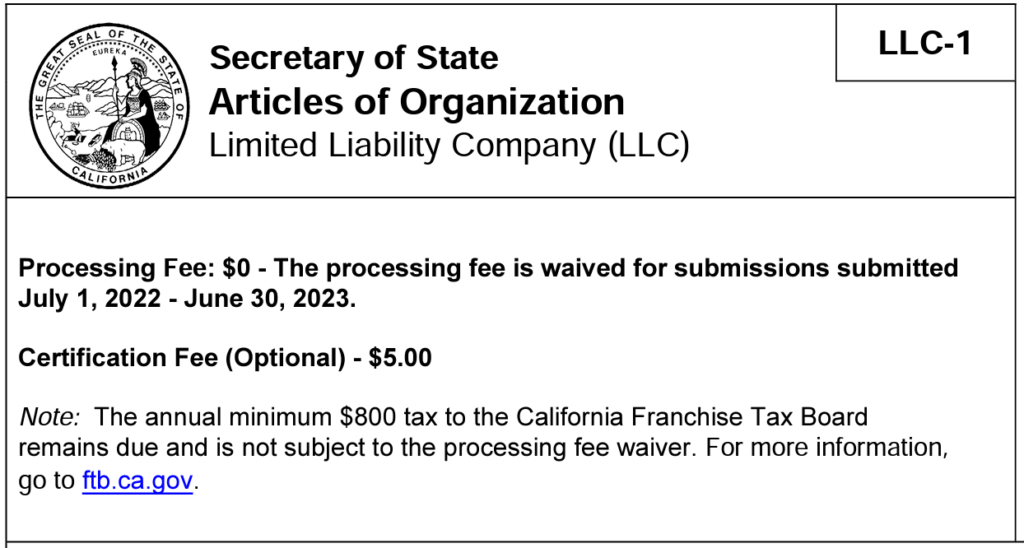
This guide will navigate the complexities surrounding the California LLC annual fee, clarifying its nature, the entity responsible for its collection, the deduction process, and the implications of non-compliance. While the title poses a direct question about deduction, the reality is that the FTB does not “deduct” this fee in the manner one might deduct an expense from income. Instead, it is a payment obligation remitted directly to the FTB.
Understanding the California LLC Annual Fee
The annual fee for LLCs in California is not a tax on income or profits. It is a flat fee imposed on all LLCs that are registered to do business in the state, regardless of their profitability, income, or activity levels during the tax year. This fee is designed to generate revenue for the state and ensure a baseline contribution from all registered business entities.
The Nature of the Fee
- Not an Income Tax: It’s crucial to differentiate the LLC annual fee from income tax. The FTB collects this fee even if your LLC has zero income or sustained losses.
- Statutory Requirement: The fee is mandated by California state law. Failure to pay can result in penalties, interest, and potential suspension or forfeiture of the LLC’s status, which can have severe operational and legal consequences.
- Annual Obligation: As the name suggests, this fee is an annual requirement. It is assessed for each taxable year.
Fee Structure and Amount
The amount of the annual fee has evolved over time and is subject to legislative changes. For many years, a flat fee was applicable. However, more recently, a graduated fee structure based on total income has been introduced.
- Initial Fee: For LLCs that have registered in California and are actively doing business, the initial fee is generally due within a specific timeframe after formation.
- Graduated Fee: For taxable years beginning on or after January 1, 2021, LLCs with total income exceeding certain thresholds are subject to an additional fee. This graduated fee is calculated on a tiered system based on gross receipts.
- Thresholds: The specific income thresholds and corresponding fee amounts are detailed by the California Franchise Tax Board and are subject to inflation adjustments. For instance, there are tiers for LLCs with total income between $250,000 and $500,000, $500,000 and $1,000,000, and above $1,000,000.
- Maximum Fee: There is typically a maximum annual fee cap.
It is imperative for LLC owners to consult the latest guidelines from the California Franchise Tax Board or a qualified tax professional to determine the precise fee applicable to their LLC for the current tax year.
The Role of the California Franchise Tax Board (FTB)
The California Franchise Tax Board is the primary state agency responsible for administering and collecting business taxes, including the LLC annual fee. It is not a deduction that happens automatically from a bank account without your knowledge; rather, it is a payment that your LLC must make.
Who Collects the Fee?
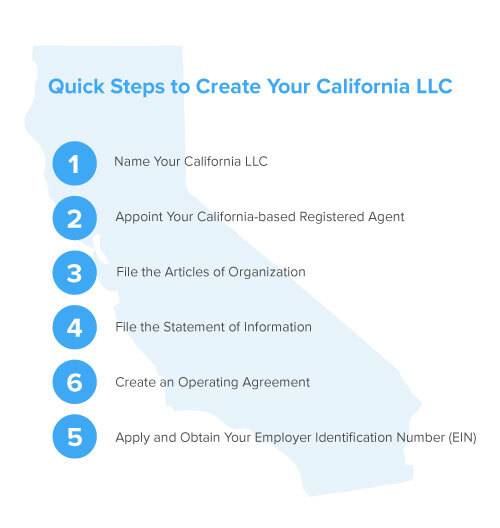
The FTB is the sole entity authorized to collect this specific annual fee from LLCs operating within California. Other state agencies, such as the Secretary of State, handle business registration and initial filings, but the ongoing annual fee obligation is directed to the FTB.
When is the Fee Due?
The due date for the LLC annual fee is critical for compliance.
- Initial Year: For newly formed LLCs, the first annual fee is typically due by the 15th day of the 4th month after the date the LLC files its registration with the California Secretary of State.
- Subsequent Years: For subsequent tax years, the annual fee is generally due by the 15th day of the 4th month of the LLC’s taxable year. For most LLCs on a calendar year, this is April 15th.
- Extension: An extension to file your LLC’s tax return does not automatically extend the due date for the annual fee payment. However, if you file an extension for your tax return, the FTB often accepts payment of the annual fee by the extended due date of the tax return. Always verify this with the FTB’s current policies.
How the Annual Fee is “Deducted” (Remitted)
The term “deducted” can be misleading in this context. The annual fee is not a payroll deduction or an expense automatically subtracted from your business’s revenue by the FTB. Instead, it is a payment that your LLC is obligated to make directly to the FTB. The “deduction” happens in your LLC’s accounting records, where you treat it as a business expense for income tax purposes.
Payment Methods
The FTB offers several convenient methods for LLCs to remit their annual fee payments:
- Online Payment: The FTB’s website provides an online portal for making payments. This is often the fastest and most secure method. You can typically pay using an electronic funds withdrawal from your bank account (e-check), credit card, or debit card.
- Mail: Payments can also be made by mail. Checks or money orders should be made payable to the “FTB” and mailed to the address specified on the FTB’s tax forms or website. It is crucial to include the LLC’s name, taxpayer identification number (TIN), and the tax year for which the payment is being made.
- Phone: While less common for direct payment, the FTB offers customer service lines that can provide guidance on payment options.
Accounting for the Fee
For your LLC’s internal accounting and for federal and state income tax purposes, the annual fee paid to the California Franchise Tax Board is generally treated as a deductible business expense. This means that it reduces your LLC’s taxable income, thereby lowering your overall income tax liability.
- Record Keeping: Maintain meticulous records of all payments made to the FTB, including dates, amounts, and confirmation numbers. These records are essential for tax filing and in case of any future inquiries from the FTB.
- Tax Forms: When filing your LLC’s state and federal income tax returns (e.g., Form 1065 for partnerships, or Schedule C for single-member LLCs treated as sole proprietorships), you will report the annual fee as a business expense.
Consequences of Non-Compliance
Failing to pay the LLC annual fee or paying it late can lead to significant financial penalties and operational disruptions for your business.
Penalties and Interest
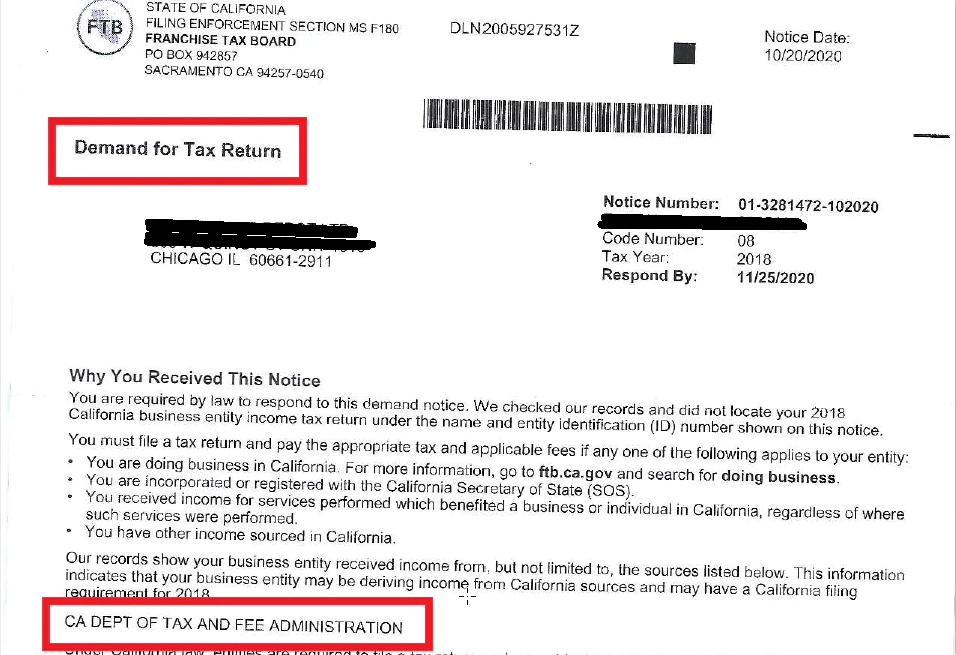
The FTB imposes penalties and interest on unpaid or late annual fees. These can accumulate rapidly and substantially increase the amount owed.
- Late Payment Penalty: A penalty is typically assessed if the payment is not received by the due date.
- Interest: Interest is charged on the unpaid amount, compounding over time.
Suspension or Forfeiture
Beyond financial penalties, the most severe consequence of non-compliance is the suspension or forfeiture of the LLC’s status by the California Secretary of State.
- Suspension: When an LLC is suspended, it loses its rights and privileges to conduct business in California. This means the LLC cannot legally enter into contracts, sue or defend itself in court, or even access its bank accounts effectively.
- Forfeiture: Similar to suspension, forfeiture signifies the loss of legal standing.
- Reinstatement: To regain good standing, the LLC must pay all delinquent fees, penalties, and interest, and file any required delinquent tax returns. The reinstatement process can be complex and time-consuming.
Strategies for Proactive Management
To avoid issues with the California LLC annual fee, proactive management is key.
Establish Payment Reminders
Set up calendar reminders well in advance of the due date for the annual fee. Integrate this into your overall business financial calendar.
Budget Accordingly
Since the annual fee is a mandatory expense, ensure it is factored into your business budget each year. For LLCs subject to the graduated fee, monitor your total income to anticipate the potential increase in the annual fee.
Consult Professionals
If you are unsure about the specific fee amount, due dates, or payment procedures, consult with a qualified Certified Public Accountant (CPA) or a tax advisor specializing in California business taxation. They can provide personalized guidance and ensure your LLC remains compliant.
Stay Informed
Periodically check the California Franchise Tax Board website for any updates or changes to the LLC annual fee laws and regulations. Tax laws can be dynamic, and staying informed is crucial for accurate compliance.
In conclusion, the annual fee for an LLC in California is a direct payment obligation to the California Franchise Tax Board, not a deduction in the conventional sense. By understanding its nature, due dates, payment methods, and the consequences of non-compliance, LLC owners can effectively manage this aspect of their state obligations and ensure their business operates smoothly and legally.
LifeOutOfTheBox is a participant in the Amazon Services LLC Associates Program, an affiliate advertising program designed to provide a means for sites to earn advertising fees by advertising and linking to Amazon.com. Amazon, the Amazon logo, AmazonSupply, and the AmazonSupply logo are trademarks of Amazon.com, Inc. or its affiliates. As an Amazon Associate we earn affiliate commissions from qualifying purchases.