
Azusa, California, a city nestled within the eastern expanse of the San Gabriel Valley, offers a compelling blend of suburban tranquility and accessible urban proximity. Its strategic positioning makes it an attractive point of origin for exploring the diverse landscapes and cultural offerings of Southern California. Understanding Azusa’s geographical context is key to appreciating its unique character and the opportunities it presents to residents and visitors alike.
Geographic Positioning and Proximity
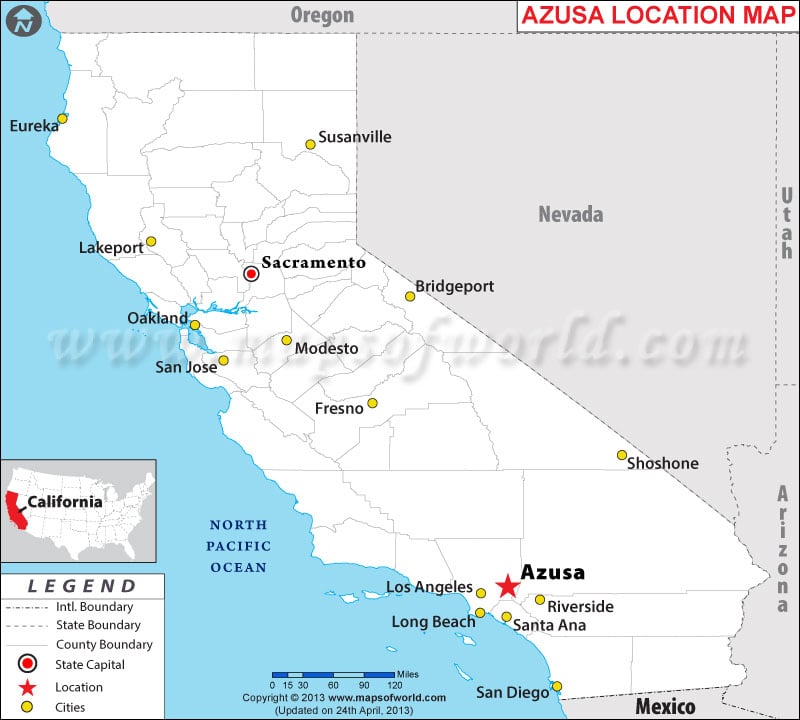
Azusa is situated in Los Angeles County, approximately 25 miles east of Downtown Los Angeles. This advantageous location places it within easy reach of major freeways, facilitating convenient travel to a multitude of regional attractions. The city is bordered by several neighboring communities, each contributing to the rich tapestry of the San Gabriel Valley. To the north, Azusa reaches towards the foothills of the San Gabriel Mountains, offering dramatic scenic backdrops and recreational opportunities. To the west lies Glendora, a similarly established suburban city. Covina and West Covina are to the south, while Irwindale sits to the southwest.
Accessibility and Transportation Networks
The primary arteries that define Azusa’s connectivity are its robust freeway system. Interstate 210 (I-210), also known as the Foothill Freeway, runs along the northern edge of the city, providing a direct east-west route that connects Azusa to the greater Los Angeles metropolitan area. State Route 39 (San Gabriel River Freeway) also plays a significant role, offering north-south access and further integrating Azusa into the regional transportation infrastructure.
Beyond personal vehicles, Azusa benefits from public transportation options. The Los Angeles County Metropolitan Transportation Authority (Metro) operates bus routes throughout the city, connecting residents to surrounding communities and major transit hubs. A key component of this network is the Azusa Station, a vital hub for the Foothill Gold Line. This light rail line offers a modern and efficient way to travel westward into Pasadena and Downtown Los Angeles, as well as eastward towards the planned future extensions. The presence of this transit-oriented development fosters a sense of connectivity and provides an eco-friendly alternative for commuting and exploring the region.
Natural and Environmental Setting
Azusa’s location at the base of the San Gabriel Mountains imbues it with a distinct natural environment. The proximity to these imposing peaks influences the local climate, offering a respite from the coastal fog and often providing clearer, drier air. The mountains themselves are a significant feature, forming a dramatic northern boundary and serving as a gateway to extensive wilderness areas and national forests.
The San Gabriel Mountains as a Natural Boundary
The San Gabriel Mountains National Monument directly abuts Azusa’s northern limits, presenting a stunning natural barrier and a wealth of outdoor recreational opportunities. This mountain range is characterized by rugged canyons, diverse chaparral ecosystems, and significant elevation changes. Hiking trails abound, leading to panoramic vistas, seasonal waterfalls, and diverse plant and animal life. Popular trailheads accessible from Azusa offer routes into areas like Cogswell Dam and the San Gabriel Wilderness. The ecological significance of this region cannot be overstated, as it serves as a critical watershed and a habitat for numerous species.
Climate and Environmental Influences
Azusa generally experiences a Mediterranean climate, marked by hot, dry summers and mild, wetter winters. The mountainous terrain to the north provides some protection from extreme coastal weather patterns, often leading to warmer daytime temperatures during the summer months compared to coastal cities. The annual rainfall is concentrated in the winter season, contributing to the lush vegetation in the foothills during spring. Air quality is a perennial concern in the Los Angeles Basin, and Azusa, like many inland cities, can be affected by atmospheric conditions that trap pollutants. However, its position closer to the mountains can sometimes offer a degree of relief compared to areas further into the basin. The city’s planning and development often take into account environmental factors such as fire risk in the wildland-urban interface and the management of local water resources.
Historical Context and Development
Azusa’s origins are rooted in the agricultural boom of Southern California in the late 19th and early 20th centuries. Its development has been shaped by its location and the surrounding natural resources.

Early Settlement and Agricultural Roots
The area now known as Azusa was originally inhabited by the Tongva people for thousands of years. Following the Spanish colonization of California, the land was part of various rancho grants. In the 1880s, the arrival of the railroad spurred significant development. The city was officially incorporated in 1898, named after the Azusa land grant. The fertile soil of the San Gabriel Valley, combined with access to water from the mountains, made agriculture a primary industry. Citrus groves, in particular, flourished, with lemons and oranges becoming significant export crops. The Azusa Rock, a natural landmark in the nearby canyons, played a role in early settlement and exploration.
Suburban Growth and Diversification
As Southern California experienced rapid population growth throughout the 20th century, Azusa transitioned from an agricultural community to a suburban center. The post-World War II era saw significant residential development, attracting families seeking affordable housing and a quieter lifestyle than the bustling urban core. Industry also began to establish a presence, with manufacturing and aerospace companies contributing to the local economy. Today, Azusa is a diverse city with a mix of residential neighborhoods, commercial centers, and light industrial areas. Its proximity to major universities, such as Azusa Pacific University and Citrus College, also adds to its dynamic character, drawing students and contributing to a vibrant community atmosphere. The city continues to evolve, balancing its historical roots with the needs of a modern, growing population.
Local Culture and Points of Interest
While Azusa might not boast the iconic global landmarks of larger metropolises, it possesses a distinct local character shaped by its history, community, and natural surroundings. Its attractions lean towards accessible outdoor recreation, community events, and a growing appreciation for its heritage.
Outdoor Recreation and Natural Attractions
Given its location, outdoor activities are a central part of Azusa’s appeal. The aforementioned San Gabriel Mountains provide unparalleled opportunities for hiking, with trails catering to all levels of experience. The San Gabriel River Trail, a paved multi-use path, runs through Azusa and offers excellent conditions for biking, jogging, and walking, stretching for miles through various communities and parklands. For those seeking water-based recreation, San Gabriel Reservoir and Puddingstone Lake (part of Prado Regional Park) are within a reasonable driving distance, offering boating, fishing, and swimming. The Foothill Transit bus system and the Metro Gold Line also make it easier for residents and visitors to access these natural escapes without a car.
Community and Cultural Engagement
Azusa’s community spirit is often evident through its local events and public spaces. Memorial Park is a central hub for community gatherings, hosting concerts, farmers’ markets, and other seasonal festivities. The Azusa Civic Center and the Azusa Public Library serve as important civic anchors. The city also celebrates its history through institutions like the Azusa Historical Society, which works to preserve and share the stories of its past. While Azusa doesn’t have large-scale museums like nearby Pasadena, local galleries and the artistic endeavors of Azusa Pacific University contribute to the cultural vibrancy. The presence of diverse culinary options, reflecting the city’s multicultural population, adds another layer to its local charm, offering everything from traditional Mexican cuisine to Asian delicacies.
Azusa’s Role in the Wider Southern California Landscape
Azusa is not an isolated entity but an integral part of the larger Southern California region. Its location provides a unique vantage point from which to experience the diverse offerings of this vast and dynamic area.
Gateway to Inland Empire and Beyond
Geographically, Azusa serves as a transitional point between the more established San Gabriel Valley and the burgeoning Inland Empire. Its eastern position makes it a logical starting point for exploring cities like Rancho Cucamonga and San Bernardino, and even venturing further into the desert landscapes of Palm Springs or the mountains of Big Bear Lake. This accessibility means that residents of Azusa have a broader spectrum of recreational and lifestyle choices available to them, from the entertainment venues of Los Angeles to the natural beauty of the San Bernardino National Forest.

Proximity to Educational and Economic Centers
The presence of Azusa Pacific University and Citrus College anchors Azusa as a center for education. These institutions attract students from across the region and beyond, contributing to a youthful energy and providing opportunities for cultural exchange. Economically, Azusa benefits from its proximity to major employment hubs in the San Gabriel Valley and the greater Los Angeles area. The Foothill Gold Line further enhances this connectivity, making it easier for residents to commute to jobs in Pasadena, Burbank, and Downtown Los Angeles. The city itself also hosts a range of businesses, contributing to its local economy and providing employment for its residents. This interdependency between Azusa and its surrounding areas highlights its role as a well-connected and strategically positioned community within Southern California.
LifeOutOfTheBox is a participant in the Amazon Services LLC Associates Program, an affiliate advertising program designed to provide a means for sites to earn advertising fees by advertising and linking to Amazon.com. Amazon, the Amazon logo, AmazonSupply, and the AmazonSupply logo are trademarks of Amazon.com, Inc. or its affiliates. As an Amazon Associate we earn affiliate commissions from qualifying purchases.