
The mighty Colorado River, a lifeblood for millions across the arid American Southwest, begins its epic journey not in a grand canyon or a sprawling delta, but in a surprisingly humble, yet profoundly significant, headwaters region. To understand the genesis of this iconic waterway is to delve into the heart of the Rocky Mountains, a landscape of rugged beauty, pristine wilderness, and the very essence of hydrological power.
The Source: Rocky Mountain National Park
The official source of the Colorado River is located within the breathtaking expanse of Rocky Mountain National Park in northern Colorado. Specifically, the river’s headwaters are identified as a network of small streams and alpine lakes that eventually converge. While pinpointing a single, definitive droplet might be an oversimplification, the most commonly accepted origin point is often associated with the headwaters of the Big Thompson River and the Laramie River, which are tributaries that feed into the larger system that becomes the Colorado River.

Trail Ridge Road and Beyond
A significant portion of this headwaters region is accessible via Trail Ridge Road, North America’s highest continuous paved road, which winds its way through the park’s alpine tundra. This remarkable scenic byway offers unparalleled access to the very landscapes where the river’s journey commences. As visitors traverse this route, they are literally driving over the high country that cradles the nascent waters of the Colorado River.
The landscape here is characterized by vast, treeless meadows carpeted with hardy alpine wildflowers in the summer months, and a stark, majestic beauty under a blanket of snow in winter. The air is crisp and thin, and the vistas stretch for miles, revealing jagged peaks and sweeping valleys. It is a testament to the power of nature that such a seemingly serene environment is the birthplace of a river that sustains such a vast and populous region.
The Role of Snowmelt and Glaciers
The primary source of water for the Colorado River is the abundant snowpack that accumulates in the Rocky Mountains during the winter. As spring and summer arrive, this snowpack begins to melt, feeding a complex network of streams and rivulets. These small waterways, often originating from high alpine lakes, such as those found near Rocky Mountain National Park, gather momentum and volume as they cascade down the mountain slopes.
While the primary driver is snowmelt, some contribution also comes from the melting of ancient glaciers that still cling to the highest peaks in the range. These glaciers, remnants of a colder epoch, release their frigid waters, adding to the initial flow. The purity of this meltwater, filtered through rock and soil, is remarkable, giving the early stages of the Colorado River its crystal-clear, pristine character.
Exploring the Headwaters: A Traveler’s Perspective
For the intrepid traveler, visiting the headwaters of the Colorado River offers a unique and profound experience. It’s an opportunity to connect with the raw, untamed power of nature and to witness firsthand the very beginnings of a vital artery of the American West.
Hiking and Backpacking Trails
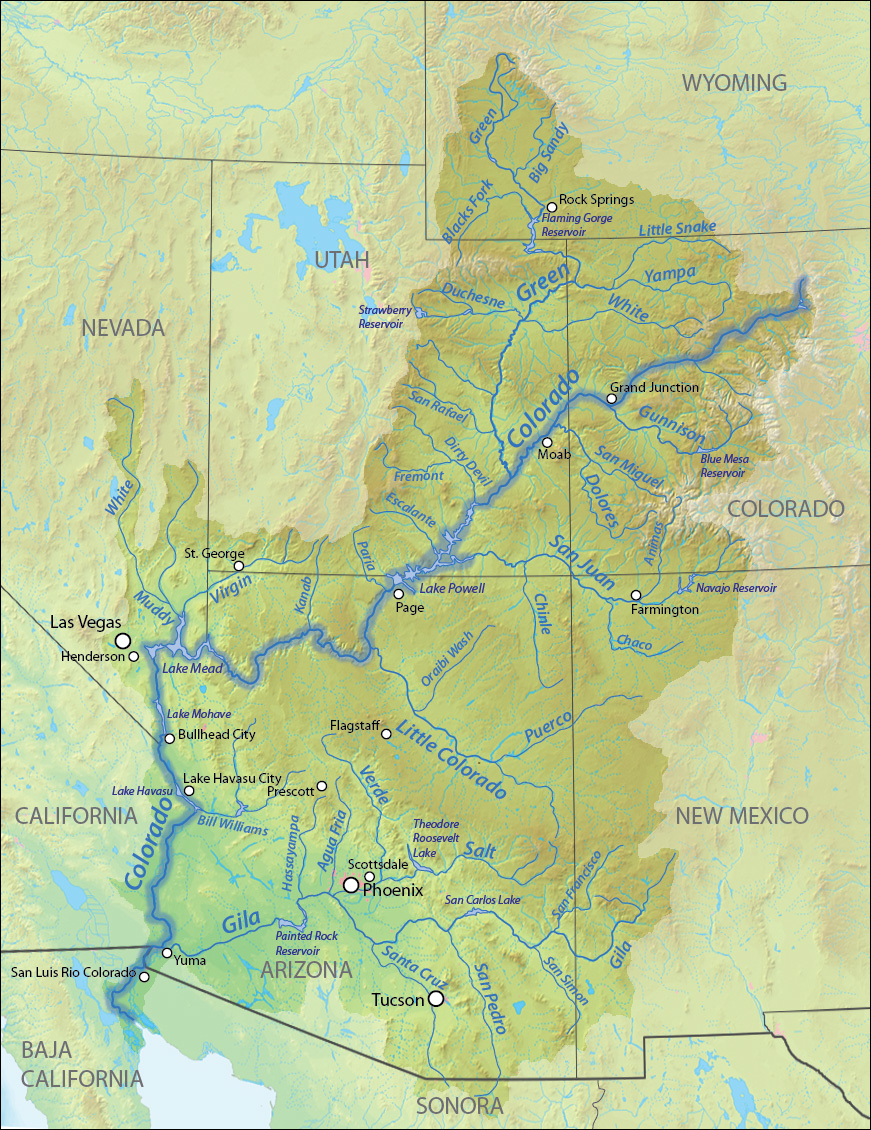
Rocky Mountain National Park boasts an extensive network of hiking and backpacking trails that lead into the heart of the headwaters region. Trails like the Bear Lake Trail and the Sky Pond Trail offer accessible routes to stunning alpine lakes and meadows, where the first whispers of the Colorado River can be heard. For more experienced adventurers, multi-day backpacking trips can take visitors deep into the wilderness, allowing for an immersive experience of this critical watershed.
It is essential for hikers and campers to be prepared for the challenging alpine environment. Weather conditions can change rapidly, and altitude sickness is a real concern. Proper gear, including warm layers, rain protection, and sturdy footwear, is a must. Respecting the fragile alpine ecosystem is paramount, and visitors are urged to stay on marked trails, pack out all trash, and avoid disturbing wildlife.
Photography and Wildlife Viewing
The photographic opportunities in the headwaters region are boundless. The dramatic mountain scenery, the vibrant alpine flora, and the opportunity to capture the elusive wildlife that calls this wilderness home make it a paradise for photographers. Keep an eye out for elk, bighorn sheep, marmots, and a diverse array of bird species.
During the spring and summer months, the meadows are alive with color, offering spectacular scenes for landscape photography. The early morning and late evening light cast a magical glow on the peaks, creating breathtaking compositions. In winter, the snow-covered landscapes transform into a starkly beautiful, monochromatic world, with opportunities to capture the quiet majesty of the snow-laden peaks.
The Significance of the Headwaters
The headwaters of the Colorado River are more than just a geographical point of origin; they represent a crucial ecological and hydrological nexus. The health and vitality of this high-altitude region directly impact the flow and quality of water downstream, affecting cities, agriculture, and ecosystems across seven U.S. states and Mexico.
Ecological Importance
This high-altitude environment supports a unique and specialized ecosystem. The alpine tundra, the subalpine forests, and the numerous wetlands and lakes all play a vital role in filtering and storing water. The vegetation, though hardy, is sensitive to environmental changes. The delicate balance of this ecosystem is essential for ensuring a consistent and clean water supply. Conservation efforts in Rocky Mountain National Park and surrounding areas are therefore critical for the long-term health of the entire Colorado River basin.
Hydrological Significance
The headwaters act as a massive natural reservoir, storing water in the form of snow and ice. This stored water is then released gradually throughout the spring and summer, providing a steady flow to the river. Changes in snowfall patterns, earlier snowmelt due to climate change, and the melting of glaciers all have significant implications for the river’s flow. Understanding and monitoring these changes at the source is crucial for water management and planning for the future of the Colorado River basin.
Connecting with the River’s Journey
Visiting the headwaters provides a profound perspective on the incredible journey the Colorado River undertakes. From these quiet, elevated beginnings, the river carves its path through diverse landscapes, shaping canyons, sustaining life, and ultimately flowing into the Gulf of California. It’s a journey that begins in the majestic Rocky Mountains and ends in a vast ocean, a powerful reminder of the interconnectedness of our planet’s water systems. For those who seek to understand the essence of the West, tracing the Colorado River back to its pristine origins is an unforgettable and illuminating experience.
LifeOutOfTheBox is a participant in the Amazon Services LLC Associates Program, an affiliate advertising program designed to provide a means for sites to earn advertising fees by advertising and linking to Amazon.com. Amazon, the Amazon logo, AmazonSupply, and the AmazonSupply logo are trademarks of Amazon.com, Inc. or its affiliates. As an Amazon Associate we earn affiliate commissions from qualifying purchases.