
The vast and captivating expanse of California is renowned for its diverse landscapes, from the sun-drenched shores of Southern California to the rugged peaks of the Sierra Nevada. Yet, nestled within this state’s varied topography lies a region of unique beauty and character: the High Desert. Often overlooked in favor of coastal attractions or national park icons, the High Desert offers an alluring blend of stark beauty, artistic spirit, and outdoor adventure. But precisely where does this enigmatic region begin and end, and what makes it such a compelling destination?
The High Desert California is not a single, officially demarcated zone but rather a broad geographical and cultural area characterized by its elevation and arid climate. Generally, it encompasses the high-elevation desert basins and plateaus east of the Sierra Nevada mountain range and north of the San Gabriel Mountains and San Bernardino Mountains. This vast territory stretches across several counties, primarily San Bernardino County, Kern County, and to a lesser extent, Los Angeles County and Riverside County.
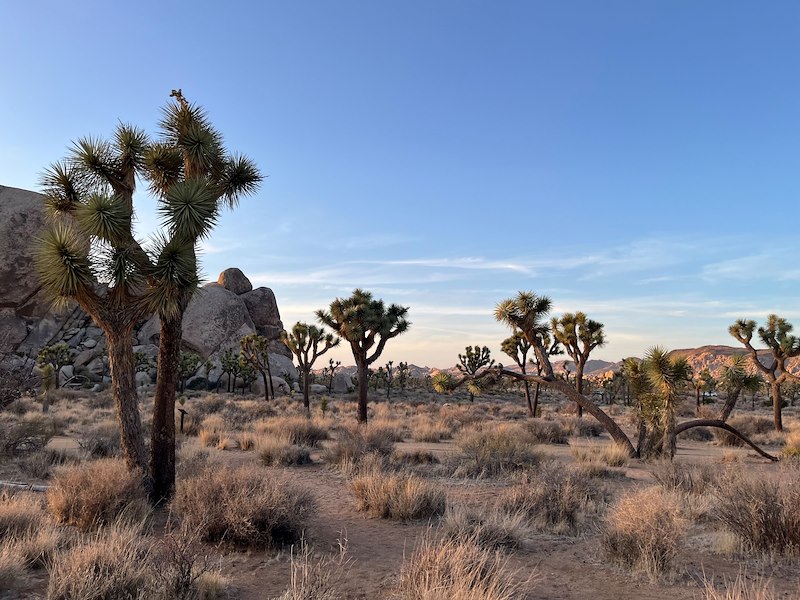
Its defining features include expansive flat plains, dramatic mountain ranges that cradle the basins, and an environment shaped by low precipitation, intense sunshine, and significant temperature fluctuations between day and night, and across seasons. The elevation typically ranges from 2,000 to 4,000 feet (approximately 600 to 1,200 meters) above sea level, contributing to the cooler temperatures compared to lower desert regions like the Sonoran Desert or Mojave Desert floor. This higher altitude also influences the unique flora and fauna that have adapted to survive in these conditions.
Defining the Borders and Key Regions
Pinpointing the exact boundaries of the High Desert can be fluid, as it often refers to a cultural and environmental designation as much as a strict geographical one. However, several key areas and cities are consistently associated with the High Desert California:
The Antelope Valley
One of the most recognized parts of the High Desert is the Antelope Valley. Located in northern Los Angeles County and southeastern Kern County, this region is defined by its vast, open spaces and dramatic Joshua tree forests. Cities like Lancaster and Palmdale form the urban core of the Antelope Valley, serving as gateways to the surrounding desert landscapes. The Antelope Valley California Poppy Reserve is a spectacular attraction, especially in the spring when it erupts in a breathtaking display of vibrant orange wildflowers. Further west, towns like Mojave and Rosamond sit on the edge of this expansive valley.
The Victor Valley
East of the San Gabriel Mountains and south of the Mojave National Preserve lies the Victor Valley. This region, primarily in San Bernardino County, is centered around the cities of Victorville, Hesperia, and Apple Valley. The Victor Valley is a significant transportation hub, with Interstate 15 and U.S. Route 395 intersecting here, connecting Southern California to Nevada and the eastern Sierra Nevada. The landscape here is characterized by high desert scrub, dramatic rock formations, and panoramic vistas.
Yucca Valley and the Pioneertown Area
Perhaps one of the most culturally distinctive areas of the High Desert California is the region encompassing Yucca Valley, Joshua Tree, and Pioneertown. Located on the southern edge of the Mojave Desert, this area is renowned for its bohemian spirit, thriving arts scene, and proximity to the world-famous Joshua Tree National Park. The unique geology, with its massive granite boulders and iconic Joshua trees, creates a surreal and inspiring backdrop. This area attracts artists, musicians, and those seeking a more unconventional lifestyle, contributing to its unique cultural identity.
The Eastern Slopes and Basin and Range
Extending further east, the High Desert landscape transitions into the more rugged terrain of the Basin and Range Province. This area includes vast stretches of undeveloped land, characterized by fault-block mountains and broad desert valleys. While less populated than the western parts, it contains numerous smaller communities and offers unparalleled opportunities for off-road exploration, stargazing, and experiencing the raw power of the desert.
Navigating the High Desert: Transportation and Access
Reaching the High Desert California is relatively straightforward, though its size means exploration often requires dedicated travel time.
By Car
The most common way to access and traverse the High Desert is by automobile. Major freeways provide entry points:
- Interstate 15 (I-15): This is the primary artery connecting Los Angeles to Las Vegas. Travelers heading to the Victor Valley, Mojave National Preserve, or Joshua Tree National Park will likely use this freeway.
- U.S. Route 395 (US 395): This scenic highway runs north-south along the eastern side of the Sierra Nevada and is a crucial route for accessing the northern High Desert areas like the Antelope Valley, and further north, the towns bordering Death Valley National Park.
- California State Route 58 (CA-58): This route connects Bakersfield to Barstow, passing through the Tehachapi Pass and offering a different perspective of the High Desert landscape.
Airports
The High Desert is served by several regional airports, offering convenient access for those flying in:
- LA/Ontario International Airport (ONT): Located in Ontario, this is a major gateway for Southern California and is a practical option for reaching the Victor Valley and southern parts of the High Desert.
- Palmdale Regional Airport (PMD): Situated in the Antelope Valley, this airport offers direct flights and is a convenient option for those wishing to explore this specific region.
- San Bernardino International Airport (SBD): Another option serving the Inland Empire, providing access to the eastern High Desert.

The Allure of the High Desert: Experiences and Attractions
The High Desert California offers a distinct set of experiences that set it apart from other regions in the state. Its appeal lies in its raw natural beauty, its quietude, and its burgeoning cultural scene.
Natural Wonders and Outdoor Adventures
The High Desert is a paradise for nature lovers and outdoor enthusiasts.
Joshua Tree National Park
Arguably the crown jewel of the High Desert, Joshua Tree National Park is a magnet for visitors. Its otherworldly landscape, characterized by the iconic Joshua trees, surreal rock formations, and vast desert vistas, is ideal for hiking, rock climbing, bouldering, and photography. The park is a sanctuary for unique desert flora and fauna, and its dark skies make it a premier destination for stargazing.
The Mojave National Preserve
Spanning over 1.6 million acres, the Mojave National Preserve is one of the largest protected desert areas in the United States. It offers a more remote and wild experience than Joshua Tree National Park, featuring sand dunes, volcanic cinder cones, Joshua tree forests, and historic sites. It’s a place for solitude, off-roading, camping, and appreciating the stark beauty of the desert.
Antelope Valley Poppy Reserve
During the spring months, typically March through May, the Antelope Valley California Poppy Reserve transforms into a vibrant sea of orange. This natural spectacle draws thousands of visitors eager to witness the breathtaking bloom of the California poppy.
Mountain Biking and Hiking
Beyond the major parks, numerous trails wind through the High Desert, offering opportunities for mountain biking and hiking. From the rugged trails in the San Gabriel Mountains foothills to the gentler paths in the desert valleys, there are options for all skill levels.
Arts, Culture, and Quirky Charm
The High Desert California has long been a haven for artists, musicians, and free spirits, fostering a unique and vibrant cultural scene.
Pioneertown
Originally built in the 1940s as a movie set for Western films, Pioneertown has evolved into a quirky artist colony. Its historic “Mane Street” still evokes the Old West, but now houses art galleries, artisan shops, and a popular live music venue, Pappy and Harriet’s Pioneertown Palace.
Yucca Valley and Joshua Tree Towns
These towns are hubs of creativity, with numerous art galleries showcasing local talent, eclectic vintage shops, and independent studios. The annual Joshua Tree Music Festival celebrates the region’s artistic pulse, drawing musicians and attendees from across the country.
Art Installations and Sculpture Gardens
Throughout the High Desert, you can discover unexpected art installations and sculpture gardens, often integrated into the natural landscape. These unexpected encounters add an element of delightful surprise to any exploration.
Astronomy and Stargazing
The low light pollution in most of the High Desert California makes it an exceptional location for astronomical observation. On clear nights, the Milky Way is a stunning spectacle, and numerous locations offer unparalleled views of the cosmos.

Planning Your Visit to the High Desert
When planning a trip to the High Desert, consider the following tips to make the most of your experience:
- Best Time to Visit: Spring (March-May) and Fall (September-November) offer the most pleasant temperatures for outdoor activities. Summers can be extremely hot, with daytime temperatures frequently exceeding 100°F (38°C). Winters are generally mild but can bring cold nights and occasional rain or even snow at higher elevations.
- Hydration is Key: The desert climate is inherently dry. Always carry plenty of water, even on short excursions.
- Sun Protection: The sun’s intensity is high, so wear sunscreen, a hat, and sunglasses.
- Respect the Environment: The desert ecosystem is fragile. Stay on marked trails, do not disturb wildlife, and pack out everything you pack in.
- Vehicle Preparedness: Ensure your vehicle is in good condition, with a full tank of gas, especially when venturing into remote areas. Consider a vehicle with good ground clearance if planning off-road adventures.
- Embrace the Pace: The High Desert encourages a slower pace. Allow time for spontaneous discoveries and quiet contemplation of the vast landscapes.
The High Desert California is a region of enduring beauty, quiet resilience, and a burgeoning creative spirit. It invites exploration beyond the typical tourist trails, rewarding those who seek out its unique charm with unforgettable experiences and a profound connection to the natural world.
LifeOutOfTheBox is a participant in the Amazon Services LLC Associates Program, an affiliate advertising program designed to provide a means for sites to earn advertising fees by advertising and linking to Amazon.com. Amazon, the Amazon logo, AmazonSupply, and the AmazonSupply logo are trademarks of Amazon.com, Inc. or its affiliates. As an Amazon Associate we earn affiliate commissions from qualifying purchases.