
The Unconventional Pricing Strategy: A Lifestyle Choice for the Savvy Consumer
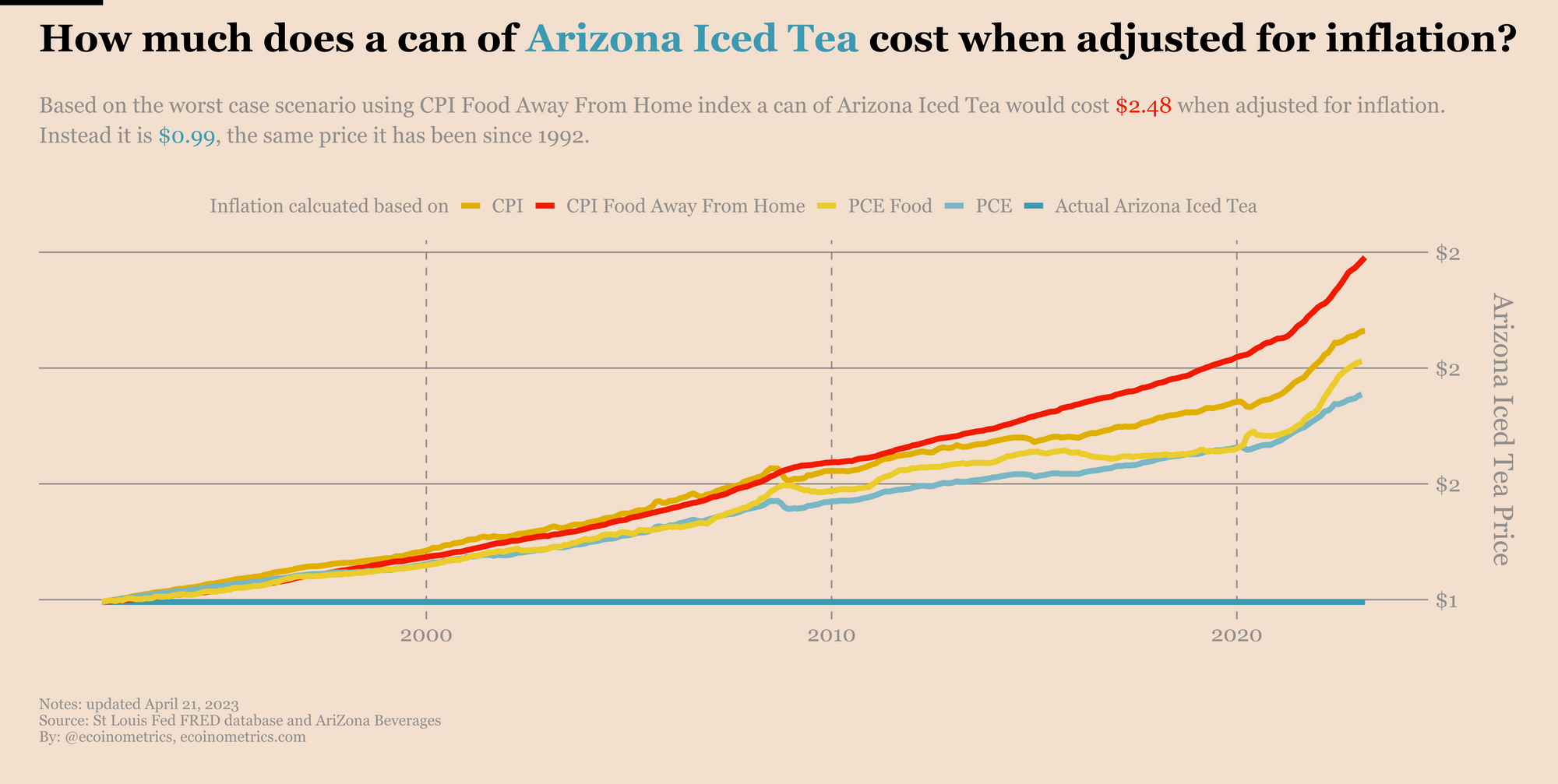
When traversing different regions for business or leisure, astute individuals often observe local economies and consumer behaviors. The story of Arizona Tea offers a compelling case study, especially when considering how a consistent, low price point can become a foundational element of a brand’s profitability and an integral part of various consumer lifestyles, from the budget-conscious traveler to the busy professional seeking convenience. For decades, while competitors adjusted prices upward, Arizona Tea famously clung to its 99-cent price tag for its iconic big cans, a strategy that many initially dismissed but has proven to be a masterclass in market penetration and brand loyalty, deeply influencing how it makes profit.

The Enduring 99-Cent Promise: Brand Loyalty and Perceived Value
The 99-cent price point for its large, 23-ounce cans isn’t merely a marketing gimmick; it’s a strategic pillar of Arizona Tea’s profit model. In an era where perceived value often trumps explicit cost, this consistent affordability has cultivated an almost cult-like following. For consumers, particularly those managing budgets—whether a student, a blue-collar worker, or a business traveler looking for an affordable refreshment during a long layover—the reliability of the 99-cent price makes Arizona Tea a no-brainer. This predictability eliminates decision fatigue and fosters strong brand loyalty, transforming a simple beverage choice into a habitual part of their daily lifestyle. From a business perspective, this strategy prioritizes market share and high sales volume over high-profit margins per unit. While the margin on each can might be slim, the sheer quantity sold across diverse markets ensures substantial overall profit. This approach challenges conventional wisdom, demonstrating that consistency in value can be more powerful than aggressive pricing tactics, becoming a lifestyle standard for millions.
Volume Over Margin: Fueling a High-Growth Lifestyle Brand
The economic principle underpinning Arizona Tea’s success is clear: sell a massive volume of product at a low unit profit margin. This high-volume, low-margin strategy is potent in the fast-moving consumer goods (FMCG) sector, where broad appeal and frequent purchases are key. By making its product universally accessible and affordable, Arizona Tea has integrated itself into countless daily routines and transient moments—from a quick pick-me-up during a business commute to a refreshing drink on a road trip. This strategy doesn’t just drive sales; it creates a ubiquitous presence that reinforces its brand image as an everyday staple. For businesses observing this model, it’s a powerful lesson in understanding target demographics and building a profit engine that thrives on widespread adoption rather than premium positioning. It resonates with a lifestyle of practicality and smart consumption, attracting a demographic that values tangible benefits without excessive cost, ultimately powering a robust and profitable enterprise.
Mastering Distribution and Accessibility: Reaching Every Corner of the Business Traveler’s Route
For professionals on the go or those embracing a nomadic business lifestyle, accessibility to essential goods is paramount. Arizona Tea’s profitability isn’t just about its price; it’s profoundly linked to its pervasive presence. Its strategic distribution model ensures that whether you’re in a bustling urban center for a conference or stopping at a roadside gas station on a cross-country business drive, an Arizona Tea is likely within arm’s reach. This ubiquity is a cornerstone of its profit generation, leveraging sheer volume across a vast network of retail points that cater directly to diverse consumer movements and lifestyles.
Ubiquity in Convenience: From Gas Stations to Bodegas
The secret to Arizona Tea’s widespread availability lies in its exceptional penetration of the convenience store market. Unlike many premium beverages that target specific supermarkets or specialty stores, Arizona Tea made its home in gas station marts, corner stores, and small bodegas. This strategic focus ensures that its products are available wherever people are on the move—a critical factor for a business traveler needing a quick refreshment, a student grabbing a drink between classes, or anyone living a dynamic, on-the-go lifestyle. This distribution channel is incredibly efficient for a high-volume, low-margin product, allowing the company to reach a broad demographic without incurring the higher slotting fees or merchandising costs often associated with large grocery chains. The sheer number of points of sale multiplies the opportunities for impulse purchases, translating directly into consistent and substantial profit. It’s a masterful play on consumer psychology and logistics, making Arizona Tea an almost unavoidable presence in the daily landscape.
Strategic Partnerships and Supply Chain Efficiency
Behind Arizona Tea’s ubiquitous presence is a highly efficient and well-managed supply chain, coupled with strategic partnerships. The company has forged strong relationships with bottlers, distributors, and retailers, creating a seamless pipeline from production to the consumer’s hand. This efficiency minimizes logistical costs, which is crucial for a product with tight profit margins. By optimizing delivery routes, inventory management, and warehousing, Arizona Tea can maintain its competitive pricing without sacrificing quality or widespread availability. For entrepreneurial minds observing business models, Arizona Tea’s approach underscores the importance of a robust operational backbone. Its ability to negotiate favorable terms with partners, coupled with its consistent demand, ensures that the complex dance of getting products to market remains both smooth and cost-effective, directly contributing to its enduring profitability and allowing it to remain a staple in diverse lifestyles.
Brand Identity and Marketing Prowess: Cultivating a Cult Following and Lifestyle Appeal
In the competitive beverage market, a distinct brand identity is crucial for profitability. Arizona Tea has carved out a unique niche, not through massive advertising campaigns typical of its rivals, but by fostering an authentic, almost grassroots appeal that resonates deeply with a diverse lifestyle demographic. For the discerning business individual observing market dynamics, Arizona Tea’s approach to branding offers compelling lessons in building lasting recognition and loyalty without breaking the bank on traditional marketing, ultimately feeding into its profitable model.

Iconic Packaging: A Distinctive Presence in a Crowded Market
One of the most striking aspects of Arizona Tea’s brand identity is its distinctive, art-inspired packaging. From the vibrant cherry blossom motifs to the bold Southwestern patterns, each can is a miniature work of art. This visual appeal sets it apart from competitors, turning the product itself into a recognizable lifestyle accessory. This iconic design not only grabs attention on crowded shelves but also fosters a sense of aesthetic appreciation among consumers, particularly those who value unique design and self-expression as part of their lifestyle. The packaging serves as its primary marketing tool, eliciting a sense of familiarity and nostalgia, while also being aesthetically pleasing enough to be shared on social media, thereby generating free, organic advertising. This smart design strategy means less reliance on expensive ad campaigns, directly boosting profitability by reducing marketing overheads. It demonstrates how thoughtful design can communicate brand values and attract a loyal following in a way that costly advertising often cannot.
Organic Growth and Minimal Ad Spend: A Cost-Effective Approach
Arizona Tea’s profit model is significantly enhanced by its unconventional marketing strategy: spending very little on traditional advertising. While its competitors pour millions into TV commercials, celebrity endorsements, and billboard campaigns, Arizona Tea has historically relied on word-of-mouth, its distinctive packaging, and its unbeatable price point. This organic growth model is incredibly cost-effective, allowing the company to retain a larger portion of its revenue as profit. The brand’s identity has been built authentically, resonating with consumers who appreciate its understated cool and consistent value. This approach taps into a lifestyle that values authenticity and eschews overt commercialism. For business strategists, this is a powerful example of how a compelling product, coupled with strategic pricing and memorable design, can create a self-sustaining marketing loop. Consumers become brand advocates simply by enjoying the product and its benefits, demonstrating that genuine value and a strong identity can be far more profitable than a hefty marketing budget.
Diversification and Innovation: Expanding the Portfolio for Diverse Lifestyles
Sustained profitability in any industry, especially in fast-moving consumer goods, often hinges on the ability to innovate and diversify. While the classic 99-cent iced tea remains Arizona Tea’s flagship product and a significant profit driver, the company has intelligently expanded its portfolio to capture broader market segments and cater to evolving consumer lifestyles. For those observing successful business strategies, particularly during their professional travels, Arizona Tea’s measured expansion offers a blueprint for how thoughtful product line extensions can reinforce core profitability and adapt to changing tastes.
Beyond Iced Tea: Exploring New Beverage Categories
While synonymous with iced tea, Arizona Tea has cannily ventured into other beverage categories, recognizing the need to evolve and capture new market trends. This diversification includes energy drinks, juices, soda, and even snacks, all while attempting to maintain its signature value proposition. Each new product line opens up additional revenue streams, mitigating reliance on a single product and broadening its appeal to consumers with varied preferences and lifestyle needs. For instance, its “Arnold Palmer” blend (a mix of iced tea and lemonade) became an instant classic, tapping into an existing popular drink concept and extending brand recognition. This strategic expansion allows Arizona Tea to remain competitive and relevant in a dynamic market, ensuring long-term profitability by catering to a wider array of consumer tastes and occasions, from a morning boost to a casual evening refreshment.
Adapting to Market Trends and Consumer Preferences
A key aspect of Arizona Tea’s sustained profitability is its responsiveness to shifting market trends and consumer preferences. As health and wellness became more prominent in consumer lifestyles, the brand introduced diet versions, sugar-free options, and drinks with natural ingredients. This adaptability demonstrates a shrewd understanding of the market, allowing Arizona Tea to maintain its relevance without abandoning its core identity. By offering products that align with contemporary dietary concerns and lifestyle choices, it not only retains its existing customer base but also attracts new demographics. This proactive innovation, rather than reactive scrambling, is a hallmark of a robust profit-making enterprise. It ensures that the brand remains a viable and attractive option for evolving consumer lifestyles, proving that strategic innovation is as crucial as foundational pricing in securing lasting market leadership and financial success.
Lessons for the Entrepreneurial Traveler: Insights from Arizona Tea’s Business Model
For the entrepreneurial spirit inherent in many who embrace a lifestyle of frequent travel or business stays, the Arizona Tea profit model offers a wealth of practical insights. It’s a testament to how unconventional strategies, executed with discipline and a deep understanding of consumer behavior, can yield enduring success. Whether you’re launching a startup or refining an existing venture while managing a dynamic professional life, the lessons embedded in Arizona Tea’s journey from a small New York City distributor to a global beverage powerhouse are invaluable.
The Power of Consistency in a Dynamic Market
One of the most profound lessons from Arizona Tea’s profit story is the enduring power of consistency. In a world saturated with fleeting trends and constant change, maintaining a core value proposition—like the 99-cent price—builds unwavering trust and predictability. For entrepreneurs and business leaders, this highlights that sometimes, the most revolutionary strategy is steadfast commitment to a foundational promise. This consistency isn’t just about price; it extends to brand identity, product quality, and widespread availability, all of which contribute to a reliable consumer experience. This approach fosters loyalty and reduces marketing costs, allowing a business to channel resources into operational efficiency or strategic diversification, ultimately bolstering profit. It teaches that while innovation is vital, a stable core can be a potent anchor in turbulent markets, aligning perfectly with a lifestyle that values reliability.
Understanding Your Target Audience and Their Lifestyle Needs
Arizona Tea’s success is a masterclass in understanding its target audience, primarily the everyday consumer who values affordability, accessibility, and a refreshing experience. It recognized that a significant segment of the market isn’t driven by luxury or exclusivity but by practical needs and a desire for consistent value. For entrepreneurs, this emphasizes the critical importance of deep market segmentation and empathy for consumer lifestyles. By catering to the specific needs of a broad demographic—from the budget-conscious student to the busy professional on the go—Arizona Tea built a loyal customer base that reliably drives its high-volume sales and profit. This lesson extends beyond beverages; it applies to any product or service aiming to integrate seamlessly into people’s daily lives and habits, making it a relevant case study for anyone navigating the business landscape, whether from an office desk or a remote workspace during their travels.
LifeOutOfTheBox is a participant in the Amazon Services LLC Associates Program, an affiliate advertising program designed to provide a means for sites to earn advertising fees by advertising and linking to Amazon.com. Amazon, the Amazon logo, AmazonSupply, and the AmazonSupply logo are trademarks of Amazon.com, Inc. or its affiliates. As an Amazon Associate we earn affiliate commissions from qualifying purchases.