
California, a state renowned for its diverse landscapes, offers a compelling, albeit regulated, hunting experience for enthusiasts. From the rugged peaks of the Sierra Nevada to the sprawling valleys and coastal ranges, the Golden State presents a mosaic of habitats teeming with a variety of game species. This guide delves into the prime hunting destinations across California, highlighting the opportunities, regulations, and essential considerations for a successful and responsible hunting trip.
Understanding California’s Hunting Landscape
California’s hunting regulations are overseen by the California Department of Fish and Wildlife (CDFW), which manages wildlife populations and hunting seasons to ensure sustainability. Hunters must obtain the appropriate licenses and tags for the species they intend to pursue. The state’s geography dictates the available game, with different regions offering unique opportunities. Understanding these regional specialties and the migratory patterns of wildlife is key to planning an effective hunt.
Game Species and Seasons
The primary game species in California include:
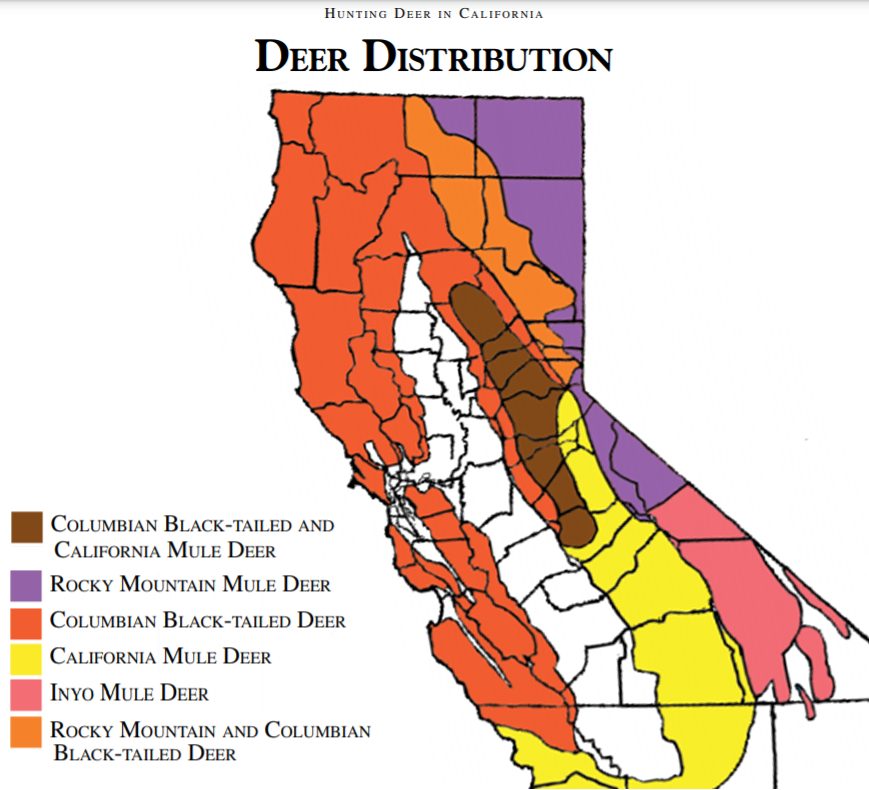
- Deer: Black-tailed deer are prevalent in the coastal ranges and northern parts of the state, while mule deer inhabit the more arid and mountainous regions. Archery, muzzleloader, and general rifle seasons vary significantly by unit and deer subspecies.
- Wild Pig: Wild pigs, an introduced species, are abundant throughout California, particularly in oak woodlands and chaparral. They can be hunted year-round in many areas with a valid hunting license, making them an accessible option for many.
- Elk: Roosevelt elk are found along the northern coast, while Tule elk are more scattered in central and southern California. Hunting opportunities are limited and often require successful application for special permits, reflecting their status as a managed species.
- Bear: Black bears are present in many forested and mountainous areas, with specific hunting seasons and tag requirements.
- Upland Game Birds: Quail, chukar, and pheasant are popular targets, with seasons generally opening in the fall. Dove hunting is also a favored pursuit in the early fall.
- Waterfowl: Various duck and goose species are found in wetlands and agricultural areas, particularly in the Central Valley. Season dates and bag limits are strictly managed based on federal frameworks.
Licenses and Permits
Before embarking on any hunting expedition in California, securing the necessary documentation is paramount. A valid California hunting license is the foundational requirement. Beyond this, specific permits or tags are often mandated for certain species, such as deer, bear, and elk. These tags are typically issued through a draw system, requiring hunters to apply in advance. Non-resident hunters will face different licensing fees and requirements, which should be thoroughly researched on the CDFW website. Hunter education courses are mandatory for first-time hunters, ensuring a foundational understanding of safety and ethical hunting practices.
Premier Hunting Destinations
California’s vastness encompasses a multitude of exceptional hunting locales, each offering a distinct environment and game.
Northern California: Forests and Coast
Northern California boasts vast expanses of national forests and rugged coastlines, providing excellent habitat for a variety of game.
The Mendocino National Forest
Spanning over 800,000 acres, the Mendocino National Forest is a prime destination for deer and wild pig hunting. The dense chaparral and mixed conifer forests create challenging yet rewarding terrain. Hunters can expect to find black-tailed deer in the higher elevations and wild pigs in the lower, more accessible areas. The forest’s remote nature offers a sense of solitude, appealing to those seeking an immersive wilderness experience. Archery seasons often begin earlier here, offering a chance for early-season success.
Redwood National and State Parks
While primarily known for its majestic ancient trees, the areas surrounding Redwood National and State Parks also support populations of Roosevelt elk and black-tailed deer. Hunting is permitted in designated areas and under strict regulations to protect the sensitive ecosystems. Roosevelt elk, the largest subspecies of elk in North America, are a particularly sought-after trophy here. The unique coastal environment, characterized by fog and dense undergrowth, adds to the challenge and allure of hunting in this region.
Shasta-Trinity National Forest
This expansive forest in Northern California offers diverse hunting opportunities, from black bear and deer in the dense timber to upland game birds in more open areas. The prominent feature of Shasta-Trinity National Forest is Mount Shasta, a dormant volcano, and its surrounding wilderness. The varied terrain, from high mountain meadows to dense pine forests, supports a healthy wildlife population. Hunters should be prepared for rugged conditions and variable weather.
Central California: Valleys and Mountains
Central California presents a transition zone, offering both agricultural lands and significant mountain ranges, each contributing to its hunting appeal.
The Los Padres National Forest
Stretching along the central coast and inland mountains, the Los Padres National Forest is a haven for wild pigs and mule deer. The Mediterranean climate supports abundant oak woodlands and chaparral, ideal habitats for these species. Hunters can explore areas near the Ojai Valley or the Ventana Wilderness, keeping in mind the limited access and rugged terrain in some sections. The proximity to coastal communities means that certain areas might be more frequented, so venturing into less-traveled parts can increase success.
The Sierra Nevada Foothills
The western slopes of the Sierra Nevada provide excellent hunting grounds for mule deer and wild pigs. Areas within the Tahoe National Forest and the Eldorado National Forest offer a mix of oak savannas and pine forests. The change in elevation can mean varying seasons and game behavior, so hunters should research specific units thoroughly. The scenic beauty of the Sierras enhances the overall hunting experience, with opportunities for camping and enjoying the mountain air.
San Joaquin Valley (Agricultural Areas)
While not a wilderness area, the agricultural heartland of the San Joaquin Valley offers significant opportunities for hunting wild pigs and certain upland game birds, particularly pheasants. Private land hunting leases are common here, offering access to fields and riparian areas that pigs and birds frequent. Hunters should be aware of agricultural operations and obtain landowner permission or book through a reputable outfitter.
Southern California: Arid Lands and Mountains
Southern California’s hunting landscape is characterized by arid mountain ranges, chaparral-covered hills, and desert environments.
The Cleveland National Forest
This is the southernmost national forest in California, situated in Orange, Riverside, and San Diego counties. The Cleveland National Forest offers opportunities for hunting wild pigs and mule deer, particularly in its rugged mountain terrain. The chaparral vegetation provides excellent cover for game, but it can also make spotting and stalking challenging. Hunters need to be prepared for warmer temperatures and the need for adequate water supplies.
Desert Regions and Wildlife Areas
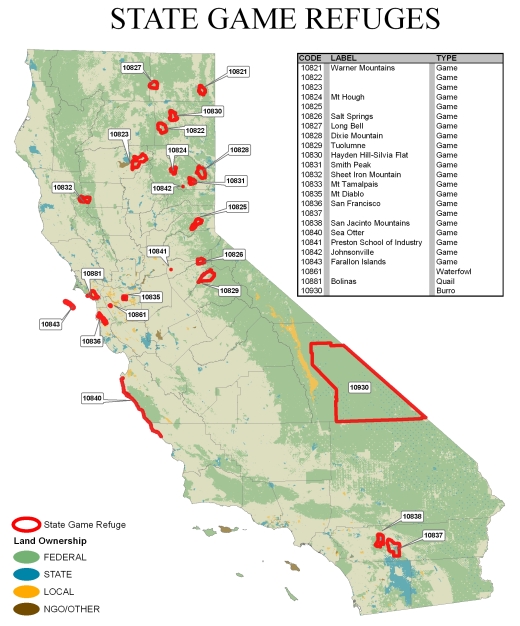
California’s vast desert regions, including areas managed by the Bureau of Land Management (BLM), can offer opportunities for hunting desert bighorn sheep (via special permit), mule deer, and predators. Wildlife areas like the Anza-Borrego Desert State Park, while having restricted hunting, have surrounding public lands that may offer game. These hunts often require significant preparation for extreme conditions, including heat, lack of water, and challenging navigation.
Essential Preparations for a California Hunt
A successful hunting trip in California requires meticulous planning beyond just identifying a location.
Gear and Equipment
The diverse California climate and terrain necessitate versatile gear. Layered clothing is essential to adapt to temperature fluctuations, especially in mountainous regions. Durable, waterproof boots are a must for navigating varied terrain. Depending on the species and season, hunters might need specialized equipment such as archery gear, muzzleloaders, or shotguns. Binoculars, a good quality knife, a first-aid kit, and navigation tools (map, compass, GPS) are indispensable. For areas with limited cell service, a satellite communication device is advisable.
Safety and Ethics
Hunting in California demands a strong commitment to safety and ethical practices. Always be aware of your surroundings, especially concerning other hunters, wildlife, and potential hazards like venomous snakes and steep drop-offs. Familiarize yourself with the specific regulations for the area you are hunting, including legal shooting hours, bag limits, and legal methods of take. Adhering to ethical hunting principles, such as making clean shots and properly field dressing game, is paramount. Hunters should also be mindful of fire restrictions, especially during drier months, and practice leave-no-trace principles to preserve the natural environment.
Understanding Regulations and Tagging
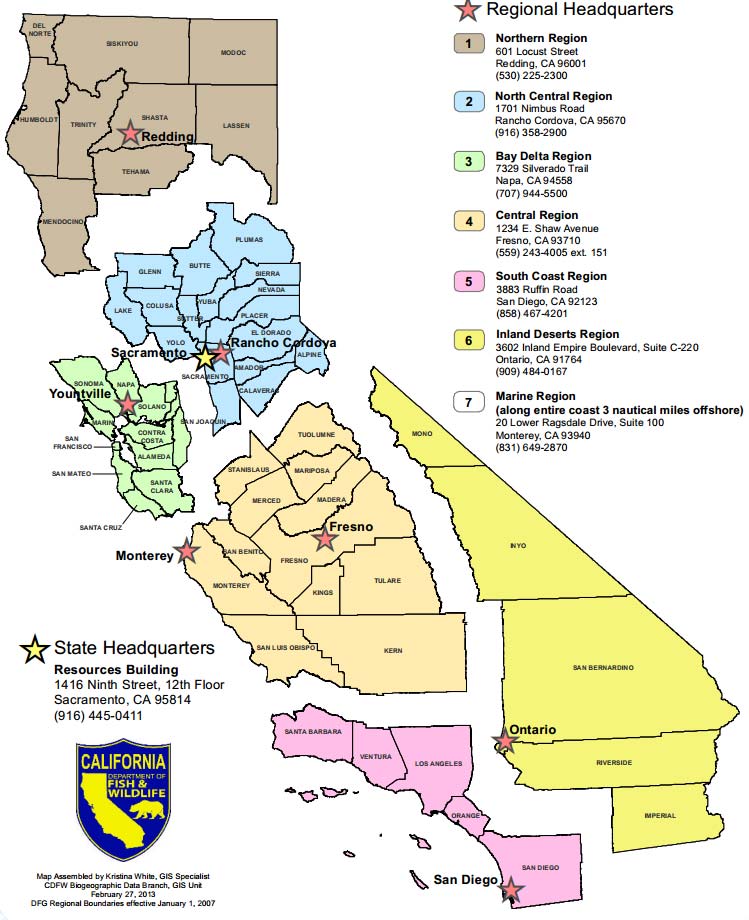
The California Department of Fish and Wildlife website is the definitive resource for all hunting regulations, seasons, and tag applications. It is crucial to check the most up-to-date information regarding specific zones, tag quotas, and application deadlines. For big game, the draw system for tags can be competitive, so understanding the odds and application process is vital. Failure to comply with regulations can result in significant fines and loss of hunting privileges.
Beyond the Hunt: Experiencing California’s Outdoors
Hunting in California is more than just pursuing game; it’s an opportunity to immerse oneself in the state’s unparalleled natural beauty. From the towering sequoias to the vast desert landscapes, the opportunities for exploration and appreciation are boundless. Many hunting areas are also prime locations for hiking, camping, and wildlife observation. Integrating these activities into a hunting trip can create a more enriching and memorable outdoor experience, fostering a deeper connection with the environment that supports these wild populations. Whether you are seeking the thrill of a challenging stalk or the tranquility of nature, California offers a hunting adventure like no other.
LifeOutOfTheBox is a participant in the Amazon Services LLC Associates Program, an affiliate advertising program designed to provide a means for sites to earn advertising fees by advertising and linking to Amazon.com. Amazon, the Amazon logo, AmazonSupply, and the AmazonSupply logo are trademarks of Amazon.com, Inc. or its affiliates. As an Amazon Associate we earn affiliate commissions from qualifying purchases.