
Alaska, the United States’ largest and most sparsely populated state, is an unparalleled wilderness where nature reigns supreme. Often referred to as the “Last Frontier,” its vast landscapes—ranging from towering mountain ranges and dense boreal forests to expansive tundra and rugged coastlines—provide sanctuary to an extraordinary diversity of wildlife. For travelers seeking an immersive encounter with the animal kingdom, Alaska presents an unrivaled destination, offering glimpses into the lives of some of North America’s most iconic and elusive creatures. Understanding what animals call this majestic state home is key to planning an unforgettable Alaskan adventure, whether your interest lies in observing terrestrial giants, marine marvels, or feathered residents.
The Majestic Mammals of the Last Frontier
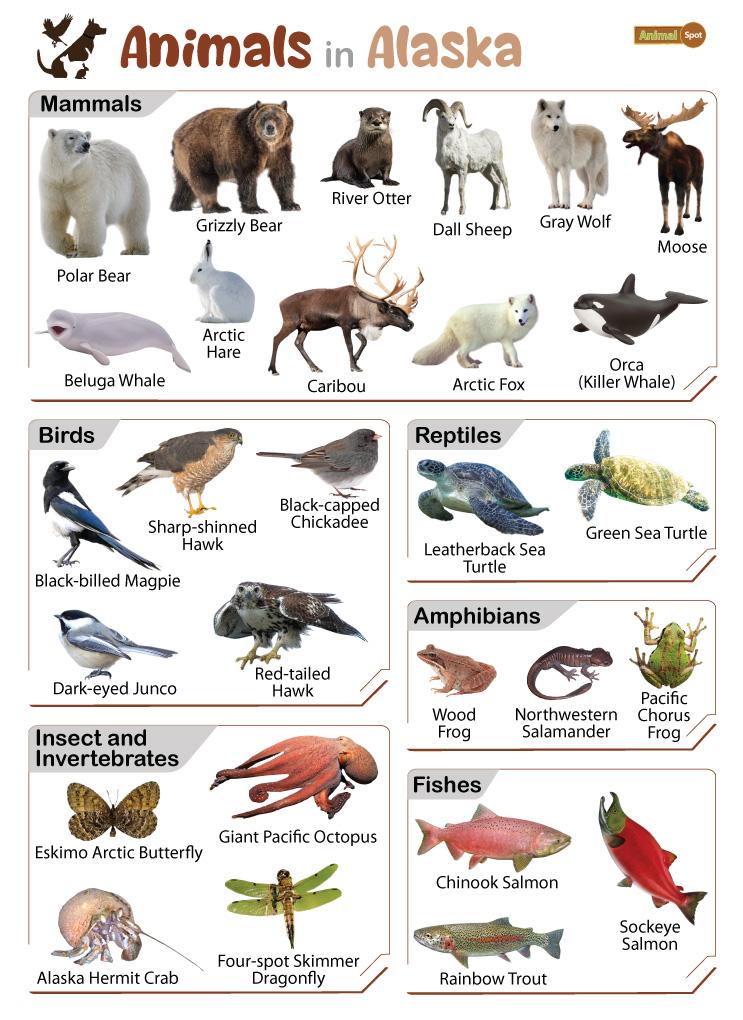
Alaska’s land and seas teem with a rich array of mammals, many of which are emblematic of the wild and untamed north. These creatures are not just part of the landscape; they are central to the Alaskan experience, drawing visitors from around the globe.
Terrestrial Giants
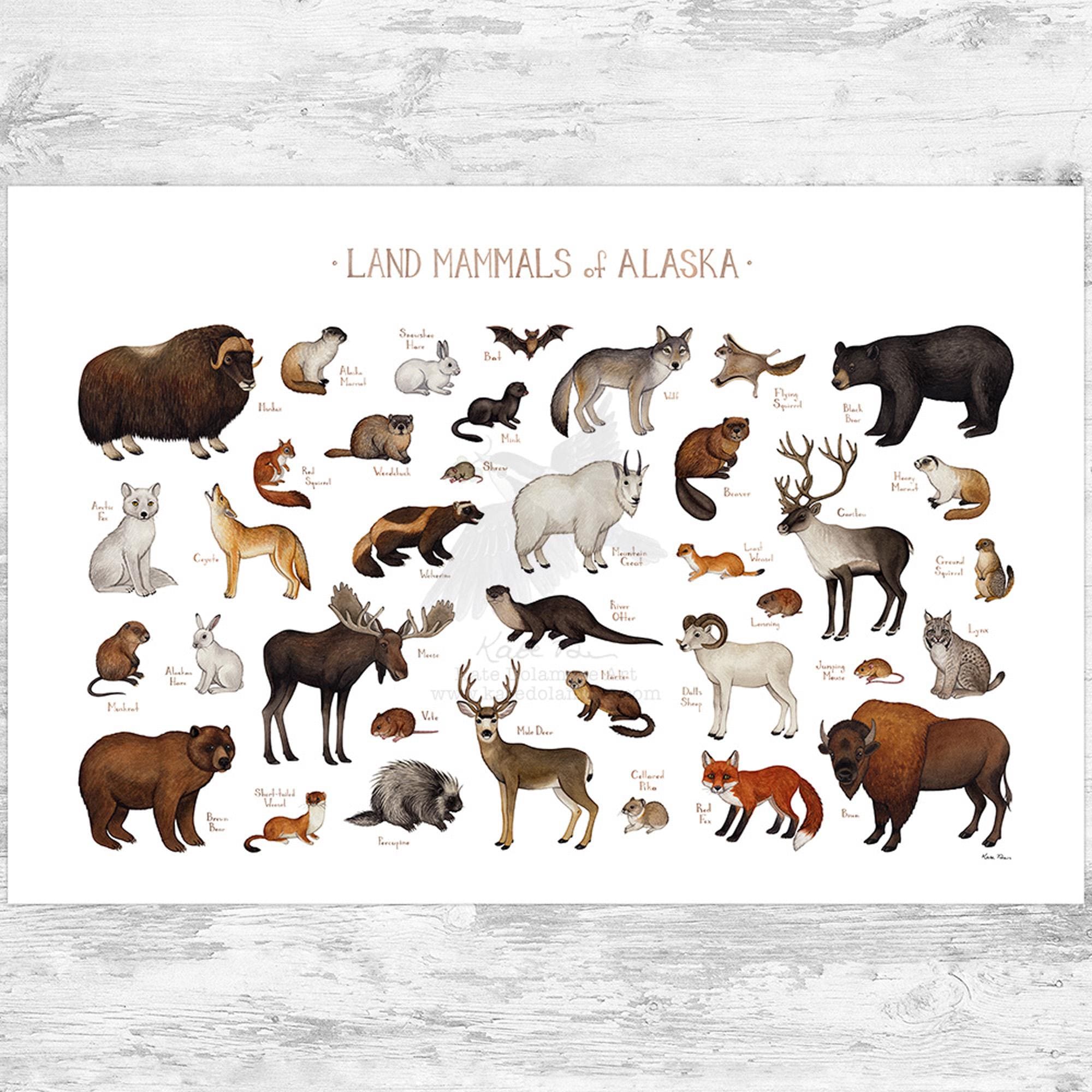
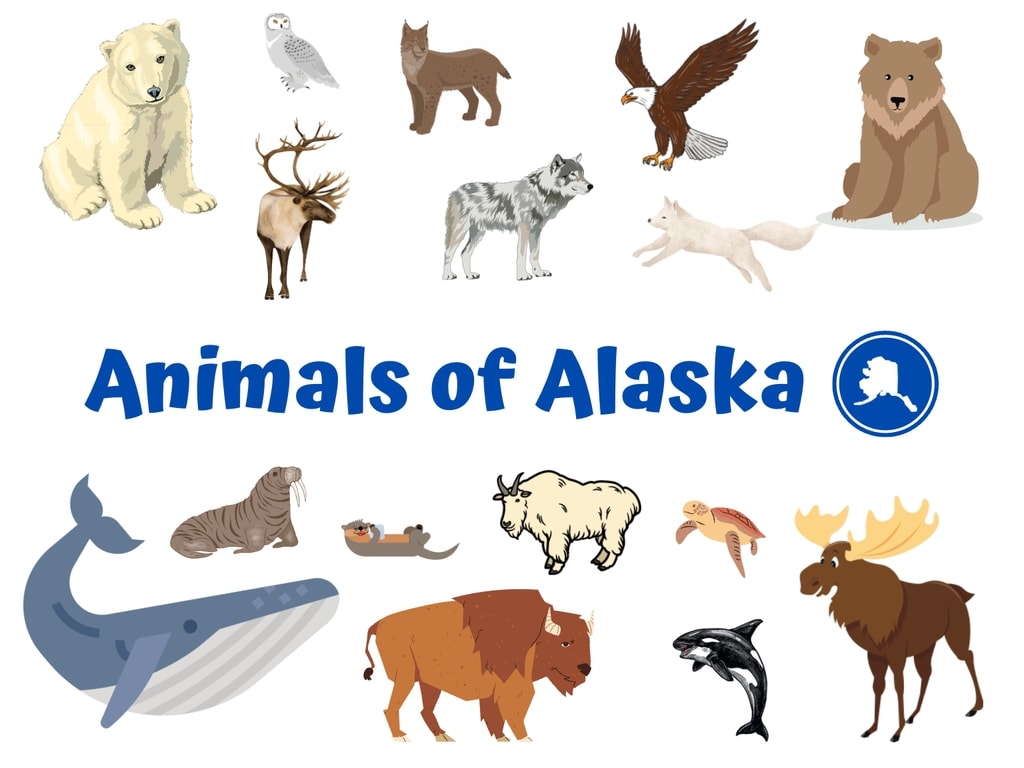
On land, the sheer scale of Alaska’s mammals is often breathtaking. Perhaps no animal embodies the state’s wilderness more than the moose, the largest member of the deer family. These solitary giants, with their impressive antlers (on males), are a common sight near wetlands and forests across much of the state, often venturing surprisingly close to human settlements in cities like Anchorage. Equally iconic are the caribou, whose vast herds undertake some of the longest terrestrial migrations on Earth across the tundra and taiga. Observing these migrations, particularly in areas like the Arctic National Wildlife Refuge, is a bucket-list experience for many.
Alaska is also renowned as prime bear country, hosting three distinct species. The brown bear, often referred to as a grizzly bear when found inland, is an apex predator whose size and power command respect. Coastal brown bears, fueled by abundant salmon runs, are among the largest on the planet, with prime viewing opportunities at locations like Brooks Falls in Katmai National Park and Preserve. The smaller black bear, identifiable by its typically all-black fur and lack of a shoulder hump, is more widespread and commonly found in forested areas. The elusive polar bear, a magnificent symbol of the Arctic, resides exclusively in Alaska’s far northern coastal regions and on the sea ice, making sightings a rare and challenging endeavor, usually requiring specialized expeditions.
Other formidable land mammals include the intelligent and highly social wolves, whose howls echo across the vast wilderness, particularly in parks like Denali National Park and Preserve. The sure-footed Dall sheep, with their distinctive white coats and curled horns, navigate the rugged, high-altitude terrain of mountain ranges such as the Chugach and Alaska Ranges, offering a stunning contrast against the grey rock. Smaller but no less fascinating creatures like the swift Arctic fox and the elusive lynx also roam these diverse habitats, adapting to the extreme conditions.
Marine Marvels
Alaska’s extensive coastline, defined by intricate fjords, island chains, and vast expanses of open ocean, supports an equally spectacular array of marine life. Whale watching is a top attraction, with several species gracing these rich waters. The acrobatic humpback whale is a favorite, known for its dramatic breaches and tail slaps, commonly seen in the protected waters of Southeast Alaska and Prince William Sound. The majestic orca (killer whale), a powerful marine predator, hunts seals, sea lions, and even other whales, often spotted near coastlines and in deeper fjords. The annual migration of gray whales along Alaska’s coast is another incredible spectacle as they journey to and from their Arctic feeding grounds.
Pinnipeds are also abundant. Harbor seals and Steller sea lions, with their characteristic barks and massive size, are frequently observed hauled out on rocky islets and beaches, particularly around the Kenai Fjords National Park and the Gulf of Alaska. The charming sea otter, known for its playful demeanor and endearing habit of floating on its back, is a keystone species in coastal ecosystems, especially prevalent in the waters off Seward and Valdez. These furry creatures play a vital role in maintaining the health of kelp forests, creating a vibrant underwater world for other species.
Avian Wonders: Alaska’s Feathered Residents and Migrants
For birdwatchers, Alaska is a paradise. Its diverse habitats attract an incredible variety of avian species, from formidable raptors to charming seabirds and migratory waterfowl. Many birds travel thousands of miles to breed in Alaska’s rich summer feeding grounds before returning south for the winter.
Raptors and Predators of the Sky
Dominating the Alaskan skies are powerful raptors. The bald eagle, the national bird of the United States, is ubiquitous in Alaska, particularly along the coastlines where salmon provide an abundant food source. Its majestic presence and piercing calls are a common sound and sight. The equally impressive golden eagle, a powerful hunter of larger prey, soars over mountainous and open country. Various owl species also inhabit the state, including the formidable great horned owl and, in the Arctic regions, the stunning snowy owl, whose white plumage provides perfect camouflage against the snow.
Waterfowl and Shorebirds
Alaska’s coasts and wetlands are crucial breeding grounds for millions of waterfowl and shorebirds. The striking puffins, with their brightly colored beaks, nest in large colonies on coastal cliffs, particularly the tufted and horned varieties. Observing their comical take-offs and landings is a highlight for many visitors. The Arctic tern, known for its incredible migratory journey, travels from the Arctic to the Antarctic and back each year, making it the animal with the longest migratory route. Other numerous species include various types of eiders, ducks, and geese, as well as elegant sandhill cranes whose distinctive calls announce their arrival in spring. The sheer number of birds congregating in coastal refuges and estuaries during migration seasons is a truly awe-inspiring spectacle.
Unique Ecosystems and Prime Viewing Locations
To maximize your chances of encountering Alaska’s diverse wildlife, understanding where and when to look is essential. The state is dotted with protected areas and specific hotspots renowned for their wildlife concentrations.
National Parks and Preserves
Alaska is home to an incredible eight national parks, each offering unique wildlife viewing opportunities. Denali National Park and Preserve is perhaps the most famous, renowned for its “Big Five”: brown bears, caribou, moose, Dall sheep, and wolves. The park’s single road offers an excellent chance to spot these animals from park buses, with the backdrop of North America’s highest peak, Denali. Katmai National Park and Preserve on the Alaskan Peninsula is world-famous for its incredible concentrations of brown bears, particularly at Brooks Falls during the salmon spawning season, where bears gather to fish. Kenai Fjords National Park offers spectacular marine wildlife viewing, with boat tours frequently encountering whales, sea lions, seals, sea otters, and a variety of seabirds against a backdrop of tidewater glaciers. Beyond the parks, the Alaska Wildlife Conservation Center near Portage provides an opportunity to see many of Alaska’s iconic species in a rehabilitation and educational setting, especially useful if time is limited.
Coastal and Inland Hotspots
Beyond the national parks, numerous other locations offer excellent wildlife encounters. The coastal town of Seward, a gateway to Kenai Fjords National Park, is a hub for marine wildlife tours. Similarly, Valdez in Prince William Sound is renowned for its marine mammals and seabird colonies. Inland, areas along rivers like the Kenai River are excellent for viewing salmon and, consequently, the bears and eagles that feed on them. Even in urban areas like Anchorage, moose sightings are common, and the surrounding Chugach Mountains host Dall sheep and bears.
Responsible Wildlife Viewing and Safety Tips
Encountering wildlife in Alaska is a privilege that comes with the responsibility of ensuring both your safety and the animals’ well-being. Adhering to responsible viewing practices is paramount for a sustainable and ethical experience.
Best Practices for Observers
Always maintain a respectful and safe distance from all wildlife. The general rule is to keep at least 25 yards from most animals and 100 yards from bears. Never approach, feed, or harass animals, as this can habituate them to humans, leading to dangerous situations for both animals and people. Use binoculars, spotting scopes, or telephoto lenses for close-up views and photography. Stay on designated trails and avoid disturbing nesting sites or dens. Pack out everything you pack in, leaving no trace of your visit. Remember, you are a guest in their home, and your actions directly impact their survival.
Staying Safe in the Wild
When venturing into bear country, it’s crucial to be “bear aware.” Make noise while hiking to avoid surprising a bear, especially in dense brush. Carry bear spray and know how to use it. Store food and scented items in bear-resistant containers or hung from trees to prevent attracting bears to your camp. Travel in groups, as larger groups are generally less likely to be approached by bears. Understand that wild animals are unpredictable; never turn your back on a bear, and know how to react in an encounter (e.g., appear large, speak firmly, move away slowly, or use bear spray as a last resort). Similarly, be cautious around moose, especially cows with calves, as they can be aggressive if they feel threatened.
The Seasonal Rhythms of Alaskan Wildlife
The timing of your visit significantly influences the types of wildlife you’ll encounter, as Alaska’s animals are highly attuned to the changing seasons.
Summer Spectacles
Summer, from June to August, is peak wildlife viewing season. The long daylight hours and abundant food sources make animals more active and visible. This is the best time for bear viewing, particularly during the salmon runs in July and August. Whale watching tours are in full swing, and migratory birds are present in their breeding grounds. Moose and caribou are often seen with their young, and the landscape is vibrant and green.
Winter Wonders
While challenging, winter (November to March) offers a different, more serene wildlife experience. Many animals, like bears, hibernate, but others, such as moose, wolves, and Arctic foxes, are active against the pristine white backdrop. This is also the prime season for viewing the spectacular aurora borealis, often accompanied by the tracks of resilient animals in the snow, adding a magical element to the wildlife quest.
Spring and Fall Transitions
Spring (April to May) brings the awakening of the land, with animals emerging from hibernation, calves and young being born, and migratory birds returning. It’s a time of renewed life and vibrant activity. Fall (September to October) sees the landscape ablaze with autumn colors. Animals are busy preparing for winter, with salmon runs still active in early fall and moose and caribou entering their rutting seasons, often leading to dramatic displays of dominance. Both shoulder seasons offer unique opportunities to witness the cycles of life in Alaska before the deep freeze or after the thaw.
Experiencing the animals of Alaska is more than just sightseeing; it’s an immersion into a truly wild and magnificent ecosystem, offering profound insights into the raw power and delicate balance of nature. Planning your trip with a focus on these incredible creatures ensures an unforgettable journey into the heart of the Last Frontier.
LifeOutOfTheBox is a participant in the Amazon Services LLC Associates Program, an affiliate advertising program designed to provide a means for sites to earn advertising fees by advertising and linking to Amazon.com. Amazon, the Amazon logo, AmazonSupply, and the AmazonSupply logo are trademarks of Amazon.com, Inc. or its affiliates. As an Amazon Associate we earn affiliate commissions from qualifying purchases.