
The question “Where Is The City Of Industry, California?” often arises, not because it’s a secret enclave, but rather due to its unique character and a name that might suggest something other than its actual identity. Nestled within the San Gabriel Valley of Los Angeles County, California, the City of Industry is a fascinating case study in urban planning and economic development. It’s not a place typically found on a tourist’s radar for its picturesque landscapes or cultural landmarks, but rather for its immense contribution to the regional economy and its distinct operational model. This article delves into its geographical location, its administrative peculiarities, and what makes it a significant entity within the broader Southern California landscape.
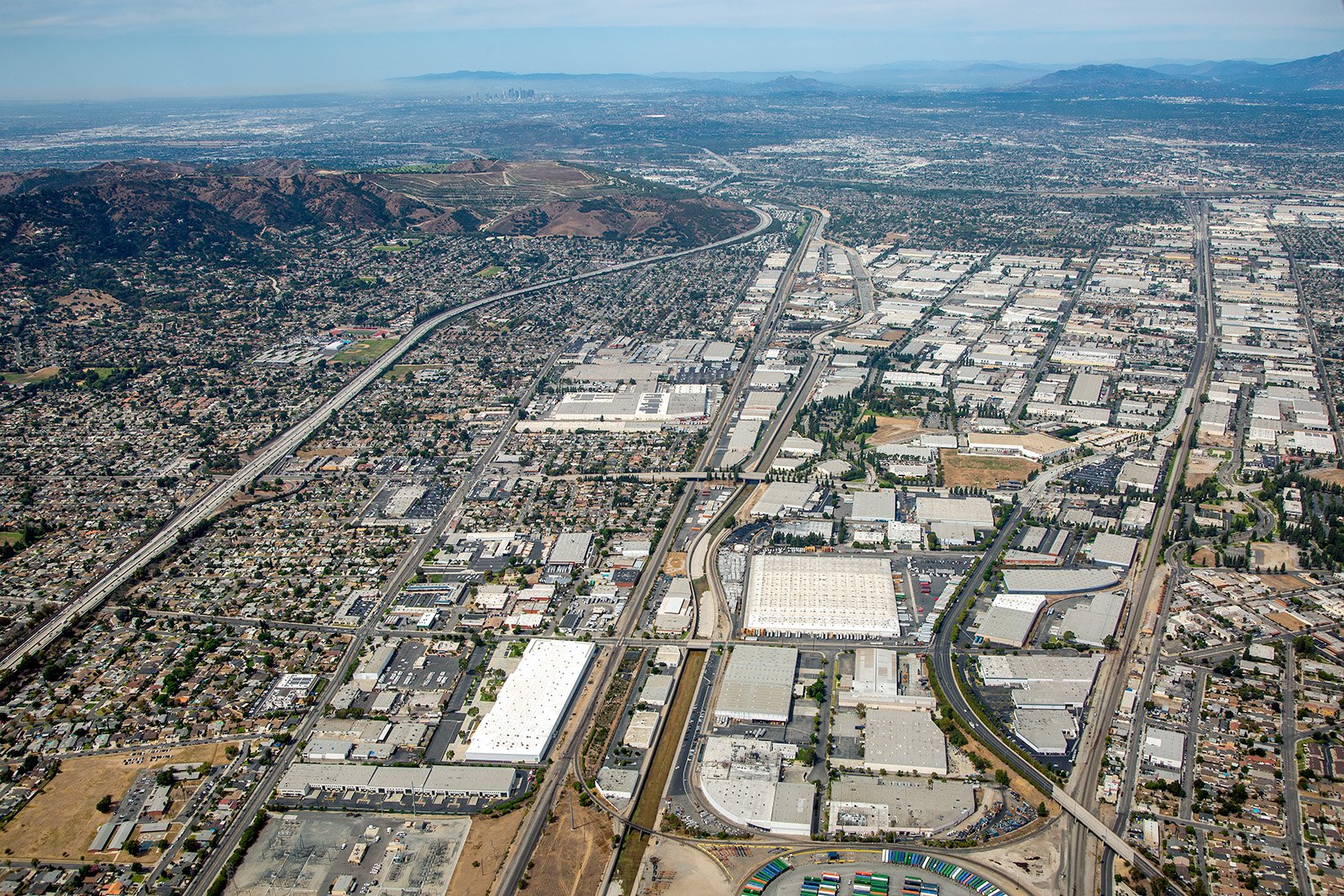
Geographical Placement and Neighboring Municipalities
The City of Industry is strategically situated in the eastern portion of Los Angeles County, approximately 15 miles east of Downtown Los Angeles. Its location within the San Gabriel Valley places it in a densely populated and economically vital region. The city is bordered by several well-established municipalities, each with its own unique identity and character.
To the north, the City of Industry shares boundaries with Hacienda Heights, an unincorporated community known for its residential neighborhoods and sprawling views. To the east, it is bordered by Walnut, a city recognized for its master-planned communities and excellent school districts. Further east lies the city of Diamond Bar.
The southern border of the City of Industry is defined by Pomona, a larger city with a rich history and diverse economic base, home to the renowned Fairplex and the Los Angeles County Fair. To the west, the city is adjacent to La Puente and City of Industry itself, creating a complex internal boundary. Interestingly, parts of the city also abut unincorporated areas of Los Angeles County, further emphasizing its integrated yet distinct presence within the county’s fabric.
Transportation Networks
The geographical positioning of the City of Industry is not by accident. Its proximity to major transportation arteries is a cornerstone of its economic success. The Pioneer Boulevard corridor, a central artery, facilitates the movement of goods and people. Crucially, the city is well-served by a network of freeways, including the 60 Freeway (Pomona Freeway), the 10 Freeway (San Bernardino Freeway), and the 210 Freeway (Foothill Freeway), all of which provide crucial access to the wider Southern California region and beyond. This connectivity is vital for its extensive industrial and commercial operations, enabling efficient logistics for warehousing, manufacturing, and distribution.
A City Defined by Industry: Its Unique Character
The name “City of Industry” is not merely a moniker; it’s a mission statement and a direct reflection of its primary purpose. Unlike many cities that evolved organically from residential communities, agricultural hubs, or historical settlements, the City of Industry was deliberately planned and incorporated in 1957 to foster and accommodate industrial development. This intention has shaped its entire landscape and operational ethos.
Industrial Powerhouse
The city is a veritable powerhouse of commerce and industry. It boasts one of the largest concentrations of industrial and commercial facilities in Southern California, housing thousands of businesses. These range from large-scale manufacturing plants and vast warehousing and distribution centers to a diverse array of retail outlets, office buildings, and even entertainment venues. Its economic base is robust, contributing significantly to the employment opportunities within Los Angeles County. The economic activity here fuels a substantial portion of the region’s supply chain and consumer goods market.
Residential vs. Commercial Landscape
One of the most striking aspects of the City of Industry is the stark contrast between its industrial core and its sparse residential population. While it encompasses a significant land area, the vast majority of its acreage is dedicated to commercial and industrial enterprises. This means that very few people actually reside within its official city limits. The city’s population is remarkably small, often cited as being in the low hundreds. This characteristic is a direct consequence of its founding purpose: to provide a dedicated zone for businesses without the complexities of managing a large residential populace. This unusual demographic profile makes it distinct from most incorporated cities, where residential communities form the backbone of the population.
Key Landmarks and Amenities
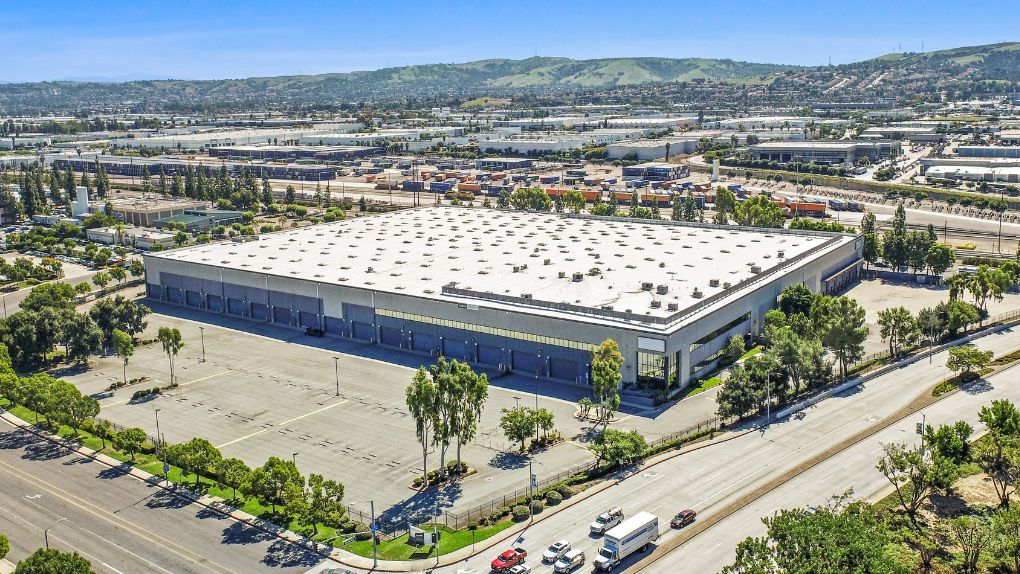
Despite its industrial focus, the City of Industry is not devoid of points of interest, particularly for those seeking recreation, shopping, or specialized services. These facilities, while not traditional tourist attractions, are significant components of the city’s identity and serve its business community and neighboring residents.
The Shops at Puente Hills
A prominent retail destination within the city is The Shops at Puente Hills. This large regional shopping mall is a hub for retail therapy, offering a wide array of department stores, specialty shops, and dining options. It serves as a major commercial draw for residents of the City of Industry and surrounding communities, providing a convenient location for shopping and entertainment.
Industry Hills Expo Center
For events, conventions, and equestrian activities, the Industry Hills Expo Center is a significant venue. It hosts a variety of public and private events throughout the year, from trade shows and festivals to sporting competitions and concerts. Its expansive facilities make it a versatile space for large-scale gatherings.
Pacific Palms Conference Center and Golf Courses
Adjacent to the Industry Hills Expo Center are the Pacific Palms Conference Center and two championship golf courses: the Eisenhower Course and the Babe Zaharias Course. These amenities offer a touch of leisure and recreation within the industrial landscape, providing spaces for business retreats, events, and golfing enthusiasts. The Pacific Palms Conference Center itself is a destination for conferences, meetings, and weddings, offering lodging and event services.
Industry Hills Recreation Area
For outdoor enthusiasts, the Industry Hills Recreation Area provides hiking trails and open spaces, offering a natural respite amidst the urban and industrial development. This area allows for passive recreation and a connection with nature, serving as a valuable green space for the community.
Governance and Administration
The governance of the City of Industry is as unique as its demographic profile. Due to its minimal residential population, the city’s governance is heavily focused on managing its vast commercial and industrial base. The city council, comprised of elected officials who often have strong ties to the business community, oversees the city’s operations, economic development initiatives, and public services.
A Focus on Business Services
The administrative priorities of the City of Industry are geared towards supporting its business tenants. This includes efficient permitting processes, infrastructure development to support logistics, and maintaining a business-friendly environment. The city actively seeks to attract and retain businesses, understanding that its economic health is directly tied to the success of its commercial sector.

Public Services for a Unique Population
While its residential population is small, the city still provides essential public services, including police and fire protection, and street maintenance. These services are crucial not only for the few residents but also for the employees who commute to the city daily and for the businesses operating within its boundaries. The city also plays a role in regional planning and collaboration with neighboring cities and Los Angeles County departments.
In essence, the City of Industry, California, is a testament to intentional urban planning. It answers the question of its location by placing it firmly within the economic engine of Los Angeles County, a place where business and industry thrive, creating a distinct and vital component of the Southern California landscape. Its identity is not defined by sprawling neighborhoods or a large citizenry, but by the hum of commerce and the strategic facilitation of economic activity.
LifeOutOfTheBox is a participant in the Amazon Services LLC Associates Program, an affiliate advertising program designed to provide a means for sites to earn advertising fees by advertising and linking to Amazon.com. Amazon, the Amazon logo, AmazonSupply, and the AmazonSupply logo are trademarks of Amazon.com, Inc. or its affiliates. As an Amazon Associate we earn affiliate commissions from qualifying purchases.