
Uptown New York. The very phrase evokes images of grandeur, of historic avenues, of cultural institutions that define a city. But for many, especially those new to the vibrant tapestry of New York City, the precise boundaries of “Uptown” can be a charmingly elusive concept. It’s not a strictly defined administrative zone, but rather a cultural and geographical understanding that shifts and breathes with the city itself. This exploration aims to demystify this iconic part of Manhattan, guiding you through its distinct neighborhoods, its iconic attractions, and the unique spirit that defines it.
Defining the Boundaries: A Shifting Landscape
Geographically, “Uptown” generally refers to the northern section of the island of Manhattan, typically beginning north of Central Park. However, this is a fluid definition. Some might consider the northern edge of Midtown Manhattan – around 59th Street, the southern boundary of Central Park – as the starting point. Others push it further north, encompassing areas that stretch towards the Harlem River. The truth is, “Uptown” is as much about a feeling and a historical context as it is about precise street numbers. It’s the area that moved uptown as the city grew, leaving behind the bustling commercial centers and embracing more residential, cultural, and prestigious enclaves.

The Pillars of Uptown: Key Neighborhoods
Within this broad definition of Uptown, several distinct neighborhoods contribute to its multifaceted identity:
- Upper East Side: Often associated with elegance and wealth, the Upper East Side is a bastion of grand pre-war apartment buildings, designer boutiques, and world-renowned museums. Running east of Central Park, it’s a place where history meets high society.
- Upper West Side: Situated west of Central Park, the Upper West Side offers a more bohemian and intellectual vibe, yet retains a sense of sophistication. It’s known for its iconic cultural institutions, beautiful brownstones, and a strong sense of community.
- Harlem: As you venture further north, you enter Harlem, a neighborhood steeped in rich African American history and culture. Harlem is a dynamic area, pulsating with music, art, and a resilient spirit, showcasing a vibrant evolution of its heritage.
- Morningside Heights: Home to prestigious universities and religious institutions, Morningside Heights offers a more academic and serene atmosphere, with stunning architectural landmarks.
- Washington Heights: At the very northern tip of Manhattan, Washington Heights boasts a diverse population, historic sites like Fort Tryon Park, and breathtaking views of the Hudson River.
A Tapestry of Culture and History
Uptown New York is not merely a geographical designation; it’s a living museum, a repository of cultural treasures and historical narratives that have shaped not only New York City but the United States as a whole. Its avenues and streets whisper stories of innovation, artistic movements, and the evolving American dream.
The Museum Mile and Beyond
The Upper East Side, in particular, is home to the famed “Museum Mile,” a stretch of Fifth Avenue that boasts an unparalleled concentration of world-class museums.
- The Metropolitan Museum of Art (The Met): A colossal institution housing over two million works spanning 5,000 years of art from around the globe, The Met is an essential stop for any culture enthusiast. From ancient Egyptian temples to European masterpieces and modern art, its collections are boundless.
- Solomon R. Guggenheim Museum: Renowned for its iconic spiral architecture designed by Frank Lloyd Wright, the Guggenheim offers a unique viewing experience for its collection of Impressionist, Post-Impressionist, early Modern, and contemporary art.
- The Frick Collection: Housed in the former mansion of Henry Clay Frick, this intimate museum showcases Old Master paintings, sculpture, and decorative arts in a setting that evokes the grandeur of a private home.
- Cooper Hewitt, Smithsonian Design Museum: Dedicated to historical and contemporary design, this museum offers insightful exhibitions on a wide range of design disciplines.
But Uptown’s cultural offerings extend far beyond Museum Mile. The Upper West Side is the proud home of:
- The American Museum of Natural History: A wonderland for science and nature lovers, this museum features iconic dioramas, dinosaur skeletons, and exhibits that explore the diversity of life on Earth and human cultures.
- Lincoln Center for the Performing Arts: This sprawling complex is a global epicenter for music, dance, and theater, hosting resident companies like the Metropolitan Opera, the New York City Ballet, and the New York Philharmonic.
Echoes of History in Harlem
Harlem is a neighborhood where history is not confined to museums but is alive in its streets, its churches, and its people. It was the heart of the Harlem Renaissance, a period of extraordinary cultural, social, and artistic explosion in the 1920s.
- Apollo Theater: A legendary venue that has launched the careers of countless music icons, the Apollo remains a vibrant hub for live performance and a symbol of African American artistic achievement.
- Schomburg Center for Research in Black Culture: Part of the New York Public Library system, the Schomburg is a world-renowned research library and museum dedicated to preserving and showcasing the history and culture of people of African descent.
- Strivers’ Row: These historic brownstones, located in Harlem, are a testament to the architectural elegance and the thriving community that emerged during a pivotal period of Black history in New York City.

Experiencing Uptown: Beyond the Landmarks
While the museums and historical sites are undeniably compelling, the true essence of Uptown New York lies in its everyday life, its vibrant streetscapes, and its diverse communities.
Parks and Recreation: Green Oases
Central Park, the magnificent green heart of Manhattan, serves as a natural dividing line and a beloved recreational space for Uptown residents and visitors alike.
- Central Park: Spanning 1,700 acres, it offers a tranquil escape with its rolling meadows, serene lakes, iconic bridges, and numerous attractions like Bethesda Terrace and Fountain, Strawberry Fields (the John Lennon memorial), and the Central Park Zoo.
- Riverside Park: Stretching along the Hudson River on the Upper West Side, this picturesque park offers stunning waterfront views, walking paths, and recreational facilities.
- Fort Tryon Park: Home to The Cloisters, a branch of The Met dedicated to medieval art and architecture, this park offers breathtaking vistas of the Hudson River and the Palisades.
Culinary Delights and Shopping Experiences
Uptown’s culinary scene is as diverse as its population, ranging from Michelin-starred restaurants to cozy neighborhood eateries and vibrant international markets.
- Upper East Side Dining: Expect upscale dining experiences, from classic French bistros to contemporary American cuisine. Madison Avenue and Lexington Avenue offer a plethora of choices for discerning palates.
- Upper West Side Eateries: This neighborhood boasts a more eclectic mix, with popular spots ranging from family-friendly diners and pizza joints to refined Italian and diverse ethnic restaurants.
- Harlem’s Culinary Soul: Explore the rich flavors of soul food, a cornerstone of Harlem’s cuisine, alongside burgeoning international culinary scenes that reflect the neighborhood’s diverse community.
- Shopping: The Upper East Side is synonymous with luxury shopping along Fifth Avenue and Madison Avenue, featuring flagship stores of world-renowned designers. The Upper West Side offers more boutique shopping experiences and charming independent stores.
Architectural Marvels and Residential Charm
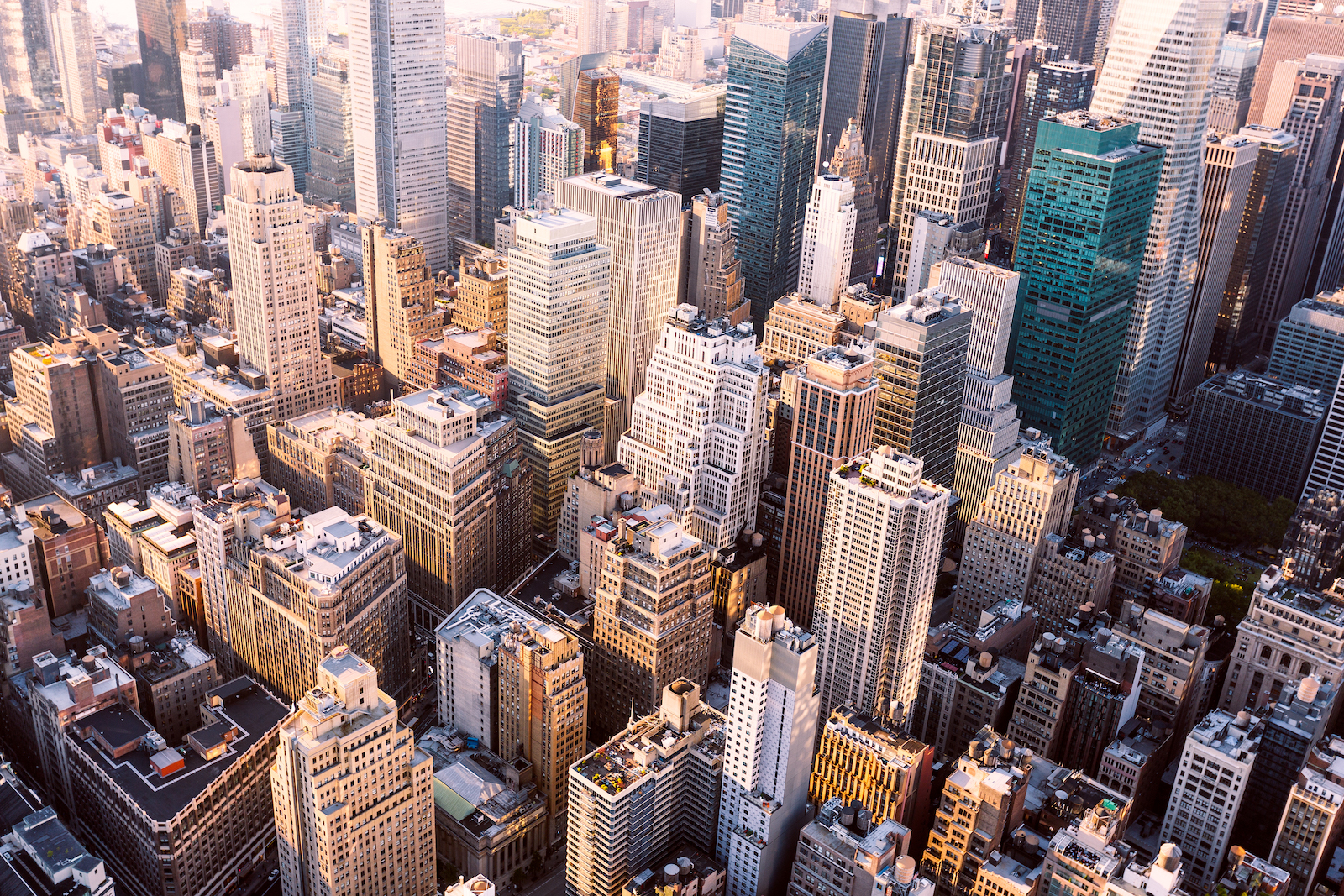
Beyond its grand institutions, Uptown is defined by its stunning architecture. From the opulent mansions and pre-war apartment buildings of the Upper East Side to the charming brownstones of the Upper West Side and the historic apartment complexes of Harlem, the residential areas are a feast for the eyes. Iconic landmarks like the Cathedral Church of Saint John the Divine in Morningside Heights stand as testaments to the city’s enduring architectural heritage.
Planning Your Uptown Journey
When planning a visit to Uptown New York, consider the distinct character of each neighborhood and the experiences you wish to immerse yourself in. Whether you’re drawn to the artistic grandeur of Museum Mile, the historical resonance of Harlem, or the serene beauty of its parks, Uptown offers a rich and rewarding travel experience.
Navigating Uptown
The most efficient way to traverse Uptown is via the New York City Subway system, with numerous lines serving the various neighborhoods. Buses are also an excellent option for exploring at a more leisurely pace and taking in the street-level ambiance. Many areas are also highly walkable, especially within individual neighborhoods, allowing for serendipitous discoveries.
Accommodation Options
While this article focuses on destinations and experiences, it’s worth noting that Uptown offers a range of accommodation options, from luxurious hotels on the fringes of Central Park to boutique hotels in charming neighborhoods and more budget-friendly choices further north. Booking in advance is always recommended, particularly during peak travel seasons.
Uptown New York is more than just a location on a map; it’s a vibrant mosaic of culture, history, and community, a testament to the enduring spirit and evolution of New York City. Its grand avenues and hidden corners alike invite exploration, promising an unforgettable journey into the heart of a truly iconic urban landscape.
LifeOutOfTheBox is a participant in the Amazon Services LLC Associates Program, an affiliate advertising program designed to provide a means for sites to earn advertising fees by advertising and linking to Amazon.com. Amazon, the Amazon logo, AmazonSupply, and the AmazonSupply logo are trademarks of Amazon.com, Inc. or its affiliates. As an Amazon Associate we earn affiliate commissions from qualifying purchases.