
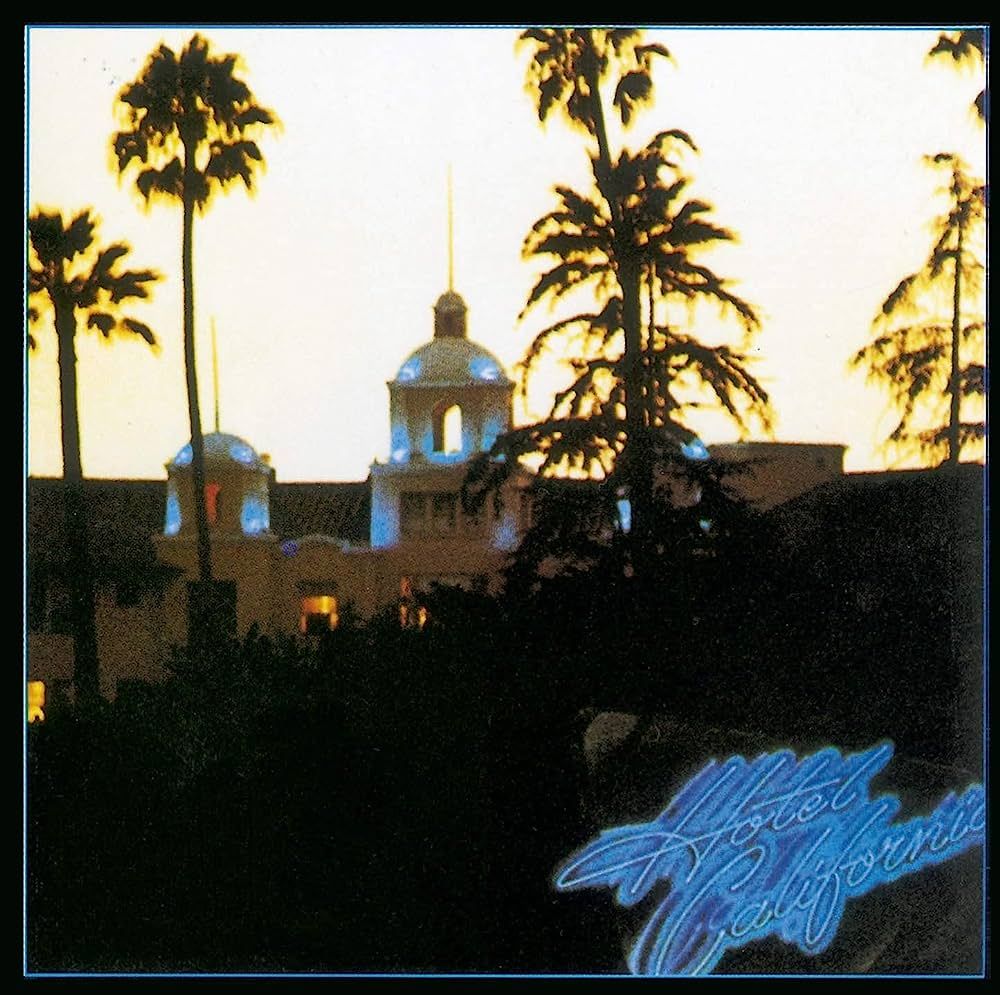
For decades, the enigmatic allure of “Hotel California” has captivated listeners, sparking endless debate and speculation about its true location. More than just a song, it has become a cultural touchstone, a mythical destination that many have sought to find in the real world. While The Eagles, the legendary American rock band behind this iconic track, have largely remained coy about its precise inspiration, the song’s lyrical narrative, coupled with common interpretations, paints a vivid picture of a place that resonates deeply with the spirit of travel and the allure of distinctive destinations. This exploration delves into the song’s thematic landscape, examining potential real-world influences and the enduring mythos of a hotel that exists as much in the imagination as it does in any physical location.
The Unpacking of a Mythical Destination
The song “Hotel California,” released in 1976, is a masterful narrative poem set to music, weaving a tale of a weary traveler arriving at a seemingly luxurious yet ultimately sinister hotel. The lyrics are rich with evocative imagery, describing “a shimmering light” and “a pale horse.” The protagonist is drawn in by promises of comfort and respite, only to find himself ensnared in a place where “you can check out any time you like, but you can never leave.” This duality – the allure of escape and the trap of entrapment – is central to the song’s enduring power and the persistent quest to pinpoint its setting.
The “Hotel California” is not a single, definitive landmark, but rather a composite of experiences and observations that The Eagles, particularly Don Henley and Glenn Frey, were experiencing or had observed. The band members were based in Southern California during this period, and the song has often been interpreted as a commentary on the excesses and disillusionment of the Los Angeles lifestyle, the music industry, and the pursuit of the American Dream.
Southern California as a Muse
While no single establishment perfectly matches the description, many theorists and fans point to real-world locations in Southern California that might have served as inspiration. The vast, sun-drenched landscapes, the promise of paradise, and the undercurrent of superficiality often associated with the region provide a fertile ground for such interpretations.
- The Beverly Hills Hotel: This iconic luxury hotel, with its distinctive pink facade and storied history, has often been cited as a potential influence. Its association with Hollywood glamour and the elite lifestyle of Los Angeles aligns with the song’s themes of superficial charm. The hotel itself has been a playground for celebrities and a symbol of aspirational living, making it a plausible backdrop for a story about the seductive nature of excess.
- The Hollywood Roosevelt Hotel: Another landmark in the heart of Hollywood, this hotel boasts a rich history and a classic Hollywood ambiance. Its grandeur and connection to the golden age of cinema could have inspired elements of the song’s descriptive passages.
- Hotel del Coronado (San Diego): While geographically further south, the grand architecture and seaside setting of the Hotel del Coronado, a National Historic Landmark, also evoke the kind of impressive establishment that could be the subject of such a song. Its age and historical significance lend themselves to the idea of a place with a deep, perhaps dark, past.
These are just a few of the many hotels in the region that possess a certain grandeur and a history that could contribute to the mystique of the “Hotel California.” However, it is crucial to remember that the song is a work of fiction, drawing from a broader tapestry of impressions rather than a direct portrait of one specific place.
Beyond the Borders: International Influences and Interpretations
While the most prevalent theories anchor “Hotel California” in Southern California, the universal themes of seeking refuge, the deceptive nature of paradise, and the yearning for escape can be found in destinations worldwide. The song’s narrative taps into a primal human desire for a place of belonging, which can sometimes mask a more sinister reality.

The Universal Hotel Experience
The “Hotel California” can be seen as a metaphor for any place that promises perfection but delivers disillusionment. It could represent:
- The Allure of the Exotic: Travelers often seek out destinations that promise a departure from the mundane, a place where they can reinvent themselves or escape their everyday lives. The song captures this initial excitement and the potential for that excitement to curdle into something unsettling.
- The Music Industry Trap: For the band members, the song has also been interpreted as a commentary on the music industry itself – a place that offers fame and fortune but can be incredibly difficult to leave, with artists often feeling trapped by their success or the expectations placed upon them.
- Spiritual or Existential Journeys: On a deeper level, “Hotel California” can be viewed as an allegory for spiritual journeys or existential struggles. The traveler’s arrival at the hotel can symbolize the pursuit of enlightenment or meaning, only to find that the path is more complex and fraught with internal demons than initially anticipated.
The power of the song lies in its ambiguity, allowing listeners to project their own experiences and interpretations onto the lyrics. This makes it a universally relatable anthem for those who have felt the bittersweet sting of arriving at a destination that promised more than it could deliver.
The Art of the Metaphor: A Hotel of the Mind
The most compelling understanding of “Hotel California” is that it is not a literal place but a metaphorical construct. The Eagles themselves have alluded to this, with Don Henley stating in interviews that the song is about “a journey from innocence to experience” and about “the dark underbelly of the American dream.”
Decoding the Lyrics
Each verse of “Hotel California” is laden with symbolism that supports this metaphorical interpretation:
- “On a dark desert highway, cool wind in my hair”: This sets a scene of solitary travel, a common trope in narratives of self-discovery or escape. The “dark desert highway” can represent the unknown, the uncharted territory of life or experience.
- “Welcome to the Hotel California / Such a lovely place (Such a lovely place) / Such a lovely face”: The initial welcome is disarmingly positive, highlighting the superficial charm that often masks deeper truths. The repetition of “lovely” underscores a potential falsity.
- “Her mind is Tiffany-twisted, she got the Mercedes bends / She got a lot of pretty, pretty boys she calls friends”: This imagery points towards materialism and a certain shallowness, prevalent in the culture the band was observing. The “Tiffany-twisted” mind suggests a corrupted appreciation for luxury, and “Mercedes bends” a dependence on material wealth.
- “Mirrors on the ceiling, the pink champagne on ice / And she said, ‘We are all just prisoners here, of our own device'”: This verse is particularly poignant. The luxurious amenities represent superficial comforts, while the line about being “prisoners here, of our own device” directly addresses the theme of self-imposed entrapment. The “mirrors on the ceiling” can symbolize self-reflection or self-absorption, often leading to a distorted view.
- “Last thing I remember, I was running for the door / I had to find the passage back to the place I was before / ‘Relax,’ said the night man, ‘We are programmed to receive. / You can check-out any time you like, but you can never leave!'”: This concluding stanza solidifies the idea of an inescapable trap. The “night man” represents the forces that maintain the illusion or the system, making escape impossible. The paradox of being able to “check-out” but never “leave” is the core of the metaphor, suggesting that while one can physically depart, the experience or the lessons learned from it remain eternally ingrained.

The Enduring Legacy of a Mythic Hotel
The quest to find a physical “Hotel California” is a testament to the song’s powerful storytelling and its ability to resonate with audiences on a profound level. While fans may continue to point to various establishments in Southern California or even further afield as potential inspirations, the true location of “Hotel California” remains elusive, intentionally so.
The Eagles crafted a song that transcends a singular geographic point. It exists as a myth, a cautionary tale, and an enduring symbol of the search for meaning and the potential pitfalls of the promises we chase. It is a destination that invites contemplation, a landmark of the imagination that continues to draw in travelers of all kinds, seeking to understand its enigmatic charm and its timeless message about the nature of escape and entrapment. The “Hotel California” is not on any map, but it resides in the collective consciousness of music lovers and those who have ever felt the pull of a place that promises paradise, only to reveal a more complex reality. It is a hotel of the mind, a perfect encapsulation of the human experience of aspiration and its often-unforeseen consequences, forever enshrined in the annals of popular music.
LifeOutOfTheBox is a participant in the Amazon Services LLC Associates Program, an affiliate advertising program designed to provide a means for sites to earn advertising fees by advertising and linking to Amazon.com. Amazon, the Amazon logo, AmazonSupply, and the AmazonSupply logo are trademarks of Amazon.com, Inc. or its affiliates. As an Amazon Associate we earn affiliate commissions from qualifying purchases.