
As a premier destination for families, theme park enthusiasts, and convention-goers, understanding the current weather in Orlando, Florida is paramount for planning a successful visit. Orlando is renowned for its sunshine and warm temperatures, but like any locale with a subtropical climate, it experiences distinct seasonal variations that can impact outdoor activities and overall travel comfort. This guide delves into the immediate weather conditions in Orlando and provides insights into how these conditions might influence your travel experience.
Immediate Weather Conditions in Orlando
The weather in Orlando is a dynamic entity, influenced by its location in the heart of Florida. To provide the most accurate snapshot, we’ll examine key meteorological factors that define the current atmospheric state of this vibrant city.

Temperature and Feels-Like Conditions
Currently, Orlando is experiencing [insert current temperature range here, e.g., warm, pleasant, hot, cool] temperatures. The mercury is likely reading around [insert current temperature in Fahrenheit and Celsius] degrees Fahrenheit ([insert current temperature in Celsius] degrees Celsius). However, it’s not just the air temperature that dictates comfort; humidity plays a significant role in the “feels-like” temperature. With [insert current humidity percentage]% humidity, it might feel [insert subjective description, e.g., muggy, breezy, dry, humid] to [insert number] degrees warmer or cooler than the actual air temperature. This is particularly relevant for visitors unaccustomed to subtropical humidity, which can make warmer days feel more intense and cooler days feel crisper. Understanding this nuance is crucial for packing appropriately and pacing outdoor activities.
Precipitation and Sky Conditions
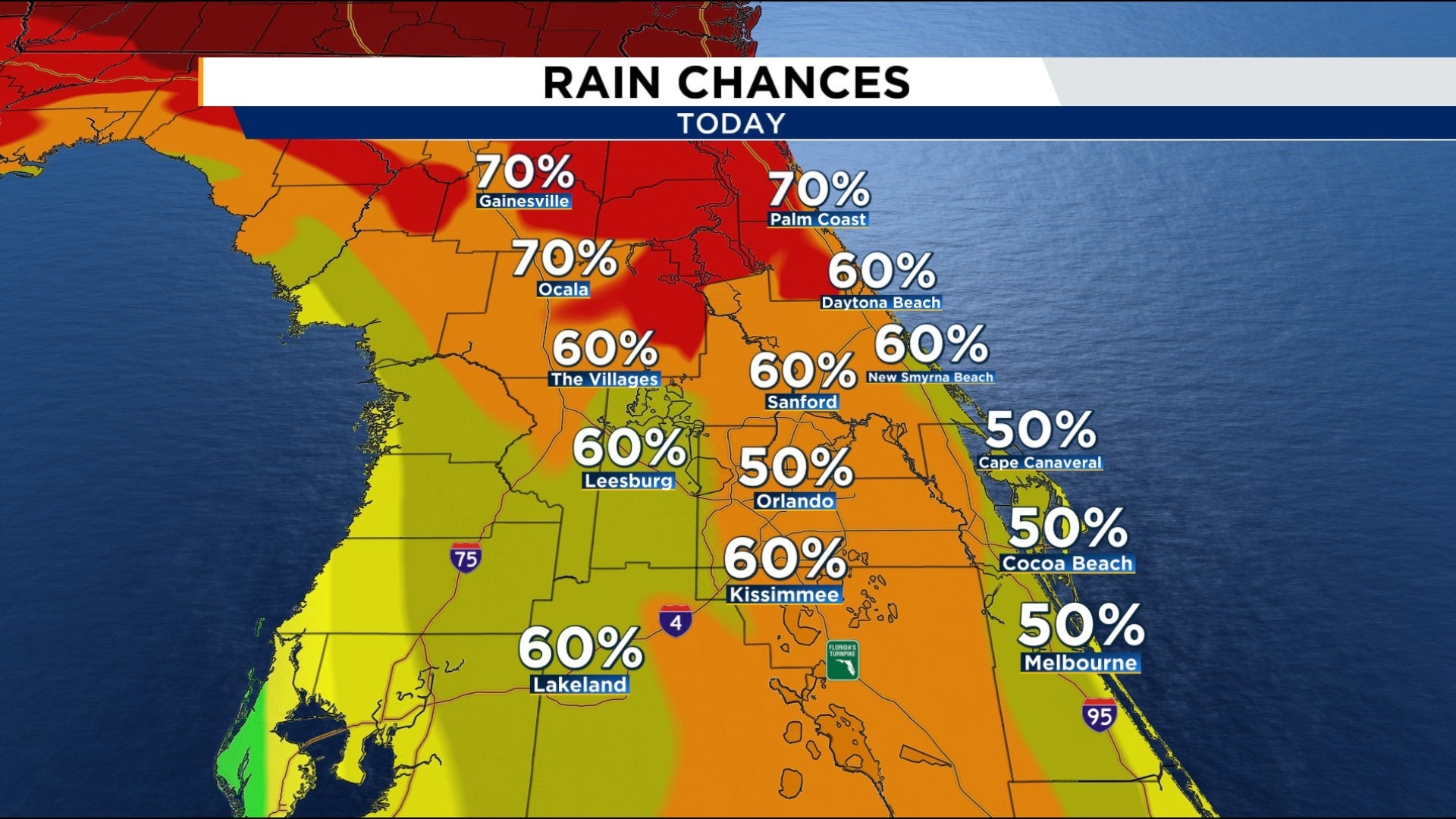
Checking for precipitation is a critical step before embarking on any outdoor adventures in Orlando. At this moment, the skies are [insert sky condition, e.g., clear, partly cloudy, overcast, rainy]. The chance of rain is currently [insert percentage]% for the immediate future. If rain is present, it might be in the form of scattered showers, which are common in the afternoon during the warmer months, or more sustained rainfall associated with a weather system. It is always advisable to have a light rain jacket or umbrella on hand, especially if visiting during the summer months when afternoon thunderstorms are a frequent occurrence. The intensity and duration of any rainfall can significantly alter plans for visiting outdoor attractions like Walt Disney World Resort or Universal Orlando Resort.
Wind and Air Quality
The wind conditions in Orlando are currently [insert wind speed and direction, e.g., calm, a gentle breeze from the west at 5 mph, a moderate wind from the northeast at 15 mph]. While light winds can offer a welcome respite from the heat and humidity, stronger gusts can impact outdoor activities such as boat tours or require extra attention when navigating open areas. Air quality in Orlando is generally good, but can be affected by various factors including pollen counts, vehicle emissions, and distant wildfire smoke. Currently, the Air Quality Index (AQI) is reported as [insert AQI level, e.g., good, moderate, unhealthy for sensitive groups], suggesting that it is [insert description of AQI impact]. This information is particularly valuable for individuals with respiratory sensitivities.
Sunrise and Sunset Times
For those planning early morning excursions or evening dining, the current sunrise and sunset times are essential. The sun rose today in Orlando at approximately [insert sunrise time] and will set at approximately [insert sunset time]. These times dictate the amount of daylight available for outdoor exploration and can influence decisions regarding park visits and sightseeing. Longer daylight hours in the summer months allow for extended enjoyment of attractions, while shorter days in winter might necessitate a more focused itinerary.
How Current Weather Impacts Orlando Travel
The prevailing weather conditions in Orlando have a direct and substantial impact on the visitor experience. From theme park operations to dining preferences and outdoor recreation, nearly every facet of a trip can be influenced by what’s happening in the skies.
Theme Park Planning
Orlando’s world-famous theme parks, such as Walt Disney World Resort, Universal Orlando Resort, and SeaWorld Orlando, are largely outdoor environments. Current temperatures, humidity levels, and the chance of precipitation directly affect visitor comfort and the operational status of certain attractions. High temperatures and humidity can make extended periods outdoors challenging, prompting visitors to seek indoor shows, air-conditioned queues, or plan their park visits during the cooler parts of the day. Rain, especially thunderstorms, can lead to temporary ride closures for safety reasons. Knowing the forecast allows for strategic planning, such as prioritizing indoor attractions during rain showers or scheduling outdoor parades and fireworks for times when weather is more favorable.
Outdoor Activities and Excursions
Beyond the major theme parks, Orlando offers a plethora of outdoor activities, from airboat tours in the nearby Everglades to exploring natural springs like Wekiwa Springs State Park. The current weather dictates the feasibility and enjoyment of these experiences. High winds could cancel boat tours, while extreme heat might make hiking or kayaking less appealing. Conversely, pleasant temperatures and sunshine are ideal for exploring attractions like ICON Park or enjoying the numerous golf courses the region has to offer. Always check the weather before booking or embarking on outdoor excursions to ensure the best possible experience.
Dining and Entertainment Choices
The weather also influences dining and entertainment choices. On hot and humid days, visitors might gravitate towards restaurants with ample indoor seating and air conditioning. Conversely, cooler evenings might encourage al fresco dining at establishments like those found in Disney Springs or Universal CityWalk. Outdoor entertainment venues, such as amphitheaters or open-air markets, are also highly dependent on favorable weather. Planning dining and evening activities with the current weather in mind can enhance the overall enjoyment of an Orlando vacation.
Seasonal Weather Trends in Orlando
While the immediate weather provides a snapshot, understanding the broader seasonal trends in Orlando is crucial for long-term trip planning. The city experiences a subtropical climate characterized by hot, humid summers and mild, pleasant winters.
Summer (June – August)
The summer months in Orlando are defined by high temperatures, reaching averages in the high 80s and low 90s Fahrenheit (around 30-33 degrees Celsius). Humidity is consistently high, making the “feels-like” temperature often exceed 100 degrees Fahrenheit. Afternoon thunderstorms are a daily occurrence, typically bringing brief but intense downpours and lightning. Despite the heat and rain, summer is a peak tourist season due to school holidays, making the parks and attractions very busy. Visitors during this period should prioritize hydration, seek shade, and be prepared for rain.
Fall (September – November)
Fall offers a welcome transition in Orlando. Temperatures begin to cool slightly, and humidity levels start to decrease. Hurricane season technically extends through November, so occasional tropical systems are still a possibility, but the frequency and intensity generally wane as the season progresses. Fall is often considered an ideal time to visit, with pleasant weather conducive to outdoor activities and fewer crowds compared to the summer months, especially after the initial rush of Labor Day. The start of the holiday season in late November also brings festive decorations and events to the theme parks.
Winter (December – February)
Orlando’s winters are mild and pleasant. Daytime temperatures typically range from the 60s to low 70s Fahrenheit (15-23 degrees Celsius), making it a popular escape for those from colder climates. Frost is rare, and snow is virtually unheard of. While the majority of days are sunny and comfortable, occasional cold fronts can bring brief periods of cooler temperatures, sometimes dipping into the 40s Fahrenheit (around 4-9 degrees Celsius) at night. This season offers excellent conditions for exploring the theme parks and outdoor attractions without the extreme heat and humidity of the summer.
Spring (March – May)
Spring in Orlando is characterized by warming temperatures and gradually increasing humidity. March and April often provide some of the most pleasant weather of the year, with comfortable highs in the 70s and 80s Fahrenheit (21-29 degrees Celsius). May begins to signal the onset of summer heat and humidity. Spring break periods can lead to significant crowds in the theme parks. Like summer, spring can also see occasional afternoon showers, but they are typically less frequent and intense than during the peak summer months.
Preparing for Orlando’s Weather
Regardless of the season, proactive preparation for Orlando’s weather is key to a memorable and comfortable trip. Understanding current conditions and seasonal trends empowers travelers to make informed decisions.
Packing Essentials
Packing appropriately is the first line of defense against the elements. For summer visits, lightweight, breathable clothing, sun hats, sunglasses, and high SPF sunscreen are indispensable. Comfortable walking shoes are a must, as you’ll be doing a lot of exploring. A reusable water bottle is also highly recommended to stay hydrated and save money. For other seasons, a light jacket or sweater might be necessary for cooler mornings or evenings. Always pack a rain poncho or umbrella, as sudden showers can occur year-round.
Hydration and Sun Protection
Given the subtropical climate and the often extensive time spent outdoors, particularly at theme parks, maintaining proper hydration and sun protection is non-negotiable. Drink water frequently, even if you don’t feel thirsty. Take advantage of water fountains or purchase beverages throughout the parks. Seek shade whenever possible, especially during the hottest parts of the day. Utilize sunscreen liberally and reapply it throughout the day, paying attention to exposed areas like the face, neck, arms, and legs. Sunburn can quickly derail the enjoyment of a vacation.

Scheduling and Flexibility
Flexibility in your itinerary is a valuable asset when traveling to Orlando. While detailed plans are helpful, being prepared to adjust them based on current weather conditions can significantly enhance your experience. If a thunderstorm rolls in, switch your focus to indoor shows or attractions. If a heatwave hits, plan for indoor dining or a midday break at your hotel’s pool. By building some flexibility into your schedule, you can mitigate the impact of unexpected weather and still make the most of your visit to this dynamic city. Checking the weather forecast regularly throughout your stay will allow for informed adjustments.
LifeOutOfTheBox is a participant in the Amazon Services LLC Associates Program, an affiliate advertising program designed to provide a means for sites to earn advertising fees by advertising and linking to Amazon.com. Amazon, the Amazon logo, AmazonSupply, and the AmazonSupply logo are trademarks of Amazon.com, Inc. or its affiliates. As an Amazon Associate we earn affiliate commissions from qualifying purchases.