
The Russian River is a jewel of Northern California, weaving its way through some of the state’s most picturesque landscapes. Far more than just a geographical feature, it’s a vital artery for recreation, a cradle of biodiversity, and a cornerstone of the region’s identity. Understanding its location is the first step to unlocking the multitude of experiences it offers, from serene wine tasting amidst rolling hills to exhilarating outdoor adventures.
Geographic Setting and Watershed
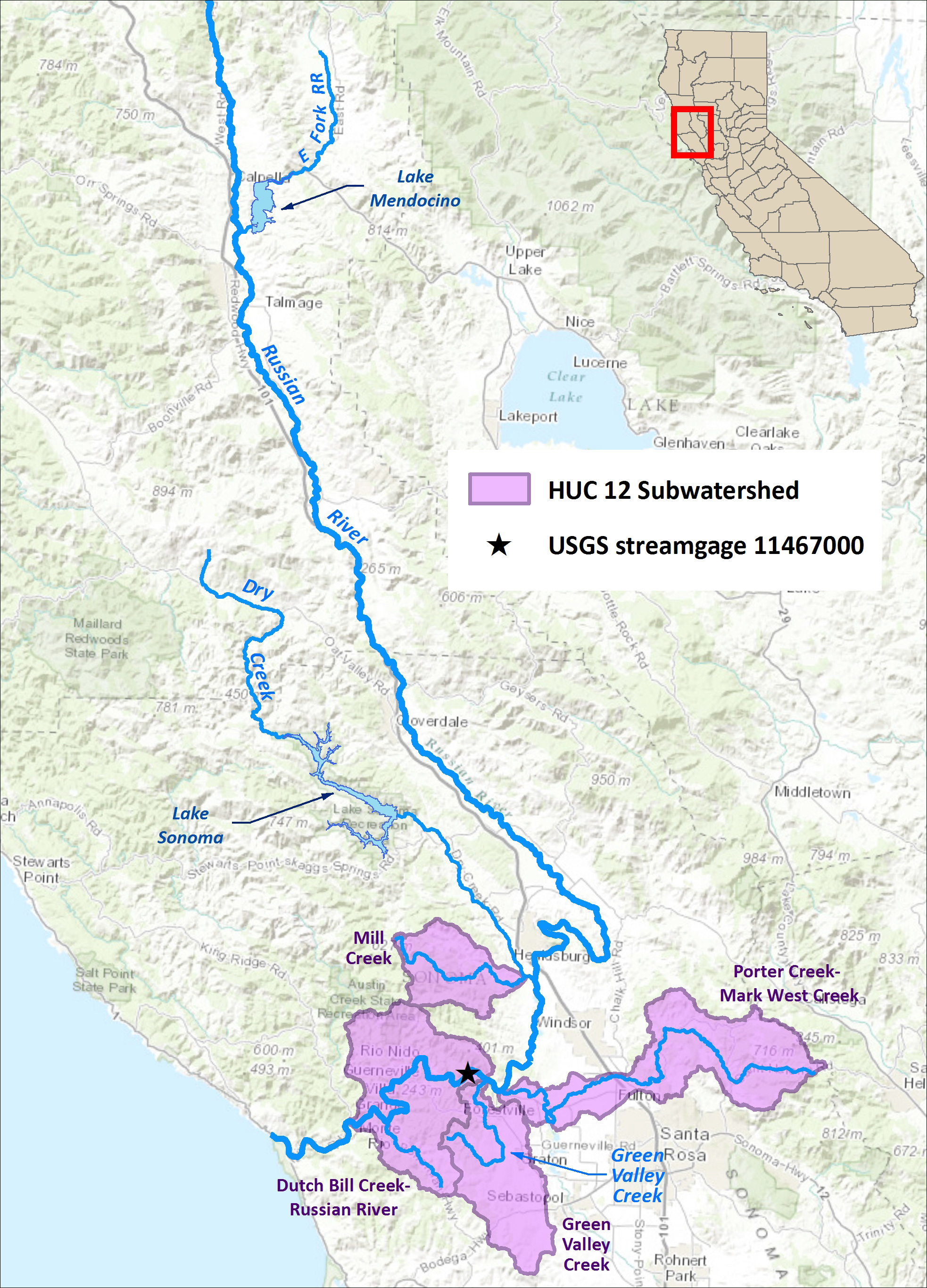
The Russian River is situated in the North Coast region of California, a territory celebrated for its dramatic coastline, ancient redwood forests, and fertile valleys. Its watershed spans approximately 1,485 square miles, encompassing parts of Sonoma and Mendocino counties. This extensive drainage area dictates the river’s flow, its ecological health, and its influence on the surrounding communities.
The River’s Course
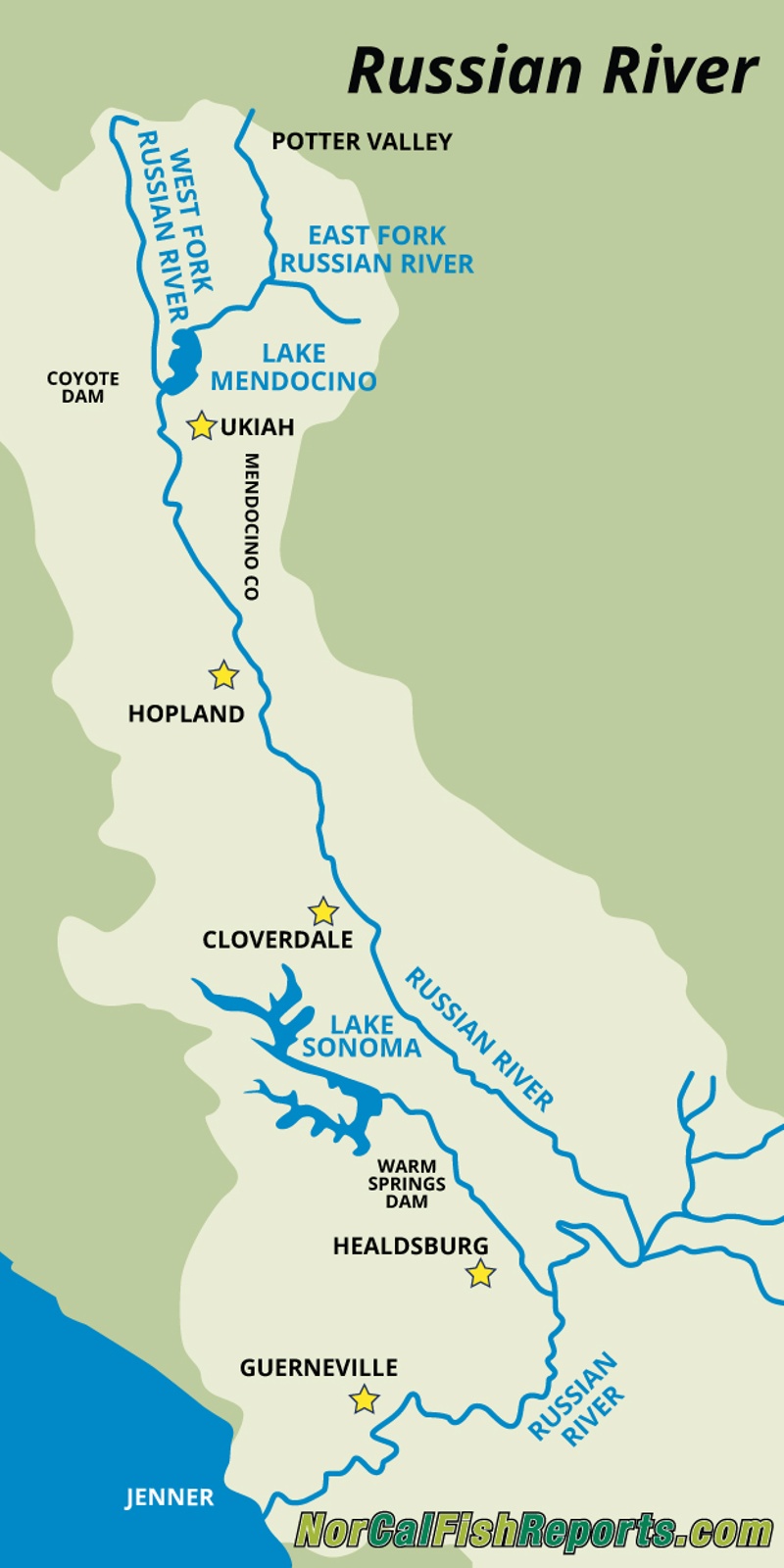
The Russian River has a dynamic and complex course, originating in the coastal mountains of Mendocino County. It flows in a generally southerly direction for a significant portion of its journey, carving through rugged terrain before turning west towards the Pacific Ocean.
- Headwaters: The river’s origins are in the remote and densely forested hills of southwestern Mendocino County. This upper reaches are characterized by steep canyons and a cooler, more humid climate, supporting a rich array of plant and animal life, including the iconic California redwood trees.
- Upper River: As the river progresses downstream, it enters the heart of the Russian River Valley. This area is renowned globally for its vineyards and wineries. The landscape begins to open up, with rolling hillsides covered in grapevies and dotted with charming agricultural towns.
- Middle River: The river continues its westward journey, passing through more populated areas and becoming a focal point for tourism and recreation. Lakes like Lake Sonoma and Coyote Valley Dam play crucial roles in managing water resources and offering additional recreational opportunities.
- Lower River: Approaching the Pacific, the river widens and its character changes. The landscape becomes a blend of agricultural land and coastal scrub. The final stretch of the Russian River leads to its mouth, where it empties into the Pacific Ocean near the town of Jenner. This estuary is a vital ecosystem supporting diverse marine and bird life.
Major Tributaries
The Russian River is fed by numerous tributaries, each contributing to its volume and character. These streams and creeks originate from the surrounding mountain ranges, carrying water from snowmelt and rainfall into the main river. Notable tributaries include the Big Sulphur Creek, Big River, and Austin Creek. The health of these tributaries is directly linked to the health of the Russian River itself, making watershed management a critical concern for the region.
Key Towns and Cities Along the River
The Russian River flows through or near several distinct and appealing towns and cities, each offering unique attractions and experiences. These communities have grown and evolved in tandem with the river, many of them drawing their economic and cultural vitality from its presence.
Sonoma County Communities
Sonoma County is home to the most well-known and visited sections of the Russian River. The towns here are famous for their wine production, but also offer a vibrant mix of arts, culture, and outdoor activities.
- Healdsburg: Situated at the confluence of the Russian River, Dry Creek, and Alexander Valley wine regions, Healdsburg is a charming town with a picturesque plaza. It serves as a gateway to world-class wineries, farm-to-table dining, and artisan shops. The river nearby offers opportunities for kayaking and tubing.
- Guerneville: Often considered the heart of the Russian River tourist area, Guerneville is a popular destination for its laid-back atmosphere, river access, and proximity to redwood forests. Visitors flock here for swimming, boating, and enjoying the vibrant local scene. The town has a rich history, having been a resort destination since the late 19th century.
- Monte Rio: Another beloved river town, Monte Rio offers a quintessential Russian River experience with its sandy beaches and calm waters. It’s a favored spot for families and groups seeking a classic summer getaway, with numerous vacation rentals and campgrounds.
- Forestville: Nestled between Guerneville and Monte Rio, Forestville is known for its access to the Austin Creek State Recreation Area, offering hiking trails through redwoods. The town itself has a friendly, community feel.
- Calpella: While not directly on the main river, Calpella is an important area in the upper reaches of the watershed, close to Ukiah. It marks a transition zone before the river enters the more developed wine country.
Mendocino County Communities
The upper reaches of the Russian River flow through less densely populated areas of Mendocino County, characterized by vast forests and a more rugged, wild landscape.
- Willits: Located north of the river’s headwaters, Willits is a gateway to the “banana belt” region of Mendocino County, known for its milder climate and agricultural endeavors. While not directly on the river, it’s a key access point to the northern parts of the watershed.
- Ukiah: The largest city in Mendocino County, Ukiah is situated in the Ukiah Valley, which is nourished by the Russian River and its tributaries. The city offers a blend of cultural attractions, wineries, and access to the natural beauty of the surrounding hills. The Russian River flows through the eastern edge of the valley, offering opportunities for recreation.
- Calpella: As mentioned earlier, Calpella is located just north of Ukiah, marking the point where the river begins to flow more prominently through the valley.
Natural Features and Recreational Opportunities
The location of the Russian River dictates the incredible diversity of its natural features and the wide array of recreational activities it supports. From the ancient forests of the coast range to the sun-drenched vineyards, the river serves as a central hub for experiencing the unparalleled beauty of Northern California.
Redwood Forests and Parks
The Russian River corridor is famously flanked by magnificent stands of old-growth California coast redwoods. These towering trees create a unique and awe-inspiring environment, drawing visitors from around the globe.
- Armstrong Redwoods State Natural Reserve: Located near Guerneville, this reserve protects some of the most impressive redwood trees in the state, including the “Parson Jones Tree,” one of the largest redwoods in the world. Walking among these giants is a truly humbling experience.
- Austin Creek State Recreation Area: Adjacent to Armstrong Redwoods, this larger park offers extensive hiking trails through diverse habitats, including redwood groves, oak woodlands, and chaparral. It provides a more rugged and less crowded experience of the natural landscape.
- Sonoma Coast State Park: Where the Russian River meets the Pacific Ocean near Jenner, this park encompasses a stunning stretch of coastline. Visitors can explore tide pools, walk along the bluffs, and witness the powerful confluence of river and sea.
Vineyards and Wine Country
The Russian River Valley is one of the most celebrated wine-growing regions in California, particularly renowned for its Pinot Noir and Chardonnay. The river’s gentle breezes and fertile soils create ideal conditions for viticulture.
- Wine Tasting Experiences: Numerous wineries line the river and its tributaries, offering tours, tastings, and picturesque vineyard views. Many are small, family-owned estates, providing an intimate and authentic wine country experience.
- Culinary Delights: The abundance of local produce and world-class wines has fostered a vibrant farm-to-table culinary scene. Restaurants throughout the region showcase fresh, seasonal ingredients, making dining an integral part of the visitor experience.
River Recreation
The Russian River itself is a playground for a wide range of water activities during the warmer months. Its relatively gentle flow in many sections makes it accessible and enjoyable for all ages and skill levels.
- Tubing and Rafting: Popular in the summer, floating down the Russian River on an inner tube or raft is a quintessential local pastime. Numerous access points and rental companies make it easy to embark on a leisurely aquatic journey.
- Kayaking and Canoeing: The river offers opportunities for more active exploration, with calm stretches ideal for kayaking and canoeing. Paddlers can discover hidden coves, observe wildlife, and enjoy the tranquility of the riverine environment.
- Swimming and Beach Access: Many towns along the river have public beach access points, providing refreshing spots to swim and relax. Johnson’s Beach in Guerneville is a particularly popular example.
- Fishing: The Russian River supports a variety of fish species, attracting anglers seeking trout, bass, and other freshwater game fish.
Connecting to the Coast and Beyond
The location of the Russian River is not just about its inland journey; it’s also about its crucial connection to the Pacific Ocean. This proximity influences the local climate, ecology, and provides an easy gateway to coastal exploration.
The Estuary at Jenner
The final miles of the Russian River form a unique estuary before it empties into the ocean at Jenner. This transitional zone is a critical habitat for numerous species, including harbor seals, various shorebirds, and migratory fish. The Jenner Headlands Preserve offers elevated viewpoints to appreciate this dynamic landscape.

Proximity to Coastal Destinations
The Russian River area is an excellent base for exploring the wider Sonoma County coastline. Short drives can take visitors to charming beach towns and dramatic coastal vistas.
- Bodega Bay: A classic Northern California fishing town, Bodega Bay offers stunning coastal scenery, opportunities for whale watching, and fresh seafood.
- Salt Point State Park: Further north along the coast, this park is known for its unique geological formations, tide pools, and opportunities for diving and hiking.
Understanding the precise location of the Russian River reveals a region rich in natural splendor, diverse ecosystems, and abundant recreational possibilities. Whether seeking world-class wine, ancient forests, or the simple pleasure of a day on the water, its geographical setting makes it an unforgettable destination.
LifeOutOfTheBox is a participant in the Amazon Services LLC Associates Program, an affiliate advertising program designed to provide a means for sites to earn advertising fees by advertising and linking to Amazon.com. Amazon, the Amazon logo, AmazonSupply, and the AmazonSupply logo are trademarks of Amazon.com, Inc. or its affiliates. As an Amazon Associate we earn affiliate commissions from qualifying purchases.