
Embarking on a cross-country journey from the historic streets of Boston, Massachusetts, to the dazzling lights of Las Vegas, Nevada, is a quintessential American travel experience. While the allure of the destination is undeniable, one of the primary considerations for any traveler is the duration of the flight. Understanding the various factors that influence travel time, from direct routes to connecting itineraries, is crucial for planning an efficient and enjoyable trip. This comprehensive guide will detail what to expect regarding flight duration and offer insights to optimize your journey from the East Coast to the West Coast.
The Direct Route: Unpacking Flight Times from Boston to Las Vegas
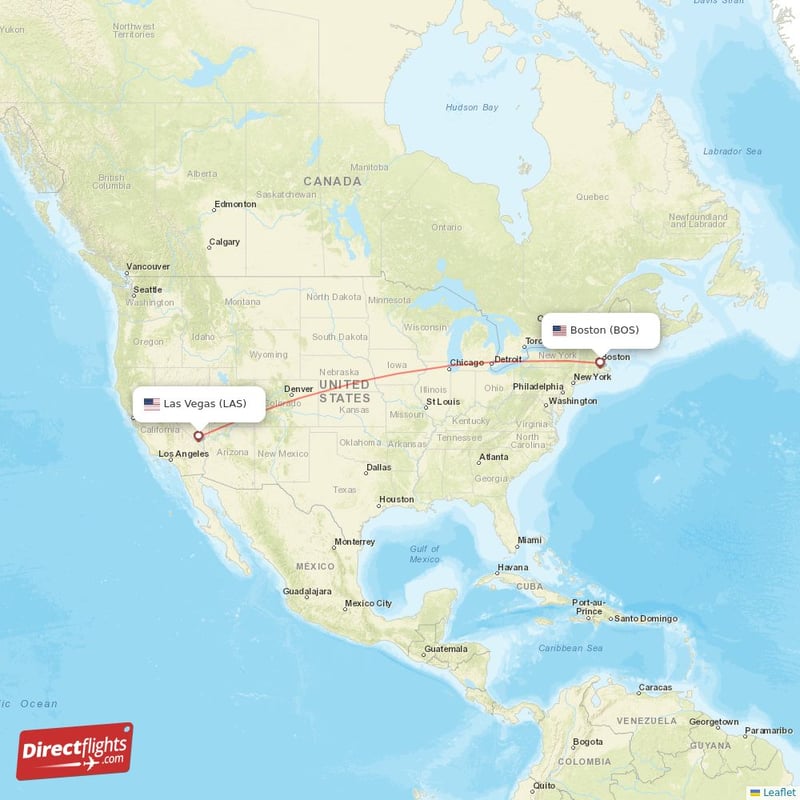
For most travelers, the most convenient and time-efficient option is a direct flight. Non-stop services bridge the approximate 2,300-mile (3,700 km) aerial distance, traversing multiple time zones, primarily the Eastern Time Zone and the Pacific Time Zone.
Average Non-Stop Duration
A direct flight from Boston Logan International Airport (BOS) to Harry Reid International Airport (LAS), formerly known as McCarran International Airport, typically ranges between 5 hours and 30 minutes to 6 hours and 15 minutes. This duration can vary slightly depending on the airline, specific aircraft model, and prevailing wind conditions. For instance, a tailwind can shave off a few minutes, while a strong headwind might extend the journey slightly. Major airlines like JetBlue, Southwest Airlines, Delta Air Lines, and American Airlines frequently operate these non-stop routes, offering multiple daily options.
Factors Influencing Flight Time
While the average provides a good baseline, several elements can subtly adjust the actual time you spend in the air:
- Jet Stream and Wind Conditions: One of the most significant natural factors is the jet stream. Flights heading west from Boston to Las Vegas often fly against prevailing westerly winds, which can increase flight duration. Conversely, eastbound flights from Las Vegas to Boston typically benefit from tailwinds, making the return journey slightly shorter.
- Air Traffic Control (ATC) Routing: Air traffic congestion, especially around major hubs, can lead to ATC imposing specific flight paths, speed restrictions, or holding patterns, all of which can add minutes to the total travel time.
- Aircraft Type: Different aircraft models have varying cruising speeds and operational efficiencies. While most commercial flights between these two major cities use similar medium to long-haul jets (e.g., Airbus A320/A321, Boeing 737/757/767), minor differences in speed can exist.
- Gate-to-Gate vs. Wheels Up: The stated flight time on your ticket typically refers to “block time,” which includes taxiing at both ends. The actual time spent in the air (wheels up to wheels down) is usually a bit shorter. Delays on the ground, such as waiting for a gate or for runway clearance, will add to your overall journey time, though not to the “flight time” itself.
Navigating Layovers: Considerations for Connecting Flights
While direct flights are often preferred, they might not always align with specific travel dates, budgets, or preferred airlines. Connecting flights offer flexibility but naturally extend the overall travel time significantly.
Typical Layover Hubs
If a direct flight isn’t feasible, you’ll likely connect through a major airline hub in the central or western United States. Common layover cities for flights from Boston to Las Vegas include:
- Chicago O’Hare International Airport (ORD)
- Denver International Airport (DEN)
- Dallas/Fort Worth International Airport (DFW)
- Phoenix Sky Harbor International Airport (PHX)
- Atlanta Hartsfield-Jackson International Airport (ATL)
- Charlotte Douglas International Airport (CLT)
Airlines like United Airlines, American Airlines, and Delta Air Lines frequently utilize these hubs. Budget carriers like Allegiant Air may also offer connecting routes, though less frequently from Boston.
Total Travel Time with Connections
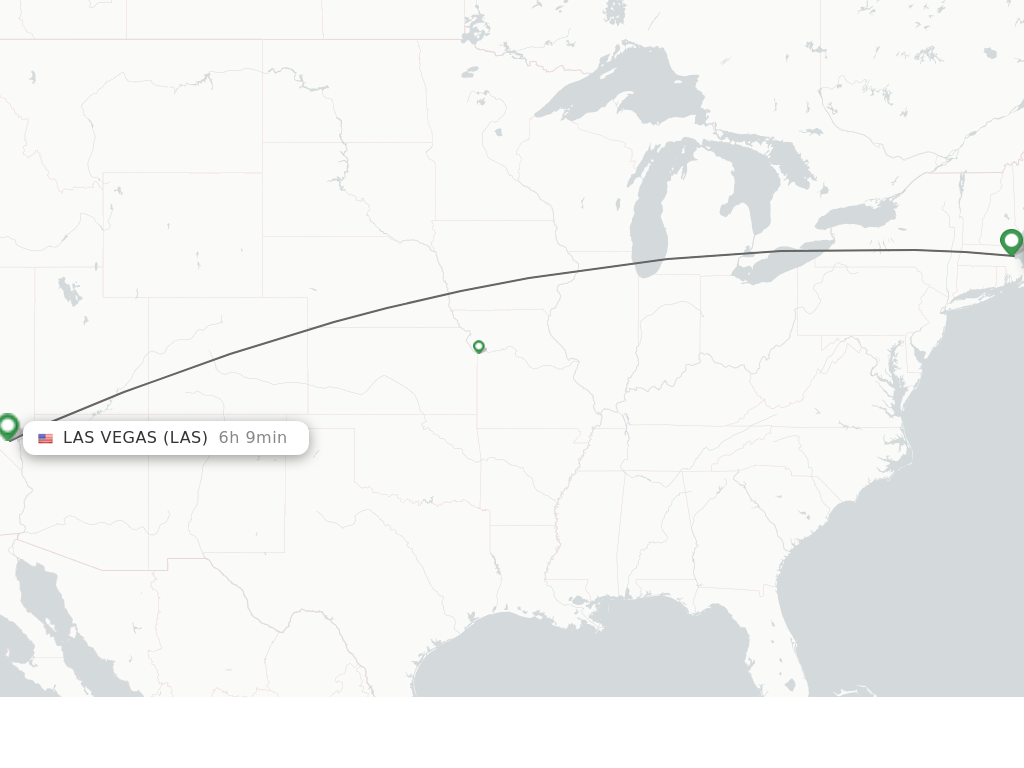
When opting for a connecting flight, the total travel time can range anywhere from 8 hours to 12+ hours, depending on the length of your layover. A short, efficient layover of 1-2 hours might keep the total journey closer to the 8-hour mark. However, longer layovers, sometimes exceeding 4-6 hours, can push the total travel time well into double-digit hours. It’s crucial to consider the trade-off between cost savings and the additional time spent traveling when evaluating connecting flight options. Always factor in potential delays at busy hub airports, which could extend your layover and overall travel time.
Optimizing Your Journey: Planning and Preparation
A lengthy flight, whether direct or with connections, requires some strategic planning to ensure comfort and minimize stress.
Choosing the Right Time to Fly
Flight times and availability can fluctuate based on the season, day of the week, and time of day. Weekday mornings and late evenings often present fewer crowds and potentially shorter ground delays. Similarly, traveling during off-peak seasons (e.g., late fall or early spring, avoiding major holidays) can sometimes result in more direct flight options and potentially better fares. Booking your flight several weeks or even months in advance, especially for popular routes like Boston to Las Vegas, is always advisable to secure preferred times and competitive pricing.
Preparing for a Cross-Country Flight
To make your 5+ hour journey as pleasant as possible:
- Stay Hydrated: The dry cabin air can be dehydrating. Drink plenty of water before and during your flight.
- Dress Comfortably: Opt for loose-fitting clothing and layers to adjust to cabin temperature fluctuations.
- Move Around: If possible, stand up and stretch occasionally, or walk the aisle to promote circulation, especially for flights exceeding five hours.
- Entertainment: Load up your devices with movies, TV shows, podcasts, or e-books. Don’t rely solely on in-flight entertainment, which may not always be available or to your liking. Noise-canceling headphones are a game-changer for long flights.
- Snacks: While airlines offer snacks, having your own preferred options can be a comfort.
- Neck Pillow and Eye Mask: Essential for catching some restful sleep or simply relaxing.
- Power Bank: Keep your electronic devices charged.
- Time Zone Adjustment: Upon arrival in Las Vegas, you will have crossed three time zones (from Eastern Time to Pacific Time). Be prepared for a 3-hour time difference that might affect your initial energy levels. Try to adjust to the local time zone as quickly as possible, even before you land.
Beyond the Flight Deck: Arriving in Las Vegas
Your journey doesn’t end when the plane touches down. Understanding the airport experience at both ends can streamline your overall travel time.
Boston Logan International Airport Experience
Boston Logan International Airport (BOS) is a bustling international airport with several terminals. Arrive well in advance (at least 2 hours for domestic flights) to navigate security, especially during peak travel times. The airport offers various dining and shopping options, allowing for a comfortable wait before boarding. Its proximity to downtown Boston makes it easily accessible via public transport (the MBTA Blue Line), ride-sharing, or taxi.
Harry Reid International Airport Welcome
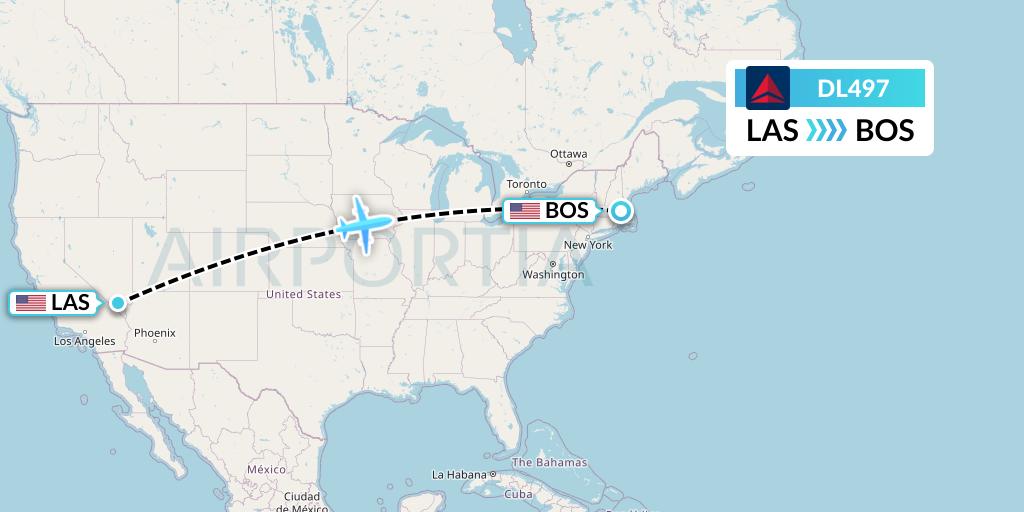
Upon arrival at Harry Reid International Airport (LAS), you’ll find an efficient and well-organized facility designed to handle the high volume of tourists flocking to the city. The airport is conveniently located just a few miles from the Las Vegas Strip. Transportation options to your hotel are abundant, including taxis, ride-sharing services, shuttles, and even a limited public bus service. Given the city’s focus on tourism, signage for ground transportation is clear and readily available. The transition from the airport to your final destination in Las Vegas is typically swift, allowing you to begin your Nevada adventure shortly after landing. Whether you’re planning to explore the Strip, venture out to the Grand Canyon, or visit the Hoover Dam, the journey from Boston is a manageable one that opens the door to unforgettable experiences.
LifeOutOfTheBox is a participant in the Amazon Services LLC Associates Program, an affiliate advertising program designed to provide a means for sites to earn advertising fees by advertising and linking to Amazon.com. Amazon, the Amazon logo, AmazonSupply, and the AmazonSupply logo are trademarks of Amazon.com, Inc. or its affiliates. As an Amazon Associate we earn affiliate commissions from qualifying purchases.