
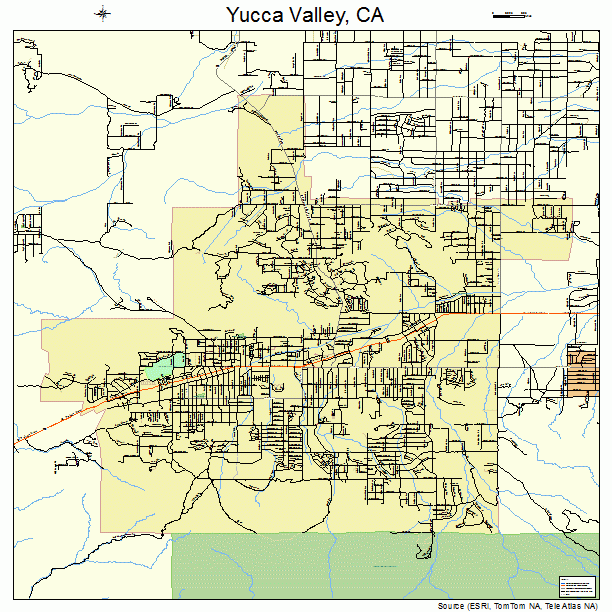
Yucca Valley, California, is a captivating high-desert community nestled within the expansive San Bernardino County. It occupies a unique geographical position, serving as a gateway to some of the most iconic natural landscapes and artistic enclaves in Southern California. Situated at an elevation of approximately 3,300 feet above sea level, the town enjoys a distinct climate characterized by warm, dry summers and cool, crisp winters. Its proximity to major urban centers, most notably Los Angeles, makes it an accessible escape for those seeking the tranquility and stark beauty of the desert environment, yet it maintains a distinct identity, far removed from the hustle and bustle of city life.

The appeal of Yucca Valley lies not only in its geographical location but also in its burgeoning reputation as a hub for artists, musicians, and independent thinkers. This creative spirit, coupled with the dramatic desert scenery, draws a diverse range of visitors, from adventure seekers to those looking for a bohemian retreat. Understanding where Yucca Valley is located is the first step to appreciating its multifaceted charm.
Gateway to the Mojave Desert and Beyond
Yucca Valley’s strategic position places it at the doorstep of some of the most breathtaking natural wonders in the American Southwest. Its location is particularly significant for those planning excursions into the surrounding desert regions.
Proximity to Joshua Tree National Park
Perhaps the most significant geographical advantage of Yucca Valley is its direct access to Joshua Tree National Park. The park, famous for its otherworldly landscapes dotted with the iconic Joshua trees, massive rock formations, and vast expanses of rugged desert terrain, is a mere stone’s throw away. Visitors often use Yucca Valley as a base for exploring the park’s diverse attractions, including Skull Rock, Barker Dam, and the surreal rock formations of Jumbo Rocks. The western entrance to the park is conveniently located just a short drive from the heart of Yucca Valley, making early morning or late evening explorations highly feasible. This proximity allows for extended visits, enabling travelers to fully immerse themselves in the park’s unique ecosystem and geological marvels.
Other Desert Destinations
Beyond Joshua Tree National Park, Yucca Valley serves as a convenient jumping-off point for exploring other notable desert locales. The vastness of the Mojave Desert offers endless opportunities for off-roading, stargazing, and discovering remote geological formations. While specific attractions may require further travel, the town’s location provides a central point of departure for those with a spirit of desert exploration.
A Hub of Creative Expression and Unique Culture
Yucca Valley is far more than just a geographical waypoint; it is a destination in its own right, defined by its distinctive culture and thriving arts scene. Its isolated, yet accessible, location has fostered an environment where creativity flourishes, attracting individuals who appreciate the unconventional and the authentic.
The Artistic Enclave
In recent years, Yucca Valley has become a magnet for artists, designers, musicians, and writers. This influx has transformed the town into a vibrant creative enclave. Galleries showcasing local and regional art are scattered throughout the area, offering glimpses into the diverse artistic talent that calls Yucca Valley home. You can find everything from contemporary abstract paintings to intricate sculptures inspired by the desert landscape. The town’s unique aesthetic, often characterized by a blend of desert modernism and bohemian flair, is reflected in its architecture, its shops, and the very spirit of its residents. This artistic energy permeates the town, creating an inspiring and welcoming atmosphere for visitors.
Independent Spirit and Local Businesses

The independent spirit of Yucca Valley is evident in its array of unique local businesses. Forget generic chain stores; here, you’ll discover quirky boutiques, vintage shops, and artisanal producers. These establishments often reflect the creative ethos of the town, offering handcrafted goods, locally sourced products, and one-of-a-kind finds. Exploring these shops is an integral part of the Yucca Valley experience, providing an opportunity to connect with the local community and take home a piece of its distinctive character. The town’s commitment to supporting local enterprise further enhances its authentic appeal.
Navigating Yucca Valley and Its Surroundings
Understanding the geography of Yucca Valley also involves knowing how to get there and how to navigate its immediate surroundings. Its location in the high desert influences transportation and accessibility.
Major Roadways and Access
Yucca Valley is primarily accessed via State Route 62 (also known as Twentynine Palms Highway). This scenic highway connects the town to other desert communities and, crucially, to the greater Southern California freeway system. Traveling east on CA-62 leads towards Twentynine Palms and the north entrance of Joshua Tree National Park, while heading west on CA-62 will take you towards Yucca Valley itself and eventually towards towns like Banning and connections to the San Gorgonio Pass. Major freeways like the I-10 and CA-210 are accessible via connecting routes, making the journey from cities like Los Angeles or San Diego manageable. The drive itself is often part of the experience, offering sweeping desert vistas and a gradual transition into a more arid landscape.
Getting Around Locally
Within Yucca Valley and its immediate vicinity, a personal vehicle is generally the most convenient mode of transportation. While the town itself is relatively compact, many attractions, trailheads, and neighboring communities are spread out. Public transportation options are limited, so having your own car or a rental car is highly recommended for maximizing your exploration. Services like ride-sharing are available, but their availability can be inconsistent, especially outside of the main town area or during peak tourist seasons. For those venturing into Joshua Tree National Park, a vehicle is essential for accessing various viewpoints and trailheads.
Climate and When to Visit
The high-desert climate of Yucca Valley presents a distinct set of conditions that influence the best times to visit and what to expect.
Seasonal Weather Patterns
Yucca Valley experiences four distinct seasons, though the desert climate tends to moderate extremes compared to many other regions. Summers (June through August) are hot, with daytime temperatures frequently exceeding 100°F (38°C). Mornings and evenings can offer some relief, but sun protection and hydration are paramount. Autumn (September through November) brings a welcome change with pleasant, warm days and cool nights, making it an ideal time for outdoor activities. Winter (December through February) is generally mild, with daytime temperatures in the 50s and 60s (°F), and occasional frost or light snow is possible at higher elevations. The nights can be quite cold. Spring (March through May) offers beautiful weather with blooming desert flora, warm days, and cool evenings, making it another prime season for visitors.
Best Times for Exploration
Considering the climate, the most popular and comfortable times to visit Yucca Valley and explore its surrounding natural wonders are during the spring and fall months. During these periods, the weather is conducive to hiking, rock climbing, photography, and simply enjoying the vast desert landscapes without the intense heat of summer or the deeper chill of winter. The shoulder seasons of late spring and early fall also offer fewer crowds compared to the peak spring bloom or the most pleasant autumn days. For those who enjoy cooler temperatures and the stark beauty of the desert in winter, the colder months can also be a rewarding experience, particularly for stargazing and enjoying the unique quietude of the desert.
By understanding where Yucca Valley is located, its access points, its cultural significance, and its climate, travelers can better plan their visits to this distinctive corner of California. It is a place where the rugged beauty of the desert meets a vibrant creative spirit, offering a truly unforgettable experience.
LifeOutOfTheBox is a participant in the Amazon Services LLC Associates Program, an affiliate advertising program designed to provide a means for sites to earn advertising fees by advertising and linking to Amazon.com. Amazon, the Amazon logo, AmazonSupply, and the AmazonSupply logo are trademarks of Amazon.com, Inc. or its affiliates. As an Amazon Associate we earn affiliate commissions from qualifying purchases.