
The unexpected presence of a tornado, even a brief and relatively minor one, in a region not typically associated with such severe weather events invariably sparks curiosity. While California is renowned for its diverse landscapes, from sun-drenched beaches to majestic mountain ranges, and its susceptibility to earthquakes and wildfires, its reputation as a tornado hotspot is far less established. The question “Where was the tornado in [California]?” often arises when news of such an event surfaces, prompting a deeper look into the atmospheric conditions that can lead to these powerful, rotating columns of air in the Golden State.
Understanding Tornado Formation in Unlikely Places
Tornadoes are born from a specific set of atmospheric ingredients. They require a supercell thunderstorm, a rotating updraft within that storm, and sufficient instability and wind shear. Wind shear, the change in wind speed and direction with altitude, is crucial for initiating rotation. In California, while supercell thunderstorms can and do form, the conditions that typically foster widespread and intense tornado outbreaks, such as those seen in Tornado Alley in the central United States, are less common.
Atmospheric Conditions Favoring California Tornadoes
Despite being a less frequent phenomenon, tornadoes can and do occur in California. The state’s unique geography plays a significant role. Coastal areas often benefit from the moderating influence of the Pacific Ocean, which tends to stabilize the atmosphere. However, when certain conditions align, particularly during the wetter months of winter and spring, the stage can be set for tornadic activity.
- Moisture Influx: Significant storm systems moving in from the Pacific Ocean can bring substantial moisture inland, providing the fuel for thunderstorm development.
- Temperature Gradients: Sharp contrasts in temperature between warm, moist air at lower altitudes and cooler air aloft can create atmospheric instability.
- Upper-Level Disturbances: Approaching storm fronts or low-pressure systems at higher altitudes can introduce the necessary wind shear to initiate rotation within thunderstorms.
- Orographic Lift: Mountain ranges, such as the Sierra Nevada or the coastal ranges, can force air upwards, enhancing thunderstorm development and potentially contributing to the creation of rotating updrafts.
When these elements converge, even a seemingly benign storm system can produce a rotating supercell capable of spawning a tornado. These California tornadoes are often weaker and shorter-lived than their Midwestern counterparts, frequently classified as EF0 or EF1 on the Enhanced Fujita Scale, but they can still cause localized damage.
Documented Tornado Occurrences in California
While California might not be synonymous with tornadoes, historical records and weather archives document numerous instances of these weather events. The locations where tornadoes have touched down are varied, often dictated by the specific meteorological setup of the day.
Regions Prone to Tornado Activity
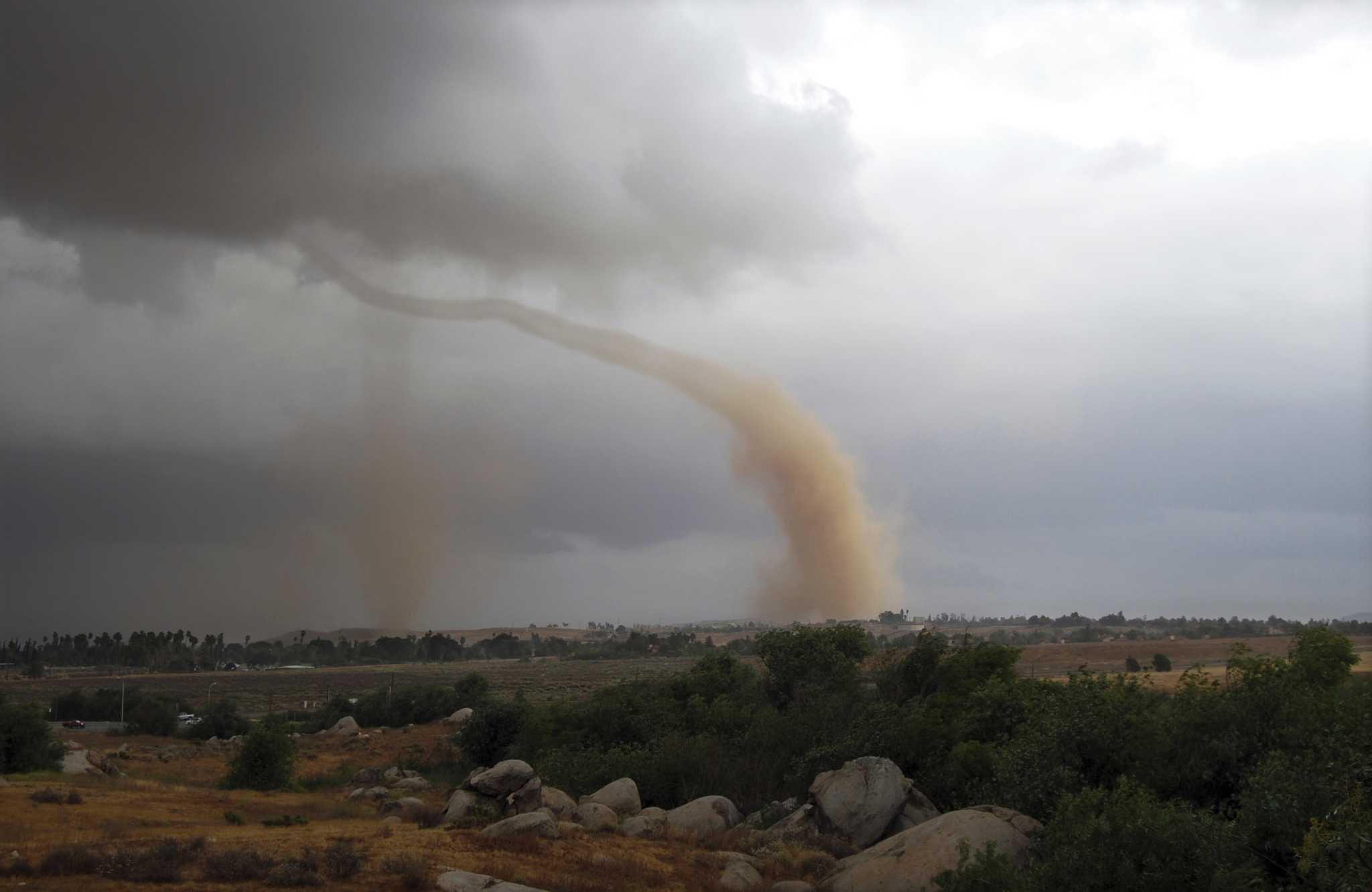
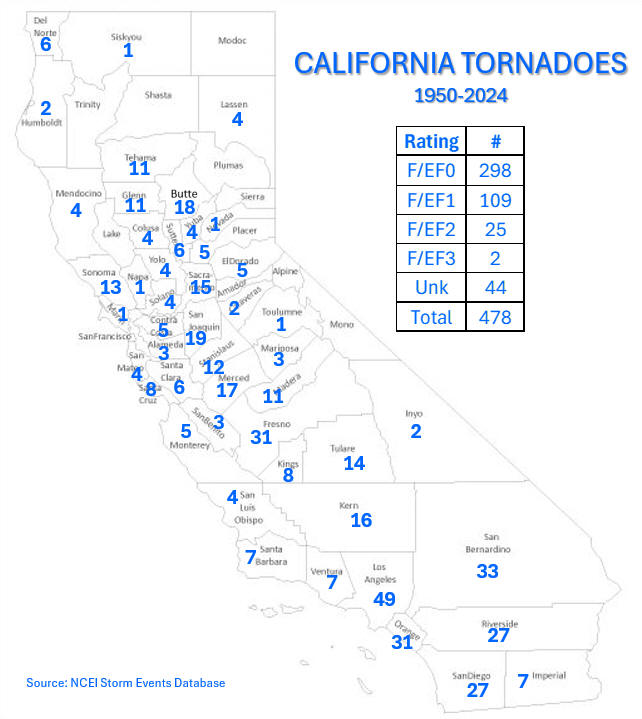
Certain regions within California have historically seen more tornado activity than others. These areas are typically inland valleys and plains where the atmospheric ingredients are more likely to come together.
- The Central Valley: This vast agricultural heartland, stretching from Bakersfield in the south to Redding in the north, is particularly susceptible. The flat terrain allows storms to develop without significant geographical disruption, and it’s a common corridor for storm systems moving from the coast. Cities like Fresno, Sacramento, and Stockton have all experienced tornado events.
- Southern California Inland Areas: While the coastal areas of Los Angeles and San Diego are less prone, inland regions such as the San Bernardino Valley and parts of the Imperial Valley have also seen tornadoes. These areas can experience powerful thunderstorms, especially during El Niño years.
- Northern California Valleys: Valleys north of the Bay Area, such as those in counties like Glenn and Colusa, have also recorded tornado touchdowns.
The precise location of a tornado in California is always a matter of the specific storm’s trajectory and development. Weather radar and storm spotters play a crucial role in identifying and tracking these phenomena as they occur.
The Impact of a California Tornado
Even a weak tornado can cause significant disruption and damage to communities, especially given that many California tornadoes occur in or near populated areas. The suddenness of their formation can leave residents with little warning.
Damage and Safety Considerations
- Localized Destruction: Tornadoes, regardless of strength, can rip roofs off homes, overturn vehicles, down trees and power lines, and cause widespread debris. Even an EF0 tornado can cause damage.
- Agricultural Impact: Given the importance of agriculture in regions like the Central Valley, tornadoes can devastate crops and damage farm infrastructure.
- Emergency Preparedness: The occurrence of tornadoes underscores the importance of emergency preparedness for all types of weather events in California. Residents are encouraged to stay informed about weather alerts, have a plan for seeking shelter, and secure outdoor items that could become projectiles.
- Weather Services: Organizations like the National Weather Service monitor atmospheric conditions and issue tornado watches and warnings when conditions are favorable or a tornado is detected. Their role is critical in safeguarding lives and property.
Navigating Tornado Risk in the Golden State
While the probability of experiencing a powerful tornado outbreak in California is low compared to other parts of the country, the possibility remains. Understanding the conditions that lead to these events and being aware of the historical patterns can help residents and visitors stay informed and prepared.

Staying Informed and Prepared
- Monitor Weather Alerts: Pay close attention to local weather forecasts and heed any tornado watches or warnings issued by the National Weather Service.
- Seek Shelter: If a tornado warning is issued for your area, move immediately to the lowest floor of a sturdy building, such as a basement or an interior room away from windows.
- Understand Event Types: While tornadoes are a concern, California is also prone to other severe weather phenomena like flash floods, heavy rain, and strong winds, which should also be taken seriously.
The question “Where was the tornado in [California]?” is not just about pinpointing a location on a map but about understanding the dynamic interplay of weather systems that can, on rare occasions, produce such dramatic events even in a state not typically associated with them. It serves as a reminder that nature’s power can manifest in unexpected ways, and preparedness is always key.
LifeOutOfTheBox is a participant in the Amazon Services LLC Associates Program, an affiliate advertising program designed to provide a means for sites to earn advertising fees by advertising and linking to Amazon.com. Amazon, the Amazon logo, AmazonSupply, and the AmazonSupply logo are trademarks of Amazon.com, Inc. or its affiliates. As an Amazon Associate we earn affiliate commissions from qualifying purchases.