
Navigating the intricacies of state tax refunds, particularly within a vibrant economic hub like California, can often feel like a quest for a hidden treasure. The anticipation of receiving a California state tax refund is a common sentiment for many residents, and understanding the process, potential delays, and how to track its progress is crucial for financial peace of mind. This guide aims to demystify the “Where’s My Refund California State Tax?” query, providing actionable insights and helpful resources for taxpayers.
Understanding the California State Tax Refund Process
The journey of a California state tax refund begins after you file your state income tax return. The Franchise Tax Board (FTB) is the state agency responsible for processing these returns and issuing refunds. Several factors influence how quickly you receive your refund, including the method of filing, the complexity of your return, and any potential discrepancies that require further review.
Filing Methods and Their Impact
The method you choose to file your California state income tax return can significantly affect the processing time for your refund.
E-filing vs. Paper Filing
- E-filing: Filing your taxes electronically is generally the fastest way to receive a refund. When you e-file, your information is transmitted directly to the FTB system, reducing manual processing and potential errors. The FTB aims to issue e-filed refunds within two to three weeks, though this is an estimate and can vary.
- Paper Filing: Mailing a paper tax return introduces several stages of manual processing, which can naturally lead to longer refund timelines. Paper returns typically take longer to process, often ranging from six to eight weeks or more, especially during peak filing seasons. For this reason, e-filing is strongly recommended for those seeking a prompt refund.
Accuracy and Completeness of Your Return
The accuracy and completeness of the information provided on your tax return are paramount. Any errors, missing information, or inconsistencies can trigger a review by the FTB, which will inevitably delay the processing of your refund.
- Common Errors: Typical errors include incorrect Social Security numbers, misplaced digits in account numbers, mathematical mistakes, or failure to report all income sources. Double-checking all details before submission can prevent these issues.
- Supporting Documentation: Ensure you have all necessary documentation, such as W-2s, 1099s, and records for any deductions or credits you claim. While you may not need to submit these with your return, you must have them available in case the FTB requests them.
Tax Return Complexity and Special Circumstances
Certain tax situations are inherently more complex and may require additional scrutiny from tax authorities.
- Amended Returns: If you need to file an amended California tax return (Form 540X), processing will naturally take longer than an original return. The FTB may take up to 16 weeks to process amended returns, and sometimes longer if additional information is needed.
- Unreported Income or Credits: Returns that claim significant credits or deductions, or those that appear to deviate significantly from previous filing history, may undergo more in-depth review.
- Identity Theft or Fraud Concerns: In rare cases, if the FTB suspects identity theft or fraudulent activity, your return and refund will be held for thorough investigation.
Tracking Your California State Tax Refund
Once your return is filed, the next logical step for many taxpayers is to determine the status of their refund. Fortunately, the California Franchise Tax Board (FTB) provides online and phone services to help you track your refund.
The “Where’s My Refund?” Online Tool
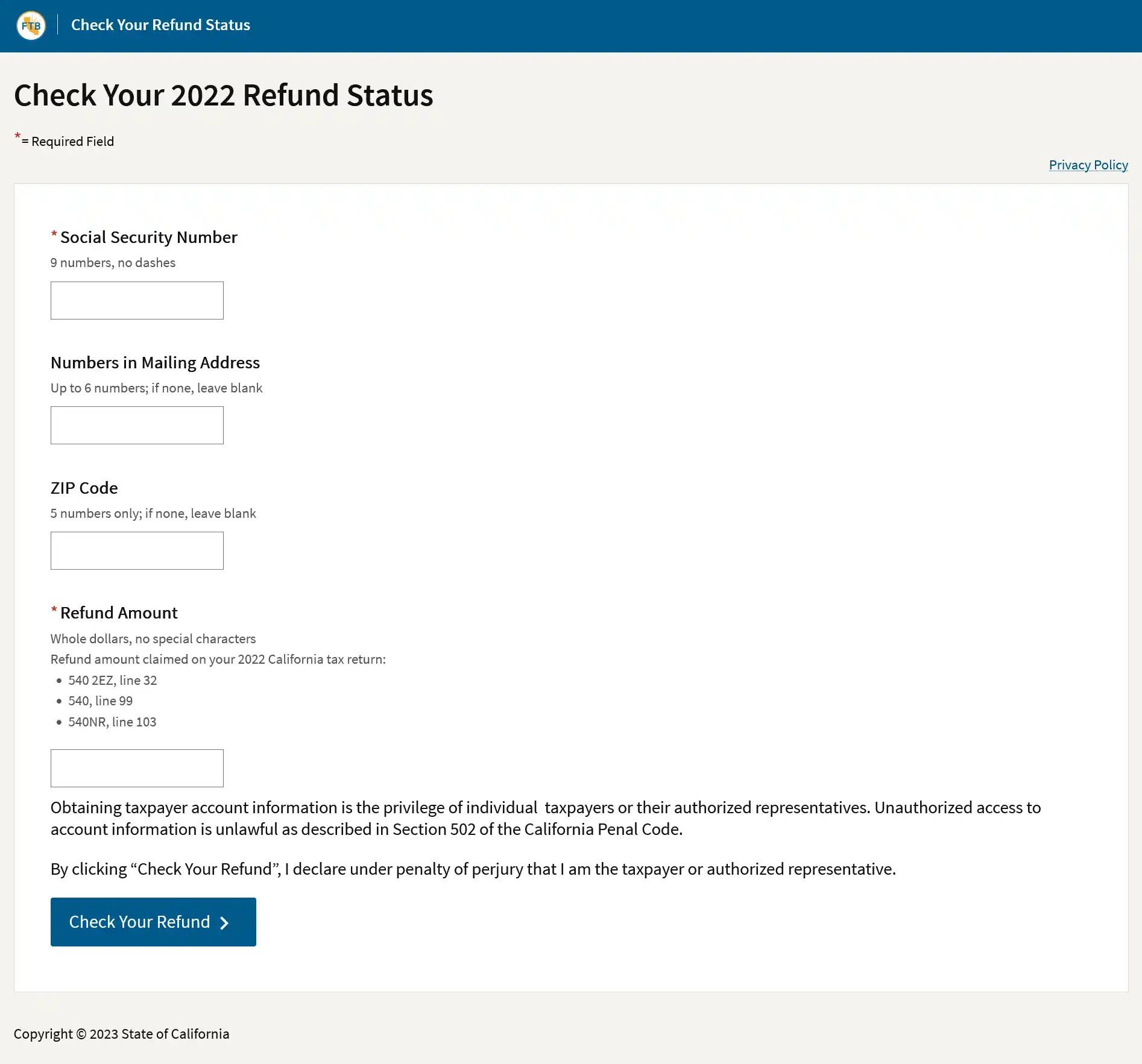
The most efficient method for tracking your refund is through the FTB’s official “Where’s My Refund?” online service. This tool offers real-time updates on the status of your tax refund.
- Accessing the Tool: You can access the “Where’s My Refund?” tool directly from the FTB website. You will typically need to provide your Social Security number (or Individual Taxpayer Identification Number – ITIN), your filing status (e.g., Single, Married Filing Jointly), and the exact refund amount you are claiming on your California tax return.
- Information Provided: The tool will display one of three statuses:
- Return Received: This indicates that the FTB has received your tax return.
- Return Approved: Your return has been processed and approved, and a refund has been authorized.
- Refund Sent: Your refund has been issued and mailed or direct-deposited.
- Frequency of Updates: The “Where’s My Refund?” tool is updated regularly, usually daily. If you check and the status hasn’t changed, it’s often best to wait and check again the following day.
Using the FTB’s Automated Phone System
While the online tool is generally preferred for its speed and convenience, the FTB also offers an automated phone system that can provide refund status information.
- Contacting the FTB: You can typically find the appropriate phone number on the FTB website. Be prepared for potentially long hold times, especially during peak tax season.
- Information Required: Similar to the online tool, you will need to have your Social Security number, filing status, and the exact refund amount ready to input when prompted by the automated system.
Common Reasons for Refund Delays
Even with the best intentions and accurate filings, refunds can sometimes be delayed. Understanding these common causes can help manage expectations and address potential issues proactively.
System Flags and Additional Review
The FTB employs sophisticated systems to detect anomalies, inconsistencies, or potential fraud within tax returns.
- Discrepancies with Information Reported: If the information on your return (e.g., income reported by employers) does not match the data the FTB has on file, your return may be flagged for review.
- Claiming Unusual Deductions or Credits: While taxpayers are encouraged to take all eligible deductions and credits, unusually large claims or claims that are not commonly associated with your filing history might trigger a manual review.
- Third-Party Information Mismatches: Discrepancies between information provided by third parties (like banks or employers) and what you report on your return can lead to delays.
Outstanding Tax Liabilities or Debts
If you owe money to the state of California from previous tax years, or if you have certain outstanding debts, your refund may be offset to cover these amounts.
- Offsets for Unpaid Taxes: The FTB has the authority to intercept tax refunds to pay off delinquent state taxes.
- Other Debts: In some instances, refunds can also be offset to satisfy other state or federal debts, such as past-due child support, unemployment benefits, or certain court-ordered judgments. The FTB will typically notify you if your refund is being offset for such debts.
Errors in Direct Deposit Information
For taxpayers who opt for direct deposit, errors in the provided bank account and routing numbers can lead to significant delays.
- Incorrect Account or Routing Numbers: A single digit error can result in the refund being sent to the wrong account, requiring manual intervention from the FTB to rectify.
- Closed Bank Accounts: If you have closed the bank account you provided for direct deposit, the funds will be returned to the FTB, and a paper check will likely be issued instead, which will take additional time. Always ensure your bank account information is current and accurate.
Tips for Expediting Your Refund
While you cannot force the FTB to process your refund faster than their established timelines, several best practices can help ensure a smooth and timely experience.
File Early and E-file
As mentioned previously, filing your taxes as early as possible in the tax season and choosing the e-filing method are the two most impactful steps you can take to expedite your refund. By avoiding last-minute rushes and leveraging the efficiency of electronic submission, you position your return for quicker processing.
Ensure Accuracy and Completeness
Thoroughly review your tax return before submitting it. Pay close attention to all personal identification numbers, financial figures, and deduction/credit claims. Using tax software or consulting with a qualified tax professional can significantly reduce the likelihood of errors.
Choose Direct Deposit
Opting for direct deposit is generally faster than receiving a paper check, even after the refund has been issued. The funds are electronically transferred directly into your bank account, eliminating postal delivery times. Ensure your bank account information is correct and that the account will remain active until the deposit is received.
Avoid Filing Amended Returns Unless Necessary
While amending your return is sometimes unavoidable, unnecessary amendments can lead to substantial delays. If you discover a minor error that doesn’t significantly impact your tax liability, consider whether an amendment is truly necessary. For significant errors or omissions, file promptly and be prepared for a longer processing time.

Stay Informed with FTB Communications
Keep an eye on any correspondence from the California Franchise Tax Board. If they require additional information or clarification, prompt and accurate responses are critical to avoiding further delays. Registering for electronic notifications, if available, can also be beneficial.
By understanding the refund process, utilizing available tracking tools, and adhering to best practices in tax filing, taxpayers can navigate the “Where’s My Refund California State Tax?” question with greater confidence and efficiency. The goal is to ensure that your tax refund, a valuable financial resource for many, reaches you as smoothly and as quickly as possible.
LifeOutOfTheBox is a participant in the Amazon Services LLC Associates Program, an affiliate advertising program designed to provide a means for sites to earn advertising fees by advertising and linking to Amazon.com. Amazon, the Amazon logo, AmazonSupply, and the AmazonSupply logo are trademarks of Amazon.com, Inc. or its affiliates. As an Amazon Associate we earn affiliate commissions from qualifying purchases.